Augmented Reality Education: How AR Is Transforming Learning in 2025
Discover how Augmented Reality Education is making classrooms more interactive, inclusive, and engaging through immersive learning technology.
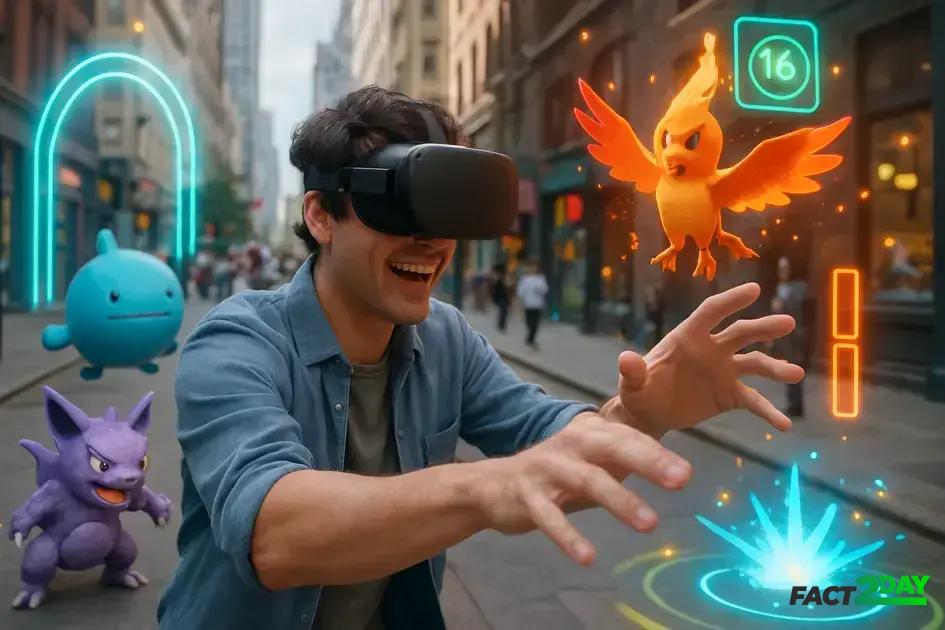
Have you ever thought about how Augmented Reality Education can change the way we learn? Imagine classes where the content comes to life before your eyes, making learning not only clearer but also fun. Keep reading to discover the transformative impact of this technology in the classroom.
What Is Augmented Reality and How It Works in Education
Augmented reality (AR) in education is a technology that overlays digital content such as images, videos, and 3D models onto the real world, viewed through devices like tablets, smartphones, or AR glasses. This blend of virtual and real environments helps students interact with complex subjects in a hands-on and visual way.
How AR Works in Education
Using AR apps, students point their device’s camera at a trigger image or marker. The software then displays related digital content on the screen, allowing learners to explore objects, animations, or simulations in real time. This interactive experience can make abstract concepts easier to understand, such as anatomy models in biology or historical artifacts in social studies.
AR enhances engagement by encouraging active participation rather than passive reading. It supports different learning styles by providing visual, auditory, and kinesthetic stimuli. For example, a chemistry student can see 3D molecular structures or a geography class can explore landscapes interactively.
Accessibility and Usability
Most AR tools are user-friendly and require minimal setup, making them accessible in various educational settings. They promote collaboration, as students can share the AR experience and discuss what they observe together.
Overall, augmented reality adds a dynamic layer to traditional teaching, helping students grasp information with more clarity and excitement.
Main Benefits of Augmented Reality for Students
Augmented reality (AR) offers several key benefits that enhance the learning experience for students. One major advantage is increased engagement, as AR creates immersive and interactive lessons that capture students’ attention more effectively than traditional methods.
Improved Understanding and Retention
By presenting complex concepts visually and allowing students to manipulate 3D models, AR helps deepen comprehension. This concrete interaction makes abstract ideas easier to grasp and improves memory retention.
Personalized Learning
AR can adapt to different learning styles, providing tailored experiences that suit visual, auditory, or kinesthetic learners. Students can explore content at their own pace, revisiting challenging topics through interactive simulations.
Encouragement of Collaboration
Many AR applications support group activities, encouraging teamwork and communication among students as they explore virtual content together. This social aspect helps develop critical thinking and problem-solving skills.
Safe and Cost-Effective Exploration
AR allows students to safely experiment with scenarios that might be costly or dangerous in real life, such as virtual chemistry labs or historical recreations. This access broadens learning opportunities without risks or heavy expenses.
Overall, AR brings a dynamic, hands-on approach to education that fosters curiosity, motivation, and deeper learning outcomes for students across subjects.
Equipment and Technologies Used for AR in the Classroom
Augmented reality (AR) in classrooms relies on a variety of equipment and technologies to create immersive learning experiences. The most common tools include smartphones and tablets, which many students already own. These devices run AR apps that use their cameras to overlay digital content onto physical objects.
AR Glasses and Headsets
More advanced AR experiences involve dedicated devices like AR glasses or headsets, such as Microsoft HoloLens or Magic Leap. These devices provide hands-free interaction and a wider field of view, making learning more natural and engaging.
Projectors and Interactive Whiteboards
Some classrooms use AR-enabled projectors or interactive whiteboards that display augmented content on surfaces. This allows teachers to present 3D models and animations visible to the whole class, promoting group discussion.
Software and Platforms
AR content is powered by specialized software platforms like ARKit, ARCore, and Unity, which developers use to create educational apps and experiences. These platforms enable features such as object recognition, 3D rendering, and spatial mapping.
Markers and QR Codes
Several AR systems use markers or QR codes placed on textbooks or posters that trigger the display of virtual content when scanned. This method is simple to implement and requires minimal infrastructure.
Combining these technologies allows educators to tailor AR to different age groups, subjects, and classroom environments, making lessons more interactive and modern.
Integrating AR with Traditional Teaching Methods
Augmented reality (AR) can seamlessly integrate with traditional teaching methods to enrich the classroom experience. Instead of replacing textbooks or lectures, AR acts as a complementary tool that adds interactivity and depth to existing lessons.
Enhancing Textbooks and Printed Materials
AR applications can overlay videos, 3D models, or quizzes on textbook pages by scanning markers or images, making static content more engaging and easier to understand. Students get to visualize concepts live, helping bridge theory and practice.
Interactive Lectures and Demonstrations
Teachers may use AR projections or devices during lectures to display models or simulations in real time. This approach keeps students attentive and allows for hands-on exploration alongside verbal explanations.
Flipped Classroom Support
AR supports flipped classrooms by enabling students to review augmented lessons at home through apps before discussing them in class. This blend of self-study and teacher interaction optimizes learning time.
Group Activities and Collaboration
Traditional group work is enhanced when students interact with shared AR content, encouraging teamwork and problem-solving in new, dynamic ways.
Combining AR with proven teaching techniques creates a versatile educational environment. It respects familiar practices while introducing innovation that can improve understanding and student motivation.
Practical Examples of AR Activities in Education
Practical activities using augmented reality (AR) in education bring lessons to life and encourage active learning. For example, in science classes, students can use AR apps to explore 3D models of the human body, allowing them to see organs and systems from all angles and understand their functions better.
Interactive History Lessons
AR enables students to visualize historical events or artifacts by projecting virtual recreations into the classroom. For instance, learners might explore ancient ruins or famous battles through immersive simulations that make history tangible.
Mathematics and Geometry Exploration
Students can engage with geometric shapes in 3D, manipulating figures to see properties such as surface area or volume. This hands-on experience aids comprehension of abstract mathematical concepts.
Language Learning Enhancement
AR flashcards or storybooks can display animations and sounds, making vocabulary and pronunciation practice more engaging and effective for language learners.
Environmental Studies
By pointing devices at plants or animals, students can receive detailed information and 3D visuals about species, habitats, and ecosystems, increasing awareness of biodiversity and conservation.
These practical AR activities promote experimentation, creativity, and deeper understanding across various subjects, transforming traditional learning into an interactive adventure.
The Impact of AR on Student Motivation and Engagement
Augmented reality (AR) has a strong impact on student motivation and engagement. By making lessons more interactive and visually appealing, AR captures students’ attention and encourages active participation.
Boosting Interest Through Interactivity
Students tend to be more curious and focused when they can manipulate virtual objects and explore learning materials hands-on. This breaks the monotony of traditional lectures and promotes a fun learning atmosphere.
Encouraging Self-Paced Learning
AR allows learners to engage with content at their own pace, repeating or exploring concepts until they understand thoroughly. This autonomy increases confidence and motivation to continue learning.
Enhancing Collaboration
Group AR activities foster teamwork and communication, both of which are motivating factors for many students. Sharing discoveries and solving problems together improves engagement.
Immediate Feedback and Rewards
Many AR apps provide instant feedback through quizzes or interactive challenges, helping students track progress and feel rewarded for their achievements.
Overall, the immersive nature of AR transforms learning into an engaging experience, which raises motivation levels and helps students stay focused longer.
Technical and Logistical Challenges of Implementing AR
Implementing augmented reality (AR) in education faces several technical and logistical challenges that schools must address. One key issue is the need for reliable hardware, such as tablets, smartphones, or AR headsets, which can be costly for institutions with limited budgets.
Infrastructure and Connectivity
AR applications often require strong and stable internet connections to function smoothly. Many schools may struggle with outdated networks or insufficient bandwidth, which can disrupt the learning experience.
Technical Skills and Training
Teachers and staff need adequate training to effectively use AR tools. Without proper support and knowledge, even the best technology can become underutilized or misused.
Content Availability and Quality
The effectiveness of AR depends greatly on high-quality, curriculum-aligned content. Developing or sourcing such materials can be challenging and time-consuming, especially for subjects without established AR resources.
Device Compatibility and Maintenance
Diverse devices may lead to compatibility issues with apps or software updates. Additionally, managing, repairing, and maintaining AR equipment adds to the logistical workload.
Addressing these challenges requires careful planning, investment, and ongoing support to ensure AR integration brings maximum benefits to education.
How Teachers Can Prepare to Use AR
Teachers preparing to use augmented reality (AR) in their classrooms should start by gaining a solid understanding of the technology and its educational benefits. Familiarity with AR tools helps educators feel confident integrating them into lessons.
Training and Professional Development
Participating in workshops or online courses focused on AR equips teachers with essential skills for operating devices and creating effective AR content tailored to their subjects.
Exploring AR Educational Apps
Teachers should explore various AR apps and platforms to identify those that best fit their curriculum and students’ needs. Hands-on experience with different tools allows for better lesson planning.
Collaborating with Peers and Experts
Working with other educators or tech specialists encourages sharing ideas and solutions to common challenges, fostering a supportive environment for AR adoption.
Planning Lessons that Integrate AR
Developing lesson plans that blend traditional methods with AR activities ensures a balanced and meaningful learning experience. Clear objectives and measurable outcomes help evaluate AR’s effectiveness.
Preparing for Technical Issues
Teachers should be ready to troubleshoot common problems with AR hardware or software and have backup plans to maintain lesson flow if technical difficulties arise.
By investing time in these preparations, educators can confidently harness the power of AR to enhance student engagement and learning outcomes.
Popular AR Tools and Platforms for Schools
Several popular augmented reality (AR) tools and platforms have proven effective in school environments. These resources help educators create engaging lessons and enrich student learning.
Google Expeditions
This platform allows teachers to take students on virtual field trips using AR and virtual reality (VR). It offers an extensive library of immersive experiences that cover subjects from history to science.
Merge Cube
Merge Cube is a handheld device that works with AR apps to display 3D objects students can interact with. It supports a range of educational content for different grade levels, making abstract topics tangible.
Quiver
Quiver turns coloring pages into animated 3D models using AR technology. It encourages creativity while teaching concepts across subjects such as biology, geography, and art.
Microsoft Mixed Reality
With devices like HoloLens, Microsoft offers a powerful AR platform for schools. It enables advanced simulations and collaborative activities, especially in STEM education.
Zappar
Zappar provides tools for creating custom AR experiences, including interactive lessons and games. It’s user-friendly and adaptable to various educational needs.
Choosing the right AR tools depends on curriculum goals, student age, and available technology. Exploring these platforms can help schools innovate and make learning more exciting and effective.
Assessing Learning Through Augmented Reality
Augmented reality (AR) offers innovative ways to assess student learning beyond traditional tests and quizzes. Interactive AR assessments engage students in applying knowledge through virtual simulations and problem-solving tasks.
Real-Time Feedback
Many AR applications provide instant feedback, allowing students to understand mistakes and correct them immediately. This helps reinforce learning and encourages self-improvement.
Performance Tracking
Teachers can monitor student interactions within AR environments, tracking progress and identifying areas that need more attention. This data-driven approach supports personalized learning plans.
Gamified Assessments
Game-like challenges in AR make evaluations fun and motivating. Students complete tasks or levels that test their understanding while staying engaged.
Practical Skill Demonstration
AR enables students to demonstrate skills in lifelike scenarios, such as virtual science labs or historical role-plays, offering a deeper evaluation of their abilities and application of knowledge.
Integrating AR in assessments provides a more comprehensive and interactive way to evaluate student learning, enhancing both teaching and educational outcomes.
The Role of AR in Educational Inclusion and Accessibility
Augmented reality (AR) plays a significant role in promoting inclusion and accessibility in education. By providing customizable and multisensory learning experiences, AR helps meet diverse student needs and bridges learning gaps.
Supporting Students with Disabilities
AR can offer tailored content for students with visual, auditory, or motor impairments. For example, audio descriptions and visual enhancements help learners with limited vision, while interactive sign language overlays assist hearing-impaired students.
Language and Learning Differences
AR tools can translate text and provide real-time language support, aiding students learning in a second language. It also helps those with learning disabilities by breaking down complex information into manageable visual segments.
Engaging Varied Learning Styles
By incorporating visual, auditory, and kinesthetic elements, AR addresses multiple learning styles simultaneously. This inclusivity ensures that more students can access and engage with educational content effectively.
Flexible Learning Environments
AR allows education to move beyond physical classrooms, enabling students with mobility challenges or remote learners to participate fully through virtual experiences.
These features make AR a powerful tool for creating equitable educational opportunities and fostering a more inclusive learning community.
Future Trends of AR in Education in 2025 and Beyond
Augmented reality (AR) in education is evolving rapidly, with exciting trends shaping its future through 2025 and beyond. One major trend is the integration of artificial intelligence (AI), which will enable more personalized and adaptive learning experiences for students.
More Immersive and Collaborative Experiences
Future AR platforms will offer deeper immersion with better graphics and realistic interactions. Students will collaborate in virtual spaces, regardless of location, enhancing global learning opportunities.
Expansion of Wearable AR Devices
Lightweight and affordable AR glasses will become more common, allowing hands-free learning and easier access to augmented content throughout the school day.
Increased Use of AR for Skill-Based Training
Vocational and technical education will benefit from AR simulations that provide practical, hands-on training in fields like healthcare, engineering, and mechanics.
Seamless Integration with Other Educational Technologies
AR will work alongside virtual reality (VR), gamification, and learning management systems (LMS), creating comprehensive digital ecosystems tailored to diverse learning needs.
Focus on Accessibility and Inclusion
Future AR solutions will prioritize accessible design to support all learners, including those with disabilities, ensuring equitable educational opportunities.
As AR continues to advance, it promises to transform education by making learning more engaging, personalized, and inclusive.
How Schools Fund AR Projects
Funding augmented reality (AR) projects in schools involves a mix of strategies to secure the necessary resources. Grants from government bodies and educational foundations are common sources of funding dedicated to innovative teaching technologies.
Partnerships with Technology Companies
Many schools collaborate with tech companies that provide AR devices, software, or training at reduced costs or as donations, helping to lower financial barriers.
Community Fundraising and Sponsorship
Schools often organize fundraising events or seek sponsorships from local businesses and organizations interested in supporting education and technological advancement.
Incorporating AR in Budget Planning
Allocating part of the annual school budget specifically for technology upgrades allows for sustainable integration of AR tools over time.
Utilizing Cost-Effective AR Solutions
Choosing affordable or free AR apps and platforms helps schools maximize limited funds while still providing valuable learning experiences.
Through diverse funding approaches, schools can overcome financial challenges and bring augmented reality into their classrooms to enhance student learning.
Tips for Schools to Start Using Augmented Reality
Schools interested in starting with augmented reality (AR) should begin by identifying clear educational goals where AR can add value. Starting small with pilot projects allows teachers to explore AR without overwhelming resources.
Select Appropriate AR Tools
Choose user-friendly AR applications and devices suitable for the students’ age and curriculum needs. Prioritize tools that offer comprehensive support and easy integration.
Invest in Teacher Training
Provide professional development for educators to build confidence and skills in using AR technology effectively. This training should cover both technical aspects and instructional design.
Plan Lessons Thoughtfully
Design interactive lessons that blend AR with traditional teaching methods. Set clear objectives to measure learning outcomes and adjust based on student feedback.
Ensure Infrastructure Readiness
Check that the school has the necessary hardware, software, and stable internet connections to support AR experiences smoothly.
Engage Students and Parents
Communicate the benefits of AR broadly to involve students and their families. Encourage feedback and participation to foster enthusiasm and support.
By following these steps, schools can successfully integrate augmented reality, creating engaging and innovative learning environments.
Embracing augmented reality for a brighter educational future
Augmented reality offers exciting opportunities to make learning more interactive, inclusive, and effective. By starting small, investing in training, and carefully planning lessons, schools can successfully bring AR into the classroom.
This technology helps students stay engaged, understand complex topics, and collaborate in new ways. As AR continues to evolve, it promises to transform education and open doors to innovative teaching methods.
Schools that embrace AR now will be better prepared to deliver rich learning experiences that meet the needs of all students in the years to come.