Black Water: What’s in This Mysterious Mineral Drink?
Black water intrigues many with its dark hue and rich minerals. Discover what makes this drink unique and why it captivates curious minds.
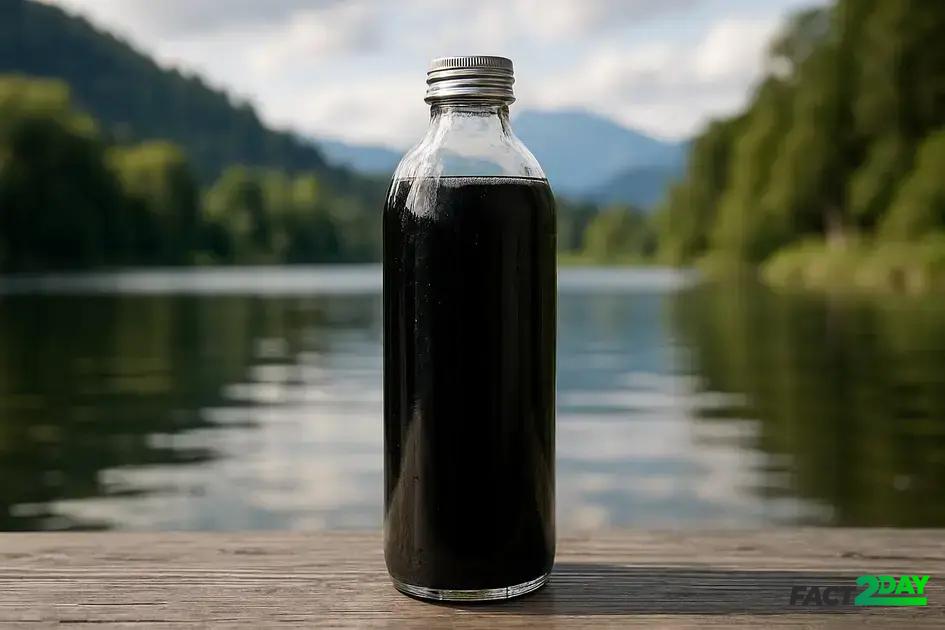
Black water is a mineral-rich drink distinguished by its dark color, caused by naturally dissolved minerals like iron and organic compounds from volcanic or peat-rich sources.
Have you ever wondered what exactly black water is? This mysterious mineral drink, with its striking dark appearance, invites curiosity and discovery. Let’s explore together what lies beneath its surface and why it’s gaining attention.
What is black water and its origin
Black water is a unique type of mineral water that stands out due to its deep, dark color. This rich hue typically comes from natural mineral deposits, such as iodine, carbon, and iron, which dissolve into the water as it moves through volcanic or mineral-rich soils. The origin of black water is often linked to regions with distinctive geological activity, such as volcanic areas or watersheds with high mineral content.
Many black water sources arise from springs underground, where the water filters through layers of rocks and minerals over many years. This natural filtration process not only enriches the water with minerals but also gives it the characteristic dark tint. For example, famous black water springs can be found in parts of Europe and Asia where volcanic activity has shaped the landscape.
Natural mineral influence on black water
The specific minerals that infuse black water can vary depending on the location. Common minerals include carbonates, sulfates, and trace elements like manganese and magnesium. These contribute to both the color and the unique taste profile, offering a slight earthiness or a subtle metallic flavor.
Because of these mineral components, black water has often been sought after for its potential health benefits, from aiding digestion to providing essential electrolytes. However, the concentration of minerals can differ widely between sources, which affects the water’s taste and appearance.
Overall, black water’s origin is closely tied to its environment, reflecting the natural interaction between water and earth, creating a mysterious yet fascinating mineral drink beloved by many.
The mineral composition that defines black water
Black water earns its distinctive color and unique properties from a complex blend of minerals and elements dissolved naturally in the water. Commonly found minerals include iron, manganese, calcium, magnesium, and sulfates. These contribute to the water’s taste, health benefits, and deep dark hue.
Key minerals in black water
Iron plays a significant role, often giving the water its signature dark tint through iron oxide compounds. Iron is essential for the body, helping with oxygen transport and energy metabolism.
Manganese is another important mineral present in smaller amounts. It supports bone health and metabolism. Together with iron, it adds a subtle earthy tone to the flavor.
Calcium and magnesium are vital electrolytes found in black water, contributing to heart and muscle function. These minerals enhance the water’s nutritional profile and are often sought after in mineral-rich waters.
Additional elements affecting quality and color
Sulfates found in black water can influence taste and serve as natural laxatives in higher amounts. Trace elements such as iodine, zinc, and potassium may also be present, depending on the water’s source.
The exact balance of these minerals varies by location, making every source of black water slightly different. This rich mineral composition not only impacts taste but also underpins many of the claimed health benefits, making black water a unique mineral drink.
How black water gets its distinctive dark color
The distinctive dark color of black water comes from natural substances dissolved in the mineral-rich water. One of the main contributors is the presence of high levels of minerals like iron and manganese, which can create dark hues when they oxidize. These minerals react with oxygen in the air or water, producing a deep black or dark brown tint.
Role of organic matter and minerals
In addition to minerals, organic compounds such as tannins and humic acid, released from decaying plant matter in the water’s natural environment, add to the black color. These organic substances are often found in waters flowing through peat-rich soils or dense forests, darkening the water further.
The combination of mineral oxidation and dissolved organic materials results in the signature black or dark shade of this natural drink. This process can vary depending on the water source and surrounding ecosystem, making each black water’s color unique.
It’s important to note that the dark color does not mean the water is unclean; rather, it indicates a high concentration of natural minerals and organic elements that give black water its unique identity and potential health benefits.
Historical uses and cultural significance
Black water has a rich history and cultural significance in several parts of the world, especially where natural mineral springs have been valued for centuries. In many cultures, black water was considered a healing elixir, believed to provide various health benefits due to its mineral content.
Traditional uses in medicine and wellness
Historically, black water was used in natural medicine practices. People drank it to aid digestion, detoxify the body, and treat ailments like joint pain and skin issues. The minerals were thought to boost vitality and support overall wellness.
In some cultures, black water springs became sacred places, attracting visitors for spiritual cleansing and relaxation. Bathing in or consuming black water was part of rituals aimed at enhancing physical and spiritual health.
Modern cultural appreciation
Today, black water continues to hold cultural value. It is often marketed as a premium health drink that connects consumers with natural traditions and ancient wellness practices. In regions where black water is sourced, local communities promote it as a symbol of natural purity and heritage.
Besides its health reputation, black water is also appreciated for its unique appearance and taste, making it a distinctive choice in the growing market for specialty mineral waters.
Health benefits and scientific insights
Black water is celebrated not just for its unique appearance but for the health benefits linked to its rich mineral content. Many people consume it to support hydration, improve digestion, and boost overall wellness.
Hydration and mineral replenishment
The minerals found in black water, such as magnesium and calcium, help replenish electrolytes lost through sweat. This makes it an excellent option for hydration after exercise or during hot weather.
Digestive and metabolic support
Some compounds in black water, like sulfates, may stimulate digestion by promoting bile production. Minerals like iron and manganese also play roles in energy metabolism and blood health.
While scientific research specifically focused on black water is limited, studies on mineral-rich waters suggest benefits such as improved gut function and enhanced nutrient absorption.
Antioxidants and natural compounds
Organic compounds from natural sources, including humic substances in black water, may have antioxidant effects. These molecules help neutralize free radicals in the body, potentially reducing inflammation and supporting cellular health.
It is important to choose black water products from reliable sources to ensure quality and avoid contamination.
Potential risks and considerations
Although black water offers many health benefits due to its mineral content, there are potential risks and considerations to keep in mind before making it a regular part of your diet.
Possible mineral overload
Because black water contains high levels of minerals like iron, manganese, and sulfates, overconsumption could lead to mineral imbalances. Excessive intake of certain minerals may cause issues such as digestive discomfort, nausea, or even more serious health concerns.
Source and purity concerns
It is essential to ensure that black water comes from a reliable and clean source. Contaminants or pollutants can sometimes be present if the water is not properly filtered or tested, posing health risks.
Interactions with medications
Some minerals in black water, like calcium and magnesium, might interact with specific medications. Anyone with kidney problems or on medication should consult a healthcare professional before consuming black water regularly.
Flavor and tolerance
The distinct taste caused by minerals and organic compounds may not suit everyone’s palate. New users should start with small amounts to assess tolerance.
Being aware of these risks helps you enjoy black water safely and make informed choices about your mineral water consumption.
Comparing black water with other mineral waters
Black water stands out among mineral waters due to its unique dark color and rich mineral content. While most mineral waters are clear and light-tasting, black water offers a distinct experience because of its mineral and organic composition.
Color and composition differences
Unlike typical mineral waters, black water contains higher levels of iron, manganese, and organic minerals like humic acid, which give it the characteristic dark hue. These minerals also influence its flavor, adding an earthy or slightly metallic taste that is uncommon in other bottled waters.
Health benefits compared to other mineral waters
Many mineral waters provide essential electrolytes like calcium and magnesium, but black water often contains a broader range of trace minerals and antioxidants from natural organic matter. This may offer additional health benefits such as improved digestion and antioxidant protection, although individual results can vary.
Taste and consumer preference
Some consumers prefer the mild taste of typical mineral waters, while others enjoy black water’s stronger, more complex flavor. The unique appearance and taste make it a niche product appreciated by those seeking a different hydration experience.
Both black water and other mineral waters share the goal of providing natural hydration enriched with minerals, but their distinct qualities cater to different tastes and health interests.
Where to find black water and how to choose it
Black water is sourced primarily from natural springs rich in minerals, often found in volcanic or peat-rich regions. These locations provide the unique environment necessary for the water to acquire its dark color and mineral profile.
Common sources of black water
Some well-known sources of black water include springs in parts of Europe, Asia, and the Americas where geological and organic conditions favor mineral absorption. These areas often promote black water as a specialty or premium product.
Choosing quality black water
When selecting black water, look for brands that clearly state their source and mineral content. Reliable products usually undergo rigorous testing to ensure purity and safety.
Packaging is also important; glass bottles can preserve the water’s taste and quality better than plastic. Check expiration dates and certifications to confirm authenticity.
Where to buy black water
Black water is increasingly available in specialty stores, health food shops, and online retailers. Buying from trusted sellers helps ensure you get genuine, clean mineral water.
By understanding where black water comes from and what to look for, you can enjoy its unique taste and benefits with confidence.
How to incorporate black water into your daily routine
Incorporating black water into your daily routine can be a refreshing way to boost hydration and get minerals naturally. Start by replacing your usual drinking water with black water a few times a day to experience its unique benefits.
Morning hydration
Begin your day with a glass of black water to help kickstart digestion and replenish minerals lost overnight. Its mineral content can also provide gentle energy support.
During meals
Drink black water with meals to aid digestion and improve nutrient absorption. The water’s natural sulfates may help stimulate digestive enzymes.
After exercise
Black water can help replenish electrolytes like magnesium and calcium lost through sweat. Having it after a workout supports muscle function and hydration.
Evening routine
Enjoying a glass of black water in the evening can promote relaxation and provide trace minerals that support your body’s overnight repair processes.
Remember to listen to your body and adjust the amount you drink. Starting slowly helps you get used to the taste and assess how black water fits into your lifestyle.
Environmental impact and sustainability of black water sources
Black water sources are natural mineral springs that require careful management to ensure sustainability and minimize environmental impact. Extracting water from these sources without harming ecosystems is essential to protect their unique qualities.
Protecting natural habitats
Many black water springs are located in sensitive ecological areas. Responsible sourcing means preserving surrounding flora and fauna and preventing pollution or habitat destruction.
Sustainable extraction practices
Water extraction should be regulated to prevent overuse, which can lower water tables and degrade spring quality. Many companies follow strict guidelines to balance commercial use with environmental protection.
Packaging considerations also play a role in sustainability. Using recyclable materials like glass bottles helps reduce plastic waste and lowers the environmental footprint of black water products.
Community involvement and conservation
Engaging local communities in conservation efforts and fair trade practices supports both the environment and the people who rely on these water sources.
Overall, sustainable practices ensure that black water remains a natural resource for future generations to enjoy.
Wrapping Up: Understanding Black Water
Black water is a fascinating mineral drink with unique properties derived from its rich mineral content and natural origin. Its distinctive dark color and taste set it apart from other mineral waters.
While black water offers potential health benefits, including hydration and mineral replenishment, it is important to choose products from trustworthy sources and consume it responsibly.
Sustainability and care for the environment play key roles in preserving these natural water sources for future generations. Exploring black water can be a great way to enjoy nature’s minerals and add variety to your hydration routine.