The World’s Silent Killers: How Global Pandemics Reshaped History
History of Global Pandemics unraveled: Explore how these silent killers transformed societies, reshaped economies, and altered human behavior forever.
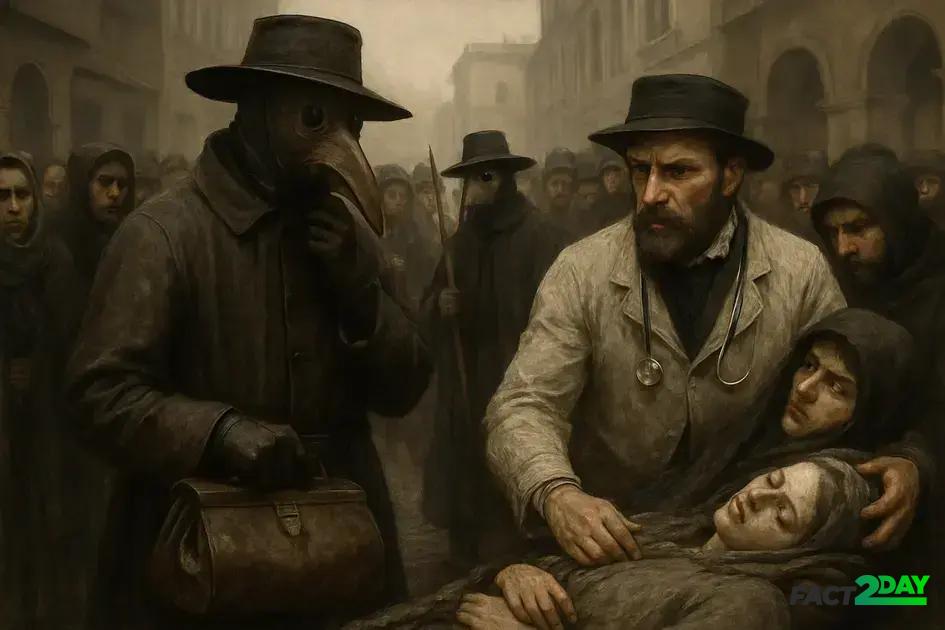
Global pandemics have shaped human history, driving social, economic, and technological changes, and teaching crucial lessons about public health, cooperation, and the resilience of societies.
Have you ever paused to consider how the history of global pandemics has silently but profoundly influenced the world we live in today? From drastically wiping out populations to reconfiguring entire economies, these events leave indelible marks that are worth exploring. Get ready to delve into the fascinating and, often, somber narrative of history’s most impactful silent killers.
Understanding the essence and significance of global pandemics
Global pandemics are widespread outbreaks of infectious diseases that transcend geographical borders, affecting multiple countries or continents simultaneously. They generate health, social, and economic challenges of unprecedented scale. Unlike localized epidemics, which are confined to specific regions, pandemics spread globally, fundamentally reshaping the very structure and function of societies. Consequently, their study is paramount.
These events have been powerful historical catalysts, exposing inherent fragilities in our public health systems and driving crucial advances in medicine and policy-making. Understanding the nature of pandemics implies recognizing how diseases can disseminate rapidly through trade, travel, and constant human interaction. Moreover, it highlights the intrinsic role of environmental and social factors in their emergence and progression.
The inevitable scale and impact
During a pandemic, illness strikes without distinction of nationality, social status, or economic background, disrupting the daily lives of millions and overwhelming healthcare systems. Its significance resides not only in the tragic immediate loss of life but also in the long-term repercussions on global economies, politics, and culture.
- Widespread illness: Pandemics cause illness on a global scale, affecting diverse populations indiscriminately.
- Healthcare system collapse: They often lead to the collapse or severe strain of healthcare infrastructures due to sudden patient surges.
- Economic disruption: Significant economic downturns, unemployment, and shifts in global markets are common.
- Social upheaval: Daily life is disrupted, leading to changes in social behaviors and community structures.
- Political instability: Governments face immense pressure, sometimes leading to political unrest or significant policy changes.
Why its study is crucial today
Studying the history and dynamics of global pandemics equips us to design more effective responses and accelerate vaccine development. Furthermore, it fosters robust international cooperation to mitigate future outbreaks. It serves as a stark reminder of the intrinsic interconnectedness of our world, underscoring the imperative need for coordinated and timely action to safeguard global public health.
- Enhanced preparedness: Historical data informs strategies for future outbreak prevention and management.
- Medical advancements: Lessons learned drive research and development in vaccines, treatments, and diagnostics.
- Policy development: Past responses shape current public health policies and international guidelines.
- Global collaboration: Pandemics highlight the necessity for nations to cooperate on health initiatives.
- Societal resilience: Understanding past struggles helps communities build greater resilience against future health crises.
Tracing the origins: early pandemics in human history
The earliest recorded pandemics in human history represent some of the first and most extensive outbreaks of infectious diseases. These events typically manifested in populations that were becoming increasingly urbanized and densely settled, where close physical proximity among people magnified the risk of contagion and rapid spread. The lack of sanitation and limited medical knowledge of the time made these outbreaks particularly devastating.
These initial pandemics starkly exposed the limits of medical knowledge and public health in antiquity. They forced communities to confront the terrifying reality that diseases could cross entire regions with astonishing speed, often transported along newly established trade routes and by marching armies, acting as vectors of unseen threats.
The plague of Justinian: a prelude to devastation
One of the earliest and most notorious pandemic episodes was the Plague of Justinian, which ravaged the Byzantine Empire and its adjacent territories in the 6th century. This devastating plague claimed millions of lives, profoundly and enduringly disrupting societies and economies across the Mediterranean basin. The sheer scale of death altered the course of history for centuries.
This particular outbreak demonstrated the destructive power of disease in pre-modern times, setting a grim precedent for future pandemics. It highlighted the vulnerability of even the most powerful empires to biological threats and underscored the interconnectedness of early global networks.
- Timeline: Occurred from 541 to 549 AD, with recurring waves for over two centuries.
- Affected regions: Primarily the Byzantine Empire, extending to Europe, Asia, and Africa.
- Estimated fatalities: Believed to have killed between 25 and 50 million people, possibly half of Europe’s population at the time.
- Causative agent: The bacterium Yersinia pestis, similar to the Black Death.
- Impact: Led to significant demographic decline, economic collapse, and contributed to the weakening of the Byzantine Empire.
The transformative impact of early pandemics
Beyond the immediate death toll, early pandemics fundamentally altered the course of human development. They were not just health crises; they were forces that reshaped the very fabric of society, forcing adaptation and revealing critical vulnerabilities.
These initial outbreaks often led to significant shifts in societal structures and resource distribution. They highlighted the nascent understanding of hygiene and public health, pushing communities to instinctively develop coping mechanisms, however rudimentary.
- Demographic shifts: Caused massive population reductions, leading to labor shortages and changes in social hierarchy.
- Economic restructuring: Disrupted trade routes, agricultural practices, and urban development.
- Technological limitations: Exposed the limitations of ancient medicine, with little to no effective treatments.
- Societal adaptation: Forced communities to develop early forms of quarantine and public health responses.
- Cultural impact: Influenced art, literature, and religious beliefs, often fostering apocalyptic views.
Their role in shaping ancient societies
The profound effects of early pandemics were deeply interwoven into the development of ancient civilizations. They played a significant role in determining the fate of empires, the movement of peoples, and the very structure of governance, leaving lasting legacies.
These diseases were not just biological phenomena; they were catalysts for political upheaval, economic reorientation, and social re-evaluation. Their influence was often indirect but immensely powerful, steering historical narratives in directions unforeseen.
- Migration patterns: Encouraged population movements as people fled affected areas.
- Military campaigns: Weakened armies and altered the outcomes of wars and conquests.
- Economic structures: Contributed to the decline of ancient economic systems and the rise of new ones.
- Urban development: Influenced city planning, often leading to better sanitation or segregation of living areas.
- Cultural evolution: Spurred changes in beliefs, rituals, and philosophical thought concerning life and death.
The black death: a cataclysm that redefined europe
The Black Death, which swept across Europe in the mid-14th century, is universally recognized as one of history’s deadliest pandemics. Caused by the bacterium Yersinia pestis, it spread with terrifying rapidity through fleas present on rats, decimating entire communities and forever altering the social, economic, and cultural landscape of the continent. Its impact was so profound that it took centuries for Europe to recover demographically.
This particular plague was a grim reminder of humanity’s vulnerability to disease, occurring at a time when cities were growing denser and trade routes were expanding, inadvertently facilitating its rapid spread. The collective trauma left an indelible mark on the psyche of European societies.
A social and economic impact of epic proportions
This pandemic annihilated approximately one-third to half of the European population, triggering an unprecedented labor shortage. The resulting demographic shock led to a fundamental restructuring of the economy, empowering surviving workers with newfound bargaining power and drastically weakening the feudal system, which had been the backbone of medieval society.
The scarcity of labor meant that serfs could demand wages or more favorable conditions, leading to social mobility that was unthinkable just decades prior. This shift laid some of the groundwork for modern economic structures.
- Massive depopulation: Estimates range from 75 to 200 million deaths globally, with Europe losing 30-50% of its population.
- Labor shortages: Led to a dramatic scarcity of agricultural and skilled labor.
- Wage increases: Surviving workers could demand higher wages and better conditions.
- Decline of feudalism: Weakened the power of landowners and accelerated the transition to paid labor.
- Economic stagnation: Trade suffered, and economic activity was severely disrupted in many regions.
Profound changes in culture and faith
Widespread fear and existential uncertainty led to profound transformations in religious beliefs and cultural practices. While many clung more fervently to spirituality or embraced superstition, believing the plague to be divine punishment, others experienced a crisis of faith in religious institutions that seemed powerless to stop the suffering.
This period also saw increased persecution of minority groups, who were often blamed for the plague, leading to waves of violence and social unrest. Art and literature of the time were heavily influenced by themes of death and morality, reflecting the pervasive despair.
- Crisis of faith: Doubts about the church’s authority and God’s mercy grew.
- Religious fervor: Some responded with extreme piety, flagellant movements, and mystical practices.
- Scapegoating: Jewish communities and other minorities were often blamed and persecuted.
- Artistic influence: Led to the development of “danse macabre” and other death-centric art forms.
- Education shifts: Universities and education saw changes as many clergy and scholars died.
Consequences that endure to this day
The Black Death, despite its horror, acted as a grim catalyst for change, accelerating the evolution of public health practices, medical understanding, and even artistic expression. It underscored the imperative need for better hygiene and initiated a profound shift in society’s perception of disease and mortality, paving the way for more scientific approaches in later centuries.
The long-term effects reverberated through demographics and social structures for generations. The pandemic essentially reset many aspects of European society, allowing for new ideas and systems to emerge.
- Public health awakening: Led to early urban sanitation efforts and quarantine measures.
- Medical advancements: Encouraged closer study of anatomy and disease, though progress was slow.
- Social mobility: Opened opportunities for social advancement for the surviving lower classes.
- Urbanization changes: Influenced city planning with greater attention to space and waste management.
- Linguistic shifts: Contributed to the decline of Latin and the rise of vernacular languages in administration and literature.
How smallpox was a key factor in the conquest of the new world
Smallpox played a decisively tragic role in the conquest of the New World. This deadly disease, brought unwittingly by European explorers and colonizers, spread fiercely among the indigenous populations. These communities had no prior exposure and, therefore, no natural immunity, leading to devastating and unprecedented mortality rates that profoundly weakened their ability to resist invasion.
The biological vulnerability of Native Americans to European diseases, particularly smallpox, is considered one of the most significant factors in the relatively rapid and devastating success of European colonization. It was a biological warfare that no one intentionally started, yet it had catastrophic consequences.
The devastating impact on indigenous communities
With the arrival of Europeans in the Americas, outbreaks of smallpox decimated indigenous peoples at an unimaginable scale. Communities entire were wiped out, not just reducing populations but also destroying complex social structures, leadership, and cultural knowledge, thereby drastically weakening their collective resistance to European colonization and irreversibly altering the demographic landscape of the continent.
This biological onslaught preceded or accompanied military conflicts, making indigenous resistance incredibly difficult against a foe often believed to be divinely protected due to their apparent immunity.
- High mortality rates: Up to 90% of some indigenous populations were killed by smallpox.
- Societal collapse: Led to the breakdown of social, political, and economic structures.
- Loss of knowledge: Elder deaths resulted in the irreversible loss of cultural history and traditional skills.
- Weakened resistance: Decimated populations were less able to defend against European invaders.
- Psychological trauma: Induced widespread fear, despair, and a sense of divine abandonment.
Its role in European expansion
The rapid dissemination of smallpox across the Americas, often preceding European military expeditions, indirectly but powerfully benefited the European powers. By drastically reducing the native population and disorganizing their social structures, the disease effectively paved the way for easier conquest. This biological factor became a silent, yet incredibly effective, ally in the efforts of Spain and other nations to conquer vast territories.
The demographic vacuum created by smallpox facilitated European settlement and the establishment of new colonial societies, fundamentally altering the trajectory of both continents.
- Reduced opposition: Significantly decreased the number of potential fighters against European forces.
- Psychological advantage: Europeans appeared immune, contributing to the perception of their superiority.
- Land availability: Emptied vast territories, making them easier for European settlement and resource exploitation.
- Disruption of alliances: Broke down indigenous alliances and communication networks.
- Acceleration of conquest: Enabled quicker and less costly European military victories.
Effects that resonate through the centuries
The introduction of smallpox modified the course of history, not just for the Americas but globally, accelerating colonization and completely transforming New World societies. It underscored the profound and often tragic consequences of disease exchanges between populations that had remained isolated for millennia, highlighting the biological consequences of global connectivity.
The long-term effects included fundamental changes in land use, demographics, and the subsequent racial and social hierarchies that characterized colonial societies.
- Colonial dominance: Permanently cemented European control over the Americas.
- Demographic shift: Led to the introduction of African slaves to fill labor gaps.
- Cultural loss: Accelerated the destruction and assimilation of indigenous cultures.
- Environmental impact: Enabled large-scale European agricultural practices and resource extraction.
- Immunological lessons: Provided early, albeit tragic, insights into immunology and population vulnerability.
The spanish flu: the dawn of the modern pandemic era
The Spanish Flu of 1918-1919 stands as one of the deadliest pandemics in modern history, infecting an estimated one-third of the world’s population. It marked a crucial turning point in our understanding of how quickly diseases can spread globally in an increasingly interconnected world, shaped by modern transportation and global conflict. Its widespread impact profoundly influenced the nascent field of public health.
This particular pandemic occurred at a unique historical moment, coinciding with the end of World War I, which played a significant role in its rapid dissemination. The global movement of troops and civilians created ideal conditions for the virus to travel across continents with unprecedented speed.
Unprecedented global spread
Unlike earlier pandemics, the Spanish Flu spread with astonishing rapidity due to increased global travel and troop movements during World War I. This allowed the virus to reach distant countries in a matter of weeks, or even days, overwhelming local health services and infrastructure. The speed of its propagation was a new challenge for public health officials.
The lack of effective treatments or vaccines meant that non-pharmaceutical interventions like quarantine and public hygiene were the primary tools available, but their implementation was often inconsistent and late.
- WWI catalyst: Mass movement of soldiers across continents facilitated rapid spread.
- Global reach: Infected an estimated 500 million people worldwide.
- High mortality: Killed an estimated 50 to 100 million people globally, making it one of history’s deadliest.
- Multiple waves: Characterized by distinct waves, with the second wave being the most lethal.
- Lack of immunity: Affected a broad range of age groups, including young, healthy adults.
Impact on society and healthcare systems
The pandemic collapsed healthcare systems, creating a critical shortage of medical personnel and facilities. Hospitals were overwhelmed, and medical supplies were scarce. In response, public health measures, innovative for the time, such as mask-wearing, quarantines, and social distancing, were implemented in an effort to contain the spread, demonstrating early attempts at organized public health responses.
This period also saw a significant strain on social services and infrastructure, as communities struggled to cope with the sheer volume of illness and death, often leading to temporary disruptions of daily life.
- Overwhelmed hospitals: Healthcare facilities struggled with patient numbers and resource shortages.
- Medical personnel strain: Doctors and nurses became ill, exacerbating staff shortages.
- Public health measures: Led to early adoption of masks, quarantines, and public awareness campaigns.
- Economic disruption: Businesses closed, and industries faced severe labor losses.
- Social services strain: Burial services, transportation, and public utilities were heavily impacted.
A legacy of lessons learned
The Spanish Flu spurred fundamental advances in epidemiology, vaccine development, and public health policy. It profoundly shaped the modern response to pandemics, emphasizing the critical importance of global cooperation, robust surveillance systems, and proactive preparedness. Its legacy is etched into the very foundation of international health organizations.
The experience of 1918 served as a stark lesson, demonstrating the need for coordinated action and scientific understanding in the face of widespread disease.
- Epidemiological understanding: Boosted the study of disease spread and viral behavior.
- Public health policy: Influenced the establishment and strengthening of public health agencies.
- Vaccine research: Spurred efforts in influenza vaccine development, though an effective vaccine came later.
- International cooperation: Highlighted the need for global data sharing and collaborative efforts.
- Preparedness planning: Laid groundwork for future pandemic response plans and strategies.
Challenges historical faced during global pandemics
Throughout history, global pandemics have presented countless challenges to societies worldwide. One of the most persistent struggles has always been the rapid propagation of diseases in a context of limited scientific understanding of their transmission and effective treatment. These challenges tested the limits of human resilience and organizational capacity, often leading to widespread chaos and suffering.
Understanding these historical hurdles provides invaluable context for contemporary public health efforts. It underscores that while specific diseases change, many underlying challenges to collective action and scientific advancement remain constant across centuries.
Scarce medical knowledge and resources
Early pandemics occurred in an era when medical science was in its infancy. Without effective treatments, vaccines, or antibiotics, healthcare professionals had very limited tools to combat outbreaks, which often resulted in extremely high mortality rates. This scarcity of knowledge and resources meant that comfort care was often the best that could be offered, making disease outbreaks particularly terrifying.
The absence of a scientific understanding of pathogens meant that prevention strategies were often based on superstition or ineffective traditional remedies, rather than evidence.
- Lack of pathogen understanding: Limited knowledge of bacteria and viruses hindered effective response.
- Absence of vaccines: No prophylactic measures to prevent widespread infection.
- Ineffective treatments: Medical interventions were often rudimentary or harmful.
- Limited hospital capacity: Healthcare infrastructure was insufficient to handle patient surges.
- Scarcity of trained personnel: Few doctors or nurses were available, and they often lacked specific training.
Poor communication and rampant misinformation
In many cases, the lack of reliable information generated confusion and paralyzing fear. Rumors, erroneous beliefs, and rampant misinformation often spread faster than the disease itself, leading to panic, social unrest, stigmatization, and sometimes violence against minority groups. This confusion exponentially complicated efforts to control diseases, as public trust in authorities eroded.
The challenge of communicating accurate information quickly and effectively, especially before mass media, was a consistent obstacle to organized public health responses.
- Slow information dissemination: News traveled slowly, delaying informed public response.
- Spread of rumors: Unverified information created widespread panic and false cures.
- Public distrust: Inconsistent or incorrect official messages led to skepticism towards authorities.
- Stigmatization: Certain groups or individuals were unfairly blamed and ostracized.
- Language barriers: In diverse populations, effective communication was further hampered.
Profound social and economic disruptions
Historically, pandemics have paralyzed trade, closed markets, and caused massive unemployment. The imposition of quarantines and travel restrictions, while often necessary to slow the spread, intensified economic hardships and exacerbated pre-existing inequalities within and between nations. The disruption to daily life was immense, affecting every segment of society.
These economic and social shocks often led to long-term societal changes, including shifts in labor dynamics and resource allocation, as communities struggled to rebuild.
- Trade collapse: Restrictions on movement halted commerce, leading to shortages.
- Agricultural disruption: Labor shortages impacted food production and supply chains.
- Mass unemployment: Businesses closed, leading to widespread job losses.
- Increased poverty: Economic hardship disproportionately affected vulnerable populations.
- Educational setbacks: Schools closed, disrupting learning for extended periods.
Difficulties in implementing public health measures
The application of public health policies, such as mandatory isolation and improved hygiene, was consistently complicated by limited infrastructure and significant public resistance. Compliance was often inconsistent, and many communities, particularly rural or impoverished ones, lacked basic access to clean water and sanitation, making effective prevention nearly impossible.
The sheer scale of implementing widespread measures across diverse populations presented logistical nightmares and often faced cultural or social barriers to acceptance.
- Logistical challenges: Difficulty in implementing large-scale quarantines and sanitation projects.
- Public resistance: Opposition to restrictions due to personal freedom or economic impact.
- Infrastructure deficits: Lack of clean water, sewage systems, and proper waste disposal.
- Enforcement issues: Inconsistent application of laws and regulations across regions.
- Cultural barriers: Traditional practices sometimes conflicted with public health recommendations.
The disproportionate impact on vulnerable populations
Consistently, marginalized and impoverished groups were the most severely affected during pandemics. Their precarious living conditions, inadequate access to healthcare, and social exclusion made it extremely difficult for these populations to survive and recover. Pandemics often exposed and deepened existing social inequalities, leaving the most vulnerable with fewer resources and greater risks.
This disparity in impact is a recurring theme throughout history, underscoring the social determinants of health and the need for equitable public health strategies.
- Higher infection rates: Densely populated, unsanitary living conditions fostered faster spread.
- Limited healthcare access: Lack of funds or proximity to medical facilities.
- Economic vulnerability: Less savings, fewer safety nets, and unstable employment.
- Social exclusion: Often neglected by public health campaigns or resource distribution.
- Pre-existing health conditions: Higher rates of malnutrition or chronic illness increased mortality risk.
The transformative role of medical advancements in pandemic control
Medical advancements have played a crucial and irreplaceable role in controlling pandemics throughout history. From the rudimentary but effective practices of quarantine to the sophisticated marvels of modern vaccines, innovations in medicine have been fundamental in reducing the spread and mitigating the impact of deadly diseases. These strides represent humanity’s persistent fight against unseen adversaries.
Each major pandemic has, in turn, spurred new waves of scientific inquiry and technological development, creating a virtuous cycle of challenge and innovation. The learning curve has been steep, but the cumulative progress is undeniable.
The development of life-saving vaccines and treatments
The invention of vaccines, such as those for smallpox and, later, influenza, revolutionized pandemic control by conferring immunity to large segments of the population. Furthermore, the discovery and application of antibiotics and antiviral drugs have dramatically improved treatment options, drastically decreasing mortality rates for bacterial and viral infections alike. These breakthroughs have truly changed the landscape of public health.
The ability to prevent disease through vaccination or to effectively treat it once contracted represents a monumental leap from earlier periods when prayer and palliative care were often the only recourse.
- Vaccines: Provided immunity, drastically reducing incidence and severity of diseases (e.g., smallpox, polio, measles).
- Antibiotics: Revolutionized treatment for bacterial infections, a major cause of death in historical pandemics.
- Antivirals: Developed to target specific viruses, limiting their replication and impact (e.g., HIV, influenza, COVID-19).
- Immunotherapies: Emerging treatments that harness the body’s own immune system to fight disease.
- Symptomatic care: Improved supportive care (fluids, pain relief, respiratory support) significantly reduces mortality.
Increasingly sophisticated diagnostic tools
Faster and more accurate diagnostic methods have enabled earlier identification of diseases, which is paramount for effective control. Early detection is not just about identifying a case; it’s the key to initiating swift isolation, implementing comprehensive contact tracing, and preventing widespread outbreaks by breaking chains of transmission. The evolution from visual assessment to molecular testing represents a revolution.
The ability to quickly and reliably diagnose a disease allows public health authorities to understand the scope of an outbreak, allocate resources effectively, and implement targeted interventions.
- Microscopy: Early identification of pathogens (bacteria, parasites).
- Culture techniques: Growing microbes to identify and test for drug sensitivity.
- Serological tests: Detecting antibodies or antigens to identify past or current infections.
- Molecular tests (PCR, genomics): Highly accurate and rapid detection of viral/bacterial genetic material.
- Rapid diagnostic tests (RDTs): Point-of-care tests offering quick results for faster decision-making.
Transcendental advances in sanitation and hygiene
Beyond direct medical interventions, improved public sanitation, universal access to clean water, and the systematic promotion of hygiene practices have significantly reduced the spread of infectious agents during numerous pandemics. These foundational public health measures, often taken for granted today, were once revolutionary in preventing disease.
The understanding that disease could be prevented by controlling the environment and personal habits was a critical shift, complementing medical treatments and reducing the overall burden of illness.
- Clean water systems: Public water purification and distribution drastically reduced waterborne diseases.
- Sewage systems: Proper waste disposal prevented spread of fecal-oral pathogens.
- Handwashing campaigns: Simple yet effective public health messages reduced contact transmission.
- Food safety regulations: Ensured safer food handling and preparation.
- Waste management: Organized disposal of refuse decreased disease vector breeding grounds.
The vital role of technology and data in the digital age
Modern technology enables real-time monitoring of disease outbreaks, facilitating rapid data collection and analysis. Furthermore, it significantly eases global communication among health organizations, researchers, and policymakers. This unprecedented level of coordination allows for rapid responses, efficient resource allocation, and the dissemination of critical information on a global scale.
The digital revolution has transformed public health surveillance, allowing for dynamic tracking of disease spread, modeling of potential scenarios, and swift adaptation of strategies.
- Real-time surveillance: Digital platforms track cases, hospitalizations, and deaths globally.
- Genomic sequencing: Identifies new variants and tracks their evolution.
- Big data analysis: Processes vast amounts of health data to identify patterns and predict outbreaks.
- Telemedicine: Provides remote healthcare, reducing clinic visits and potential exposure.
- Global communication networks: Facilitate rapid sharing of research, guidelines, and warnings.
Persistent challenges and ongoing research
Despite all the progress made, new diseases and variants continue to emerge, presenting persistent and evolving challenges. This continuous biological arms race necessitates constant and vigorous medical research to develop effective vaccines and treatments specifically tailored to these new threats. The fight against pandemics is, therefore, an ongoing endeavor that demands vigilance and innovation.
The dynamic nature of pathogens means that scientific effort can never cease; there is a constant need for adaptation and discovery to stay ahead of new diseases.
- Antimicrobial resistance: Growing threat of drug-resistant bacteria and viruses.
- Emergence of novel pathogens: New diseases (e.g., SARS, MERS, COVID-19) require rapid response.
- Vaccine hesitancy: Challenges in achieving high vaccination rates due to public mistrust.
- Equitable access: Ensuring fair distribution of medical innovations globally remains a hurdle.
- Funding gaps: Insufficient and inconsistent investment in pandemic preparedness and research.
Historical strategies societies have used to cope with pandemics
Throughout history, societies have implemented various strategies to cope with pandemics, often learning through trial and error. These measures, born out of necessity and evolving understanding, were designed to slow the spread of disease, protect public health, and maintain social order in times of crisis. They reflect the ingenuity and adaptability of human communities in the face of existential threats.
The effectiveness of these strategies varied greatly depending on the scientific knowledge, resources, and social structures of the time. However, many foundational approaches remain relevant even today.
Quarantines and isolation: ancestral containment measures
One of the oldest and most consistently effective strategies has been the use of quarantines, where affected individuals or entire communities are separated to prevent further transmission. Isolation of the sick, in particular, helped significantly reduce infection rates by breaking chains of contagion before scientific understanding of germs was fully developed. This measure, though often harsh, was a recognized method to protect the healthy population.
The concept of “forty days” (quaranta giorni) for ships to wait before docking, originating in Venice during the Black Death, illustrates the early institutionalization of this practice.
- Individual isolation: Separating sick individuals from healthy ones.
- Household quarantine: Confining entire households where a case was identified.
- City/region lockdowns: Restricting movement in and out of affected geographical areas.
- Maritime quarantine: Holding ships at anchor before passengers and cargo could disembark.
- Disease-specific protocols: Tailoring isolation periods and methods to particular diseases.
Public health campaigns and education
As understanding of disease transmission grew, governments and nascent health organizations launched educational campaigns to promote hygiene practices such as handwashing, mask-wearing, and proper waste disposal. The dissemination of accurate information was crucial to counter misinformation and calm public fears, empowering individuals to take preventative action.
These campaigns were vital in fostering public cooperation and shifting societal norms towards practices that reduced disease transmission, often relying on early forms of mass communication.
- Hygiene promotion: Encouraging practices like handwashing and personal cleanliness.
- Mask advocacy: Promoting face coverings to reduce respiratory droplet transmission.
- Informational posters/leaflets: Spreading simple, clear messages to the public.
- Public service announcements: Using radio, newspapers, and later TV to inform.
- Community health workers: Engaging local leaders to educate and build trust.
Social distancing and confinements
Limiting large gatherings, closing schools, restricting non-essential movement, and even implementing full lockdowns were common responses designed to reduce physical contact between people. These measures aimed to flatten the curve of infection, thereby preserving healthcare system capacity and slowing the overall spread of the disease by reducing opportunities for transmission.
While disruptive, these interventions have repeatedly proven effective in reducing the pace of an epidemic when implemented swiftly and broadly, despite the significant social and economic costs.
- School closures: Reduced transmission among children and within families.
- Event cancellations: Banned large public gatherings, sports events, and concerts.
- Work-from-home mandates: Encouraged remote work to reduce workplace contact.
- Travel restrictions: Limited movement between cities, regions, or countries.
- Lockdowns/shelter-in-place: Mandated staying home to minimize all non-essential contact.
Strengthening the healthcare system
A critical and continuous strategy has been the effort to strengthen the healthcare system. This includes increasing hospital capacity, training and deploying more medical staff, and ensuring the availability of essential medical supplies like ventilators, personal protective equipment (PPE), and medications. These actions were key to managing patient care effectively during surges and preventing system collapse.
The lessons from past pandemics often highlighted the dire consequences of an unprepared or under-resourced healthcare sector, prompting subsequent reforms and investments.
- Hospital expansion: Building temporary facilities or converting existing spaces.
- Medical personnel recruitment: Training and deploying additional doctors, nurses, and support staff.
- Supply chain management: Ensuring adequate stock of PPE, medicines, and medical equipment.
- Testing capacity: Scaling up diagnostic capabilities to quickly identify cases.
- Research funding: Investing in scientific research for vaccines and treatments.
Community and economic support
Beyond direct health measures, societies also implemented strategies to mitigate the broader societal impacts, particularly the economic hardships. Providing food aid, financial assistance, and social services helped vulnerable groups withstand the economic fallout caused by pandemics and related restrictions. These support systems were crucial for maintaining social cohesion and preventing wider societal breakdown.
Recognizing that a healthy society requires more than just medical interventions, governments and charitable organizations often stepped in to provide a safety net.
- Food aid programs: Distributing food to those in need, especially during lockdowns.
- Financial assistance: Unemployment benefits, rent relief, or direct payments to affected individuals.
- Mental health services: Providing support for anxiety, depression, and trauma.
- Social safety nets: Strengthening welfare programs to protect the most vulnerable.
- Business support: Loans or subsidies to help businesses survive economic downturns.
Profound emotional and social effects of living through a pandemic
Experiencing a pandemic invariably brings with it profound emotional and social effects on both individuals and communities. The pervasive presence of fear and uncertainty becomes a constant companion, deeply impacting mental health and disrupting daily life in unexpected and far-reaching ways. These effects often linger long after the immediate health crisis has subsided, reshaping societal norms and individual psyches.
The collective trauma and disruption necessitate significant adaptation, testing the resilience of both individuals and the social fabric itself. Understanding these impacts is crucial for holistic recovery and future preparedness.
Widespread emotional impact
Many people experience heightened levels of anxiety, depression, stress, and grief due to the existential threat of illness, the loss of loved ones, and the profound changes to their daily routines. The imposition of isolation and quarantine, while necessary, can further exacerbate feelings of loneliness, helplessness, and a diminished sense of purpose. These emotional tolls are often invisible but deeply debilitating.
The prolonged state of alert and uncertainty wears down psychological defenses, making individuals more susceptible to mental health challenges.
- Anxiety and fear: Constant worry about illness, death, and an uncertain future.
- Depression: Feelings of sadness, hopelessness, and loss of interest in activities.
- Grief and bereavement: Dealing with the loss of loved ones, often under restrictive circumstances.
- Stress and burnout: Especially among frontline workers and those managing multiple responsibilities.
- Trauma: Long-term psychological effects from experiencing severe illness or witnessing widespread suffering.
Transformation of social interactions
Pandemics often disrupt normal social activities, forcing people to avoid gatherings and limit physical contact, which are fundamental to human connection. This shift in behavior can weaken social bonds, erode community spirit, and alter the very nature of interpersonal relationships, leading to increased feelings of isolation despite living in a connected world.
The reliance on virtual interactions replaces, but does not fully replicate, the richness of in-person social engagement, affecting communication skills and social dynamics.
- Increased isolation: Quarantines and lockdowns reduce physical interaction, leading to loneliness.
- Shifts in communication: Greater reliance on digital platforms for social connection.
- Changes in social norms: New etiquette around personal space, greetings, and public behavior.
- Weakened community bonds: Reduced participation in community events and local gatherings.
- Family stress: Increased pressure within households due to close confinement or loss.
Stigma and discrimination: a lingering shadow
The fear of disease can sadly lead to the stigmatization of infected individuals or certain groups perceived to be associated with the illness. This often results in social exclusion, discrimination, and heightened tension within communities, making recovery and response efforts significantly more difficult by eroding trust and cooperation. Historical precedents show this is a recurring and unfortunate side effect of epidemics.
Blame and scapegoating can create deep divisions and undermine efforts to unite against a common biological threat.
- Blame and prejudice: Targeting specific ethnic groups or communities for disease origin or spread.
- Social ostracization: Avoiding or shunning individuals who have been infected or are perceived as carriers.
- Workplace discrimination: Fear leading to job loss or discrimination against those recovering from illness.
- Public shaming: Harassment or criticism of individuals not conforming to health guidelines.
- Mental health impact: Stigma exacerbates psychological distress for those targeted.
Adaptation and the inherent resilience of the human spirit
Despite these immense challenges, communities consistently find ways to adapt, innovate, and rebuild. This inherent resilience is often manifested through the development of new communication methods, the creation of robust support networks, and shared experiences that foster solidarity, hope, and collective action. The human spirit, in times of crisis, often reveals its remarkable capacity for endurance and mutual aid.
These periods, though difficult, can also be times of profound growth and a re-evaluation of what truly matters, leading to stronger, more connected communities.
- Innovation in connection: Development of new ways to stay connected (e.g., virtual gatherings).
- Mutual aid networks: Communities organizing to support vulnerable members.
- Increased empathy: Shared suffering often fosters greater understanding and compassion.
- Growth of digital literacy: Accelerated adoption of technology for work, education, and social life.
- Re-evaluation of values: A collective shift towards prioritizing health, family, and community well-being.
Invaluable lessons learned from past pandemics for today’s world
Past pandemics have bestowed upon us valuable lessons that serve as indispensable guides for contemporary responses to global health crises. Understanding these teachings is fundamental to improving prevention, preparedness, and management of future outbreaks, ensuring that history’s tragic repetitions are minimized. The insights gained are not just academic; they are vital blueprints for survival.
These lessons highlight both the consistent challenges humanity faces and the evolving tools and strategies we develop to overcome them, emphasizing the importance of a proactive and collaborative approach.
The critical importance of early detection
Rapid identification of outbreaks is paramount. Historical failures in early detection allowed diseases to spread uncontrollably, underscoring the absolute need for robust and efficient surveillance systems that can spot emerging threats at their earliest stages. A delay in detection can mean the difference between containment and widespread catastrophe.
This lesson has driven significant investment in global health intelligence and monitoring capabilities, recognizing that speed is of the essence.
- Early warning systems: Global networks for reporting unusual disease patterns.
- Robust testing infrastructure: Capacity for widespread and rapid diagnostic testing.
- Genomic surveillance: Tracking pathogen evolution to identify new variants swiftly.
- Data sharing: International cooperation for real-time exchange of epidemiological data.
- Community engagement: Empowering local health workers to identify and report early cases.
Effective communication: a pillar of public trust
Clear, accurate, and transparent communication from public health authorities and governments is absolutely essential for building and maintaining public trust. History consistently shows that misinformation and inconsistent messaging exacerbate pandemics by generating panic, fostering distrust, and fueling resistance to vital health measures. Trust is the currency of public health.
A unified and consistent narrative, delivered by credible sources, helps to ensure compliance with public health directives and promotes collective action.
- Transparency: Openly sharing data and scientific findings with the public.
- Consistency: Delivering unified messages from all levels of authority.
- Clarity: Using plain language to explain complex health information.
- Credibility: Relying on scientific experts and trusted public figures.
- Countering misinformation: Actively addressing and debunking false narratives.
Indispensable global cooperation
Pandemics do not respect borders, making international collaboration not merely beneficial, but absolutely crucial. Sharing data, resources, expertise, and strategies has proven to be the key to effectively controlling outbreaks. No single nation can tackle a global health crisis alone; collective action multiplies impact.
The establishment of international health organizations and treaties underscores the recognition that health security is a shared responsibility, requiring a coordinated global front.
- Resource sharing: Distributing vaccines, PPE, and medical supplies globally.
- Data exchange: Sharing epidemiological and genomic data for rapid analysis.
- Joint research: Collaborative efforts in vaccine and drug development.
- Policy coordination: Harmonizing travel restrictions and public health guidelines.
- International aid: Providing support to countries with weaker health systems.
Strategic investment in robust health systems
Strong healthcare systems, characterized by adequate staffing, sufficient hospital capacity, and reliable supplies, are better equipped to handle sudden surges in patient numbers during a pandemic. Past pandemics consistently expose weaknesses in underfunded or fragmented health systems, underscoring that sustained investment is absolutely vital to save lives and prevent societal collapse during a crisis.
A well-prepared health infrastructure is a national security asset, capable of both routine care and rapid emergency response.
- Increased funding: Sustained investment in public health infrastructure.
- Staff training: Ensuring a well-trained and sufficient healthcare workforce.
- Hospital bed capacity: Maintaining surge capacity for epidemics.
- Emergency stockpiles: Maintaining reserves of PPE, ventilators, and medications.
- Primary care strengthening: Enhancing community-level health services for early intervention.
Public health infrastructure: the foundation of protection
Robust public health measures — such as widespread vaccination programs, active hygiene promotion, effective contact tracing, and clear quarantine protocols — are proven tools for effectively managing disease spread. These fundamental components of public health infrastructure, when properly funded and implemented, form the first and most critical line of defense against infectious diseases.
A strong public health system actively works to prevent disease, detect outbreaks early, and respond decisively, protecting the population’s collective well-being.
- Vaccination programs: Achieving high population immunity to prevent outbreaks.
- Hygiene promotion: Ongoing public education on practices like handwashing.
- Contact tracing: Rapidly identifying and informing those exposed to infected individuals.
- Quarantine protocols: Clear and enforceable guidelines for isolation.
- Environmental health: Ensuring safe water, sanitation, and clean air.
How pandemics accelerated technological and social changes
Pandemics have historically acted as powerful catalysts for technological and social change. The urgent and pervasive need to control disease spread and maintain societal function in times of crisis has invariably driven innovation and profoundly transformed daily life. These periods of intense pressure often compress decades of normal progress into mere years, sparking creativity and adaptation.
From the redesign of cities to the development of new communication methods, the societal response to pandemics has left an indelible mark on how we live, work, and interact.
Revolutionary advances in medical technology
During pandemics, the rapid development of vaccines, diagnostic tools, and treatments often accelerates at an unprecedented pace. For example, the demand for better sanitation led to inventions like improved sterilization methods and the widespread adoption of personal protective equipment (PPE). The urgency of the crisis drives focused scientific effort and investment.
These periods of concentrated innovation often yield breakthroughs that benefit public health long after the immediate crisis has passed, fundamentally altering medical practice.
- Vaccine development: Accelerated research and production of immunizations.
- Diagnostic testing: Rapid innovation in point-of-care and molecular diagnostics.
- Therapeutic interventions: Expedited research for antiviral drugs and other treatments.
- Medical equipment: Increased production and innovation of ventilators, monitors, and PPE.
- Data analytics in medicine: Advanced use of data for tracking, modeling, and resource allocation.
The unstoppable rise of communication technologies
To combat the isolation imposed by public health measures and to coordinate responses, societies have consistently turned to new and emerging forms of communication. Past pandemics, for instance, significantly boosted the importance and use of postal services and later the telegraph. More recently, they have dramatically accelerated the adoption of digital communication tools and telemedicine, fundamentally reshaping how we connect.
These technological shifts were driven by the need to maintain social connections, continue work and education remotely, and disseminate vital information, transforming communication infrastructure.
- Telemedicine: Rapid expansion of remote medical consultations and monitoring.
- Video conferencing: Widespread adoption for work, education, and social interaction.
- Internet and broadband expansion: Increased demand for reliable digital connectivity.
- Social media’s role: Used for information dissemination, community building, and sometimes misinformation.
- Digital education platforms: Schools and universities shifted rapidly to online learning.
Significant shifts in social behavior
Public health measures implemented during pandemics, such as social distancing, mask-wearing, and hygiene protocols, often altered fundamental norms around personal space, physical greetings, and public interaction. These new behaviors, initially mandated, often become ingrained, influencing cultural practices and expectations long after the immediate threat subsides.
The collective experience of a pandemic can lead to a re-evaluation of social priorities and a greater emphasis on community well-being and collective responsibility.
- Altered greetings: Shift from handshakes/hugs to non-contact greetings.
- Increased hygiene awareness: Greater emphasis on handwashing and cleanliness.
- Personal space changes: Increased awareness and preference for greater physical distance in public.
- Remote work acceptance: Normalization of working from home for many professions.
- Community solidarity: Increased volunteerism and local support networks in crisis.
Profound economic transformations
Pandemics often trigger significant and sometimes permanent transformations in labor markets, consumption patterns, and global supply chains. In some cases, they have accelerated existing trends, such as the shift towards remote work, and prompted the automation of processes to reduce human contact in industries. The economic landscape is frequently reshaped by the need for resilience and adaptation.
These disruptions can lead to the decline of certain industries, the rise of others, and fundamental changes in how goods and services are produced and delivered.
- Remote work acceleration: Rapid shift towards telecommuting for millions.
- E-commerce boom: Increased reliance on online shopping and delivery services.
- Automation: Increased investment in robotics and AI to reduce human contact in manufacturing/services.
- Supply chain re-evaluation: Efforts to localize or diversify supply chains for resilience.
- Gig economy growth: Increased flexibility for workers and businesses in certain sectors.
Urban planning and integrated public health
The historical need for healthier living environments, especially after devastating outbreaks, significantly influenced urban planning and design. This led to promoting better ventilation in buildings, investing in advanced sanitation infrastructure (like sewage systems), and creating more green spaces to improve public well-being and reduce the spread of disease within cities. Lessons from past plagues literally reshaped our cities.
This integration of health considerations into urban design continues to evolve, emphasizing cities as environments that either foster or hinder public health.
- Improved sanitation: Development of modern sewage and waste management systems.
- Urban green spaces: Creation of parks and public gardens for health and recreation.
- Ventilation standards: New building codes emphasizing fresh air and airflow.
- Zoning laws: Segregation of residential and industrial areas for public health.
- Public hygiene infrastructure: Installation of public fountains, baths, and waste disposal.
The importance of strong public health policies post-pandemic
Public health policies enacted and reinforced after pandemics are of vital importance for preventing future outbreaks and protecting communities from subsequent health crises. These policies go beyond immediate emergency response; they strategically strengthen healthcare systems, foster resilient public health infrastructures, and promote healthier individual and collective behaviors overall. They represent a long-term commitment to societal well-being.
The post-pandemic period is a critical window for learning and implementing systemic changes that can safeguard populations against future threats, building a legacy of preparedness from past suffering.
Strengthening healthcare infrastructure
Investing proactively and strategically in hospitals, laboratories, and the training of medical staffing ensures that healthcare systems can effectively handle sudden surges in patient volume during future outbreaks. This includes not just physical capacity but also the organizational resilience required to adapt quickly to new challenges.
A robust healthcare infrastructure acts as a vital shield, absorbing the shock of a health crisis without collapsing.
- Hospital capacity expansion: Funding for more beds, ICUs, and emergency facilities.
- Laboratory network enhancement: Investing in diagnostic capabilities and research facilities.
- Healthcare workforce development: Training more doctors, nurses, epidemiologists, and public health specialists.
- Supply chain resilience: Ensuring robust and diverse sources for critical medical supplies.
- Digital health integration: Implementing electronic health records and telehealth infrastructure.
Improved disease surveillance
Effective monitoring and reporting systems are paramount for detecting infectious diseases early, often before they become widespread. This early detection capability allows for rapid responses to emerging threats, enabling authorities to implement containment measures promptly and prevent smaller outbreaks from escalating into larger epidemics or pandemics. Vigilance is the first line of defense.
Modern surveillance combines traditional reporting with cutting-edge data analytics and genomic sequencing to identify and track pathogens efficiently.
- Global surveillance networks: International cooperation for real-time disease monitoring.
- Early warning indicators: Tracking syndromic data, wastewater, and animal health for potential threats.
- Enhanced contact tracing: Developing efficient systems to track and notify exposed individuals.
- Data analytics: Using AI and machine learning to identify patterns and predict outbreaks.
- Pathogen sequencing: Rapid genetic analysis to understand disease origin and evolution.
Promotion of extensive vaccination programs
Mandatory and voluntary vaccination efforts are powerful tools that build herd immunity within a population, significantly reducing the risk of widespread transmission of contagious diseases. Post-pandemic policies often prioritize these programs, recognizing their proven effectiveness in disease prevention and control on a mass scale. High vaccination coverage is a cornerstone of public health.
These programs require not only effective vaccines but also robust distribution logistics and strategies to address vaccine hesitancy.
- Universal vaccination campaigns: Aiming for high coverage across all eligible age groups.
- School immunization requirements: Ensuring children are vaccinated before entering educational settings.
- Seasonal vaccination drives: Promoting regular vaccines for diseases like influenza.
- Addressing vaccine hesitancy: Public education campaigns to build trust and counter misinformation.
- Equitable access: Ensuring vaccines are accessible and affordable for all populations.
Implementation of rigorous hygiene and sanitation standards
Laws and public campaigns that actively encourage handwashing, ensure universal access to clean water, and regulate proper waste disposal are absolutely crucial in reducing the spread of diseases. These foundational public health measures, when rigorously implemented and maintained, form a vital barrier against various infectious agents.
A clean environment and good personal hygiene are among the most cost-effective strategies for disease prevention, especially in urban settings.
- Clean water infrastructure: Investing in water treatment and delivery systems.
- Modern sewage systems: Effective collection and treatment of wastewater.
- Public handwashing facilities: Ensuring availability in public spaces.
- Food safety regulations: Strict guidelines for food production, handling, and distribution.
- Waste management policies: Proper collection, recycling, and disposal of solid waste.
Enhanced public education
Educating the public on disease prevention fosters informed communities that are more likely to cooperate with health guidelines and policies. This empowerment through knowledge is essential for effective collective action during a health crisis, as it builds understanding and reduces reliance on coercive measures. An informed citizenry is a powerful asset in public health.
Effective education moves beyond simply providing facts, aiming to foster health literacy and empower individuals to make informed decisions for their well-being.
- Health literacy programs: Teaching basic health concepts and disease prevention.
- Transparent communication: Clear explanations of public health measures and their rationale.
- Risk communication: Guiding the public on how to assess and mitigate health risks.
- School curricula: Integrating health education from an early age.
- Multi-platform campaigns: Using diverse media to reach all segments of the population.
Global collaboration as an imperative
Public health policies also emphasize international cooperation, recognizing that diseases do not respect national borders. Sharing information, resources, and best practices across countries is vital for tackling pandemics collectively and effectively. A coordinated global response is far more powerful than fragmented national efforts.
International health bodies and agreements play a critical role in facilitating this collaboration, ensuring a unified front against global health threats.
- International health regulations (IHR): Adherence to global frameworks for disease reporting.
- WHO’s role: Supporting the World Health Organization as a coordinating body.
- Cross-border research: Collaborative scientific efforts to understand and combat diseases.
- Aid and technical assistance: Providing support to countries with limited resources.
- Diplomacy and policy alignment: Working together on global health policies and strategies.
Reflecting on the lasting impact of global pandemics
Global pandemics have shaped human history in profound and indelible ways, affecting not only health and demographics but also society, technology, and culture. They have consistently exposed deep-seated vulnerabilities within human systems but, crucially, have also sparked important changes that ultimately made societies stronger, more adaptable, and better prepared for future challenges. These periods, though marked by suffering, are also testimonies to human resilience and ingenuity.
By learning diligently from the past, we equip ourselves to face future outbreaks with greater wisdom and efficacy. Strategic investment in public health infrastructure, embracing rapid innovation, and fostering robust global cooperation are, without doubt, the essential keys to protecting communities worldwide and building a more secure future for all.
Understanding these profound transformations helps us appreciate the enduring resilience of humanity and the ongoing, collective effort required to build a safer and healthier world for everyone, continuously striving for progress in the face of persistent biological threats.