Nature’s Pharmacy: The Ancient and Modern Uses of Medicinal Mushrooms
Explore the power of Medicinal Mushrooms Health and uncover how these natural remedies can boost your well-being naturally and effectively.
Exoplanets are planets orbiting stars beyond our solar system, discovered through precise observations like stellar light dimming, revealing the vast diversity of worlds throughout our galaxy.
Medicinal Mushrooms Health opens a fascinating world of natural healing that spans ancient traditions to modern science. Ever wondered how these unique fungi can support your body in surprising ways? Let’s dive into their secrets and potential together.
What are medicinal mushrooms and their historical significance
Medicinal mushrooms have been used for thousands of years, playing a vital role in traditional health practices across Asia, Europe, and the Americas. Ancient cultures respected these fungi not only as food but as powerful natural remedies. In Traditional Chinese Medicine, mushrooms like reishi and shiitake were considered symbols of longevity and wellness. Similarly, indigenous peoples used them to support healing and boost immunity.
Historically, medicinal mushrooms were valued for their ability to balance the body and mind. They were often part of rituals and natural pharmacopeias, reflecting a deep understanding of nature’s pharmacy. Over time, these ancient uses inspired modern research, confirming many health benefits once known only through experience.
This rich history shows how humans have long trusted mushrooms as a source of health support, bridging ancient wisdom and contemporary science. Their historical significance continues to encourage exploration into their potential to enhance well-being today.
Key health benefits of medicinal mushrooms
Medicinal mushrooms offer an array of health benefits supported by both traditional knowledge and modern science. They are best known for their ability to boost the immune system, helping the body fight infections and illnesses more effectively. Compounds found in mushrooms like beta-glucans stimulate immune cells and improve overall immunity.
Another important benefit is their antioxidant properties. These mushrooms help combat oxidative stress, which can cause cell damage and accelerate aging. By neutralizing free radicals, medicinal mushrooms may support healthier skin and reduce inflammation.
Many medicinal mushrooms also show promise in supporting brain health. For example, lion’s mane is studied for its ability to enhance memory and cognitive function by promoting nerve growth. This makes it an interesting option for those looking to support mental clarity and focus.
Anti-inflammatory effects are also crucial, as chronic inflammation is linked to many diseases. Mushroom extracts can help calm inflammation naturally, potentially easing symptoms of conditions like arthritis.
Some mushrooms are researched for their potential to support heart health by lowering cholesterol and improving circulation. Additionally, certain species may help regulate blood sugar levels, assisting in metabolic health.
Overall, medicinal mushrooms provide multiple supportive benefits, making them a valuable addition to natural health and wellness routines.
Common types of medicinal mushrooms used today
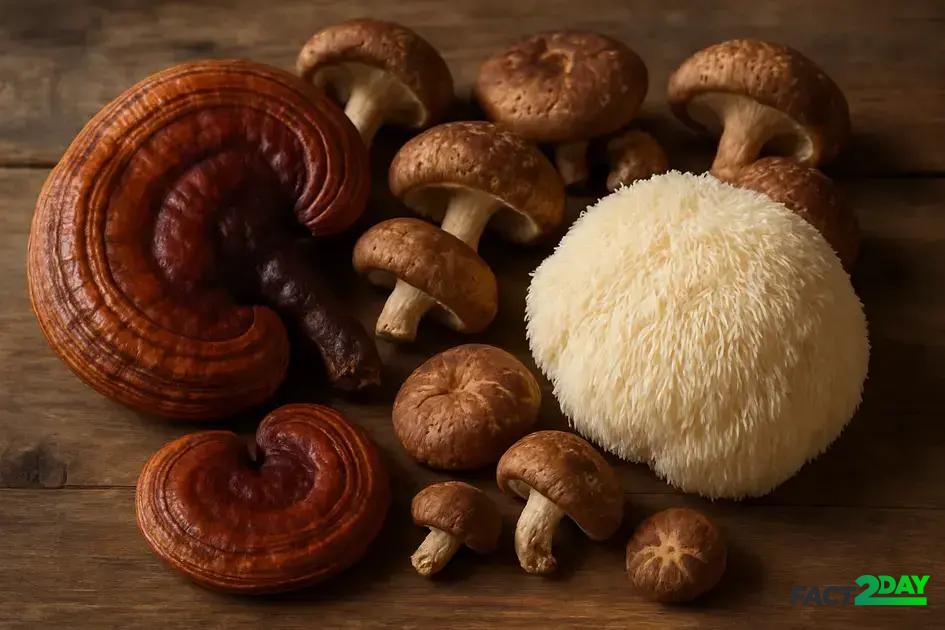
There are several common types of medicinal mushrooms widely used today due to their unique health benefits. One of the most popular is Reishi, often called the “mushroom of immortality.” It is known for its immune-boosting and stress-relieving properties. Reishi supports overall wellness with compounds that promote calmness and longevity.
Lion’s Mane is celebrated for its impact on brain health. This mushroom helps improve memory, focus, and nerve regeneration. Many people use Lion’s Mane to support cognitive function and mental clarity.
Chaga grows on birch trees and is rich in antioxidants. It has anti-inflammatory powers and supports immune function, making it popular for overall health maintenance.
Shiittake mushrooms are not only delicious but also known to reduce cholesterol and support heart health. They contain compounds that boost the immune system and fight infections.
Maitake is prized for its ability to regulate blood sugar and improve metabolic health. It also supports immune function and may help in managing weight.
Turkey Tail is famed for its cancer-fighting properties. It contains powerful polysaccharides that stimulate the immune system and improve gut health.
Each type of medicinal mushroom contains unique compounds that provide distinct health benefits. Incorporating a variety of these fungi can offer a broad range of wellness advantages.
How medicinal mushrooms support immune system health
Medicinal mushrooms support immune system health in several important ways. These mushrooms contain bioactive compounds like beta-glucans, which help activate immune cells such as macrophages and natural killer cells. This activation enables the body to defend itself better against infections and diseases.
Beta-glucans also enhance the communication between immune cells, strengthening the body’s overall response to harmful invaders. This means medicinal mushrooms can help balance and regulate the immune system, making it more effective without overstimulation.
Some mushrooms, like reishi and turkey tail, contain additional antioxidants and polysaccharides that reduce inflammation during immune responses. This helps prevent chronic inflammation, which can weaken the immune system over time.
Regular use of medicinal mushroom supplements may increase the production of key immune signaling molecules, such as cytokines, which orchestrate the body’s defense mechanisms. This contributes to faster recovery from illnesses.
Adaptogenic properties in certain mushrooms also help the body cope with stress, which is known to impact immune health negatively. By supporting mental and physical resilience, these mushrooms indirectly boost immunity.
Overall, medicinal mushrooms offer a natural, multi-faceted approach to strengthening immune system health, making them valuable allies in maintaining wellness.
The role of antioxidants in medicinal mushrooms
Medicinal mushrooms are rich sources of antioxidants, compounds that protect cells from damage caused by free radicals. Free radicals are unstable molecules that can harm DNA, proteins, and cell membranes, contributing to aging and diseases.
Many medicinal mushrooms, such as chaga and reishi, contain powerful antioxidants like polyphenols and flavonoids. These substances help neutralize free radicals, reducing oxidative stress and supporting overall health.
Oxidative stress is linked to chronic inflammation, heart disease, and some cancers. By lowering oxidative damage, antioxidants in mushrooms can help maintain healthy cells and tissues.
Antioxidants also play a role in boosting the immune system. They support immune cells by protecting them from oxidative damage and helping them function properly.
Including medicinal mushrooms in your diet or as supplements can be a natural way to increase your antioxidant intake. This supports cellular health, slows aging signs, and enhances resilience to environmental stressors.
Research continues to explore the full benefits of mushroom antioxidants, but existing evidence shows their value in promoting long-term wellness.
Addressing inflammation with medicinal mushroom extracts
Medicinal mushroom extracts are widely known for their ability to address inflammation in the body. Chronic inflammation can contribute to many health issues, including arthritis, heart disease, and autoimmune disorders. Extracts from mushrooms like reishi, chaga, and turkey tail contain anti-inflammatory compounds that help reduce this harmful response.
These mushroom extracts inhibit inflammatory molecules called cytokines, which play a key role in triggering and sustaining inflammation. By balancing cytokine levels, they promote a healthier immune response without suppressing immunity.
Reishi mushroom, in particular, is rich in triterpenoids that show strong anti-inflammatory effects. This helps soothe joint pain and reduces swelling. Chaga mushrooms provide antioxidants alongside their anti-inflammatory benefits, helping protect cells from damage caused by inflammation.
Turkey tail mushrooms support gut health, which is closely linked to inflammation. A healthy gut microbiome reduces systemic inflammation and improves overall wellness.
Medicinal mushroom extracts can be consumed as teas, tinctures, or supplements, offering a natural way to manage inflammation and promote balance within the body.
Regular use may support relief from chronic inflammatory conditions and enhance the body’s ability to heal.
Potential challenges in using medicinal mushrooms safely
While medicinal mushrooms offer many health benefits, there are potential challenges in using them safely that users should be aware of. One important factor is correct identification. Wild mushrooms can be toxic or poisonous, so consuming the wrong species can lead to serious health risks. Therefore, it is best to use mushrooms from trusted sources or supplements.
Another challenge is dosage regulation. Overconsumption of medicinal mushrooms or extracts may cause side effects like digestive upset, allergic reactions, or interactions with medications. It is important to follow recommended dosages and consult healthcare providers when needed.
People with certain conditions, such as autoimmune diseases, should be cautious. Since some medicinal mushrooms stimulate the immune system, they might worsen autoimmune symptoms in sensitive individuals.
Quality control is a significant concern too. Not all mushroom supplements are created equal, and some may contain contaminants or lack active compounds due to poor manufacturing practices.
Drug interactions are another consideration. Medicinal mushrooms may affect blood thinning, blood sugar levels, or immune-modulating drugs. Always check with a healthcare professional before combining them with prescription medications.
Finally, pregnant or breastfeeding women should avoid medicinal mushrooms unless supervised by a doctor, as safety data during these periods is limited.
Awareness of these challenges helps ensure that medicinal mushrooms can be used safely and effectively as part of a wellness routine.
Modern extraction methods and preparation techniques
Modern extraction methods and preparation techniques have greatly improved the effectiveness and safety of medicinal mushroom products. These techniques focus on isolating the key bioactive compounds, such as beta-glucans, polysaccharides, and triterpenoids, to maximize health benefits.
Hot water extraction is one of the most common methods. It involves boiling mushrooms to extract water-soluble compounds, especially polysaccharides which are vital for immune support. This technique mimics traditional tea preparations but concentrates the active ingredients for better potency.
Alcohol extraction is also widely used, targeting the extraction of triterpenoids and other fat-soluble compounds. Alcohol extracts produce tinctures that are often combined with water extracts to provide a full spectrum of benefits.
Some manufacturers utilize dual extraction, combining both hot water and alcohol processes. This ensures the product contains a broad range of beneficial compounds from the mushroom.
Advanced technologies like ultrasound and supercritical CO2 extraction are being adopted to improve efficiency and yield. These methods provide purer extracts while preserving delicate ingredients.
Preparation forms vary too—from powders, capsules, and tinctures to functional mushroom blends. Consumers can choose based on convenience, dosage control, and absorption preferences.
Understanding extraction methods helps consumers select high-quality medicinal mushroom products to meet their wellness needs effectively.
Integrating medicinal mushrooms into daily wellness routines
Integrating medicinal mushrooms into daily wellness routines can be simple and effective. Many people start by adding mushroom powders or capsules to their morning smoothies, teas, or coffee. These forms are convenient and provide a consistent dose of beneficial compounds.
Tea preparation is another popular method. Brewing dried mushrooms like reishi or chaga in hot water allows for a soothing drink rich in immune-boosting polysaccharides. This ritual can also support relaxation and stress relief.
For those who prefer supplements, tinctures offer a fast-absorbing option. These liquid extracts can be added to water or taken directly under the tongue for quick effects.
Some wellness enthusiasts incorporate medicinal mushrooms into cooking. Powdered mushrooms like shiitake or maitake can be sprinkled over soups, salads, or stir-fries to enhance nutrition and flavor.
Consistency is key when using medicinal mushrooms to see their full benefits. Starting with a low dose and gradually increasing helps the body adjust and reduces the risk of side effects.
Tracking your response and consulting with a healthcare provider can personalize your routine for best results.
Whether for immune support, mental clarity, or overall vitality, medicinal mushrooms offer versatile options to naturally enhance daily wellness.
Understanding dosage and duration for effectiveness
Correct dosage and duration are essential for maximizing the benefits of medicinal mushrooms. Doses can vary depending on the type of mushroom, the form of the product, and the individual’s health goals. It is important to follow recommended guidelines provided by trusted manufacturers or healthcare professionals.
Starting with a small dose and gradually increasing helps the body adapt and reduces the chance of side effects. For most supplements, the daily dosage ranges between 1 to 3 grams for powders or 1 to 2 milliliters for tinctures.
Consistency over time is crucial for effectiveness. Medicinal mushrooms typically require daily use for several weeks or months to show noticeable benefits. Short-term use may not deliver lasting results, especially for immune support or cognitive enhancement.
Some people choose to cycle their use by taking breaks periodically to avoid potential tolerance buildup. However, cycling is optional and depends on individual response.
Always consult with a healthcare provider before starting any medicinal mushroom regimen, especially if you have existing health conditions or are taking medications. Monitoring your body’s response can help tailor the dosage and duration for your needs.
Patience and mindful usage make medicinal mushrooms a powerful tool for long-term health and wellness.
Emotional and mental health benefits linked to medicinal mushrooms
Medicinal mushrooms are increasingly recognized for their positive effects on emotional and mental health. Certain species contain compounds that may help reduce stress, anxiety, and depression by balancing neurotransmitters and supporting brain function.
Lion’s Mane is especially known for its neuroprotective properties. It promotes nerve growth factor (NGF) production, which supports brain cell regeneration and cognitive function. This can lead to improved memory, focus, and mental clarity.
Reishi mushrooms are often used for their calming effects. They help regulate the body’s stress response by supporting the adrenal glands and reducing cortisol levels, which can alleviate feelings of anxiety and promote better sleep.
Some medicinal mushrooms also act as adaptogens, helping the body adapt to emotional stress and maintain balance. This can contribute to greater resilience and emotional stability.
Regular use of these mushrooms may help enhance mood and support long-term mental well-being by reducing inflammation and oxidative stress within the brain.
Including medicinal mushrooms as part of a holistic wellness routine offers a natural way to support emotional health alongside traditional therapies and practices.
Scientific research supporting medicinal mushroom claims
Scientific research on medicinal mushrooms has grown extensively, confirming many traditional health claims. Studies focus on the active compounds like beta-glucans, polysaccharides, and triterpenoids that contribute to immune modulation, anti-inflammatory effects, and antioxidant properties.
Clinical trials have demonstrated the ability of mushrooms such as reishi and turkey tail to improve immune response in cancer patients undergoing chemotherapy. These findings support their use as complementary therapies.
Research also shows that lion’s mane mushroom promotes nerve regeneration and cognitive function, highlighting its potential in treating neurodegenerative diseases like Alzheimer’s.
Studies on chaga mushrooms reveal strong antioxidant activity, which helps in reducing oxidative stress linked to aging and chronic diseases.
Many experiments confirm medicinal mushrooms’ role in reducing inflammation, improving gut health, and balancing blood sugar levels. These benefits align with traditional uses worldwide.
While more large-scale trials are needed, current scientific evidence reinforces the value of medicinal mushrooms in modern health care and wellness practices.
Reflections on the holistic approach to health
A holistic approach to health considers the whole person—body, mind, and spirit—rather than focusing only on specific symptoms or illnesses. Medicinal mushrooms fit well into this framework because they support multiple aspects of wellness simultaneously.
Holistic health encourages natural remedies, balanced nutrition, stress management, and a healthy lifestyle. Medicinal mushrooms offer a range of benefits, including immune support, mental clarity, and inflammation reduction, which align with this philosophy.
Using medicinal mushrooms emphasizes prevention and long-term vitality. Instead of treating disease alone, they aim to strengthen the body’s resilience and promote harmony.
Many traditional cultures have deeply rooted holistic views, where mushrooms were part of daily health rituals and spiritual practices. Modern science is now validating many of these ancient teachings.
Integrating medicinal mushrooms as part of a holistic routine complements other wellness practices like exercise, meditation, and healthy eating.
This holistic perspective invites us to view health as an ongoing journey that balances physical, emotional, and environmental factors, leading to lasting well-being.
Long-term benefits and transformative effects of medicinal mushrooms
Using medicinal mushrooms over the long term can provide deep and lasting health benefits. These fungi support the body’s natural healing processes, helping to maintain balance and defend against chronic illnesses.
Immune system strengthening is one of the primary long-term benefits. Regular use improves the body’s ability to fight infections and reduces the frequency of common illnesses.
Mushrooms like lion’s mane have neuroprotective effects that promote brain health and may slow cognitive decline. This supports mental clarity, memory, and overall brain function as we age.
Chronic inflammation, a root cause of many diseases, can be gently but effectively controlled with continuous intake of anti-inflammatory mushrooms like reishi and chaga.
Long-term use also supports improved energy, stress resilience, and hormonal balance, contributing to overall vitality and well-being.
Many users report transformative effects such as better sleep, enhanced mood, and greater physical stamina, making medicinal mushrooms a powerful natural supplement for lifelong health.
Consistency and quality are key to unlocking these benefits, as they accumulate over time to create meaningful health improvements.
Wrapping Up the Power of Medicinal Mushrooms
Medicinal mushrooms have a long history and a promising future in supporting health naturally and effectively. Their benefits range from boosting the immune system to improving mental clarity and reducing inflammation.
By understanding how to use them safely and consistently, you can integrate these natural allies into your daily wellness routine and experience their long-term, transformative effects.
As science continues to explore these fascinating fungi, more people are discovering how medicinal mushrooms can be a valuable part of a holistic approach to health and well-being.
Considering their powerful potential, medicinal mushrooms are worth exploring as nature’s pharmacy for better health.