Beyond the Stocks: History’s Most Unusual and Gruesome Punishments
Explore bizarre historical punishments that shocked societies with their cruelty and bizarreness. Discover the strange justice of the past!
Okay, so get this: ever stumbled across something super weird in a game that just… wasn’t supposed to be there? Well, back in the original Pokémon Red and Blue days, there was a glitch. Not just any glitch, but a legendary one: MissingNo.
You’d fish on Cinnabar Island, and suddenly, this messed-up block of pixels would pop up. It looked like static, sounded like a nightmare, and could literally break your game. Your Hall of Fame would corrupt, your graphics would go nuts – total chaos, man!
But here’s the wild part: players loved it. Why? Because if you caught this digital monstrosity, it’d duplicate items in your inventory. Suddenly, you had unlimited Rare Candies or Master Balls! It was a game-breaking bug that became a secret cheat code, an unofficial feature. Seriously, what other game turns a programming error into a fan-favorite legend? Mind. Blown.
Okay, so get this! Bizarre Historical Punishments might sound like something out of a twisted dungeon crawl, but they actually show how justice and cruelty danced through history in the weirdest ways. Curious how people got punished in the past? Let’s dive into these wild and gruesome tales that might just blow your mind!
What are bizarre historical punishments?
Bizarre historical punishments refer to the strange and often cruel methods used in the past to discipline or penalize individuals. These punishments go beyond simple fines or imprisonment, involving physical pain, public humiliation, or even death in unusual ways. They reflect not only the justice system of their times but also the cultural, social, and political values that shaped societies. Some punishments were designed to deter crime by making examples out of offenders, while others aimed to shame or ostracize them.
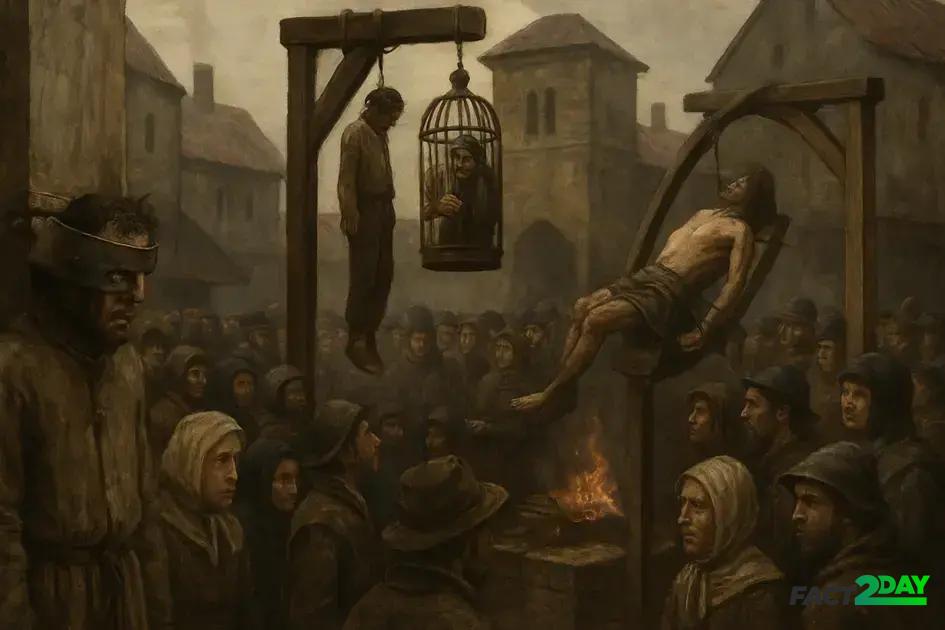
From the use of stocks, pillories, and the breaking wheel to more unusual practices like the scold’s bridle, rat torture, or pressing with heavy stones, these punishments often caused prolonged suffering. Many were public spectacles, drawing crowds who both feared and were entertained by them. Some methods targeted specific crimes or social classes, highlighting the inequalities and beliefs of the era.
The meaning behind bizarre punishments
Such punishments often carried symbolic meaning, reinforcing authority and societal norms. For instance, exposing someone to public shame signaled a moral failure, while torture methods displayed the power of rulers to maintain order. Over time, these extreme penalties gradually gave way to more humane legal approaches, influenced by changing ideas about human rights and justice.
The role of punishment in ancient societies
In ancient societies, punishment played a crucial role in maintaining order, enforcing laws, and reinforcing social norms. It was not only a tool for justice but also a method to demonstrate power and authority. Punishments often served as warnings to the community, showing the consequences of breaking rules. This helped prevent further crimes and ensured stability within tribes, kingdoms, or early civilizations.
Different cultures had unique approaches to punishment. Some focused on retribution, where the offender suffered a penalty equal to the crime, while others emphasized public shaming or exile. Punishments could range from physical pain, like flogging or mutilation, to forced labor or loss of property.
Legal and social functions
Punishments also reinforced the class system and hierarchy. Rulers used punishments to suppress rebellions and control lower classes. Religious beliefs often influenced these penalties, linking crimes to moral failings or offenses against divine laws. In many ancient codes, like Hammurabi’s, punishments were harsh and strict to shape behavior.
Overall, punishment in these early societies was a vital part of cultural identity, justice, and survival, reflecting the values and fears of the time.
Strangest public punishments and their purposes
Public punishments were designed not only to penalize offenders but also to serve as a powerful deterrent to others. In history, some of the strangest public punishments involved unique and shocking methods that captured the attention of entire communities. These punishments were often meant to shame the criminal and make their wrongdoing visible to everyone.
One common method was the use of the stocks or pillories, devices that locked a person’s hands and head, forcing them to endure public ridicule and sometimes physical harm from passersby throwing rotten food or stones. Another bizarre punishment was the practice of the scold’s bridle, a metal mask that silenced and humiliated women accused of gossip or nagging.
Purposes behind these punishments
Aside from punishment, public displays aimed to reinforce societal rules and power structures. They acted as warnings, showing that crimes would be met with visible and often painful consequences. In some cases, these punishments also had political or religious symbolism, showcasing the authority of rulers or punishing acts deemed immoral.
These strange public punishments reflected the values and fears of their times, often blending justice with spectacle in ways that seem shocking today.
Physical torture methods and their grim legacy
Physical torture methods have been used throughout history as brutal means to punish, extract information, or instill fear. These methods often caused intense pain and lasting damage. Instruments like the rack stretched victims’ bodies, while the iron maiden enclosed them in a spiked coffin causing severe injuries. Other tortures included whipping, burning, and mutilation.
Torture devices were designed to maximize agony and were often used publicly as warnings. The intention was not just punishment, but to break the will of the victim and intimidate others. These acts left long-lasting scars physically and psychologically on survivors.
The grim legacy
Although torture has been outlawed in many parts of the world, its legacy lingers in the form of human rights laws and ongoing debates about ethics in punishment. The fear and trauma caused by such cruelty still affect societies’ views on justice and punishment today. Remembering these harsh methods helps us appreciate modern legal reforms that emphasize dignity and rights over suffering.
The use of humiliation as a punishment tactic
Humiliation has long been a powerful tactic in punishments, used to damage a person’s reputation and social standing rather than just inflict physical pain. This type of punishment often involved exposing offenders to public shame, making their crimes visible to the community. It aimed to control behavior by attacking the offender’s dignity and social identity.
Common methods included forcing individuals to wear signs describing their crimes, parading them through towns, or placing them in stocks or pillories. These devices immobilized offenders while exposing them to ridicule, mockery, and sometimes physical abuse from passersby. Public shaming was especially effective in tight-knit communities where reputation was crucial.
Psychological impact and social control
Humiliation as punishment served not just to penalize but to deter others by making examples of offenders. It reinforced cultural norms and obedience to laws by emphasizing the social costs of disobedience. Over time, some societies moved away from such public humiliations, recognizing the deep psychological harm they caused and questioning their fairness.
Punishments involving animals: scary examples
Punishments involving animals were a terrifying part of some historical justice systems. These punishments used animals either to inflict physical pain or as a tool of public humiliation. The unpredictability and danger of wild or trained animals made these punishments especially cruel and frightening.
One infamous example includes being thrown to lions or bears in ancient Rome, where criminals faced death by wild beasts in public arenas. In other cultures, dogs were trained to attack or maim offenders. Sometimes, people were strapped to animals or paraded around to intensify their humiliation and fear.
Purpose and impact
Using animals in punishment was meant to create fear and deter crime by turning the justice system into a brutal spectacle. It also showed the power of rulers who could command both human and animal forces. This practice caused immense suffering and was seen as fitting retribution or divine punishment in certain societies.
Though horrific, these punishments illustrate the extremes of human creativity in enforcing laws and the harsh realities of historical justice.
Legal and cultural reasons behind bizarre punishments
Bizarre punishments often stemmed from the unique legal and cultural frameworks of societies. Laws reflected the values, fears, and beliefs held by the ruling class and the community at large. Sometimes, punishments were designed to address crimes that threatened social order, religion, or moral conduct.
Many societies saw crime as not just a violation of human laws but as an offense against divine or natural order. This belief led to harsh and symbolic penalties intended to restore balance or appease the gods. In other cases, punishments reinforced social hierarchy and deterred rebellion by making examples out of lower classes or marginalized groups.
Religion and morality
Religious doctrines heavily influenced the severity and nature of punishments. Actions considered sinful or blasphemous could result in extreme sentences. This mix of legal and spiritual justification made bizarre punishments seem necessary and justified at the time.
Overall, these punishments reveal how intertwined law, culture, and religion were in shaping ancient justice systems and how they used fear and symbolism to maintain control.
Famous cases showcasing unusual punishments
Throughout history, several famous cases have highlighted unusual punishments that shocked societies and became legendary. These cases often involved punishments so bizarre or harsh that they were remembered for centuries. Each case reveals much about the justice system, culture, and politics of its time.
One notable example is that of Tycho Brahe, a Danish astronomer who reportedly lost part of his nose in a duel and later fashioned a prosthetic, although his punishment was not legal but social humiliation. Another infamous case is of the French revolutionary who faced the guillotine but allegedly suffered additional torture before execution.
Unusual punishments in medieval Europe
In medieval Europe, unusual punishments included the use of the “ducking stool” for accused witches or disorderly women, which involved dunking them repeatedly into water. The case of the Englishman who was sentenced to be hanged, drawn, and quartered after a betrayal is another example of extreme penalties designed to deter treason.
These famous cases illustrate how justice systems sometimes took brutal and theatrical approaches, blending punishment with spectacle to maintain control and order.
Challenges in understanding ancient justice systems
Understanding ancient justice systems poses many challenges due to the scarcity of records and the vast differences from modern laws. Most knowledge comes from archaeological finds, ancient texts, and legal codes, which can be incomplete or biased. These sources often reflect the views of the ruling elite rather than the common people.
Language barriers and translation issues make it hard to grasp the precise meanings of laws and punishments. Cultural context is crucial, as some practices may seem unusual or cruel today but were accepted norms back then.
Interpretation and bias
Historians must carefully interpret these sources, considering religious, social, and political influences. Many ancient systems blended law with moral and spiritual beliefs, which challenges modern legal analysis. Moreover, punishments might be symbolic or ritualistic, making their purpose difficult to decode.
Despite these obstacles, studying ancient justice systems reveals valuable insights into the evolution of law and society.
How punishments evolved over centuries
Punishments have changed significantly over centuries, reflecting shifts in cultural values, legal principles, and ideas about justice. Early punishments were often harsh and public, designed to deter crime through fear and spectacle. Methods included physical torture, public shaming, and even death sentences with brutal execution techniques.
Over time, societies began to emphasize fairness, rehabilitation, and human rights. The Enlightenment period brought new ideas about the dignity of individuals and the need for proportional punishments. Prisons replaced ancient torture devices, focusing on confinement and reform rather than pain.
Modern developments
In the modern era, many countries abolished cruel punishments and introduced legal safeguards to protect the accused. Alternatives like community service, fines, and probation became more common. Despite progress, debates continue about the best ways to balance justice, deterrence, and rehabilitation.
The evolution of punishment illustrates society’s growing understanding of justice as a complex, humane process rather than mere retribution.
Psychological impact on victims and societies
The use of bizarre and gruesome punishments had deep psychological impacts on both the victims and the societies that practiced them. Victims often suffered from severe trauma, fear, and lasting emotional scars that affected their mental health. The anticipation or experience of public punishment could lead to anxiety and social isolation.
For the wider society, witnessing such punishments served as a grim reminder of authority and consequences. While they may have deterred crime, these practices also fostered a culture of fear and desensitization to violence. People could feel both protected and threatened by the harsh justice system.
Long-term social effects
Generations grew up knowing that extreme punishments were possible, which shaped social behavior and trust in authorities. In some cases, this fear maintained order, but it could also breed resentment and rebellion. Understanding these psychological effects helps explain why many societies eventually moved toward more humane forms of justice.
Modern views on historical punishments
Modern views on historical punishments are generally critical, viewing many of these practices as cruel, inhumane, and outdated. With advances in human rights, justice systems today emphasize rehabilitation, fairness, and dignity over harsh and public penalties. The brutal methods once accepted are now often seen as relics of a less civilized past.
Historians and ethicists analyze these punishments to understand their social and cultural contexts but also to reflect on progress in ethics. Public executions and tortures, once common, are now illegal in most countries and condemned by international law.
Lessons for today
Modern societies recognize the value of protecting individuals’ rights and the dangers of state-sponsored cruelty. Studying historical punishments helps highlight the importance of humane treatment and the ongoing need to review and reform justice practices worldwide. This evolving view encourages empathy and justice as a tool for social good rather than punishment alone.
Lessons learned from historical cruelty
Historical cruelty in punishments teaches us important lessons about justice, ethics, and human dignity. Many of these old methods highlight the dangers of unchecked power and the negative impact of revenge-based justice. By studying these cruel practices, societies have learned to prioritize fairness and compassion in law enforcement.
Accountability and respect for human rights are now key principles that stem from acknowledging past abuses. These lessons remind us of the need to protect vulnerable groups and prevent abuses within legal systems, ensuring punishments are just and humane.
Preventing repetition
Understanding the consequences of cruelty helps prevent repeating such mistakes. Education about historical punishments promotes empathy and the importance of reform. It encourages ongoing vigilance against torture, excessive punishment, and social injustice.
These lessons serve as a foundation for modern justice systems committed to dignity, rehabilitation, and respect.
Reflecting on history’s harsh punishments
Looking back at the most unusual and gruesome punishments in history helps us understand how justice systems once worked and why change was needed. These punishments show the extremes of human cruelty and the importance of fairness and dignity today.
By learning from the past, modern societies aim to build justice systems that respect human rights and focus on rehabilitation rather than pain. Remembering these historical lessons encourages us to support more humane and just ways to handle crime.
In the end, understanding these brutal punishments reminds us that justice should always balance accountability with compassion.