Korean Black Garlic: Fermented Flavor and Health in One
Korean black garlic combines rich fermented flavor with powerful health benefits. Discover how this unique garlic enhances your wellness naturally.
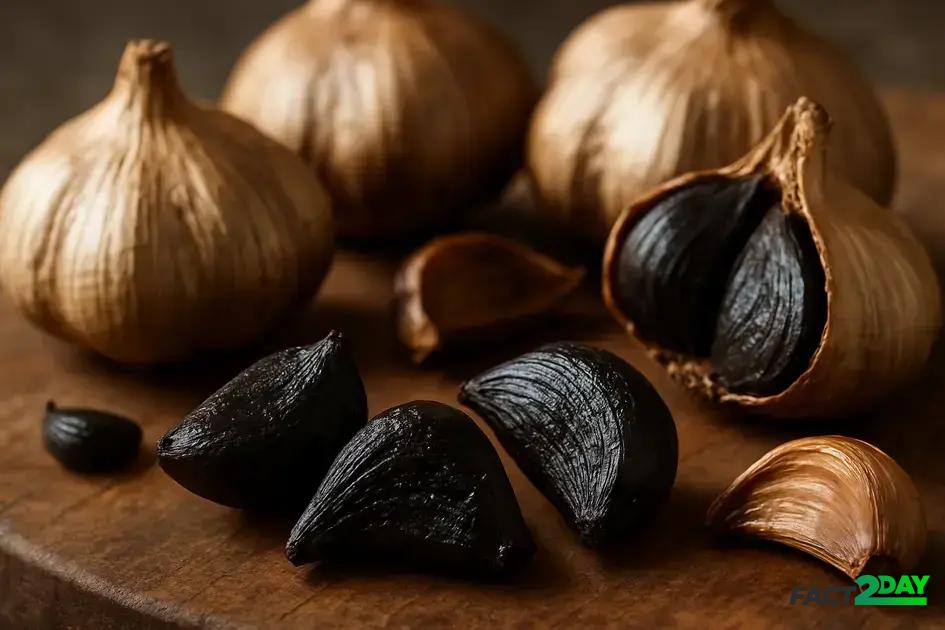
Korean black garlic is aged fresh garlic fermented under controlled heat and humidity, resulting in a sweet, soft clove rich in antioxidants that supports immunity, heart health, and offers unique culinary uses unlike raw garlic.
Korean black garlic might seem like an ordinary kitchen staple, but its deep, sweet flavor and health properties tell a different story. Have you ever wondered how fermenting transforms garlic into something so unique? Let’s explore this fascinating journey together.
what is korean black garlic and how is it made
Korean black garlic is a form of aged garlic that undergoes a special fermentation process. Unlike raw garlic, this variant has a dark, almost black color with a soft and chewy texture. The transformation happens when fresh garlic bulbs are kept in a warm, humid environment for several weeks to months.During fermentation, natural chemical reactions take place, including the Maillard reaction, which changes the flavor and nutritional profile. This results in sweet, tangy, and slightly umami flavors, a far cry from the sharp pungency of fresh garlic. The process also reduces harsh sulfur compounds, making it milder and easier to digest.
How it is made
The making of Korean black garlic involves selecting fresh whole garlic heads and placing them in a fermentation chamber with controlled temperature around 140°F (60°C) and humidity at about 70-90%. This environment encourages enzymatic and non-enzymatic reactions responsible for the color and flavor changes. The garlic is usually fermented for 3 to 4 weeks. Afterwards, it is cooled and dried carefully to maintain its texture.
The handcrafted nature of this process means that the exact flavor and quality can vary depending on fermentation conditions. Traditional Korean methods pay close attention to these factors to achieve the desired rich black color and sweet taste. The end product is prized not only for its culinary uniqueness but also for its potential health-promoting properties, which develop during fermentation.
the fermentation process and its impact on flavor
The fermentation process of Korean black garlic is key to its unique flavor and health benefits. During fermentation, garlic undergoes a controlled aging process in a warm, humid environment that lasts several weeks. This process triggers biochemical reactions, including the Maillard reaction, which is responsible for turning the garlic cloves black and softening their texture.
As the garlic ferments, harsh sulfur compounds break down, reducing the sharp, pungent taste typical of fresh garlic. Instead, the result is a smooth, sweet, and mildly tangy flavor, often compared to balsamic vinegar or tamarind. This transformation makes Korean black garlic very versatile in the kitchen.
Impact on flavor and texture
The fermentation not only changes the taste but also creates a chewy, jelly-like texture that is easy to eat. This texture shift coupled with the complex flavor profile enhances dishes without overpowering them. Many people enjoy eating it raw or using it in sauces, dressings, and marinades.
Fermentation also increases antioxidant content, which may contribute to its health-boosting effects. The longer the fermentation, the deeper and sweeter the flavor typically becomes, making fermentation time a critical factor in the quality of Korean black garlic.
nutritional benefits of korean black garlic
Korean black garlic is not just prized for its unique taste but also for its impressive nutritional benefits. It contains higher levels of antioxidants compared to fresh garlic due to the fermentation process. These antioxidants play a key role in fighting free radicals, supporting overall cell health.
Key nutrients
Black garlic provides essential vitamins and minerals such as vitamin C, selenium, calcium, and potassium. It also has higher amounts of allicin derivatives, which contribute to its potent health effects.
Fermentation enhances the bioavailability of many nutrients, making them easier for the body to absorb. This makes Korean black garlic a powerful superfood that can support your immune system and promote cardiovascular health.
Potential health benefits
Research suggests that consuming black garlic may help reduce inflammation, lower cholesterol levels, and aid in blood sugar regulation. These effects contribute to better heart health and improved metabolic function.
Its natural compounds also support liver health and may boost your overall energy levels. Including Korean black garlic in your diet offers a tasty, nutritious way to enhance well-being without relying on supplements.
how korean black garlic supports immune health
Korean black garlic has gained attention for its potential to support the immune system. Thanks to its rich antioxidant content, it helps protect the body from oxidative stress and harmful free radicals, which can weaken immunity.
Immune-boosting compounds
The fermentation process increases the levels of sulfur-containing compounds and flavonoids in black garlic. These elements have natural anti-inflammatory and antimicrobial properties that contribute to strengthening immune defenses.
Consuming black garlic may also enhance the activity of immune cells such as macrophages and natural killer cells. These cells play a vital role in detecting and fighting infections early on.
Supporting overall health
In addition to boosting immunity, Korean black garlic supports heart health and reduces inflammation, which indirectly benefits immune function. Its ability to improve gut health by promoting beneficial bacteria also plays an important part in maintaining strong immunity.
Incorporating black garlic into your diet could be a natural way to help your body stay resilient, especially during cold and flu seasons or times of increased stress.
ways to incorporate korean black garlic into meals
Korean black garlic can be easily incorporated into various meals, adding both flavor and health benefits. Its sweet, tangy taste complements many dishes without overpowering them.
Using korean black garlic in cooking
You can mash black garlic and spread it on toast or mix it into sauces and salad dressings for a unique flavor twist. It blends well with olive oil, lemon, and herbs for flavorful dips.
Adding cloves to soups and stews enriches the broth with a subtle sweetness and depth. Black garlic can also be finely chopped and sprinkled over roasted vegetables, grilled meats, or pasta dishes for an extra layer of savoriness.
Creative meal ideas
Try mixing black garlic into mashed potatoes or rice dishes for a gourmet touch. It can even be added to smoothies or teas to boost antioxidant intake. Some use it as a natural sweetener in desserts, balancing flavors beautifully.
Because it is already fermented and mellow, Korean black garlic does not require much cooking time. Adding it near the end of preparation preserves its texture and health properties.
comparing fresh garlic and korean black garlic
Fresh garlic and Korean black garlic come from the same ingredient but offer very different experiences in taste, texture, and health benefits. Fresh garlic is crisp and pungent with a sharp, spicy flavor that can overpower dishes if used excessively.
Differences in flavor and texture
Fresh garlic has a crunchy texture and releases strong sulfur compounds, giving it a bold and sometimes harsh flavor. Korean black garlic, on the other hand, is soft and chewy due to fermentation, with a sweet, molasses-like taste that is much milder and more complex.
Nutritional and health contrasts
While both types offer health benefits, the fermentation in black garlic increases antioxidant levels significantly compared to fresh garlic. Black garlic contains elevated amounts of compounds like S-allyl cysteine, which are easier for the body to absorb and linked to improved heart and immune health.
Fresh garlic is rich in allicin, known for its antibacterial and antiviral properties, but this compound degrades quickly once the garlic is crushed or cooked. Black garlic’s nutrients are more stable and sustained due to the aging process.
Usage in cooking
Fresh garlic is often used as a base flavor in many dishes, added early during cooking for its pungency. In contrast, Korean black garlic works well as a finishing ingredient or spread, providing a subtle umami and sweetness that complements a variety of recipes without overwhelming them.
storaging and preserving korean black garlic
Korean black garlic should be stored properly to maintain its flavor, texture, and health benefits. It is best kept in a cool, dry place away from direct sunlight to prevent moisture buildup and spoilage.
Ideal storage conditions
Room temperature storage is acceptable if the garlic is kept in an airtight container to protect it from humidity and air exposure. This helps preserve its softness and prevents mold growth.
For longer storage, refrigeration is recommended. Place Korean black garlic in a sealed glass jar or plastic container to maintain freshness. The cold environment helps slow down any potential spoilage and extends shelf life up to several months.
Preservation tips
Avoid storing black garlic near strong-smelling foods as it can absorb odors. Also, keep the cloves intact until use to minimize exposure to air. Once peeled, use the garlic within a few days or refrigerate it properly.
Freezing black garlic is possible but may alter its texture slightly. If freezing, wrap cloves tightly in plastic wrap and place them in a freezer-safe bag to prevent freezer burn.
potential side effects and precautions
Although Korean black garlic is generally safe for most people, there are some potential side effects and precautions to consider before adding it to your diet. Overconsumption might lead to digestive discomfort such as bloating or gas due to its concentrated compounds.
Possible allergic reactions
Some individuals may experience allergic responses to black garlic, including skin rashes or respiratory issues. If you have a known garlic allergy, it is best to avoid Korean black garlic or consult a healthcare professional before consumption.
Interactions with medications
Korean black garlic may interact with blood-thinning medications, increasing the risk of bleeding. If you take anticoagulants or are scheduled for surgery, speak to your doctor before using black garlic supplements or consuming it in large amounts.
It may also affect blood sugar levels, so people with diabetes should monitor their levels closely when introducing black garlic into their diet.
Moderation is key
Use Korean black garlic in moderate amounts to enjoy its benefits without adverse effects. Starting with small servings can help gauge your tolerance. If any side effects appear, discontinue use and seek medical advice.
Bringing Korean Black Garlic Into Your Life
Korean black garlic offers a delicious and healthy way to enhance your diet. Its unique flavor and numerous health benefits make it worth trying for anyone interested in natural wellness.
By understanding how to store, use, and enjoy it safely, you can get the most out of this special ingredient. Remember to start with small amounts and consult a doctor if you have any health concerns.
Adding Korean black garlic to your meals is more than just a tasty choice—it can be a simple step toward better health and richer flavors.