Blue Milk: Nature’s Most Unusual Dairy
Blue milk captivates with its unique color and origins, inviting you to explore nature's most unusual dairy phenomenon in depth.
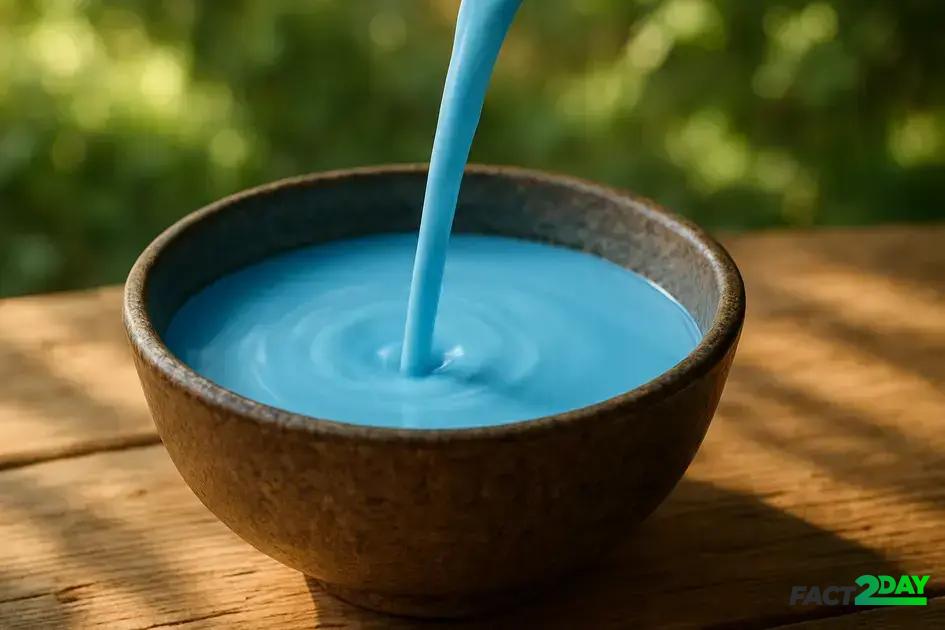
Blue milk is a rare dairy product characterized by its natural blue color caused by pigments and minerals, produced by specific animal breeds and valued for its unique nutritional benefits and cultural significance.
Blue milk often stirs curiosity with its rare and striking appearance. Have you ever wondered what makes this strange dairy product so fascinating? Let’s walk together into the world where science and nature blend in this unusual creamy marvel.
what is blue milk and where it comes from
Blue milk is a rare type of milk distinguished by its unusual blue color, which sets it apart from the common white or cream-colored milk we usually see. This fascinating dairy product originates from specific animals whose milk contains pigments or compounds that give it a distinct blue hue. Typically, blue milk is produced by certain breeds of cows or other mammals that possess unique genetic traits or dietary factors influencing milk color.
Origins and Natural Sources
The blue tint in the milk is often the result of natural pigments such as copper or other trace minerals, as well as structural factors in the milk that affect how light is reflected. These pigments can change based on the animal’s diet, environmental conditions, or specific metabolic processes. For example, cows grazing on certain types of grass or plants may produce milk with a subtle blue tone.
Where Blue Milk Is Found
While not widespread, blue milk can be found in some rural or specialized dairy farms where natural variations are preserved. It is also prominent in folklore or unique ecosystems where special animal species are native. Understanding where blue milk comes from helps researchers and enthusiasts explore its biological significance and potential uses. Blue milk invites curiosity about how nature creates such a rare and visually stunning dairy product.
the biology behind the blue hue
The unique blue color of blue milk is caused by specific biological factors that affect its natural composition. One key element is the presence of pigments and minerals, such as copper and riboflavin, which can tint the milk blue when present in certain quantities. These compounds interact with light to give the milk its signature shade.
The Role of Pigments and Minerals
Unlike typical white milk, blue milk contains higher levels of copper-based proteins or other trace elements that influence its color. These substances can come from the animal’s diet or its genetic makeup, affecting milk production at a cellular level. The interplay of these molecules changes how the milk reflects and absorbs light, producing the striking blue hue.
Genetic and Metabolic Factors
Animals that produce blue milk may have genetic mutations or metabolic pathways that lead to higher concentrations of pigment-producing enzymes. This biological process distinguishes blue milk from ordinary dairy and makes it a rare natural occurrence. Understanding these factors helps scientists explore the potential benefits or uniqueness of blue milk in nutrition and ecosystem roles.
animals that produce blue milk
Several animals are known to produce blue milk, a rare and intriguing natural phenomenon. Most commonly, certain breeds of cows, such as the Irish Moiled or the Jersey cattle, have been reported to produce milk with a subtle blue tint due to their unique genetic and dietary factors. In addition to cows, some wild mammals and marine animals may also exhibit variations in milk color influenced by their environment and nutrition.
Cows and Blue Milk Production
In cows, the blue hue is often linked to the presence of unique proteins or minerals in their milk. These cows typically graze on specific types of pastures rich in copper and other trace elements, which contribute to the distinct coloration. The breed’s genetic traits also play a crucial role in the milk’s pigment concentration.
Other Mammals with Blue Milk
Some exotic animals, like certain species of goats or marine mammals, have been observed producing milk that appears bluish under particular conditions. This is due to different biological mechanisms or environmental factors that affect the milk’s composition. While less common in domesticated animals, such occurrences highlight the fascinating diversity of milk in nature.
nutritional aspects of blue milk
Blue milk is not just visually interesting; it also offers unique nutritional benefits compared to regular milk. Its rich mineral content, particularly copper and other trace elements, may contribute to enhanced antioxidant properties, supporting the body’s defense against free radicals. Additionally, the presence of bioactive compounds can provide added health advantages.
Vitamins and Minerals
Blue milk typically contains higher levels of vitamins such as B2 (riboflavin) and minerals like calcium and magnesium. These nutrients are essential for bone health, energy production, and muscle function. The increased riboflavin may also contribute to the milk’s distinctive blue coloration.
Protein and Fat Content
Like conventional milk, blue milk contains significant amounts of high-quality protein, vital for muscle repair and growth. Its fat content may vary depending on the producing animal’s diet but generally includes beneficial fatty acids that support brain health and reduce inflammation.
Potential Health Benefits
Consuming blue milk might aid in improving immune function and metabolic health due to its unique mix of nutrients and antioxidants. While more research is needed, the special composition of blue milk makes it a promising alternative dairy source with natural wellness properties.
cultural significance and myths
Blue milk holds a special place in various cultures and has been surrounded by myths and folklore for centuries. In some societies, blue milk is considered a sacred or magical substance, believed to possess healing powers or spiritual significance. Stories passed down through generations often highlight its rarity and unique properties.
Myths Surrounding Blue Milk
Many myths describe blue milk as a gift from deities or spirits, symbolizing purity and protection. In some legends, it is said to grant strength or vitality to those who consume it. These tales have helped keep the mystique of blue milk alive in traditional storytelling and cultural rituals.
Cultural Uses and Beliefs
Beyond myths, blue milk has been used in ceremonies and festivals to celebrate nature’s wonders and the bond between humans and animals. Some communities incorporate it into rituals for blessings or as offerings to gods. These practices emphasize the milk’s symbolic role in connecting people to their environment and history.
Modern Perspectives
Today, the fascination with blue milk continues as some cultures seek to preserve its legacy and educate others about its importance. Researchers and food enthusiasts also explore how traditional beliefs can inspire sustainable dairy practices and new culinary uses, blending ancient wisdom with modern science.
how blue milk influences ecosystems
Blue milk plays a subtle yet important role in the ecosystems where it is produced. The unique composition of this milk can influence soil quality and plant life due to the nutrients and organic matter it contributes when it enters the environment, either through natural waste or byproducts.
Impact on Soil and Plant Growth
Nutrients found in blue milk, such as minerals and proteins, can enrich the soil when animal waste or milk residue seeps into the ground. This enrichment can promote healthy plant growth and improve the biodiversity of the area. The presence of trace elements like copper further supports plant and microbial life in these ecosystems.
Interactions with Wildlife
Animals that consume or come into contact with blue milk may experience nutritional benefits, which can affect local food chains. Predators and scavengers can be indirectly influenced by blue milk through its role in supporting herbivore health and reproduction, thus maintaining balance within the ecosystem.
Environmental Considerations
The production of blue milk is often linked to specific environments that support the animals responsible for its creation. Protecting these habitats ensures the continuation of this natural phenomenon and helps preserve biodiversity. Understanding the ecological connections related to blue milk highlights its value beyond just a dairy product.
uses and benefits in cooking and nutrition
Blue milk is gaining interest not only for its unique appearance but also for its culinary and nutritional benefits. In cooking, blue milk can add an exotic twist to recipes, lending a natural color and subtle flavor that enriches dishes without artificial additives. Its presence also brings a nutritional boost thanks to its rich content.
Culinary Uses of Blue Milk
Blue milk can be used in smoothies, desserts, and baked goods to create visually striking and nutrient-dense meals. Its creamy texture blends well in sauces and soups, adding depth without overpowering other flavors. Chefs and home cooks alike experiment with blue milk to craft innovative dishes that captivate the senses.
Nutrition Benefits in Diet
With enhanced minerals like calcium, magnesium, and trace elements such as copper, blue milk supports bone health and metabolic function. Its high-quality proteins aid muscle repair and growth, making it a valuable addition to balanced diets. Additionally, the antioxidants present may contribute to overall wellness by fighting oxidative stress.
Incorporating Blue Milk into Daily Nutrition
Including blue milk in your diet can be simple and delicious. Try mixing it into cereals, making creamy beverages, or using it as a base for healthful soups. Given its rich nutrient profile, blue milk offers a natural and tasty way to boost daily nutrition while enjoying something uniquely natural.
how to observe and appreciate blue milk in nature
Observing blue milk in nature requires attention to specific environments and animal behaviors. It often appears in remote or rural areas where the right conditions for its production exist, such as specialized animal breeds and particular diets. Learning where and when to look increases your chances of witnessing this rare phenomenon.
Best Places to Observe Blue Milk
Blue milk is typically found in farms or natural habitats with certain breeds known for producing it. Visiting dairy farms specializing in heritage or rare breeds can provide opportunities to see blue milk firsthand. Also, protected wildlife areas where wild mammals produce it offer a unique chance for observation.
Seasonal and Environmental Factors
Season, diet, and environment influence the appearance of blue milk. Observers should visit during seasons when animals have access to specific nutrient-rich plants that contribute to the milk’s blue hue. Weather conditions also affect animal health and milk production.
Ethical Appreciation and Documentation
When observing blue milk, it’s important to respect animal welfare and natural habitats. Use non-invasive methods like photography or note-taking to document experiences. Sharing knowledge responsibly helps preserve the natural occurrence and supports conservation efforts.
Understanding the Unique World of Blue Milk
Blue milk offers a fascinating glimpse into the diversity of nature’s dairy products. From its rare blue hue to its cultural importance and nutritional benefits, blue milk stands out as a natural wonder worth exploring. Observing and appreciating it in its natural environment deepens our connection to the animals and ecosystems involved.
Whether you’re curious about its biology, intrigued by myths, or interested in cooking, blue milk provides a unique story that blends science, culture, and nature. Embracing this special dairy can inspire new ways to enjoy food and protect the natural world.