Insert Coin: The Golden Age of Arcades
Explore the rich world of arcade culture history, from pixel battles to social hangouts that defined a generation’s playtime.
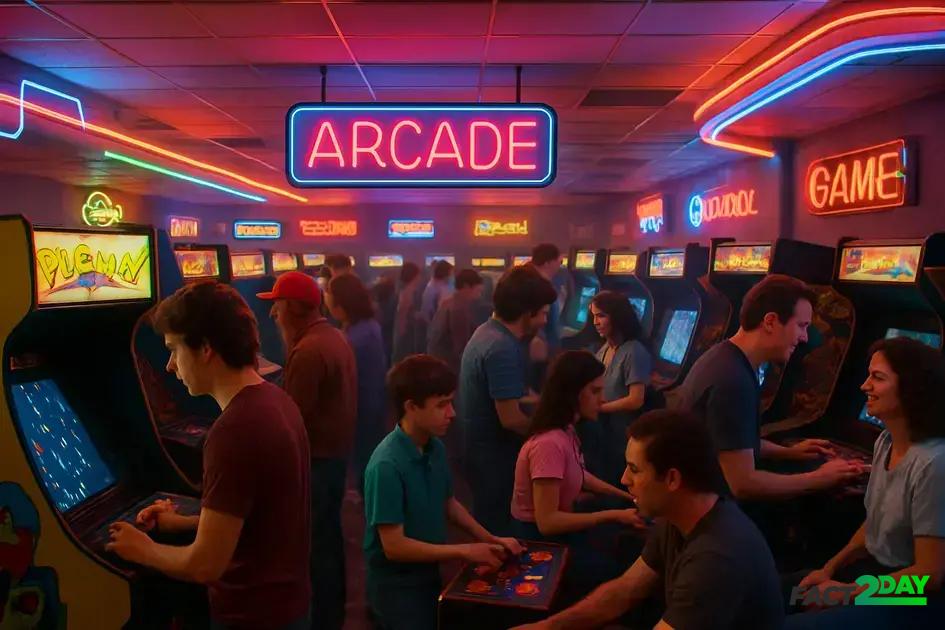
Arcade culture history traces the rise of arcade games from early electronic devices to vibrant social hubs that shaped gaming trends, popularized iconic titles, and influenced broader pop culture worldwide.
Have you ever paused to think about what shaped the vibrant world of arcade culture history? From the clatter of joysticks to the glow of pixelated screens, this era sparked more than just games—it created a social rhythm deeply woven into generations. Let’s wander through this golden age together.
the birth of arcade games and early influences
The birth of arcade games began in the early 1970s, sparked by simple electronic games that captured public curiosity. One of the first major hits was Pong, a table tennis simulation that introduced the world to competitive video gaming. Early influences stemmed from mechanical amusement devices and pinball machines, blending technology with entertainment in public spaces.
Technological Foundations
At this time, innovations in electronic circuits and display technology made it possible to create interactive games. Developers used cathode ray tubes and basic microprocessors to bring pixelated characters to life, laying the groundwork for more complex gameplay and visuals in the years that followed.
Cultural and Social Impact
These early arcade games influenced social interaction by drawing players together in arcades, which became hubs of youthful energy and friendly competition. The excitement around new games encouraged communities to form around playing and sharing experiences, setting the stage for a lasting gaming culture.
how arcades became social hubs in the 1980s
In the 1980s, arcades transformed into vibrant social hubs where people gathered not just to play, but to connect. These venues became meeting places for friends, a hangout spot after school, and even a competitive arena for players eager to prove their skills.
Community and Competition
Arcades fostered a sense of community through shared experiences around popular games. High score challenges and tournaments brought players together, creating friendly rivalries and lasting friendships. You’d often find players cheering each other or exchanging tips next to the machines.
Atmosphere and Design
The lively environment of arcades, filled with flashing lights, catchy soundtracks, and rows of colorful cabinets, invited social interaction. Many arcades included snack bars and seating areas, making them comfortable spots where people could hang out for hours.
Thanks to this combination of gaming and socializing, arcades in the 1980s were more than just entertainment centers; they were vibrant cultural spaces that shaped how people experienced games and connected with others.
the role of iconic games in shaping arcade culture
Iconic arcade games played a crucial role in shaping arcade culture by captivating players and setting new standards in gameplay and design. Titles like Pac-Man, Space Invaders, and Donkey Kong became household names that drew crowds and fueled competitive spirit.
Pac-Man and Character Influence
Pac-Man introduced a character-based game that appealed to a broad audience, including women, breaking the stereotype of gaming being male-only. Its simple yet addictive gameplay made it a cultural phenomenon and a staple of arcade entertainment.
Space Invaders and Gameplay Innovation
Space Invaders was one of the first shooting games, offering an engaging challenge that demanded focus and strategy. This game increased the popularity of arcades by drawing in players eager for fast-paced action and high scores.
Donkey Kong and Storytelling
Donkey Kong brought storytelling to arcades by introducing a narrative and recognizable characters like Mario. This innovation helped deepen player engagement and demonstrated how games could be more than just point-scoring machines.
All these iconic games helped set the tone for what arcade culture would become: a mix of innovation, competition, and social interaction that defined an era of gaming history.
technology advancements that fueled arcade popularity
Advancements in technology played a key role in fueling the popularity of arcades by enhancing gameplay, graphics, and sound. As microprocessors and circuits improved, arcade games became more complex, engaging, and visually appealing.
Improved Graphics and Sound
Color graphics and better sound effects elevated the arcade experience far beyond simple black-and-white displays. Games like Dragon’s Lair introduced laserdisc technology, offering animation-style visuals that were groundbreaking for the time.
Enhanced Gameplay Mechanics
New control types, such as trackballs, joysticks with multiple buttons, and even light guns, allowed for more interactive and varied gameplay. These advancements made games feel more tactile and immersive, attracting a wider audience.
Multiplayer and Networking
The rise of multiplayer cabinets, where players could compete or cooperate side by side, built a communal atmosphere. Later, basic networking allowed competitions across locations, foreshadowing online gaming’s future.
These technology improvements helped arcades evolve into popular entertainment hubs, constantly offering new experiences to keep players coming back.
arcade culture’s impact on gaming and pop culture
Arcade culture had a profound impact on both gaming and broader pop culture by introducing new forms of entertainment and social interaction. It helped elevate video games from niche hobbies to mainstream phenomena.
Shaping Game Design and Genres
Arcades pushed developers to create fast-paced, engaging games with simple controls and immediate rewards. This focus gave rise to enduring genres like beat ‘em ups, platformers, and shoot ‘em ups. The success of arcade hits influenced home console designs and gaming trends for decades.
Influence on Music and Art
The unique soundtracks and pixel art styles of arcade games seeped into music and graphic design, inspiring genres like synthwave and pixel art aesthetics seen in modern media. Games such as Pac-Man and Street Fighter became iconic cultural symbols featured in movies, music videos, and merchandise.
Impact on Social Trends
Arcades fostered communal experiences that shaped social behaviors around gaming. Concepts like high score competitions and gaming forums have roots in arcade culture and continue today in esports and online communities. The culture also influenced fashion and slang among youth of the era.
Overall, arcade culture laid groundwork for the entertainment industry and pop culture, bridging technology and social life in powerful new ways.
the rise and decline of arcades in the 1990s
During the 1990s, arcades experienced a notable rise followed by a significant decline. Early in the decade, advanced graphics and immersive games attracted many players, but various factors contributed to a downturn by the late ’90s.
The Rise: 3D Graphics and New Game Styles
The 1990s introduced 3D graphics and fighting games, like Street Fighter and Tekken, which revitalized arcade interest. Arcades also became more interactive, including games with motion controls and simulators, making gaming experiences more engaging than ever before.
The Decline: Home Consoles and Internet Growth
However, the rise of powerful home consoles, such as the PlayStation and Nintendo 64, allowed people to enjoy similar gaming experiences at home. Additionally, the internet’s growth shifted social gaming from arcades to online spaces. These factors, combined with rising arcade maintenance costs, led to many arcades closing.
Changing Social Patterns
The social atmosphere of arcades changed as well, with fewer young people gathering in these physical spaces. Many arcades adapted by offering food, drinks, or other entertainment, but the golden age of arcades gradually faded during this period.
The 1990s were a pivotal decade that marked a transformation in gaming habits, shifting the culture from public arcades to private and online gaming environments.
how nostalgia revives retro arcades today
Nostalgia plays a powerful role in reviving retro arcades today. Many people who grew up during the golden age of arcades seek to relive those memories and share the experience with new generations.
Retro Arcade Revival
New businesses are opening arcade bars and gaming lounges featuring classic games like Pac-Man, Galaga, and pinball machines. These venues mix old-school gameplay with modern social environments, attracting both old fans and curious newcomers.
Community and Events
Events such as arcade tournaments, themed parties, and cosplay gatherings create a vibrant social scene around retro gaming. This community-driven approach helps keep arcade culture alive and thriving in today’s digital world.
Modern Technology Meets Classic Games
Many retro arcades integrate updated technologies, such as digital leaderboards and online connectivity, while preserving the authentic gameplay and aesthetic. This blend offers the best of both worlds—classic fun with modern convenience.
The nostalgia-fueled revival proves that arcade culture still holds a special place in gaming history and continues to inspire joy and connection.
arcade tournaments and their community spirit
Arcade tournaments have long been central to the community spirit within arcade culture. These events bring players together to compete, share skills, and celebrate their passion for gaming.
Building Friendly Competition
Tournaments encourage players to improve their skills and challenge each other in popular games like Street Fighter, Mortal Kombat, and Pac-Man. The competitive yet friendly environment fosters respect and camaraderie among participants.
Creating Social Bonds
Beyond competition, these events often serve as social gatherings where friendships are formed. Players exchange strategies, cheer each other on, and celebrate victories together, strengthening the sense of belonging.
Promoting Inclusivity and Growth
Many modern tournaments focus on inclusivity, welcoming gamers of all levels and backgrounds. This approach keeps the community vibrant and supports the growth of arcade culture in new directions.
Through tournaments, arcade culture thrives as a dynamic and welcoming space where gaming and community go hand in hand.
arcades in different parts of the world
Arcades have taken on unique forms and meanings across different parts of the world, reflecting local cultures and gaming preferences. While the core arcade experience remains, regional variations create diverse scenes everywhere.
Arcades in Japan
Japan is famous for its vibrant arcade culture, with large, multi-floor venues known as “game centers.” These spaces offer a wide range of games, from rhythm-based titles like Dance Dance Revolution to advanced crane machines. The social aspect is strong, with competitive gaming and fan communities.
Arcades in North America and Europe
In North America and Europe, arcades saw their heyday in the 80s and 90s, often located in malls and entertainment centers. While many have closed, retro arcades and barcades are making a comeback, blending nostalgia with modern social spaces.
Arcades in Southeast Asia
Southeast Asia features bustling arcades often found in shopping malls, combining traditional arcade cabinets with newer game genres like mobile and online-linked titles. These arcades act as popular hangout spots for youth, offering affordable entertainment.
Despite differences, arcades worldwide share a universal appeal as places where people connect over games, competition, and fun.
what the future holds for arcade culture
The future of arcade culture looks promising as new technologies and evolving player interests breathe fresh life into this classic form of entertainment. While traditional arcades may no longer dominate, they continue to adapt and inspire.
Integration of Virtual and Augmented Reality
Virtual reality (VR) and augmented reality (AR) are creating immersive arcade experiences that blend physical and digital worlds. Players can now engage in 3D environments, making gameplay more dynamic and captivating than ever before.
Hybrid Spaces and Social Experiences
Modern arcades often combine gaming with food, music, and social events. These hybrid spaces foster community and entertainment, appealing to a broader audience while preserving the social spirit of traditional arcades.
Preserving Retro Appeal with Modern Tech
Many venues feature classic games alongside contemporary technology, including online leaderboards and app integration. This approach honors the past while meeting the expectations of today’s gamers.
With creative innovation and a strong community, arcade culture will continue evolving, celebrating its rich history while exploring exciting new frontiers.
The enduring legacy of arcade culture
Arcade culture has deeply shaped the world of gaming and continues to influence entertainment and social spaces today. From its early days of simple pixelated games to the immersive technologies of the future, the spirit of arcades lives on.
Whether through nostalgic retro experiences or innovative VR gameplay, arcades remain places of connection, competition, and fun. Their ability to adapt and bring people together suggests a bright future ahead.
Embracing both tradition and modern advances, arcade culture will keep inspiring new generations of players, ensuring that the magic of inserting a coin and stepping into a vibrant gaming world never fades away.