The Games That Took Forever… and Why
Explore the longest development cycles in gaming, uncovering what makes these games take years to reach players' hands and why it matters.
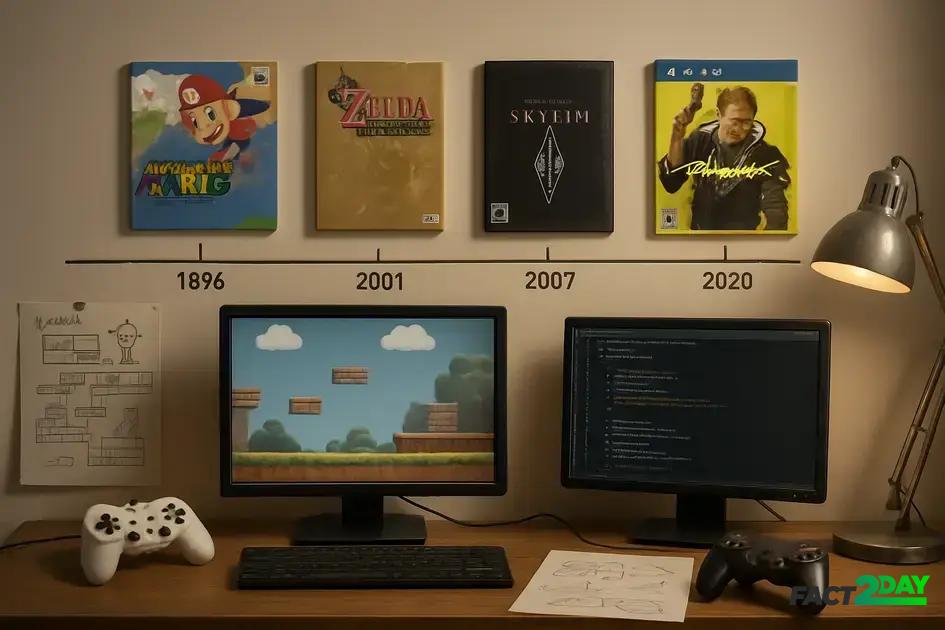
Longest development cycles refer to video games that take several years to complete due to factors like scope creep, technical challenges, team changes, and evolving creative visions, often resulting in highly anticipated but delayed releases.
Longest development cycles in games often spark curiosity and intrigue. Have you ever wondered what stretches years into decades behind your favorite titles and how these long processes shape the final experience?
history of long game development cycles
The history of long game development cycles is filled with ambitious projects that often aimed to push the boundaries of technology and storytelling. Some of the earliest examples date back to the 1990s when hardware limitations and evolving software tools meant creating complex games took years. During this era, developers were learning how to build expansive worlds and engaging narratives, often experimenting with new techniques.
Early Challenges and Milestones
One of the key reasons early games experienced long development cycles was the lack of established processes. Studios had to rely on trial and error to solve both technical and creative challenges. This learning curve contributed to extended timelines as teams worked to innovate while managing limited resources.
Notable Examples
Games like “Duke Nukem Forever” and “The Last Guardian” illustrate how development can span more than a decade. These projects faced tooling changes, team reshuffles, and shifting visions, which made their timelines infamous. Yet, these games also show the resilience and passion behind long development cycles.
Over time, long cycles became associated with high expectations from fans and pressure on developers to deliver groundbreaking experiences. Understanding this history helps us appreciate why some games take years to arrive and how the industry has grown more efficient as a result.
factors contributing to extended development
Several key factors contribute to extended development cycles in game production, making some projects stretch for years or even decades. One major factor is scope creep, where initial ideas grow and evolve, adding new features and complexity that lengthen the timeline. This often happens when developers want to deliver a richer experience but underestimate the additional work involved.
Technical Challenges
Game development involves complex technology that is constantly changing. Upgrading engines, fixing bugs, and adapting to new hardware can slow progress. Technical roadblocks often force teams to pause and rethink parts of the game, impacting delivery times.
Team and Management Issues
Changes in key personnel, restructuring, or conflicts within the development team can delay projects. Effective management is crucial to keep the process smooth, yet real-world challenges often cause interruptions that push deadlines back.
Funding and Resource Constraints
Budget limitations or delays in funding can stall production. Sometimes companies must reduce staff or pause development until more resources become available. These financial hurdles are common reasons for prolonged cycles.
Creative Vision Changes
A shifting creative vision during development can force significant reworks. When the story, art style, or gameplay mechanics change midway, it creates extra workload. While these changes can improve the final product, they add time and complexity.
Understanding these factors helps us see why some games take so long to reach players and highlights the challenges developers face behind the scenes.
impact on game quality and player expectations
Long development cycles can deeply affect game quality and player expectations in various ways. On one hand, extended time frames allow developers to refine gameplay, improve graphics, and fix bugs, which often leads to a more polished final product.
Raising Quality Standards
When developers have more time, they can add innovative features and enhance storytelling. This often results in a richer game experience that meets or exceeds the growing expectations of players.
Heightened Player Expectations
Long waits build anticipation, but they also increase pressure on developers. Players expect groundbreaking improvements and may become critical if the game does not meet these heightened standards. This can lead to disappointment despite the game’s inherent quality.
Risks of Outdated Technology
Extended cycles sometimes cause games to launch with outdated tech or design choices if the project started on older platforms. Developers must constantly update their tools and assets to keep up with industry advances, which can be costly and time-consuming.
Understanding this balance between time invested and player expectations helps explain why some long-awaited games receive mixed reactions despite impressive development efforts.
examples of iconic games with long cycles
Several iconic games have become well-known for their long development cycles, often spanning years or even decades before release. These titles illustrate the challenges and dedication involved in bringing ambitious projects to life.
Duke Nukem Forever
Originally announced in 1997, Duke Nukem Forever became infamous for its 14-year development period. Multiple engine changes and shifting creative directions contributed to massive delays. Though it was highly anticipated, the final product saw mixed reviews upon release in 2011.
The Last Guardian
This game spent nearly a decade in development, beginning in 2007 but not releasing until 2016. Technical hurdles and team changes slowed progress, but The Last Guardian was praised for its emotional storyline and unique gameplay.
Final Fantasy XV
Starting as a different project known as Final Fantasy Versus XIII in 2006, this game faced a long and turbulent development. It was ultimately rebranded and released as Final Fantasy XV in 2016. Fans appreciated its open-world design and refined gameplay.
Cyberpunk 2077
Announced in 2012, Cyberpunk 2077 took nearly eight years to launch. Despite high expectations and massive hype, initial bugs and performance issues overshadowed its release, highlighting the risks tied to long development.
These examples show how extended timelines can result from creative ambition, technical struggles, and evolving visions, all playing a role in shaping the final experience.
lessons learned from prolonged development
Prolonged game development cycles offer valuable lessons for both developers and the industry. One key takeaway is that clear project management is essential to avoid delays and scope creep. Setting realistic goals early on helps keep teams focused and timelines manageable.
Importance of Flexibility
Even with careful planning, challenges will arise. Developers learn that remaining flexible and adapting to new technologies or shifting market trends can save a project from stagnation.
Effective Communication
Strong communication within teams and with stakeholders prevents misunderstandings that could derail progress. Regular updates and feedback loops help identify issues early, minimizing costly reworks.
Balancing Ambition and Feasibility
While ambition drives innovation, striking a balance between creative ideas and practical constraints is vital. Overextending a project’s scope can lead to burnout and resource depletion.
Finally, transparency with the player community builds trust, especially when delays occur. Communicating progress and challenges can turn setbacks into opportunities for stronger engagement and support.
future of game development timelines
The future of game development timelines is shaped by advancing technology, evolving player expectations, and new development methodologies. Emerging tools like AI and procedural generation promise to speed up certain parts of the process, reducing production time without sacrificing quality.
Impact of AI and Automation
AI can automate repetitive tasks such as asset creation, testing, and bug fixing. This helps developers focus on creative work, potentially shortening development cycles and improving efficiency.
Growing Demand for Live Services
Many games now use live service models that continue evolving after release. This approach changes how timelines are planned, with ongoing updates and expansions extending a game’s lifecycle beyond its initial launch.
Collaborative and Remote Development
Advances in communication tools and remote collaboration have made it easier for global teams to work together. While this can present challenges, it also opens opportunities for diverse talents to contribute, impacting development speed and innovation.
As technology evolves and player preferences shift, game development timelines will likely become more flexible and adaptive, balancing speed with creativity and quality.
What We Can Learn from Long Development Cycles
Games with the longest development cycles show us both the challenges and rewards of creating ambitious projects. While delays can test patience, they often lead to more polished and innovative experiences.
Understanding the factors behind these timelines helps players appreciate the effort involved and reminds developers to balance ambition with realistic goals.
As the gaming industry evolves, new tools and approaches will continue to shape how long it takes to bring games to life. The journey of development is as important as the final product.