Beyond Random Maps: How AI is Weaving Dynamic Lore and Stories in Games
Explore how Procedural Lore Generation transforms gaming with AI-crafted dynamic stories and immersive player experiences that go beyond random maps.
Consider for a moment a courtroom scene, complete with judge, jury, and counsel, but with one peculiar difference: the accused is not human. What might seem like a whimsical fable from a children’s book was, in fact, a bizarrely common practice in medieval Europe: animal trials.
From pigs condemned for murder to beetles excommunicated for crop destruction, these trials were formal affairs, often with legal representation for the accused animals, complete with witnesses and appeals. It’s truly fascinating to ponder what this tells us about the human perception of justice, culpability, and our relationship with the natural world during a time when legal and spiritual frameworks were intricately intertwined.
This practice, though alien to modern sensibilities, speaks volumes about a worldview where animals were not merely property but moral agents, capable of committing crimes and deserving of due process. It’s a curious historical footnote, perhaps, but one that invites us to reflect on the ever-evolving boundaries of law, morality, and even personhood, reminding us how deeply ingrained our frameworks of judgment are, even when applied to the most unexpected defendants.
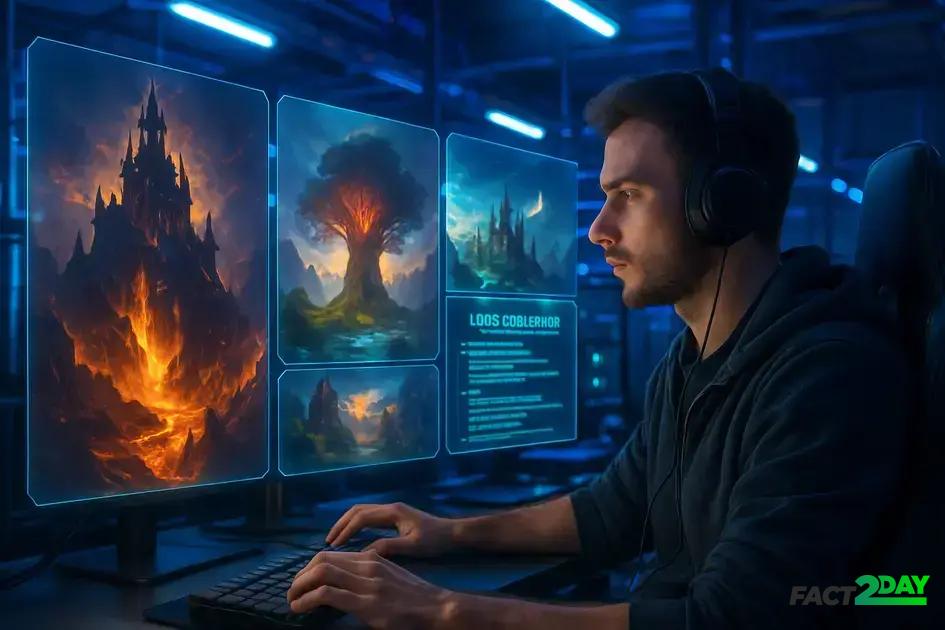
Consider for a moment the fascinating world of Procedural Lore Generation, where AI goes beyond simply creating random maps to weave intricate, dynamic stories within games. What does this mean for players and creators alike? Let’s explore this evolving narrative frontier.
Understanding procedural lore generation and its significance
Procedural lore generation refers to the use of algorithms, especially those powered by AI, to create unique story elements and world-building details automatically within games. Unlike traditional storytelling, which is manually crafted by writers, procedural lore allows games to present dynamic narratives that evolve with each playthrough, increasing immersion and variety for players.
This method is significant because it enhances replayability by ensuring no two game experiences are exactly the same. It also enables smaller development teams to generate vast, complex worlds without writing every detail by hand, saving time and resources.
Key components of procedural lore generation
These systems typically include randomization combined with logical rules to maintain coherence. For example, AI might generate a history for a fictional kingdom by linking events logically or create character backstories with motivations that fit the game’s setting.
Procedural lore also adapts to player actions, making the story feel personalized. As a result, players feel more connected to the game world, creating a deeper engagement.
Why it matters for game design
Embedding dynamic lore allows designers to explore complex narratives without overwhelming players with fixed plots. It supports emergent storytelling, where the story grows naturally from gameplay rather than imposed narratives.
Overall, procedural lore generation marks a shift toward more flexible, player-powered stories that enrich game worlds and boost long-term player interest.
The evolution from static to dynamic storytelling in games
Storytelling in games has evolved significantly from fixed, scripted narratives to dynamic storytelling that changes based on player actions and procedural generation. Early games often relied on static storylines, where players followed a predetermined plot without much variation.
With advances in technology, developers introduced branching narratives and multiple endings, offering players choices that influenced the story. However, these branches were still limited compared to what dynamic storytelling achieves today.
Dynamic storytelling and player agency
Dynamic storytelling leverages AI and procedural systems to create narratives that adapt in real-time, delivering unique experiences for each player. This approach increases immersion by ensuring the story reacts meaningfully to player decisions, game world changes, and unexpected events.
Many modern games now combine handcrafted story elements with procedural content to balance narrative depth with variety. This fusion allows for personal story arcs, emergent narratives, and worlds that feel alive and responsive.
Benefits of moving to dynamic storytelling
Dynamic storytelling enhances replayability, as no two playthroughs feel exactly the same. It also supports more complex character development and world-building, making games richer and more engaging over time.
Overall, this evolution reflects a shift toward greater player involvement in story outcomes, creating more meaningful and memorable gaming experiences.
How AI algorithms craft unique lore elements
AI algorithms craft unique lore elements by analyzing large datasets of existing stories, cultural myths, and character archetypes to generate fresh, coherent content. These systems use techniques like natural language processing and machine learning to understand narrative structures and patterns.
Procedural generation through AI
The process begins with algorithms creating small lore building blocks, such as character backgrounds, geographical features, or historical events. Then, they combine these blocks in meaningful ways, following rules that ensure logical consistency within the game world.
Generative models, like neural networks, can predict plausible story progressions or dialogue, producing content that feels natural and immersive. AI can also adapt lore elements in response to a player’s in-game actions, crafting personalized narratives.
Maintaining coherence and depth
While randomness plays a role, AI algorithms incorporate constraints and context-awareness to avoid contradictions and maintain internal lore consistency. This results in a rich tapestry of stories that feel handcrafted even though they are algorithmically generated.
Developers can fine-tune these algorithms to match a game’s tone, style, and complexity, ensuring the generated lore enhances the player’s experience without overwhelming them.
Balancing randomness and meaningful narratives
Balancing randomness with meaningful narratives is crucial to keep players engaged without sacrificing story quality. Pure randomness can create unexpected elements, but too much can lead to confusion or a lack of cohesion.
The role of controlled randomness
Game developers use constraints and rules within procedural systems to guide the AI while allowing variation. This method ensures that generated content fits the game’s theme and supports an overarching narrative.
For example, random events might occur within predefined story frameworks, so the plot remains consistent while still feeling fresh and unpredictable.
Maintaining player connection
Meaningful narratives rely on emotional investment and logical story progressions. AI systems integrate player choices and previous actions to tailor the lore, creating experiences that feel both personal and impactful.
This approach helps avoid randomness that feels aimless, instead delivering dynamic stories that respond thoughtfully to gameplay.
Techniques for success
Developers often combine handcrafted story elements with procedural generation, allowing AI to fill in details while ensuring key narrative beats remain intact. This hybrid design preserves story depth while benefiting from diversity and replayability.
Adaptive story algorithms monitor pacing, character arcs, and plot consistency to weave random content into meaningful contexts.
Examples of games using procedural lore effectively
Several games have successfully implemented procedural lore generation to create rich and dynamic story experiences. One notable example is “No Man’s Sky”, which uses algorithms to build entire galaxies with unique planets, each featuring its own wildlife and history, offering players a vast universe to explore.
“Dwarf Fortress” is another classic, generating complex histories, civilizations, and events that evolve independently, providing deep lore for players immersed in its world.
Roguelike and RPG examples
Games like “Hades” and “Diablo” combine procedural elements with handcrafted narratives, adapting dialogue and world details based on player progress and actions, which enhances replayability and story depth.
“The Elder Scrolls V: Skyrim” integrates procedural quests and world features that contribute to the lore, making the world feel alive and responsive.
Indie games and experimentation
Indie titles such as “Sunless Sea” leverage procedural storytelling to deliver mysterious and often dark narratives that change with each journey, creating highly personalized experiences.
These examples highlight how procedural lore can elevate gaming by blending algorithmic creativity with player-driven storytelling.
The role of player choices in shaping procedural stories
Player choices play a pivotal role in shaping procedural stories by influencing how the narrative unfolds and how the game world responds. Instead of following a fixed script, the story adapts dynamically to the decisions players make, creating a personalized journey unique to each playthrough.
Interactive narrative branching
AI systems track player actions and choices to modify lore elements, character relationships, and world events. This leads to branching storylines where consequences matter, enhancing player engagement and emotional investment.
Example: Choosing to ally with a certain faction may unlock unique quests and alter the game’s political landscape, affecting how other characters perceive and interact with the player.
Creating emergent stories
Procedural storytelling combined with player choice allows for emergent narratives—stories that develop naturally through gameplay rather than predetermined plots. This makes each player’s experience distinct and memorable.
As a result, even repeated playthroughs can feel fresh, as the story shifts based on new decisions and interactions.
Challenges and design considerations
Designers must balance freedom and coherence, ensuring that player-driven changes make sense within the game world. AI helps manage this by enforcing consistency rules while allowing flexibility.
Ultimately, the integration of player choices into procedural lore creates a deeper connection between the player and the game world.
Challenges in integrating AI-generated lore seamlessly
Integrating AI-generated lore seamlessly into games presents several challenges that developers must carefully address. One major hurdle is maintaining narrative coherence when AI creates diverse and unpredictable content.
Ensuring consistency in complex worlds
AI systems can produce rich lore, but without strict guidelines, stories may contradict established facts or break immersion. Developers must implement rules and constraints that guide AI generation to align with the game’s theme and history.
Balancing creativity with control
While AI brings creative freedom, too much unpredictability can confuse players or dilute the plot’s impact. Designers need to strike a balance between letting AI innovate and ensuring stories remain meaningful and relatable.
Technical and design challenges
Integrating AI lore involves complex programming and can be resource-intensive, requiring powerful algorithms and extensive testing. Additionally, combining procedural content with handcrafted narratives demands careful synchronization.
Finally, developers must consider player experience, making sure AI-generated lore enhances gameplay without overwhelming or alienating the audience.
Tools and technologies powering procedural lore generation
Procedural lore generation relies on a range of tools and technologies that enable AI to create rich, dynamic stories. These include machine learning models, natural language processing (NLP), and procedural content generation algorithms.
Machine learning and AI frameworks
Frameworks such as TensorFlow and PyTorch support the development of AI models that analyze existing lore and generate new narratives. These models learn patterns from vast datasets to produce coherent story elements.
Natural language processing (NLP)
NLP techniques help AI understand and generate human-like text. This technology enables procedural systems to create dialogue, quests, and backstories that feel natural and engaging.
Procedural content generation algorithms
Algorithms like Markov chains, grammar-based generation, and neural networks combine randomness with rules to produce lore components like histories, characters, and world events.
Developers often use game engines such as Unity or Unreal Engine integrated with these AI tools to implement procedural lore directly into their games.
Additional supporting technologies
Databases and knowledge graphs help organize and relate lore elements logically, while visualization tools assist designers in overseeing and refining AI-generated content.
Together, these technologies form the backbone of modern procedural lore generation, driving innovation in storytelling for games.
Impact on game replayability and player engagement
Procedural lore generation significantly boosts game replayability by creating unique storylines and world events each time a player starts a new game. This variability keeps the experience fresh and encourages players to explore different outcomes.
Enhanced engagement through dynamic stories
When game worlds and narratives change based on procedural generation, players feel a stronger connection to their choices and the game’s universe. This dynamic storytelling promotes investment and curiosity, motivating players to dive deeper into the game.
Personalized experiences
AI adapts the lore to player actions and preferences, making each playthrough feel personalized. This tailored narrative approach increases emotional involvement and satisfaction.
Encouraging exploration and discovery
Procedural lore often introduces new mysteries, quests, or characters that players might miss in a linear story. This unpredictability encourages exploration and replay, extending the game’s lifespan.
Overall, the integration of procedural lore makes games more immersive and rewarding, keeping players engaged over time.
Ethical considerations of AI storytelling in games
AI storytelling in games raises important ethical considerations that developers and players must be aware of. One key issue is ensuring that AI-generated content respects diversity and avoids bias, preventing harmful stereotypes or unfair representation.
Responsibility in content creation
Developers must carefully curate training data and implement checks to avoid AI producing inappropriate or offensive material. Maintaining ethical standards helps create inclusive and respectful gaming experiences.
Player impact and agency
AI-driven stories can evoke strong emotions and influence player perspectives. It’s crucial to balance immersive narratives with transparency, so players understand when AI shapes the story and to what extent.
Data privacy and consent
AI systems often use player data to personalize stories. Protecting this data and obtaining informed consent is essential to respect player privacy and comply with regulations.
Finally, accountability in AI storytelling requires ongoing monitoring and updates to address any ethical issues that arise, ensuring games remain safe and enjoyable for all audiences.
Future trends in AI-driven procedural narratives
The future of AI-driven procedural narratives promises more immersive and personalized gaming experiences. As AI technology advances, procedural stories will become increasingly complex and responsive to player behavior.
Improved narrative depth
Next-generation AI models will generate richer characters, themes, and plots that rival traditional storytelling, making each game world feel vibrant and alive.
Greater player adaptability
AI will better understand player preferences and styles, tailoring narratives dynamically to deliver highly personalized story arcs and emotional engagement.
Integration with virtual reality
Combining procedural lore with VR will create fully immersive environments where stories evolve in real-time based on player interaction, enhancing presence and realism.
Collaborative storytelling
Future games may allow multiple players or AI agents to co-create stories together, pushing boundaries of shared narratives and emergent gameplay.
Overall, AI-driven procedural narratives are set to transform gaming by providing endless, meaningful stories that adapt and grow with each player.
Comparing traditional narrative design vs procedural lore
Traditional narrative design relies on carefully crafted, fixed storylines that guide players through a predetermined sequence of events. These narratives are written by authors and storytellers, ensuring a strong, focused plot with deep character development.
Strengths of traditional narrative design
Traditional stories often provide clear arcs, emotional impact, and memorable moments designed to create a cohesive experience. Players know what to expect and can fully invest in the crafted storyline.
Advantages of procedural lore
Procedural lore uses algorithms to generate dynamic and often unpredictable story elements. This approach offers greater replayability since the narrative changes based on player actions and random generation.
Procedural systems can create vast worlds and intricate histories without requiring massive manual writing efforts.
Key differences and trade-offs
While traditional narratives offer deep, polished stories, they can be limited in variety. Procedural lore excels at diversity and player-driven experiences but can lack the emotional depth and polish of handcrafted tales.
Developers often combine the two methods to balance structure with flexibility, using handcrafted narrative beats alongside procedural elements to enrich the overall experience.
This blend enables games to provide both meaningful stories and fresh content, appealing to different player preferences.
How developers can start implementing procedural lore
Developers interested in implementing procedural lore should begin by understanding their game’s core themes and narrative goals. Defining clear parameters helps guide AI algorithms to generate content that fits the intended world and story style.
Choosing the right tools
Select platforms and tools that support procedural generation and AI integration, such as Unity or Unreal Engine with compatible plugins and AI frameworks.
Starting small is key—developers can experiment with generating simple lore elements like character backstories or side quests before expanding to larger world-building aspects.
Designing rules and constraints
Establish rules to maintain narrative consistency and prevent contradictions. These constraints help balance randomness with meaningful storytelling.
Testing and iteration
Regularly test generated content to ensure quality and player engagement. Feedback loops allow developers to refine algorithms and adjust parameters for better results.
Collaboration between writers, designers, and programmers enhances the integration of procedural lore, ensuring the AI-generated content complements handcrafted elements.
By combining thoughtful design with iterative testing, developers can effectively harness procedural lore generation to create rich and dynamic game worlds.
The cultural implications of AI-generated game stories
AI-generated game stories introduce new cultural dimensions by blending diverse influences from global narratives. This technology allows games to incorporate folklore, myths, and storytelling styles from various cultures, creating a rich tapestry of narratives.
Preserving and sharing cultures
Procedural lore can help preserve lesser-known stories by adapting them into game content, exposing players worldwide to different traditions and perspectives.
Risks of cultural misrepresentation
Without careful oversight, AI might produce content that unintentionally misrepresents or stereotypes cultures. Developers must apply cultural sensitivity to ensure respectful and accurate portrayals.
Fostering empathy and understanding
AI-driven stories can promote empathy by immersing players in diverse worlds and viewpoints, encouraging cross-cultural understanding through interactive experiences.
The growing integration of AI in storytelling challenges creators to balance innovation with ethical cultural representation, shaping how stories evolve in games.
Looking Ahead: The Future of AI in Game Storytelling
AI-driven procedural lore is changing the way games tell stories by making them more dynamic, personalized, and immersive. This technology offers exciting possibilities for creating worlds that feel alive and responsive to player choices.
While there are challenges to overcome, such as maintaining narrative consistency and respecting cultural diversity, the potential benefits for players and developers are immense.
As AI continues to evolve, it will unlock new ways to craft meaningful and engaging stories that adapt and grow with each player, shaping the future of gaming experiences.