Gastronomic Chemistry: How Science Transforms Raw Ingredients into Edible Masterpieces
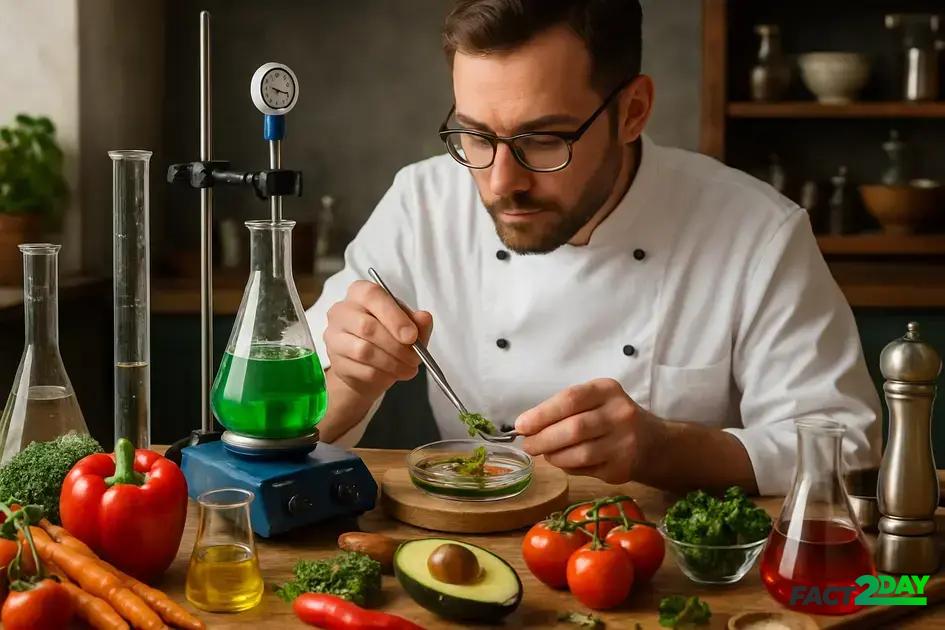
Explore The Science of Culinary Art and discover how chemistry and creativity blend to transform raw ingredients into delicious masterpieces.
Reflecting on the strange history of animal trials
Animal trials in medieval Europe reveal a fascinating and unusual chapter in legal history. These cases show how humans once saw animals as moral beings, capable of crime and deserving of justice. Though strange to us now, this practice highlights how ideas of law and morality have changed over time.
By studying such practices, we gain insight into the complex relationship between humans, animals, and society’s rules. It reminds us that concepts like justice and personhood are not fixed but evolve with culture and understanding.
Ultimately, animal trials encourage us to think about how the law reflects our values and how those values shape the way we view the world and those within it.
Consider for a moment how The Science of Culinary Art reveals the hidden chemistry behind our favorite dishes. What transformations occur when raw ingredients become culinary masterpieces? Let’s explore this fascinating intersection of science and cooking together.
Understanding the basics of gastronomic chemistry
Gastronomic chemistry is the study of how chemical processes affect food during cooking. At its core, it explains how ingredients transform, react, and combine to create different flavors, textures, and aromas. Understanding these basics helps cooks control cooking outcomes and innovate in the kitchen.
Atoms and molecules in food
Food consists of various molecules like proteins, carbohydrates, and fats. When heated or mixed, these molecules change their structure, causing food to cook or change texture.
Physical and chemical changes
Cooking involves both physical changes (like melting or dissolving) and chemical reactions (such as breaking down proteins). For instance, when heat causes proteins in an egg to denature and solidify, that’s a chemical change.
The role of heat
Heat speeds up molecular movements and reactions. It can break down tough fibers, evaporate water, and create new compounds, which develop flavors and textures unique to cooked food.
Water’s importance
Water acts as a solvent and medium for many chemical reactions. It influences the cooking process by affecting temperature, texture, and how flavors spread.
By grasping these fundamentals, chefs and food lovers unlock the secrets of how simple ingredients become delicious dishes through the magic of chemistry.
How molecular interactions affect flavor and texture
Molecular interactions play a crucial role in shaping the flavor and texture of food. These interactions involve how molecules like proteins, fats, and sugars bind, break apart, or change during cooking. Such changes directly influence how we perceive taste and mouthfeel.
Protein denaturation and texture
When heated, proteins unfold and rearrange, altering the texture of foods like meat and eggs. This process, called denaturation, can make meat tender or tough depending on how it’s cooked.
Fat’s role in flavor and mouthfeel
Fats carry flavors and provide a creamy texture. They interact with taste receptors and other molecules, enhancing savory and rich sensations in dishes.
Sugar caramelization and flavor development
Heating sugar causes caramelization, a chemical reaction that produces complex flavors and browning, adding depth to desserts and savory sauces.
Water’s effect on texture
Water molecules influence the juiciness and softness of food. The way water binds or evaporates during cooking changes food’s consistency and helps dissolve flavor compounds.
Understanding these molecular dynamics helps cooks manipulate cooking methods to enhance flavor and create enjoyable textures in every dish.
The role of heat in transforming ingredients
Heat is one of the most powerful tools in cooking. It changes the physical and chemical properties of ingredients, helping to develop flavor, texture, and color. Understanding how heat works can enhance your cooking results.
Heat transfer methods
There are three main ways heat moves during cooking: conduction, convection, and radiation. Conduction happens when heat moves through direct contact. Convection uses hot air or liquid to surround the food. Radiation transfers heat through waves, like grilling or broiling.
Effects on proteins
Applying heat causes proteins to denature and coagulate, which firms up meat and eggs. The right amount of heat can make meat tender by breaking down connective tissues, while too much heat can make it tough and dry.
Breaking down carbohydrates and sugars
Heat breaks down starches into simpler sugars, softening foods like potatoes. It also causes caramelization, where sugars brown and develop rich, complex flavors.
Fat melting and flavor release
Heat melts fats, which carry flavors and add moisture. This process also helps with browning, creating appealing textures and aromas.
Managing heat carefully allows cooks to transform raw ingredients into delicious dishes with perfect textures and enhanced flavors.
Why pH levels matter in cooking
pH levels influence many aspects of cooking, including flavor, texture, and color. pH measures how acidic or alkaline a substance is, and small changes can have big effects on your dishes.
Impact on flavor
Acidic ingredients like lemon juice or vinegar add brightness and tanginess to food. They can balance sweetness or bitterness and enhance overall taste.
Effect on texture
pH affects how proteins behave. For example, marinating meat in an acidic mixture can tenderize it by breaking down muscle fibers. Baking soda, a base, can make baked goods softer by affecting gluten structure.
Color changes
Some vegetables change color depending on pH. Red cabbage turns reddish in acid and bluish-green in alkaline conditions. This happens because natural pigments react to pH.
Food safety and preservation
Lower pH (more acidic) environments can slow bacterial growth, which is why pickling uses acids to preserve food safely.
Understanding and controlling pH levels helps cooks create dishes with better flavor, appealing textures, and vibrant colors while ensuring food safety.
The Maillard reaction and its culinary impact
The Maillard reaction is a chemical process that happens when proteins and sugars in food react under heat, creating complex flavors and brown colors. It is responsible for the delicious crust on grilled meats, toasted bread, and roasted coffee.
How the Maillard reaction works
This reaction starts around 285°F (140°C). Proteins and sugars rearrange their molecules, producing hundreds of new compounds that add depth and richness to food’s flavor and aroma.
Impact on flavor and aroma
The Maillard reaction creates savory, nutty, and roasted notes that enhance many dishes. This is why searing a steak or baking fresh bread smells so appealing.
Influence on texture and appearance
Besides flavor, the reaction forms a brown, crispy crust that contrasts with tender interiors, adding an enjoyable texture to foods.
Factors affecting the reaction
Temperature, pH, moisture, and cooking time all affect how the Maillard reaction develops. For example, lower moisture and higher heat speed up browning.
Mastering the Maillard reaction allows chefs to create dishes with rich flavors, delightful textures, and beautiful appearances, making it a cornerstone of culinary chemistry.
Emulsification: science behind sauces
Emulsification is the process of mixing two liquids that usually don’t combine, like oil and water. This scientific technique is key to making smooth sauces like mayonnaise, hollandaise, and vinaigrettes.
How emulsification works
Emulsifiers are molecules that help stabilize the mix by having one end that attracts water and another that attracts oil. This creates tiny droplets of one liquid spread evenly within the other.
Common emulsifiers in cooking
Ingredients like egg yolks, mustard, and lecithin act as natural emulsifiers, keeping sauces thick and well-blended.
Types of emulsions
There are two main types: oil-in-water (like salad dressings) and water-in-oil (like butter). The balance of ingredients determines the texture and stability.
Tips for successful emulsification
Slowly adding oil while whisking and maintaining the right temperature helps create a stable, smooth sauce. If an emulsion breaks, gentle whisking or adding more emulsifier can rescue it.
Understanding the science of emulsification allows cooks to create sauces with perfect consistency and flavor every time.
Fermentation: unlocking new flavors
Fermentation is a natural process where microorganisms like bacteria, yeast, or molds break down sugars in food. This creates unique flavors, aromas, and textures that are hard to achieve with other cooking methods.
The science behind fermentation
Microbes consume sugars and produce byproducts such as alcohol, acids, and gases. These compounds give fermented foods their distinct sour, tangy, or effervescent qualities.
Common fermented foods
Examples include yogurt, kimchi, sauerkraut, sourdough bread, and fermented beverages like beer and kombucha. Each one showcases different fermentation techniques and flavors.
Benefits of fermentation
Besides flavor, fermentation can improve food preservation and increase nutritional value by making vitamins and probiotics more available.
Controlling fermentation
Temperature, time, and salt concentration all influence fermentation outcomes. Proper control ensures delicious and safe results.
Mastering fermentation opens doors to creating complex, rich flavors that elevate dishes and delight the palate.
The science of food preservation methods
Food preservation methods rely on scientific principles to slow down or stop the growth of bacteria, molds, and yeasts that cause spoilage. Understanding these methods helps keep food safe and flavorful for longer periods.
Refrigeration and freezing
Lowering the temperature slows down the activity of microorganisms and enzyme reactions. Freezing stops most microbial growth by turning water in food into ice crystals.
Drying and dehydration
Removing water from food prevents microbes from growing since they need moisture to survive. Techniques include sun drying, air drying, and using dehydrators.
Salting and curing
Salt draws out moisture through osmosis and creates an environment hostile to bacteria. Curing often combines salt with nitrates or sugars for added preservation and flavor.
Canning and bottling
Heating food to high temperatures kills bacteria, while sealing it in airtight containers prevents new microbes from entering.
Fermentation
This method uses beneficial bacteria to produce acids or alcohol that inhibit harmful microbes and preserve food.
By mastering these food preservation techniques, you can extend shelf life and maintain the quality of ingredients effectively.
How enzymes influence cooking processes
Enzymes are natural proteins that speed up chemical reactions in food during cooking. They play a key role in breaking down complex molecules, which affects texture, flavor, and digestion.
What enzymes do in cooking
Enzymes can break down starches, proteins, and fats into simpler components. For example, proteases break down proteins, making meat more tender, while amylases act on starch to produce sugars.
Enzymatic browning
When fruits like apples or bananas are cut, enzymes react with oxygen causing browning. This reaction affects appearance but can be controlled with acid or heat.
Fermentation and enzymes
Enzymes produced by microbes during fermentation transform food, developing flavors and improving texture in products like cheese, yogurt, and sourdough.
Enzymes in food tenderizing
Natural enzymes in ingredients like pineapple (bromelain) and papaya (papain) are often used to soften tough meats by breaking down muscle fibers.
Understanding how enzymes influence cooking helps chefs control food preparation for better taste, texture, and nutritional value.
The importance of ingredient quality in chemical reactions
The quality of ingredients plays a vital role in chemical reactions during cooking, influencing flavor, texture, and final results. Fresh, high-quality ingredients contain more active compounds that react better under heat or blending.
Freshness and nutrient content
Fresher ingredients retain more natural enzymes and nutrients, which support desired chemical reactions like caramelization or fermentation.
Purity and additives
Ingredients without additives or preservatives behave more predictably in cooking. Additives can inhibit or change chemical processes, affecting taste and texture.
Water content and texture
The moisture level in ingredients influences reactions like browning and gelatinization. For example, dry vegetables brown more easily, creating deeper flavors.
Ripeness and sugar levels
Riper fruits have higher sugar content, which enhances caramelization and sweetness. Using underripe ingredients may change the expected outcome.
Choosing high-quality ingredients allows chefs to fully harness chemical reactions in cooking, leading to vibrant flavors and perfect textures every time.
Using technology to enhance culinary techniques
Modern technology has become a powerful ally in the kitchen, allowing chefs to elevate their culinary techniques with precision and creativity. Tools like sous-vide machines, thermal probes, and induction cooktops give precise control over temperature and cooking time.
Precision cooking with sous-vide
Sous-vide uses a water bath to cook food evenly at a set temperature, preserving moisture and enhancing flavor. This technique ensures perfect doneness every time, especially for meats and vegetables.
Smart kitchen gadgets
Devices such as smart thermometers and automated mixers help monitor cooking in real time and reduce human error. Many gadgets are app-controlled, letting chefs multitask without worrying about overcooking.
Innovations in food preparation
Technologies like 3D food printing and vacuum sealers allow new textures and flavors. Vacuum sealing aids marinades to penetrate deeper, while 3D printing creates intricate designs for presentation.
Benefits of technology integration
Technology enhances consistency, speeds up prep time, and opens creative possibilities for both home cooks and professional chefs.
Embracing technological advances in cooking means harnessing science and innovation to transform ingredients into culinary masterpieces with ease and precision.
Common chemical mistakes to avoid in the kitchen
Many chemical mistakes can occur in the kitchen that affect flavor, texture, and overall success of dishes. Avoiding these common errors helps produce better results and reduces frustration.
Overheating ingredients
Applying too much heat can burn proteins and sugars, leading to bitter flavors and tough textures. For example, overcooked meat becomes dry and chewy.
Ignoring pH balance
Not considering acidity or alkalinity in recipes can prevent desired reactions like proper browning or texture changes. Using acidic marinades without balancing can make foods overly sour or tough.
Incorrect ingredient proportions
Using too much salt, acid, or baking soda disrupts chemical reactions, which may cause sauces to break or baked goods to rise unevenly.
Not accounting for moisture
Too much or too little water changes how ingredients react. For instance, adding excess liquid to dough can prevent gluten formation, affecting texture.
Skipping rest times
Some reactions take time, like dough rising. Rushing these steps results in underdeveloped flavors or poor textures.
Learning to avoid these chemical mistakes leads to more consistent, tasty meals and a smoother cooking experience.
The future of culinary science and innovation
The future of culinary science is filled with exciting innovations that blend technology and creativity to transform how we cook and enjoy food. Advances in molecular gastronomy, sustainable food production, and food tech are shaping new culinary experiences.
Sustainable and lab-grown foods
Lab-grown meat and plant-based alternatives are gaining popularity, offering ways to reduce environmental impact while delivering desirable flavors and textures.
Precision cooking and AI
Artificial intelligence and smart appliances will help tailor cooking processes to individual tastes, monitor nutritional content, and reduce waste.
3D food printing
3D printing technology allows chefs to create intricate food designs and customized nutrients, opening fresh possibilities in presentation and health-focused cuisine.
New flavor creation and sensory experiences
Scientists are exploring how to create new taste sensations by manipulating chemical compounds, enhancing how we perceive flavor and texture.
Embracing these culinary science innovations will empower chefs and food lovers to craft unique, sustainable, and personalized dining experiences in the years to come.
Connecting science with culinary artistry
Connecting science with culinary artistry transforms cooking into an innovative and expressive craft. Understanding the scientific principles behind cooking allows chefs to push boundaries and create unique dishes that delight the senses.
The balance of creativity and precision
Science provides precise control over ingredients and techniques, while artistry adds imagination and emotional depth. Both are essential for exceptional culinary experiences.
Using chemistry to design flavor palettes
Chefs use knowledge of chemical reactions to combine ingredients harmoniously, enhancing taste and aroma. This careful pairing creates balanced and memorable flavors.
Artful presentation informed by texture and color
Scientific understanding of how ingredients change guides plating and presentation. Texture contrasts and vibrant colors make dishes visually striking and inviting.
Innovation through experimentation
Applying scientific methods encourages experimentation with new techniques like molecular gastronomy, resulting in surprising textures, forms, and flavors that wow diners.
By connecting science and culinary artistry, chefs can elevate cooking from simple nourishment to a multisensory, creative journey.
Bringing science and art together in cooking
Understanding the science behind cooking helps chefs create dishes that are not only delicious but also visually stunning. Combining precise techniques with creativity allows for exciting innovations in the kitchen.
By exploring how ingredients react and change, cooks can better control flavor, texture, and presentation. This blend of knowledge and artistry opens up endless possibilities for culinary expression.
Embracing both science and art in cooking enhances the dining experience and inspires new ways to enjoy food every day.