Pixelated Past: How Video Games Are Preserving and Reinterpreting Historical Sites and Events
Explore how Games and Digital Heritage bring history to life, preserving and reinterpreting historical sites through video games for a captivating experience.
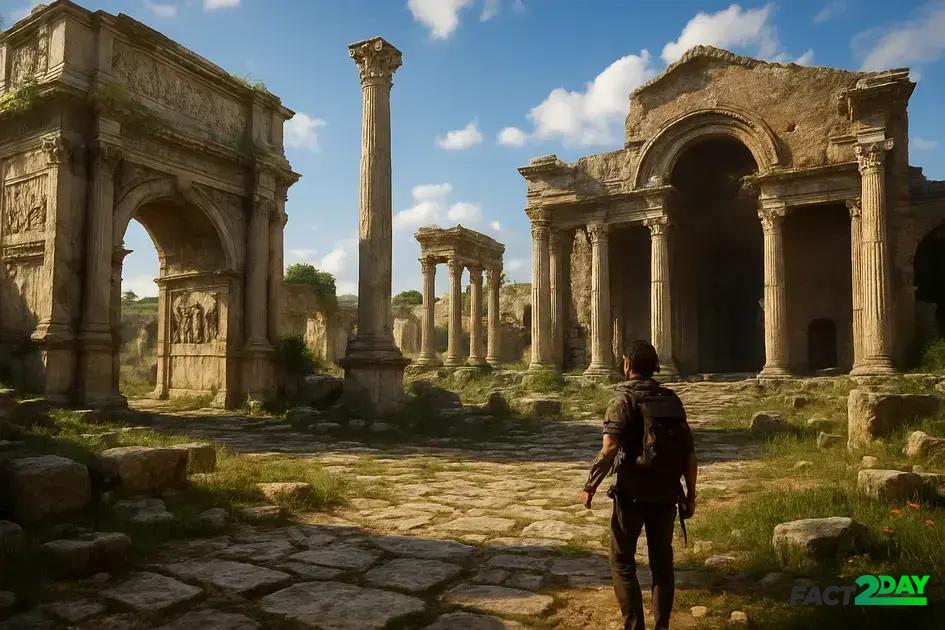
Games and Digital Heritage combine video game technology and cultural preservation to create immersive experiences that digitally preserve and reinterpret historical sites and events for education and engagement.
Have you ever wondered how Games and Digital Heritage come together to keep history alive? Video games today do more than entertain; they preserve and reinterpret historical sites and events, inviting players to experience history firsthand in vibrant, interactive ways.
Understanding digital heritage and its significance
Digital heritage refers to the preservation and representation of cultural, historical, and archaeological data through digital technologies. It plays a crucial role in safeguarding our shared past by transforming fragile artifacts, monuments, and sites into accessible digital formats. This process helps protect heritage from physical decay, natural disasters, or human damage.
One of the key benefits of digital heritage is its ability to democratize access to history. Through virtual tours, 3D models, and interactive platforms, people worldwide can explore and learn about historical sites without leaving their homes. This opens new avenues for education and cultural exchange.
Moreover, digital heritage supports research and restoration efforts. Scholars use digital scans and reconstructions to study artifacts in detail, uncovering insights that help in accurate preservation and restoration. It also facilitates collaboration across disciplines and countries, combining expertise for better conservation strategies.
Understanding digital heritage helps us see how technology bridges the past and present, making history alive and engaging for future generations. It ensures that valuable cultural treasures are not lost but continue to inspire and educate through innovative digital experiences.
How video games preserve historical accuracy
Video games have become powerful tools for preserving historical accuracy by carefully researching and recreating details from the past. Developers often collaborate with historians, archaeologists, and experts to ensure that costumes, architecture, landscapes, and cultural elements are authentically represented.
Research and Collaboration
Historical games undergo extensive research to depict accurate timelines and events. This includes studying old texts, maps, photographs, and artifacts. When possible, experts are consulted to avoid mistakes and provide insight that enriches the gaming experience.
Attention to Detail
Accurate environments involve precise scaling, textures, and colors. Designers recreate buildings, cities, and landscapes as they existed, offering players a realistic glimpse into history. Even small details like period-appropriate tools, language, and social customs are included to enhance authenticity.
Balancing Accuracy with Engagement
While accuracy is important, games also focus on compelling storytelling and playability. Some elements may be simplified or adjusted for better gameplay, but the core historical facts and atmosphere remain true. This balance ensures players learn history while staying engaged.
By preserving historical accuracy, video games transform learning into an immersive and interactive experience, making history accessible and memorable for a wide audience.
Reinterpreting historical events through gameplay
Video games often go beyond simply recreating history by offering players the chance to reinterpret historical events through gameplay. This allows users to explore different perspectives, outcomes, and decisions that may not be possible in traditional history lessons.
Interactive Storytelling
Games provide a platform where stories unfold based on player choices. This interactivity allows players to engage deeply with historical narratives, imagining how small changes could affect the course of events. It encourages critical thinking about cause and effect in history.
Multiple Perspectives
Many games include characters from different backgrounds, giving players insight into diverse viewpoints often missing from standard accounts. This broadened perspective helps players understand the complexity of historical events and the people involved.
Alternate Histories and What-If Scenarios
Some games explore alternate timelines or what-if scenarios, providing a creative space to question “what could have happened?” These reinterpretations spark curiosity and invite players to learn more about actual history.
By reinterpreting history through gameplay, video games engage players emotionally and intellectually, making history dynamic and thought-provoking.
The impact of immersive environments on learning history
Immersive environments in video games offer a unique way to learn history by placing players directly in richly detailed worlds. These digital settings allow users to experience historical events and cultures first-hand, making learning more engaging and memorable.
Enhanced Engagement
Players are actively involved in exploring ancient cities, battlefields, or famous landmarks. This hands-on experience increases interest and curiosity, which helps information stick better than passive reading or lectures.
Multi-Sensory Learning
Immersive games stimulate sight, sound, and sometimes even touch through controllers, creating a multi-sensory learning experience. This helps in understanding complex historical contexts more deeply.
Active Exploration and Interaction
Players can interact with historical characters, objects, and environments. This interaction encourages critical thinking and problem-solving based on historical facts, making it easier to grasp timelines, causes, and effects.
The impact of immersive environments means that history education becomes an exciting journey rather than a static process, helping learners of all ages connect with the past in meaningful ways.
Examples of iconic historical sites in games
Several video games feature iconic historical sites that help players explore and appreciate cultural landmarks from around the world. These digital reproductions bring famous places to life with great attention to detail.
Assassin’s Creed Series
This popular franchise is known for its accurate representations of historical cities, such as Renaissance Florence, Ancient Egypt, and Victorian London. Players can wander freely through landmarks like the Colosseum and Notre-Dame Cathedral, learning about their history while completing missions.
Civilization Series
While more abstract, the Civilization games include famous world wonders, such as the Great Pyramid of Giza and Machu Picchu. These sites impact gameplay and offer educational moments about their historical importance.
Shadow of the Tomb Raider
This game highlights Central and South American historical sites, including advanced depictions of Mayan and Incan ruins. Players uncover these ancient locations while engaging challenges and explorations.
By showcasing such iconic historical sites, these games create immersive ways for players to connect with the past and understand global heritage through entertainment.
The role of storytelling in historical games
Storytelling plays a vital role in historical games by weaving facts and events into engaging narratives. It helps players connect emotionally and intellectually with the past, making history more relatable.
Creating Emotional Connections
Through well-crafted characters and storylines, games bring history to life. Players experience the struggles, victories, and everyday lives of people from different eras, which deepens understanding and empathy.
Driving Engagement and Immersion
Stories motivate players to explore historical worlds and complete missions. This active participation encourages learning by placing players at the center of historical events rather than as passive observers.
Balancing Fact with Fiction
Historical games blend real events with creative storytelling to maintain player interest. While some details may be fictionalized for narrative flow, core historical contexts are preserved to ensure educational value.
The role of storytelling is essential in transforming history into an interactive and memorable experience that appeals to diverse audiences.
Challenges in balancing entertainment and accuracy
Balancing entertainment and accuracy in historical video games is a significant challenge for developers. While players expect engaging gameplay, maintaining historical authenticity is essential for educational value and respect for real events.
Creative Freedom vs. Historical Facts
Game creators often face decisions about when to take creative liberties. Simplifying complex events or adding fictional elements can improve gameplay but may risk distorting historical truth.
Audience Expectations
Different players seek different experiences—some prioritize fun and exploration, while others value strict accuracy. Developers must find ways to satisfy both without compromising the game’s integrity.
Resource and Technical Limitations
Replicating detailed historical settings and events requires time, money, and technology. Limitations can force compromises in accuracy, especially for lesser-known sites or nuanced cultural details.
Addressing these challenges requires careful planning, collaboration with experts, and transparency about which parts of the game are fictionalized, helping players appreciate both the educational and entertainment aspects.
The technology behind digital reconstruction
Digital reconstruction uses advanced technology to recreate historical sites and artifacts in detailed, interactive formats. This process combines various tools to ensure accuracy and immersion.
3D Scanning and Photogrammetry
These techniques capture real-world objects and structures with precision. 3D scanning uses lasers to collect spatial data, while photogrammetry creates models from photographs taken at multiple angles.
Computer Modeling and Simulation
Once data is collected, artists and developers use software like CAD and game engines to build digital models. These can simulate lighting, textures, and physics to mimic how the site appeared and behaved historically.
Virtual and Augmented Reality
VR and AR technologies allow users to experience reconstructions immersively. VR immerses users in fully digital environments, while AR overlays historical information onto physical locations using devices like smartphones or glasses.
The technology behind digital reconstruction enables preservation and exploration of heritage in engaging, accessible ways that reach broad audiences worldwide.
Community involvement in digital heritage projects
Community involvement is vital for the success of digital heritage projects. It ensures that the preservation of history reflects diverse perspectives and fosters a sense of ownership among local people.
Collaborative Research and Data Collection
Communities often help gather information, oral histories, and photographs that enrich digital reconstructions. Their firsthand knowledge adds depth and authenticity that formal records might miss.
Participatory Design and Development
Engaging local artists, historians, and tech enthusiasts in the creation process promotes cultural accuracy and meaningful storytelling. This collaboration strengthens the connection between technology and tradition.
Educational and Outreach Programs
Communities can lead workshops, virtual tours, and exhibitions that make digital heritage accessible to broader audiences. This involvement supports ongoing learning and pride in cultural assets.
Community involvement in digital heritage projects builds trust and enriches outcomes by combining expert knowledge with local experiences, ensuring heritage is preserved respectfully and inclusively.
Educational benefits of historical video games
Historical video games offer numerous educational benefits by engaging players in interactive learning experiences. These games make history accessible and appealing to diverse audiences, especially younger learners.
Active Learning through Interaction
Players actively participate in historical events and decision-making, which helps deepen their understanding of cause and effect. This hands-on approach encourages curiosity and retention of historical facts.
Developing Critical Thinking Skills
Many historical games present complex scenarios requiring players to analyze information and make strategic choices. This fosters critical thinking and problem-solving abilities related to historical contexts.
Enhancing Empathy and Perspective
By experiencing stories from various viewpoints, players develop empathy for people from different cultures and times. This broadens their perspective on history beyond textbooks.
Educational benefits of historical video games demonstrate how gaming can complement traditional learning, making history both fun and meaningful.
Future trends in games and digital heritage
Future trends in games and digital heritage promise to deepen the connection between history and technology, enhancing how we explore and understand the past. Rapid advancements are shaping new opportunities and experiences.
Integration of Artificial Intelligence
AI will play a greater role in creating dynamic historical environments that respond to player actions. This technology enables more personalized and adaptive storytelling, making history feel alive and relevant.
Expanded Use of Virtual and Augmented Reality
VR and AR will become more immersive and accessible, allowing users to explore historical sites and artifacts with unprecedented realism. These tools will transform education and tourism by blending physical and digital worlds.
Collaborative and Social Experiences
Multiplayer and community-driven projects will encourage users to co-create and share digital heritage content. This participatory approach will foster global engagement and preserve diverse cultural narratives.
Future trends in this field will focus on blending innovation with authenticity, creating rich, educational, and interactive experiences for all users.
How to engage with games that showcase history
Engaging with video games that showcase history can deepen your understanding of past events and cultures while enjoying an interactive experience. Here are ways to get the most out of these games.
Research the Historical Context
Before playing, familiarize yourself with the era or events the game covers. This background knowledge enriches your experience, helping you recognize details and appreciate the game’s efforts to stay accurate.
Play Actively with Curiosity
Explore the game world thoroughly, interact with characters, and pay attention to historical clues in dialogue and environment. This active approach promotes deeper learning and engagement.
Discuss and Share
Join gaming communities or forums focused on historical games. Sharing insights, asking questions, and debating interpretations enhances your understanding and keeps the experience social.
Use Supplementary Resources
Complement gameplay with books, documentaries, or museum visits related to the game’s subject. This broadens your perspective and verifies the historical accuracy presented in the game.
Engaging with historical games thoughtfully turns entertainment into a meaningful educational journey that connects you to the past.
Wrapping Up
Video games that showcase history provide a fun and interactive way to learn about the past. By engaging actively and using additional resources, players can deepen their understanding and appreciation of historical events.
These games open doors to exploring diverse cultures and perspectives while making history accessible to everyone. Whether you’re a casual gamer or a history enthusiast, embracing these experiences can turn learning into an exciting journey.
So, dive into historical games with curiosity and enjoy the unique blend of education and entertainment they offer.