Your Plate, Your Armor: How Specific Foods Act as Powerful Allies for a Strong Immune System
Explore how Food and the Immune System work together to boost your health and build resilience with the right foods on your plate.
Goosebumps from music, known as frisson, occur when the brain triggers reward and fear centers simultaneously, creating a thrilling yet pleasurable chill response.
Have you ever noticed how certain meals leave you feeling more energized and resilient? Well, that’s no coincidence—your Food and the Immune System connection is a fascinating dance that fuels your body’s defense. Let’s dive into how what’s on your plate can be your strongest armor.
Understanding the immune system basics
The immune system is your body’s natural defense network against germs like bacteria, viruses, and other invaders. It’s made up of many parts including white blood cells, antibodies, and organs like the spleen and lymph nodes. These work together to detect and destroy harmful substances.
White blood cells act like soldiers, identifying threats and signaling other parts of the immune system to respond. Antibodies are proteins that specifically target and neutralize germs, preventing infections from spreading.
The immune system has two main parts: the innate and adaptive immunity. The innate immunity is the first line of defense, providing a quick, general response. Adaptive immunity is more specialized and creates memory cells that remember past infections, making it easier to fight them off in the future.
Understanding how these components work helps us appreciate why supporting the immune system through good nutrition and healthy habits is so important. It’s a complex but fascinating system that keeps us safe every day.
The role of nutrition in immune health
Nutrition plays a crucial role in maintaining a strong immune system. The body needs a variety of nutrients to build and support immune defense, including vitamins, minerals, and antioxidants. Eating a balanced diet with colorful fruits and vegetables provides these essential elements.
Key Nutrients for Immunity
Vitamin C boosts the production of white blood cells, which help defend against infections. Found in citrus fruits, strawberries, and bell peppers, it’s a vital part of immune support.
Vitamin D regulates immune responses and reduces inflammation. It can be obtained from sunlight exposure, fatty fish, and fortified dairy products.
Zinc helps activate immune cells and promotes healing. Foods like nuts, seeds, and legumes are rich in zinc.
Antioxidants protect cells from damage caused by free radicals. Berries, spinach, and nuts are great sources.
Balanced Diet and Immune Health
Eating a variety of whole foods ensures your body has what it needs to stay resilient. Avoiding processed foods and excessive sugar helps prevent inflammation that can weaken immune function.
Hydration also supports your immune system by helping carry nutrients to cells and flushing out toxins. Drinking plenty of water throughout the day is important.
By focusing on nutrient-rich foods and a balanced diet, you give your immune system the best chance to protect your body effectively.
Top vitamins and minerals that strengthen immunity
Vitamins and minerals are essential nutrients that play key roles in supporting a healthy immune system. They help the body produce immune cells, fight infections, and repair damaged tissues.
Vitamin C
This vitamin is well known for boosting immunity. It supports the function of white blood cells and acts as a powerful antioxidant, protecting cells from damage. Citrus fruits, strawberries, and broccoli are excellent sources.
Vitamin D
Vitamin D helps regulate immune responses and reduces inflammation. A lack of vitamin D can weaken immunity. It is found in fatty fish, egg yolks, and fortified foods, and is produced by the body when exposed to sunlight.
Zinc
Zinc plays a crucial role in activating immune cells and promoting wound healing. Foods like pumpkin seeds, nuts, meats, and beans provide good amounts of zinc.
Vitamin A
Vitamin A supports the health of the skin and mucous membranes, which act as physical barriers against pathogens. Carrots, sweet potatoes, and dark leafy greens are rich in vitamin A.
Iron
Iron is important for immune cell proliferation and function. It helps transport oxygen in the blood, which is vital for energy and healing. Red meat, lentils, and spinach are good sources of iron.
Selenium
Selenium is a mineral that aids in antioxidant defense and helps regulate the immune system’s response. Brazil nuts, fish, and eggs contain selenium.
Getting a balanced intake of these vitamins and minerals through diverse and nutrient-rich foods helps strengthen your immune system and keep your body prepared to fight infections.
Foods rich in antioxidants and their benefits
Antioxidants are compounds found in certain foods that help protect your body’s cells from damage caused by free radicals. Free radicals are unstable molecules that can harm cells, leading to inflammation and a weakened immune system.
Common antioxidant-rich foods
Berries like blueberries, strawberries, and raspberries are packed with antioxidants such as vitamin C and flavonoids. These help reduce oxidative stress and support immune function.
Dark chocolate contains powerful antioxidants called flavonoids that may improve immune response and protect against inflammation.
Leafy greens such as spinach and kale are rich in vitamin E and other antioxidants that help shield cells from damage and support overall health.
Nuts, especially walnuts and almonds, provide vitamin E and beneficial fats that enhance the immune system.
Benefits of antioxidants for immunity
Antioxidants neutralize free radicals, reducing oxidative stress and inflammation, which can weaken the immune defenses. By lowering inflammation, antioxidants help the immune system respond more effectively to threats.
Including a variety of antioxidant-rich foods in your diet supports cellular health and can lead to better immune resilience and overall well-being.
Probiotics and gut health connection
The gut is home to trillions of bacteria that form the microbiome, which plays a vital role in immune health. Probiotics are live beneficial bacteria that help maintain a balanced gut environment.
How probiotics support immunity
Probiotics improve gut barrier function, preventing harmful bacteria from entering the bloodstream. They also stimulate the production of natural antibodies and support the activity of immune cells like T lymphocytes and macrophages.
Eating probiotic-rich foods, such as yogurt, kefir, sauerkraut, and kimchi, can replenish beneficial bacteria, enhancing immune defenses and reducing inflammation.
The gut-immune system link
About 70% of the immune system is located in the gut-associated lymphoid tissue (GALT), showing how closely connected gut health is to immune function. A healthy microbiome trains immune cells to respond appropriately to threats while avoiding unnecessary inflammation.
Maintaining gut health with probiotics and prebiotic fiber supports strong immunity, helps fight infections, and may reduce the risk of autoimmune diseases.
How hydration impacts immune function
Hydration is essential for your immune system to function properly. Water helps transport nutrients to cells and flushes out toxins from the body, supporting overall health and immune defense.
Role of hydration in immune health
Proper hydration keeps the mucous membranes in your respiratory tract moist, which acts as a barrier against viruses and bacteria. Dry membranes are more vulnerable to infections.
Water also aids in the production of lymph, a fluid that carries white blood cells throughout the body to fight infections. Without enough fluids, lymph becomes thicker and less efficient at circulating immune cells.
Staying hydrated supports kidney function, which helps remove waste and bacteria, reducing the risk of infections and inflammation.
Tips to maintain good hydration
Drink plenty of water throughout the day, aiming for about eight 8-ounce glasses or more if you’re active. Include hydrating foods like cucumbers, watermelon, and oranges as part of your diet.
Avoid excessive caffeine and alcohol, as they can lead to dehydration and strain your immune system.
Overall, staying well-hydrated is a simple but powerful way to support your body’s natural defenses.
Inflammation: the immune system’s double-edged sword
Inflammation is a natural response by your immune system to fight infections and heal injuries. It triggers redness, heat, swelling, and pain to protect your body from harm.
The dual role of inflammation
Acute inflammation is helpful and short-term. It contains infections and helps repair damaged tissues. When you get a cut, for example, inflammation prevents germs from spreading and starts the healing process.
Chronic inflammation, on the other hand, happens when the immune system stays active too long or reacts to harmless triggers. This ongoing inflammation can harm healthy cells and weaken your immune defenses.
How chronic inflammation affects immunity
Long-term inflammation is linked to diseases like arthritis, heart disease, and autoimmune disorders. It causes the immune system to attack your own body, making it harder to fight real threats.
Factors like poor diet, stress, and lack of sleep can increase chronic inflammation. Eating anti-inflammatory foods such as leafy greens, fatty fish, and nuts supports a balanced immune response.
Understanding inflammation’s double-edged nature helps you make lifestyle choices that promote healing without causing harm to your immune system.
Superfoods that act as immune boosters
Superfoods are nutrient-rich foods that provide powerful support to your immune system. Including these foods in your diet can help strengthen your body’s natural defenses.
Examples of immune-boosting superfoods
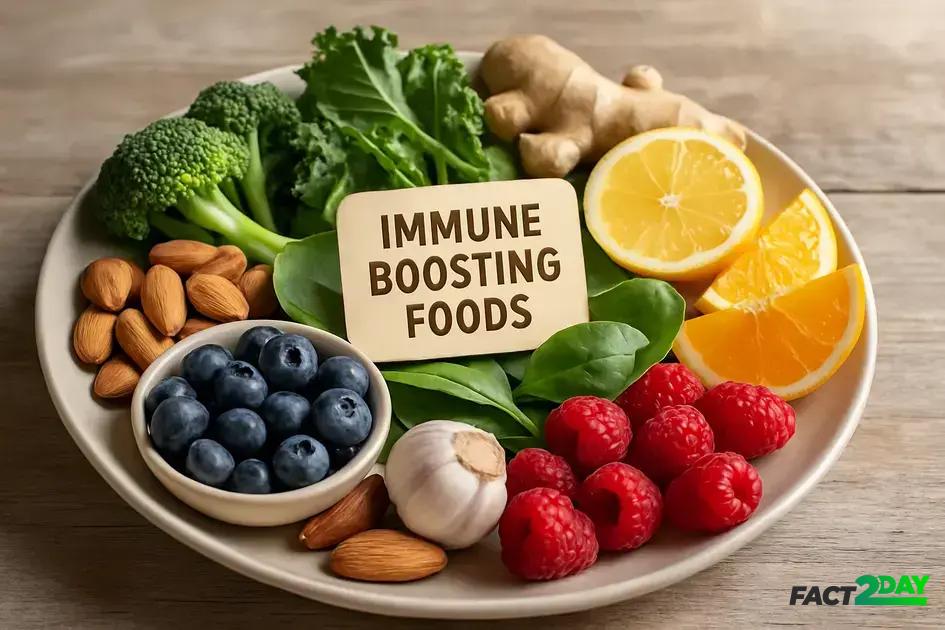
Garlic contains sulfur compounds that enhance immune cell function and help fight infections.
Turmeric has curcumin, a compound with strong anti-inflammatory and antioxidant properties that support immune health.
Ginger helps reduce inflammation and has antioxidant effects that strengthen immune responses.
Blueberries are rich in antioxidants, vitamins, and fiber, which all contribute to healthy immune function.
Spinach offers vitamins A, C, and E, plus antioxidants that protect immune cells and aid in their function.
How to include superfoods in your diet
Add garlic and ginger to your meals as spices or fresh ingredients. Use turmeric in teas or curries. Enjoy blueberries as snacks or in smoothies. Incorporate spinach in salads, soups, and smoothies for an easy nutrient boost.
Regularly eating these superfoods can help keep your immune system strong to fight off infections and stay healthy.
Lifestyle habits that complement immune-friendly foods
Adopting healthy lifestyle habits alongside a diet rich in immune-supportive foods greatly enhances your body’s defenses. Small daily choices can make a big impact.
Regular exercise
Physical activity helps boost circulation, allowing immune cells to move freely and detect infections early. Aim for at least 30 minutes of moderate exercise most days.
Quality sleep
Sleep is vital for immune function. During deep sleep, the body repairs cells and produces infection-fighting proteins. Adults should target 7-9 hours of restful sleep per night.
Stress management
Chronic stress weakens the immune system by releasing cortisol, which suppresses immune responses. Techniques like meditation, deep breathing, or hobbies can help reduce stress levels.
Hydration and moderation
Keeping hydrated supports immune cell transport and toxin removal. Limit alcohol and avoid smoking, as they impair immune defenses and increase vulnerability to illness.
Social connection
Positive social interactions can strengthen immunity by reducing stress and supporting mental health. Maintaining strong relationships and community bonds is important for overall wellbeing.
Combining these lifestyle habits with nutrient-rich foods ensures a balanced and effective immune system, helping you stay healthy and resilient.
Tips for creating an immune-supportive meal plan
Creating a meal plan that supports your immune system starts with choosing nutrient-dense foods that provide vitamins, minerals, and antioxidants.
Focus on variety and color
Include a wide range of fruits and vegetables in different colors to get diverse nutrients and antioxidants. Foods like berries, leafy greens, carrots, and bell peppers offer powerful immune support.
Include lean proteins
Proteins provide amino acids needed for immune cell production. Opt for lean meats, poultry, fish, eggs, and plant-based sources like beans and lentils.
Incorporate healthy fats
Healthy fats from sources such as olive oil, nuts, seeds, and fatty fish help reduce inflammation and support cell membranes in the immune system.
Limit processed foods and sugars
Avoid excess sugar and highly processed snacks that can weaken immunity and cause inflammation.
Plan for hydration
Include plenty of fluids like water, herbal teas, and broths to keep your body hydrated and help immune function.
Sample meal ideas
Start your day with a smoothie full of berries, spinach, and yogurt. For lunch, enjoy a quinoa salad with colorful vegetables and grilled chicken. Dinner could include roasted salmon with steamed broccoli and sweet potatoes.
By planning meals ahead and focusing on whole, nutritious foods, you can give your immune system the fuel it needs every day.
Strengthen your immune system with food and lifestyle
Choosing the right foods along with healthy lifestyle habits can greatly boost your immune system. A balanced diet rich in vitamins, minerals, antioxidants, and probiotics helps support your body’s defenses every day.
Remember to stay hydrated, get enough sleep, exercise regularly, and manage stress to keep your immune system strong. Planning meals with immune-supportive foods ensures you get the nutrients needed to fight off illness.
Small daily choices add up, so start incorporating these tips today and make your plate your strongest armor for a healthier future.