You Are What You Eat (and Where You’re From): Food as a Cornerstone of Cultural Identity
Explore how Food Anthropology Cultural Identity shapes our sense of self and community through the foods we cherish every day.
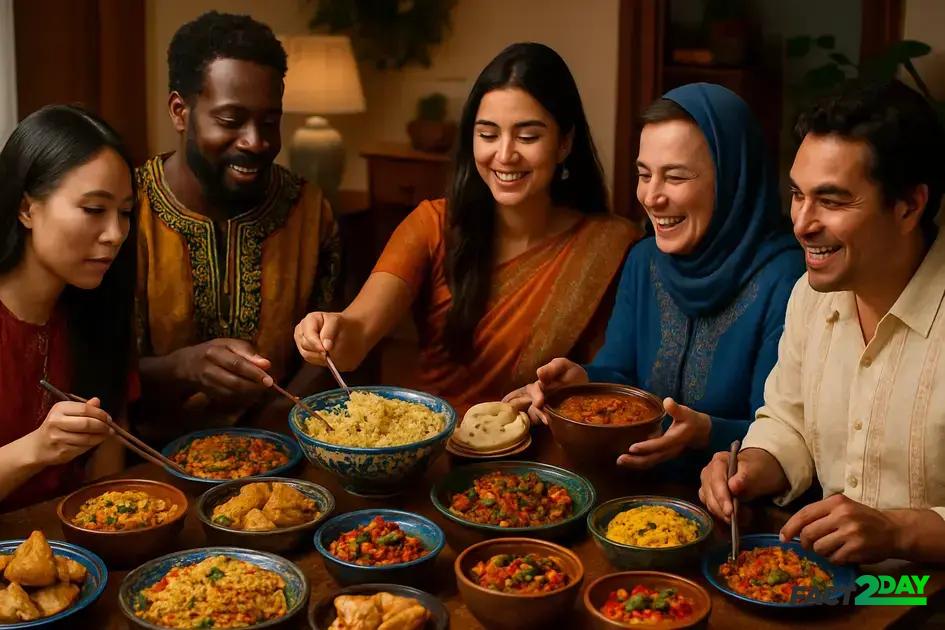
Food anthropology and cultural identity show us that food is not just about eating – it’s about storytelling, history, and connection. Food reflects our backgrounds, beliefs, and the communities we belong to. As cultures mix and change, food evolves too, blending tradition with innovation.
By understanding and appreciating food’s role in shaping who we are, we can celebrate diversity and keep important cultural practices alive. Food brings people together, sparks memories, and tells powerful stories about identity and belonging.
So next time you enjoy a meal, think about the rich history and culture behind it. Food is more than flavor – it’s a cornerstone of cultural identity that connects us all.
Ever wondered why certain foods instantly remind you of home? That’s the fascinating world of Food Anthropology Cultural Identity at play. It’s not just about what we eat, but how food carries deep stories about who we are and where we come from. Ready to dig in?
Understanding food anthropology and its scope
Food anthropology is the study of the relationship between food and culture, exploring how what we eat influences our social behaviors, beliefs, and identities. This field examines how food practices tell us about human history, migration, and social connections across different communities.
Scope of food anthropology
It investigates everything from farming and cooking techniques to food rituals and eating habits. Anthropologists study how food reflects values, status, and group membership in societies worldwide.
Food is not just nutrition; it acts as a symbol of identity and tradition. For example, communal meals can strengthen bonds and mark significant life events. Studying food anthropology helps us appreciate the diversity of human experience through the lens of cuisine.
This discipline also addresses the impact of globalization on traditional foodways, showing how cultural exchange reshapes culinary practices and identities.
How food reflects cultural identity
Food often serves as a powerful expression of cultural identity, linking people to their heritage and community. The dishes people prepare and eat carry stories, traditions, and values passed down through generations.
Food as cultural symbolism
Certain foods symbolize cultural beliefs or historical events. For instance, rice is a staple in many Asian cultures, representing life and fertility. In Jewish culture, foods like matzah carry deep religious significance during Passover.
Social bonding through food
Sharing meals fosters social cohesion and cultural continuity. Community gatherings around traditional foods reaffirm identity and create a sense of belonging.
Identity in flavors and preparation
Distinctive spices, cooking methods, and presentation styles reveal cultural uniqueness. These culinary elements reflect geography, climate, and resource availability, shaping how communities develop their food identity.
Understanding how food reflects cultural identity helps us appreciate the richness and diversity of human societies around the world.
The role of traditional dishes in cultural preservation
Traditional dishes act as vital connectors to a community’s past, preserving flavors, techniques, and stories handed down over generations. These foods carry cultural wisdom that reflects the history, environment, and values of a people.
Preserving heritage through recipes
Many recipes are carefully guarded and passed orally or through practice, making them essential to maintaining cultural continuity. Preparing and sharing traditional dishes helps keep ancestral knowledge alive.
Cultural identity and pride
Serving traditional foods during festivals, holidays, or family gatherings strengthens cultural pride. These dishes symbolize belonging and respect for one’s ancestors.
Adapting tradition in modern times
While traditional dishes may evolve with ingredients or technique changes, their core essence remains a strong link to cultural roots. This adaptability allows cultures to preserve heritage in a changing world.
Understanding the role of traditional dishes highlights how food sustains a community’s identity and connects present generations to their heritage.
Food taboos and their cultural significance
Food taboos are restrictions within cultures that forbid certain foods or eating practices. These taboos often reflect deep-rooted beliefs about health, religion, morality, or social order, playing a key role in shaping cultural identity.
Religious and spiritual significance
Many food taboos originate from religious laws, such as the prohibition of pork in Islam and Judaism or the avoidance of beef in Hinduism. These restrictions symbolize respect for spiritual values and community cohesion.
Health and environmental reasons
Some taboos arise from practical concerns, like avoiding foods that may be harmful or scarce in a particular environment. These limits can promote sustainable use of resources and protect group health.
Social boundaries and identity
Food taboos help define social groups by distinguishing ‘us’ versus ‘them’ through what is considered edible. They reinforce group belonging and cultural boundaries.
Understanding food taboos reveals how cultural beliefs influence daily life and dietary choices, showing the complex link between food and identity.
The impact of globalization on food cultures
Globalization has greatly influenced food cultures, spreading ingredients, cooking techniques, and dishes worldwide. This exchange creates new culinary blends but can also challenge traditional food practices.
Positive effects of globalization
Access to diverse foods allows people to explore global flavors and enrich their diets. Fusion cuisines blend elements from different cultures, leading to innovative dishes enjoyed by many.
Challenges to food identity
Global food chains and mass production sometimes overshadow local foods, risking the loss of traditional recipes and ingredients. This can weaken cultural ties connected to food heritage.
Preserving cultural uniqueness
Communities respond by promoting local foods, food festivals, and sustainable practices that honor their culinary roots. Education about food origins helps maintain a strong cultural identity despite global influences.
Understanding globalization’s impact shows how food cultures evolve while striving to keep their unique flavors and meanings alive.
Rituals and ceremonies centered on food
Food plays a central role in many rituals and ceremonies, acting as a bridge between the physical and spiritual worlds. It symbolizes community, celebration, and respect in various cultural events.
Food in religious rituals
Many religions incorporate food offerings, fasts, or feasts to honor deities, ancestors, or important events. For example, in Hinduism, prasadam is food blessed and shared among devotees.
Ceremonial meals and social bonding
Special dishes served during weddings, funerals, or harvest festivals help strengthen social ties and pass traditions to future generations.
Symbolism and meaning in food
Certain foods represent prosperity, fertility, or protection. The preparation and sharing of these meals contain rich symbolism that reinforces cultural values and collective identity.
Understanding these rituals reveals how food acts as a powerful cultural connector beyond mere nourishment.
Food as a language: communicating identity through cuisine
Food functions as a unique language that communicates cultural identity without words. Through ingredients, preparation, and presentation, cuisine expresses history, values, and social connections.
Ingredients as cultural symbols
Specific foods often symbolize a community’s environment and lifestyle. For example, seafood is common in coastal cultures, while grains are central in agrarian societies.
Cooking methods tell stories
Traditional cooking techniques passed down through families reveal cultural heritage. Methods like fermentation, smoking, or baking carry meanings tied to survival and celebration.
Communicating identity at the table
Sharing traditional dishes conveys belonging and pride. The way food is served and eaten can signal social roles and cultural norms, making cuisine a form of silent communication.
Understanding food as a language helps us appreciate how deeply intertwined food is with culture and identity across societies.
Migration and its influence on food practices
Migration has a profound impact on food practices, as people bring their culinary traditions to new places and adapt to available ingredients and local tastes. This blending creates dynamic food cultures that reflect diverse histories and identities.
Preserving culinary heritage
Immigrant communities often maintain traditional recipes as a way to stay connected to their homeland. Cooking familiar dishes provides comfort and a sense of belonging in unfamiliar environments.
Adapting to new environments
Migration also forces adaptation. People substitute local ingredients or modify cooking methods to fit their new surroundings without losing cultural significance.
Culinary fusion and innovation
Over time, migrant cuisines influence local food scenes, leading to fusion dishes that combine flavors and techniques. This exchange enriches both the migrant and host cultures.
Understanding migration’s role in food practices reveals how identity evolves while honoring cultural roots through cuisine across generations.
The psychology behind food preferences and identity
Food preferences are deeply tied to psychology and identity, reflecting more than just taste. They connect to emotions, memories, and cultural background, shaping how people relate to food and themselves.
Emotional connections to food
Many food choices are linked to comfort and nostalgia. Familiar flavors often evoke strong feelings of home and security, influencing lifelong preferences.
Social and cultural influences
People tend to prefer foods common in their culture or social group. These preferences help reinforce identity and belonging.
Personal identity expressed through diet
Choosing certain foods, like vegetarianism or traditional dishes, can be a way to express beliefs, values, and cultural pride.
Understanding the psychology behind food preferences provides insight into how eating patterns form part of our identity and social experience.
The economic aspects of food culture
The economic aspects of food culture are significant, influencing how communities grow and sustain themselves. Food production, trade, and consumption directly affect local and global economies.
Food as a livelihood
Many people depend on food-related activities like farming, fishing, and cooking for their income. These roles shape social structures and cultural practices within communities.
Markets and trade
Food markets are centers of economic activity, where traditional and modern products are bought and sold. Trade routes have historically spread food items and culinary ideas worldwide.
Economic globalization and food
Global demand impacts food production methods, pricing, and availability. While this can bring prosperity, it also risks marginalizing small producers and altering traditional food cultures.
Understanding the economic dimensions of food culture reveals how food connects cultural identity with economic survival and development.
Food storytelling and oral traditions
Food storytelling and oral traditions are vital ways cultures pass down knowledge, history, and values through generations. Stories around meals help preserve cultural identity and explain the significance of certain foods.
Stories that connect people
Sharing stories about how dishes were created or their role in festivals strengthens community bonds and personal connections to heritage.
The role of elders and storytellers
Elders often share food stories that teach younger generations about traditions, respect, and cultural values associated with food.
Food narratives in rituals and celebrations
During special occasions, narratives explain the symbolism behind certain foods and their preparation, making the experience meaningful and educational.
Appreciating food storytelling helps us understand how cuisine goes beyond nourishment to become a powerful cultural tool for preserving identity.
Urbanization and changing food identities
Urbanization significantly impacts food identities as people move from rural areas to cities. This shift changes how food is produced, prepared, and consumed, blending traditional and modern culinary practices.
Loss and adaptation of traditional foods
In urban areas, access to local ingredients can be limited. This forces communities to adapt recipes or adopt new foods, sometimes leading to the gradual loss of traditional dishes.
Emergence of fusion cuisines
Cities are melting pots of cultures, resulting in innovative fusion cuisines that combine elements from different food traditions. These hybrids reflect new identities shaped by urban life.
Changes in eating habits
Urban lifestyles often demand quick and convenient meals, increasing reliance on fast food and processed items. This shift affects health, food culture, and identity.
Understanding urbanization’s role in transforming food identities helps us appreciate the dynamic nature of culture amid changing environments.
Preserving food heritage in a modern world
Preserving food heritage in a modern world is essential for maintaining cultural identity amid rapid change. Traditional recipes, cooking methods, and food rituals face challenges from globalization and technological advances.
Role of families and communities
Families pass down recipes and cooking skills, keeping culinary traditions alive. Community events and festivals celebrate heritage foods and encourage sharing knowledge.
Use of technology in preservation
Digital platforms help document and share traditional recipes globally, making heritage accessible to younger generations and diverse audiences.
Balancing innovation and tradition
Modern chefs and home cooks often blend traditional flavors with new techniques, ensuring food heritage evolves without losing its core identity.
Recognizing the importance of preserving food heritage helps us honor our past while adapting to the future.
The future of food anthropology and cultural identity
The future of food anthropology and cultural identity lies in exploring how evolving food practices reflect changing societies. This field will increasingly focus on the intersection of technology, globalization, and cultural preservation.
Emerging trends in food anthropology
Researchers will study how digital media influences food culture, from online food communities to virtual cooking classes, expanding the ways cultures share and preserve their culinary heritage.
Technology and food identity
Innovations like lab-grown meat and alternative proteins challenge traditional food norms but also create new cultural meanings around sustainability and ethics.
Globalization and cultural resilience
While globalization spreads food ideas widely, it also sparks efforts to protect unique food traditions and identities through policies, education, and community engagement.
Studying the future of food anthropology offers insights into how food will continue to shape cultural identity in a rapidly changing world.
Understanding the deep connection between food and culture
Food is much more than just sustenance; it reveals who we are and where we come from. By studying food anthropology and cultural identity, we see how meals tell stories, preserve traditions, and build communities.
As our world changes with globalization, technology, and migration, food cultures evolve but continue to play a vital role in shaping identity. Embracing and preserving these food traditions helps us stay connected to our roots and appreciate the richness of diverse cultures.
Recognizing the power of food in cultural identity encourages us to value not only what we eat but also the meanings behind it, fostering understanding and respect among communities worldwide.