Life’s Last Bastions: The Incredible Microbes Thriving in Earth’s Hottest, Coldest, and Most Toxic Places
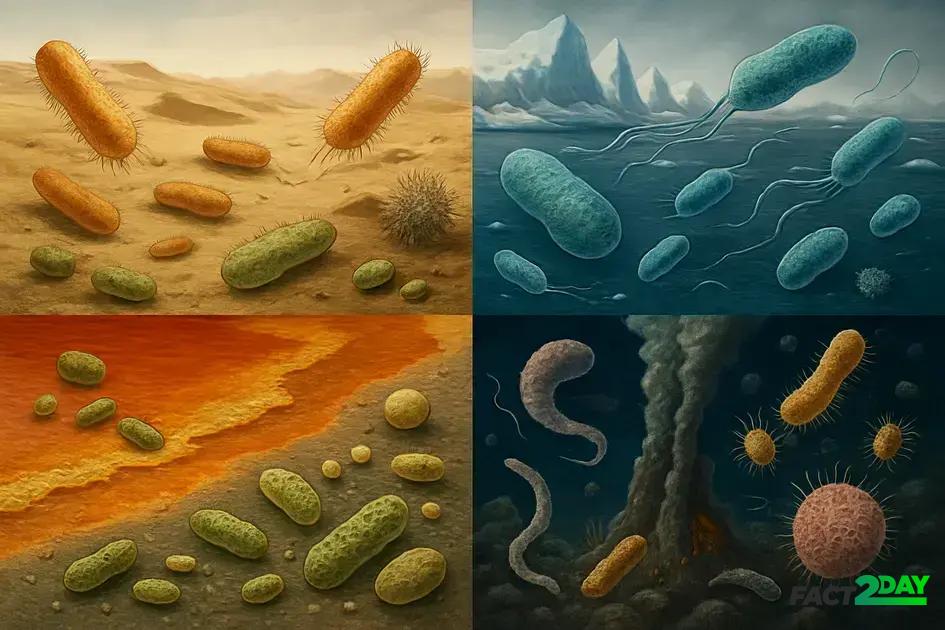
Extreme Earth Environments Microbes reveal fascinating life forms thriving where few dare to survive, from searing heat to freezing cold.
Music triggers goosebumps, known as frisson, when the brain activates reward and fear areas simultaneously, creating a thrilling yet pleasurable chill tied to emotional significance.
Have you ever wondered about the tiny creatures that call the most unforgiving places on Earth home? Extreme Earth Environments Microbes thrive in environments that seem completely hostile to life. Let’s dive into these incredible survivors and discover their secrets.
Understanding extreme Earth environments
Extreme Earth environments are places where conditions are so harsh that few forms of life can survive. These include areas with intense heat, such as volcanic regions; freezing cold like polar ice caps; highly acidic lakes; and deep-sea hydrothermal vents with high pressure and toxic chemicals. Understanding these environments helps us appreciate how life adapts and evolves under stress. Extreme environments challenge organisms with factors like temperature extremes, high salinity, radiation, and limited nutrients, making them unique laboratories for studying biology and survival.
Types of Extreme Environments
There are several types of extreme environments on Earth. Hot deserts and geothermal springs feature scorching heat and dryness. Polar regions present freezing temperatures and ice-covered landscapes. Acidic or alkaline lakes create chemical challenges. The deep ocean exposes life to immense pressure and darkness. Each environment tests the limits of life differently.
Why Studying Extreme Environments Matters
By exploring extreme Earth environments, scientists can uncover the secrets of microbial survival and adaptation. These studies have applications in biotechnology, astrobiology, and environmental science. Learning how microbes thrive in such conditions may lead to innovations such as new medicines, enzymes, or insights into the potential for life on other planets.
Types of microbes in harsh habitats
Microbes that inhabit harsh habitats are incredibly diverse and specially adapted to survive extreme conditions. These microorganisms include bacteria, archaea, and some fungi, each thriving in niches like hot springs, acidic mines, salty lakes, and frozen tundras. These extremophiles display unique traits that allow them to endure intense heat, cold, acidity, salinity, or radiation.
Bacteria and Archaea
Bacteria and archaea dominate extreme environments. Thermophiles thrive in hot habitats like hydrothermal vents, with enzymes that function at high temperatures. Psychrophiles are cold-loving microbes found in glaciers and polar waters. Acidophiles survive in acidic conditions, such as sulfuric hot springs, while halophiles flourish in highly salty environments like salt flats.
Fungi and Other Microbes
Although less common, certain fungi and protists have adapted to extreme habitats, often by forming protective structures or slowing their metabolism. These microbes play crucial roles in nutrient cycling and ecosystem balance, even under severe environmental pressures.
Microbial Adaptations
Microbes in harsh habitats use multiple adaptations such as unique membrane lipids, specialized proteins, and DNA repair mechanisms to resist damage. These strategies enable them to maintain cellular function in conditions that would be lethal to most life forms.
How microbes survive extreme heat
Microbes surviving extreme heat have evolved remarkable strategies to withstand high temperatures that would destroy most life forms. Thermophilic microbes possess proteins and enzymes that remain stable and functional at temperatures exceeding 100°C, such as those near hydrothermal vents or in hot springs.
Protein Stability and Heat-Resistant Enzymes
These microbes produce specialized enzymes with unique folding patterns that resist denaturation. Their proteins often have more ionic bonds and hydrophobic cores, providing extra stability during heat stress.
Membrane Adaptations
The cell membranes of heat-loving microbes contain saturated fatty acids and unique lipids that prevent melting and maintain membrane integrity. This helps regulate fluidity and protect cellular components.
DNA Protection and Repair
Heat-resistant microbes deploy efficient DNA repair systems and produce protective molecules like chaperones. These chaperones help refold damaged proteins and protect DNA from heat-induced damage.
Energy and Metabolism
Thermophiles often use unique metabolic pathways adapted to high temperatures, allowing them to efficiently extract energy while minimizing heat damage. They may also form biofilms that provide communal protection.
Microbial life in freezing temperatures
Microbial life in freezing temperatures survives by using special adaptations to cope with the cold. Psychrophilic microbes thrive in environments like polar ice, permafrost, and glaciers, where temperatures often stay below freezing. These microbes have unique molecules that prevent ice crystals from forming inside their cells, which could cause damage.
Antifreeze Proteins and Membrane Fluidity
Many cold-adapted microbes produce antifreeze proteins that inhibit ice formation and protect cellular structures. Additionally, they adjust their cell membranes by increasing unsaturated fatty acids, keeping membranes fluid and functional despite the low temperatures.
Enzyme Adaptations
Enzymes in psychrophiles are adapted to work efficiently at low temperatures. They are more flexible than those in organisms from warmer environments, allowing important chemical reactions to continue even in the cold.
Metabolic Strategies
Microbes surviving in freezing cold often slow their metabolism to conserve energy. Some enter dormant states during the harshest periods, reactivating when conditions improve. Others utilize available nutrients carefully to sustain essential functions.
Environmental Impact
These microbes play vital roles in nutrient cycling within cold ecosystems. By breaking down organic matter and supporting food webs, they help maintain ecological balance even under extreme cold stress.
Toxic environments and microbial adaptation
Toxic environments, such as areas contaminated with heavy metals, radioactive waste, or industrial chemicals, pose serious challenges for life. Yet, certain microbes have developed unique adaptations to survive and even thrive in these hazardous settings. Microbial adaptation in toxic environments involves mechanisms that detoxify harmful substances and protect cellular components.
Detoxification Mechanisms
Many microbes can transform toxic chemicals into less harmful forms through biochemical processes. For example, some bacteria reduce heavy metals by converting them into insoluble compounds, reducing their toxicity. Others produce enzymes that break down harmful organic pollutants.
Resistance to Radiation and Chemicals
Some microbes have evolved robust DNA repair systems allowing them to withstand high radiation levels that damage genetic material. Additionally, they produce protective proteins and antioxidants to neutralize reactive molecules caused by toxins.
Bioaccumulation and Bioremediation
Microbes in toxic environments can accumulate pollutants within their cells, helping clean contaminated areas naturally. This ability is harnessed in bioremediation efforts, where microbes are used to detoxify polluted soils and waters.
Genetic Adaptation and Horizontal Gene Transfer
Microbes often acquire resistance genes through horizontal gene transfer, enhancing their adaptability in hostile conditions. This genetic flexibility allows rapid evolution in response to toxic stresses.
Role of extremophiles in the ecosystem
Extremophiles play a crucial role in maintaining ecosystem balance, especially in habitats considered uninhabitable for most life forms. These microbes contribute to nutrient cycling by breaking down organic matter and recycling essential elements like carbon, nitrogen, and sulfur.
Decomposition and Nutrient Recycling
Extremophiles act as decomposers in harsh environments, breaking down dead organic material and releasing nutrients back into the ecosystem. This process supports other organisms and maintains soil and water health even in extreme conditions.
Supporting Food Webs
In extreme ecosystems, extremophiles are often primary producers or the base of the food web. For example, chemoautotrophic bacteria convert inorganic molecules into energy and organic matter that sustains higher organisms, such as tube worms near deep-sea vents.
Environmental Detoxification
These microbes help detoxify their habitats by transforming harmful substances into less toxic forms. This activity not only benefits the microbes themselves but also improves the overall health of the ecosystem.
Enabling Colonization of Other Life Forms
By modifying their environment and contributing to nutrient availability, extremophiles create conditions that allow other, less tolerant species to survive and thrive.
Methods to study microbes in extreme conditions
Studying microbes in extreme conditions requires specialized methods to capture their unique characteristics and survival strategies. Researchers often use a combination of field sampling, laboratory cultivation, and molecular techniques to explore these hardy microorganisms.
Field Sampling Techniques
Collecting samples from harsh environments like deep-sea vents, hot springs, or polar ice demands advanced equipment capable of operating under extreme pressure, temperature, or radiation. Sterile tools and containers help prevent contamination during collection.
Laboratory Cultivation
Microbes from extreme environments are often difficult to culture due to their specific growth needs. Scientists recreate conditions such as temperature, pH, and salinity in lab incubators to grow and study these organisms. Specialized media and anaerobic chambers may also be used.
Molecular and Genetic Methods
Techniques like DNA sequencing, metagenomics, and transcriptomics allow researchers to analyze microbial communities without relying solely on cultivation. These methods provide insights into microbial diversity, metabolism, and adaptations at the genetic level.
Microscopy and Imaging
Advanced microscopy techniques, including electron and fluorescence microscopy, reveal microbial structures and interactions in detail. Imaging combined with molecular markers helps visualize the distribution of microbes within their environments.
Impact of extreme microbes on biotechnology
Extreme microbes have a significant impact on biotechnology by providing unique enzymes and compounds that function under harsh industrial conditions. Their resilience to heat, cold, acidity, and toxins makes them valuable for various applications.
Industrial Enzymes from Extremophiles
Extremophilic microbes produce enzymes like thermostable DNA polymerases used in PCR, which revolutionized molecular biology. These enzymes remain active at high temperatures, increasing efficiency in lab and industrial processes.
Bioremediation Applications
Some extreme microbes can break down pollutants in toxic or harsh environments, aiding in cleaning contaminated sites. Their ability to survive in polluted areas enhances their use in environmental biotechnology.
Pharmaceutical and Chemical Production
Microbes from extreme environments can synthesize novel bioactive compounds, antibiotics, and chemicals that are difficult to produce otherwise. Their unique metabolic pathways open doors to new drug discovery and synthesis methods.
Biofuel and Renewable Energy
Certain extreme microbes assist in biofuel production by efficiently converting biomass under extreme conditions, improving yields and sustainability.
Microbial diversity in deep-sea vents
Deep-sea vents create unique habitats where extreme pressure, high temperatures, and mineral-rich waters support diverse microbial life. These vents host a wide variety of microbes, including bacteria and archaea, adapted to survive in such challenging conditions.
Chemoautotrophic Microbes
Microbial diversity in deep-sea vents is dominated by chemoautotrophic bacteria and archaea. They use chemicals like hydrogen sulfide, methane, and iron to produce energy, supporting entire ecosystems independent of sunlight.
Symbiotic Relationships
Many vent organisms, such as tube worms and clams, rely on symbiotic microbes for nutrition. These microbes live inside their hosts and convert vent chemicals into organic matter.
Adaptations to Extreme Conditions
Microbes here have adapted to withstand high pressure, steep temperature gradients, and toxic chemicals. They possess specialized enzymes and membranes that retain stability under these stresses.
Ecological Importance
These microbes play essential roles in nutrient cycling and form the base of food webs in vent communities. Their activity influences the chemical makeup of surrounding waters and sediments.
Adaptations to high radiation areas
Microbes living in areas with high radiation have developed special adaptations to protect themselves from DNA damage caused by ionizing radiation. These adaptations help maintain cellular function even in extremely radioactive environments.
DNA Repair Mechanisms
Radiation-resistant microbes possess highly efficient DNA repair systems. They quickly detect and fix breaks or mutations in their genetic material, reducing harmful effects.
Protective Pigments and Antioxidants
Many of these microbes produce pigments like carotenoids and antioxidants that absorb radiation and neutralize reactive oxygen species, preventing cellular damage.
Compartmentalization and Protein Stability
Some microbes compartmentalize sensitive cellular components and stabilize proteins with special molecules, ensuring their function despite radiation stress.
Community and Biofilm Formation
Living in biofilms or microbial mats provides collective protection, as the outer layers can absorb much of the radiation, shielding the inner cells.
Microbial interactions in hostile environments
Microbial interactions in hostile environments are complex and essential for survival. In extreme habitats, microbes often form communities that rely on cooperation and competition to thrive under stress.
Symbiosis and Mutualism
Microbes in harsh environments frequently engage in symbiotic relationships, where different species support each other. For example, some microbes exchange nutrients or provide protection against toxins.
Competition for Resources
Limited nutrients and extreme conditions lead to fierce competition among microbes. They produce antimicrobial compounds to inhibit rivals and secure access to essential resources.
Biofilm Formation
Many microbes form biofilms, structured communities that stick to surfaces and protect cells from environmental stress. Biofilms enhance resistance to desiccation, toxins, and temperature extremes.
Communication and Quorum Sensing
Microbes use chemical signals in a process called quorum sensing to coordinate behavior, such as biofilm development or toxin production, optimizing survival in challenging settings.
New discoveries in extremophile research
Recent research in extremophiles has unveiled new species and unexpected habitats, broadening our understanding of life’s limits. Scientists continue discovering microbes thriving in places once thought lifeless, such as deep subsurface rocks and acidic rivers.
Novel Genetic Insights
Extremophile research benefits from advanced DNA sequencing technologies, revealing unique genes and metabolic pathways that enable survival under extreme conditions. These discoveries help explain how life adapts and evolves.
Applications of New Findings
New knowledge about extremophiles paves the way for innovations in medicine, industry, and environmental science. For example, novel enzymes discovered can improve industrial processes, while unique compounds show promise as new antibiotics.
Exploration of Untapped Environments
Ongoing expeditions to extreme locations, like deep ocean trenches and volcanic caves, have identified diverse extremophile communities. These findings challenge previous assumptions about the habitats life can occupy.
Interdisciplinary Collaboration
Research in this field combines microbiology, geology, chemistry, and astrobiology, fostering innovation and expanded knowledge about life’s resilience and potential beyond Earth.
Challenges in culturing extreme microbes
Culturing extreme microbes in the lab presents many challenges due to their specific and often harsh natural environments. Replicating conditions like temperature, pressure, pH, and nutrient availability is critical but difficult.
Specialized Growth Conditions
Extreme microbes often require precise temperatures, from freezing cold to boiling hot, which standard incubators cannot easily maintain. Pressure-sensitive microbes need high-pressure chambers to mimic deep-sea conditions.
Complex Nutritional Needs
Many extremophiles rely on unique chemical compounds found in their environments. Providing the right nutrients or energy sources in lab media can be complicated and requires detailed knowledge of their metabolic pathways.
Slow Growth Rates and Dormancy
Some microbes grow very slowly or enter dormant states under lab conditions. This makes it hard to detect and study them, requiring long incubation times and patience.
Contamination Risks
Keeping cultures free from contamination is challenging, as many extremophiles grow alongside more common microbes. Strict sterile techniques and selective media are necessary to isolate target organisms.
Potential applications of extreme environment microbes
Microbes from extreme environments offer promising potential applications across various industries due to their unique biochemical capabilities. Their resilience enables processes that conventional organisms cannot withstand, opening new avenues in science and technology.
Biotechnology and Industry
Extreme environment microbes produce enzymes that are stable under harsh conditions such as high heat, acidity, or salinity. These enzymes are valuable in industrial processes including food production, paper manufacturing, and biofuel development.
Medicine and Pharmaceuticals
These microbes are sources of novel antibiotics, antivirals, and other bioactive compounds. Their unique metabolic pathways provide new molecules that can combat resistant pathogens and treat diseases.
Environmental Applications
Extremophiles aid in bioremediation by breaking down pollutants in toxic or contaminated sites. Their ability to survive in harsh environments makes them ideal for cleaning up oil spills, heavy metals, and radioactive waste.
Agriculture and Food
Microbes adapted to extreme conditions can improve crop resilience by enhancing stress tolerance and nutrient uptake. They also have roles in fermentation processes critical for developing food products.
Embracing the power of extreme microbes
Extreme environment microbes showcase nature’s incredible ability to adapt and thrive in the harshest conditions. Their unique traits offer valuable tools and insights that can transform industries from medicine to environmental science.
By studying and harnessing these remarkable organisms, we can unlock new solutions to pressing challenges and explore life’s potential beyond familiar boundaries. The future holds exciting possibilities as we continue to learn from the world’s toughest microbes.