Queens of Command: Unearthing the Stories of the Most Powerful (and Forgotten) Female Rulers in History
Forgotten Female Rulers History reveals the untold stories of powerful queens who shaped the world but slipped through time's cracks.
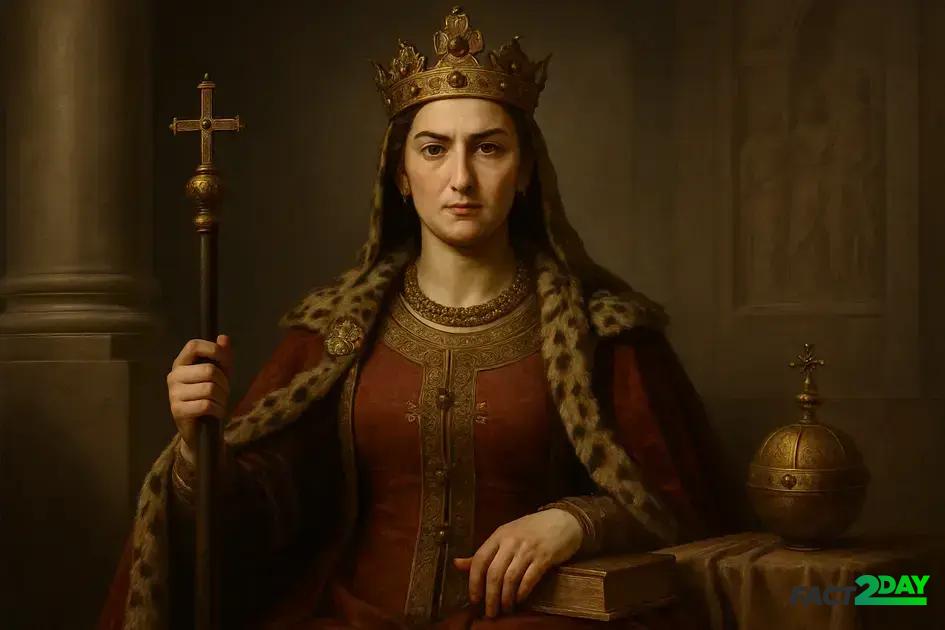
Forgotten female rulers represent powerful leaders whose significant impacts on history, culture, and society have been overlooked, and rediscovering their stories offers crucial insights into leadership and gender dynamics across time.
Forgotten Female Rulers History invites us to rediscover the incredible stories of queens whose power shaped nations but are barely remembered today. Have you ever wondered about the women who commanded armies, built empires, and changed the course of history without fame? Let’s dive into their fascinating tales.
The rise of female rulers in ancient civilizations
Throughout ancient civilizations, the rise of female rulers was often a rare yet impactful phenomenon. Despite societal norms favoring men, some women ascended to power through inheritance, marriage, or sheer determination. Queens and empresses in early societies demonstrated remarkable leadership, guiding their people through war, peace, and prosperity.
Early Examples of Female Leadership
In ancient Egypt, figures like Hatshepsut broke conventions by ruling as pharaoh, overseeing monumental architectural projects and maintaining economic stability. Similarly, Queen Puabi of Mesopotamia wielded significant influence in her city-state. These leaders challenged traditional gender roles and set precedents for women’s authority.
Factors Enabling Female Rule
Patriarchal structures often limited female ascension, but in times of political turmoil or lack of male heirs, women stepped forward. Strategic marriages and alliances strengthened their claims. Additionally, religion sometimes played a role, with certain goddesses inspiring female sovereignty, boosting their legitimacy.
The rise of female rulers in ancient civilizations underscores the complexity of gender and power in history. These women’s stories offer a window into a past where leadership was not exclusively male, revealing early examples of women shaping the world.
Challenges faced by women in power throughout history
Women in power have historically faced numerous challenges, often battling prejudice and stereotypes that questioned their ability to lead. Gender bias was a common barrier, with many societies believing leadership was a male domain. This led to limits on their authority and influence.
Political Obstacles
Female rulers frequently encountered resistance from male advisors, nobles, or rival kingdoms who doubted their competence. They had to constantly prove their legitimacy and navigate court intrigues more carefully than their male counterparts.
Social and Cultural Hurdles
Societal expectations often confined women to domestic roles, making it difficult for female rulers to gain respect. They faced pressure to conform to norms about femininity while balancing the harsh realities of governance and warfare.
Personal Sacrifices and Risks
Women in power risked threats to their safety and personal lives. Many endured exile, imprisonment, or assassination attempts. Their reputations were vulnerable to slander and misinformation aimed at undermining their rule.
Despite these challenges, many female leaders displayed resilience and strategic skill to hold onto power and make significant impacts. Their stories remind us of the strength required to lead against the odds.
Notable forgotten queens from different continents
History holds many notable forgotten queens from different continents who played crucial roles in their regions but remain largely unrecognized today. In Africa, Queen Nzinga of Ndongo and Matamba fiercely resisted Portuguese colonization, showcasing brilliant military tactics and diplomacy. Her leadership exemplified courage and resilience.
Queens from Asia
In Southeast Asia, Queen Suriyothai of Thailand is remembered for her bravery in battle, fighting to protect her kingdom. Another example is Empress Wu Zetian of China, the only female emperor who significantly shaped the Tang Dynasty’s politics and culture.
Europe’s Overlooked Queens
Europe’s history also includes forgotten female rulers like Queen Jadwiga of Poland, who strengthened her country’s influence, and Queen Christina of Sweden, known for her intelligence and unconventional lifestyle that challenged norms of her time.
Queens from the Americas
In the Americas, figures like the powerful Aztec queen, Itzpapalotl, a deity queen, represent the deep historical roots of female leadership that blends mythology and governance.
These queens, each from different continents, contributed uniquely to their societies. Rediscovering their stories enriches our understanding of female power across cultures and eras.
The political strategies used by female monarchs
Female monarchs throughout history employed a range of political strategies to secure and maintain their power in often hostile environments. They had to be shrewd diplomats, skillful negotiators, and sometimes ruthless decision-makers to survive and govern effectively.
Building Alliances
Many queens formed strategic marriages and alliances to strengthen their position. These alliances could create bonds between kingdoms, prevent wars, and secure loyalty from powerful noble families. Marriage was often a tool for political stability rather than personal relationships.
Using Diplomacy and Intelligence
Female rulers frequently relied on diplomacy to navigate complex political landscapes. They cultivated relationships with advisors, foreign leaders, and church officials. Intelligence gathering and understanding their enemies’ motives were crucial to making informed decisions.
Managing Court and Nobility
Courts were centers of power struggles. Queens had to skillfully manage influential nobles to prevent rebellions. This involved balancing favors, punishing dissent, and sometimes using patronage to secure loyalty.
Projecting Authority and Symbolism
The use of symbolic imagery, titles, and public ceremonies helped female monarchs assert their legitimacy. They often adopted regalia and titles traditionally reserved for men to emphasize their sovereignty and command respect.
These strategies highlight how female monarchs navigated complex political systems, using intelligence, diplomacy, and symbolism to maintain power and influence in male-dominated societies.
Impact of female rulers on their societies and cultures
Female rulers have left a profound impact on their societies and cultures by shaping laws, arts, and social norms. Their leadership often sparked progress in education, religion, and cultural expression, influencing generations beyond their reigns.
Legal and Social Reforms
Many queens instituted reforms to improve justice and welfare. For example, some worked to protect the rights of women and children, restructured taxation, or encouraged trade. These changes helped stabilize and grow their kingdoms.
Patronage of Arts and Culture
Female rulers frequently supported artists, architects, and scholars. Under their reigns, new styles in painting, literature, and architecture flourished. This patronage often celebrated the ruler’s power and ideals, enriching cultural heritage.
Religious Influence
Queens sometimes used religion to unite their people or legitimize their rule. They sponsored temples, religious ceremonies, and festivals that reinforced cultural identity and loyalty. This strengthened the connection between faith and governance.
Shaping Gender Roles
By holding power, female rulers challenged traditional gender roles. They became symbols of strength and capability, inspiring other women and gradually shifting societal views on women’s leadership and roles in public life.
Their reigns demonstrate how female leadership transformed societies, leaving lasting marks on laws, culture, and social expectations that resonate to this day.
The role of women leaders in shaping wars and peace
Women leaders have played crucial roles in shaping both wars and peace throughout history. Their decisions often influenced the outcomes of battles and the formation of alliances, reflecting their strategic thinking and leadership skills.
Leading in War
Some female rulers took direct command of armies or inspired troops through their bravery. For example, Joan of Arc led French forces during the Hundred Years’ War, becoming a symbol of courage. Others like Queen Nzinga of Angola used guerrilla tactics and diplomatic skills to resist colonial powers.
Negotiating Peace
In addition to warfare, women leaders also excelled in diplomacy, brokering peace treaties and alliances. Their ability to negotiate was often key to ending conflicts or preventing wars, fostering stability in their regions.
Balancing Power and Compassion
Female rulers frequently balanced firmness with empathy, understanding the human cost of war. This approach sometimes led to more lasting peace agreements and efforts to rebuild societies after conflict.
The role of women leaders in war and peace highlights their diverse impact on history, demonstrating strength, wisdom, and a commitment to their people’s welfare.
How gender biases erased female rulers from history
Gender biases have played a significant role in erasing or minimizing the presence of female rulers in historical records. Societies traditionally favored male leadership, which often led to women’s achievements being overlooked or deliberately downplayed.
Historical Documentation
Many historical accounts were written by male historians who focused on male leaders. Female rulers were sometimes omitted, misrepresented, or their stories were altered to fit societal norms. This has resulted in a skewed understanding of history.
Social and Cultural Stereotypes
Deep-rooted stereotypes portrayed women as incapable of leadership, which influenced how their reigns were recorded. Instead of being recognized as powerful monarchs, women were often reduced to queens consort or treated as mere placeholders.
Political Motivations
Male successors or rivals sometimes deliberately erased or vilified female rulers to legitimize their own claims to power. This manipulation of history helped maintain patriarchal dominance.
Understanding how gender biases erased female rulers helps recover lost narratives and highlight the true impact women had on history.
Famous myths and realities about queens in history
Throughout history, queens have been surrounded by various myths that often overshadow their real achievements. These stories can distort public perception, making it important to distinguish fact from fiction.
Myth: Queens were just figureheads
Many believe that female rulers only held ceremonial roles, but in reality, numerous queens exercised real political power and made critical decisions that influenced the fate of their nations.
Myth: Queens ruled because of their husbands
While some queens came to power through marriage, many others, such as Elizabeth I of England, ruled independently and without a king’s influence, showcasing strong leadership on their own merit.
Reality: Queens faced unique challenges
Unlike their male counterparts, queens navigated complex societal expectations. They had to balance strength with perceptions of femininity, often under intense scrutiny and opposition.
Reality: Queens shaped history
Despite myths, queens effected significant change through reforms, cultural patronage, and military leadership. Their legacies continue to impact societies today.
Understanding these myths and realities about queens offers a clearer view of their true roles and the challenges they overcame.
The influence of female rulers on art and architecture
Female rulers have had a significant influence on art and architecture throughout history, using their power to commission works that reflected their vision, power, and cultural values. Their patronage helped shape artistic movements and left lasting monuments that define entire eras.
Supporting the Arts
Many queens and empresses actively supported painters, sculptors, and writers. They commissioned portraits and literary works that emphasized their authority and legacy. This patronage fostered rich cultural environments that inspired creativity.
Architectural Legacies
Female rulers often oversaw the construction of grand palaces, temples, and public buildings. Examples include the majestic forts of Queen Nur Jahan in Mughal India and the monumental projects of Hatshepsut in ancient Egypt. These structures not only showcased their wealth and power but also contributed to the cultural identity of their realms.
Symbolism and Messaging
Art and architecture commissioned by female rulers often carried symbolic meaning. They used imagery and design to communicate messages of strength, divine right, and political legitimacy, reinforcing their place at the top of the social hierarchy.
Their contributions demonstrate how female rulers used art and architecture as tools of influence that transcended their lifetimes and enriched human culture.
Comparing male and female ruling styles
Comparing male and female ruling styles reveals interesting differences and similarities shaped by culture, personality, and circumstances rather than gender alone. Both male and female leaders have demonstrated effective strategies and weaknesses throughout history.
Leadership Approaches
Female rulers often emphasized diplomacy, collaboration, and communication. Their leadership commonly involved building alliances and consensus. Conversely, male rulers tended to focus more on direct authority and military power, though exceptions exist in both groups.
Decision-Making Styles
Women leaders were frequently praised for their emotional intelligence and ability to consider multiple perspectives before making decisions. Men historically leaned towards assertive and sometimes unilateral action, but many male rulers also adopted diplomatic tactics.
Use of Power and Authority
While male rulers often showcased power through displays of strength and conquest, female monarchs sometimes used symbolic gestures, cultural patronage, or religious legitimacy to reinforce their authority.
Challenges and Adaptability
Female rulers faced unique societal biases that required adaptability and resilience, often developing nuanced strategies to maintain power. Male rulers usually had broader acceptance but faced their own political challenges and rivalries.
Ultimately, ruling styles depend on individual traits and context. Understanding these differences helps appreciate the diverse ways leadership has shaped history across genders.
The legacy left behind by forgotten queens
Forgotten queens have often left behind powerful legacies that shaped the course of history, society, and culture, even if their names are not widely recognized today. Their influence can be seen in political reforms, cultural advancements, and the strengthening of their nations.
Political and Social Impact
Many forgotten queens enacted important laws or policies that improved governance and helped stabilize their realms. Their efforts often promoted justice, economic growth, and social welfare, laying foundations for future prosperity.
Cultural and Artistic Contributions
Beyond politics, these queens patronized the arts, supporting architecture, literature, and religious institutions. Their reigns inspired new styles and traditions that enriched their cultures and endured long after their time.
Inspiration for Future Generations
Their stories, once rediscovered, serve as inspiration for modern leaders and women striving for empowerment. The resilience and accomplishments of these queens highlight the role of women in shaping history despite hurdles.
The legacy left behind by forgotten queens is a testament to their enduring impact, reminding us to value and revisit the past to understand the full story of human history.
Modern rediscovery and research of female rulers
Modern rediscovery and research of female rulers have brought to light the significant roles women played in history. Scholars use archaeology, historical texts, and new technologies to uncover the stories of queens who had long been forgotten.
New Archaeological Finds
Recent excavations have revealed artifacts and tombs of female rulers, providing concrete evidence of their power and influence. These discoveries challenge old narratives and offer fresh insights into their reigns.
Historical Reinterpretation
Historians are reexamining ancient records and rewriting histories to include the achievements of female monarchs, correcting biases and filling gaps caused by past gender prejudices.
Use of Technology
Digital tools like 3D scanning, DNA analysis, and virtual reconstructions help bring forgotten queens back to life, allowing us to visualize and understand their world more clearly.
This modern research is crucial to restoring the legacy of female rulers, ensuring their stories inspire future generations and provide a balanced view of history.
Lessons from powerful female leaders for today
Powerful female leaders of the past offer valuable lessons for today’s world. Their stories teach us about resilience, strategic thinking, and the importance of empathy in leadership.
Resilience and Perseverance
Many female rulers overcame significant obstacles such as gender bias, political rivals, and social limitations. Their determination reminds us to persist despite challenges and stand firm in our goals.
Strategic Diplomacy
Female leaders often excelled at building alliances and negotiating peace. Their approach highlights the power of communication, collaboration, and understanding different perspectives to achieve success.
Balancing Strength and Compassion
Effective leadership involves not just power but also empathy. Historical queens showed how balancing firmness with care can unify people and foster loyalty.
These lessons encourage modern leaders and individuals alike to embrace a holistic approach to leadership, drawing inspiration from forgotten female rulers who shaped history with intelligence and heart.
Why remembering forgotten queens matters
Remembering forgotten queens matters because it helps us understand history more fully and appreciate the diverse contributions of women to society. Their stories provide valuable perspectives on leadership, power, and resilience often overlooked in traditional narratives.
Correcting Historical Biases
Many female rulers were erased or minimized due to gender biases. Revisiting their histories restores balance and helps challenge stereotypes about women’s roles in the past.
Inspiring Future Generations
These queens serve as role models, demonstrating that women have long been capable leaders despite obstacles. Their legacies inspire empowerment and gender equality today.
Enriching Cultural Identity
Forgotten queens often contributed to art, culture, and social reforms. Remembering them enriches our understanding of cultural heritage and human achievement.
Ultimately, acknowledging these queens ensures diverse stories are told, empowering society to learn from the past and build a more inclusive future.
Remembering the True Power of Forgotten Queens
Exploring the lives of forgotten female rulers reveals powerful stories of courage, intelligence, and leadership that shaped history. Their influence extended beyond their reigns, inspiring culture, politics, and social change.
By rediscovering and honoring these queens, we correct historical biases and gain a richer understanding of the past. Their legacies continue to inspire and remind us that leadership knows no gender.
Embracing their stories encourages us to build a more inclusive future where every voice is recognized and valued. The impact of forgotten queens shows us the strength found in resilience and vision.
Let us celebrate their achievements and keep their memories alive for generations to come.