The Fifth Flavor Unveiled: Decoding the Complex Science Behind Umami and Why We Crave It
Discover The Science of Umami Perception and why this fifth flavor sparks cravings and changes how we experience taste.
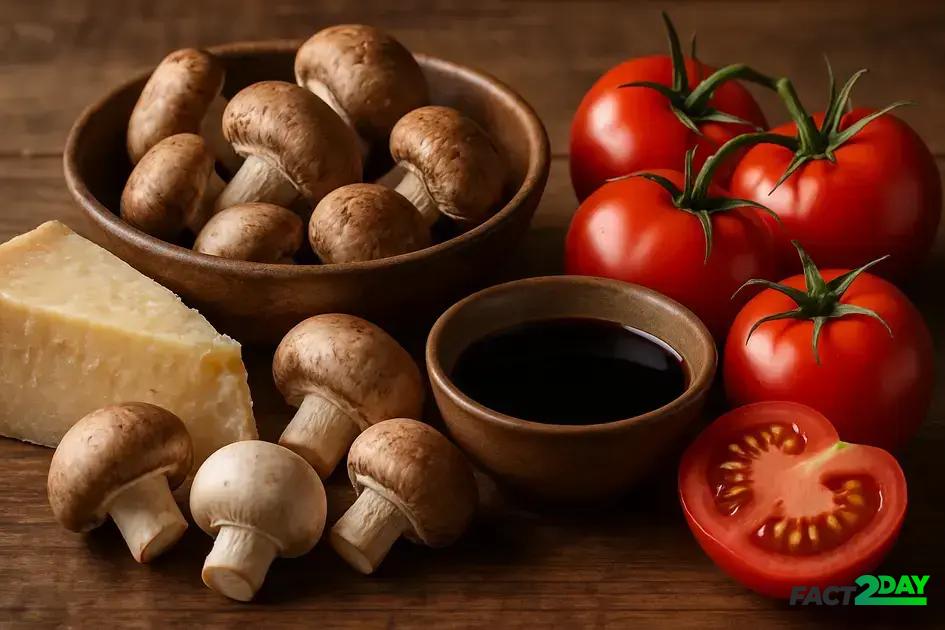
Okay, so get this: umami isn’t just some fancy word for taste—it’s actually the fifth basic flavor that changes how we enjoy food. It’s what makes dishes feel richer and more satisfying. This savory taste comes from natural compounds found in things like mushrooms, aged cheese, and soy sauce.
Scientists have spent years studying how we perceive umami, exploring everything from tongue receptors to brain responses. It turns out, umami doesn’t just improve flavor; it also affects how much we crave food and feel full.
What’s really exciting is how chefs and food lovers use umami to make meals unforgettable. By mixing umami-rich ingredients, they create powerful flavor combinations that keep us coming back for more.
As research continues, we’ll learn even more about umami’s role in health and cooking, possibly leading to new ways to enjoy food that’s both tasty and good for us. So next time you savor that savory bite, remember—umami is the secret flavor that makes it all awesome.
Okay, so get this! The The Science of Umami Perception is not just about taste but why we literally crave that savory punch in our food. Ever wondered what makes some dishes so addictive? Let’s crack this flavor code together!
Understanding the basics of umami
Umami is recognized as the fifth basic taste, alongside sweet, sour, salty, and bitter. It is often described as a savory or meaty flavor that enhances the overall taste of food. This taste comes from the presence of specific amino acids, particularly glutamate, and certain nucleotides found naturally in many foods.
The term “umami” originates from Japanese and translates roughly to “pleasant savory taste.” It was first identified in 1908 by Professor Kikunae Ikeda, who noticed that the flavor of dashi, a popular Japanese broth, was unique and distinct from the other basic tastes.
Umami plays a key role in food enjoyment by enriching flavor profiles and creating a sensation of fullness or mouthfeel. It is detected by specialized receptors on the tongue, which respond to glutamate and other compounds, sending signals to the brain that enhance how we perceive flavor.
Common examples of umami-rich foods include aged cheeses, mushrooms, tomatoes, soy sauce, and cured meats. Including these ingredients in cooking can intensify the savory character of dishes and balance other tastes, leading to a more complex and satisfying eating experience.
Understanding the basics of umami helps in appreciating why it is so valued in cuisines worldwide and why it can make certain meals especially crave-worthy.
Historical discovery and cultural significance of umami
The discovery of umami dates back to 1908, when Japanese chemist Kikunae Ikeda identified this unique taste while studying seaweed broth, known as dashi. He found that glutamate, an amino acid, was responsible for the distinct savory flavor that couldn’t be classified as sweet, salty, sour, or bitter. This breakthrough added a new dimension to the understanding of human taste perception.
Umami quickly gained attention in Japan and became a fundamental concept in traditional Japanese cuisine, emphasizing natural, balanced flavors. Over time, this savory taste was embraced worldwide, influencing many culinary traditions by enhancing the depth and complexity of dishes.
Cultural significance of umami extends beyond flavor. In Japan, it fosters a culinary philosophy that values subtlety, harmony, and the umami-rich ingredients like miso, soy sauce, and kombu seaweed. In Western cuisines, chefs use umami to create richer sauces, soups, and sauces using ingredients like aged cheese, tomatoes, and cured meats.
Understanding the history and cultural value of umami helps us appreciate its role not only as a flavor but also as a bridge connecting diverse food traditions and enhancing how we experience taste globally.
How our taste buds detect umami
Our tongues detect umami through specialized taste receptors located on taste buds. These receptors are sensitive to glutamate and nucleotides like inosinate and guanylate, which are naturally present in many savory foods. When these molecules bind to the receptors, they send signals to the brain, creating the sensation of umami.
Umami receptors differ from those for sweet, sour, salty, and bitter tastes. They include two main types: metabotropic glutamate receptor 1 (mGluR1) and metabotropic glutamate receptor 4 (mGluR4). These receptors detect L-glutamate, the key amino acid responsible for umami.
The binding of nucleotides amplifies the umami signal, making the taste stronger. This explains why some food combinations, like soy sauce with mushrooms or aged cheese with tomatoes, create a more intense umami experience.
Interestingly, umami detection also influences saliva production, which can enhance flavor perception and digestion. This complex mechanism highlights the biological importance of umami in encouraging the consumption of protein-rich and nutrient-dense foods.
The role of amino acids and nucleotides in umami flavor
The umami flavor primarily comes from amino acids and nucleotides present in food. The most important amino acid for umami is glutamate, which is found naturally in many protein-rich foods like meat, cheese, and mushrooms. Glutamate provides that characteristic savory taste that enhances the overall flavor of dishes.
In addition to glutamate, certain nucleotides heighten the umami sensation. Two key nucleotides are inosinate, found mainly in meats and fish, and guanylate, commonly present in mushrooms. These compounds work together with glutamate to create a stronger and more complex umami flavor than glutamate alone.
When glutamate and nucleotides combine, they produce a synergistic effect, amplifying the intensity of umami perception. This is why foods like aged Parmesan cheese paired with tomatoes or broth made with kombu seaweed taste richer and more satisfying.
This interaction not only enhances taste but also contributes to a feeling of fullness and satisfaction, making dishes more enjoyable and memorable.
Umami’s influence on food cravings and appetite
Umami plays a significant role in influencing food cravings and appetite. This savory taste signals the presence of protein-rich foods, which are essential for our body’s growth and repair. When we taste umami, our brain releases pleasure-inducing chemicals, encouraging us to eat and enjoy the food more.
Studies have shown that umami can enhance satiety, helping people feel fuller faster. This is because foods rich in umami engage taste receptors that trigger digestive responses, including the release of saliva and digestive enzymes, which prepare the body to process nutrients efficiently.
Because umami intensifies flavor perception, it can make meals more satisfying even in small portions, which might reduce overeating. This quality is especially useful in developing healthier food options that are both flavorful and filling.
The craving for umami-rich foods often drives people toward dishes like stews, roasted meats, and aged cheeses. These foods not only satisfy hunger but also create a pleasurable eating experience that can improve mood and overall satisfaction.
Scientific methods to study umami perception
Scientists use various methods to study umami perception, combining sensory evaluations and biochemical analysis. Sensory tests involve trained panels or volunteers who taste different solutions with varying levels of glutamate and nucleotides to assess how people perceive umami intensity.
Electrophysiology techniques measure electrical signals from taste receptors or nerves when exposed to umami substances. This helps researchers understand how taste cells respond to specific compounds.
Advanced molecular biology tools identify and study the receptors responsible for detecting umami. Researchers use gene knockout experiments in animals to see how the absence of certain receptors affects umami taste perception.
Imaging technologies, like functional MRI, are used to observe brain activity during umami tasting, revealing how flavor signals are processed and integrated with other senses.
Combining these methods provides a complete picture of how umami is detected, transmitted, and experienced by humans, helping scientists develop better flavor enhancers and nutritional strategies.
Common foods rich in umami taste
Umami is naturally present in many common foods that contain high levels of glutamate, inosinate, or guanylate. Mushrooms, especially shiitake and porcini, are well known for their intense umami flavor. They add depth to soups, sauces, and stir-fries.
Aged cheeses like Parmesan and Roquefort are rich in umami due to the breakdown of proteins during the aging process. These cheeses are perfect for adding a savory boost to many dishes.
Tomatoes contain naturally occurring glutamate, especially when cooked or sun-dried, which enhances their savory taste. Tomato sauces and pastes are often used to bring umami to various recipes.
Soy sauce and miso are fermented products packed with umami compounds. They are staple ingredients in many Asian cuisines and contribute a complex flavor to broths, marinades, and dressings.
Cured meats like ham, bacon, and prosciutto get their umami from protein breakdown during curing. These foods add a rich, savory element that intensifies the overall taste of meals.
Umami’s impact on cooking and food pairing
Umami plays a crucial role in cooking and food pairing by enhancing and balancing flavors. It adds depth and richness to dishes, making them more satisfying and enjoyable. Chefs often use umami-rich ingredients like soy sauce, mushrooms, and aged cheeses to boost savory notes.
When it comes to food pairing, umami can tie different components of a meal together. For example, combining tomatoes with cheese or mushrooms with meat creates a harmonious flavor blend due to their shared umami compounds.
In cooking, umami helps to round out saltiness and sweetness, making dishes taste more complete. It also aids in masking bitterness and acidity, resulting in a smoother flavor profile.
Using umami-rich elements thoughtfully can transform simple recipes into gourmet experiences. It encourages the layering of flavors, from broths to sauces, and enables cooks to create balanced and complex tastes.
The connection between umami and brain response
When we taste umami, our brain responds in unique ways compared to other flavors. Neuroscientific studies have shown that umami activates regions of the brain associated with reward, pleasure, and appetite control.
Areas like the insula and orbitofrontal cortex, which process taste and flavor, become more active when umami compounds stimulate taste receptors. This increased activity creates a sensation of satisfaction and fullness.
Brain imaging techniques, such as functional MRI, reveal that umami enhances the release of dopamine, the neurotransmitter linked to happiness and motivation. This explains why umami-rich foods often feel comforting and crave-worthy.
Additionally, umami perception can modulate other sensory inputs, making food taste more complex and enjoyable. This connection between umami and brain response highlights the powerful role this flavor plays in shaping our eating experiences and preferences.
Challenges in measuring umami perception
Measuring umami perception presents several challenges due to the complexity of taste and individual differences. Human taste is subjective, varying widely by genetics, culture, and personal experiences, making it difficult to standardize measurements.
Sensory evaluations rely on panels of tasters who must be trained to recognize and quantify umami intensity accurately. However, individual sensitivity to umami compounds can differ significantly, affecting test consistency.
Another challenge lies in isolating umami from other tastes in complex foods. Many umami-rich foods also contain salty, sweet, or bitter components that can mask or alter the perception of umami.
Analytical methods such as chemical assays can quantify glutamate and nucleotide levels but cannot fully capture how these contribute to taste perception. Combining chemical data with sensory results requires sophisticated models to predict human responses.
Overall, measuring umami perception needs a multidisciplinary approach that balances biochemical analysis with controlled sensory testing to better understand this elusive taste.
Future research directions in umami science
Future research in umami science aims to deepen our understanding of how umami influences human health, nutrition, and culinary practices. One promising area is exploring the molecular mechanisms behind umami receptors and how they interact with other taste sensations.
Scientists are also interested in how umami affects appetite regulation and metabolism, potentially leading to new strategies for managing weight and improving diets. Research into the brain’s response to umami could reveal more about its role in food enjoyment and satiety.
The development of novel umami enhancers from natural and sustainable sources is another focus. This can help reduce sodium intake by replacing salt with umami compounds, contributing to healthier food options worldwide.
Technological advancements in sensory analysis and imaging will allow more precise studies of umami perception across diverse populations, accounting for genetic and cultural differences.
Overall, future studies will integrate biochemistry, neuroscience, and gastronomy to unlock the full potential of umami in enhancing flavor, health, and food innovation.
Understanding the power of umami
Umami is more than just a flavor; it shapes how we enjoy food and influences our appetite and satisfaction. By uncovering the science behind umami perception, we can better appreciate its role in cooking and nutrition.
Future research will continue to reveal how umami works in the body and brain, opening doors to healthier and more flavorful food choices. Whether through natural ingredients or innovative food science, umami remains a key flavor that connects taste, culture, and wellbeing.
Embracing umami in our diets can enrich meals and improve our relationship with food in enjoyable and meaningful ways.