Concrete Jungle’s Heartbeat: Unveiling the Hidden Ecology and Wildlife of Our Cities
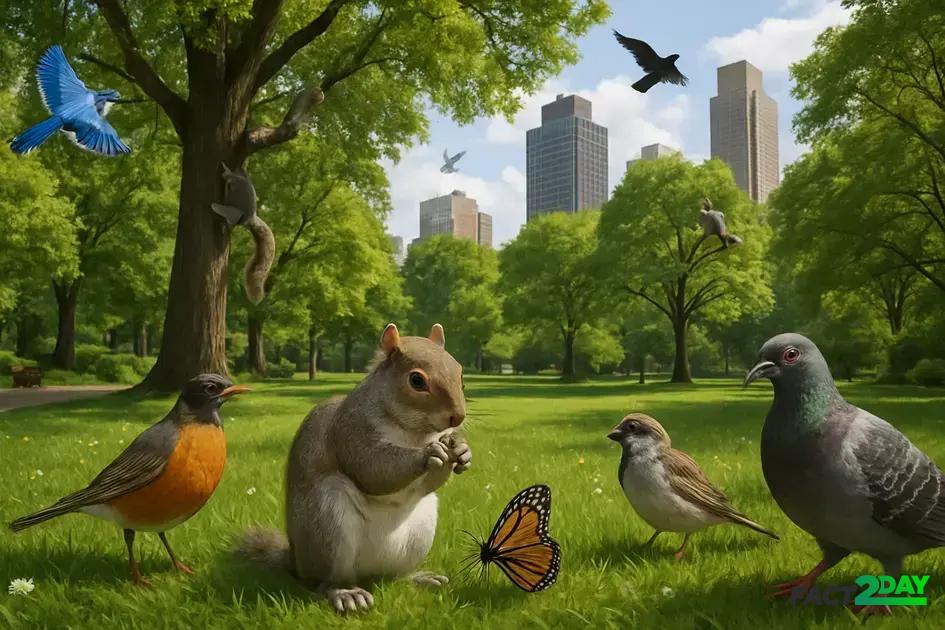
Discover The Urban Ecosystem Ecology and explore how wildlife thrives unnoticed among bustling cities, revealing nature's resilience.
Exoplanets are planets orbiting stars beyond our solar system, discovered through methods like observing star light dimming, revealing the vast and diverse nature of our galaxy.
Have you ever wondered about the secret life pulsing through our cities? The Urban Ecosystem Ecology uncovers the surprising diversity of wildlife and the natural processes thriving in concrete jungles. Ready to explore this hidden world around us?
Understanding the urban ecosystem ecology
The urban ecosystem ecology studies how living organisms interact with each other and with their environment in city areas. Unlike natural ecosystems, urban ecosystems are shaped by human activities, including buildings, roads, and parks. These environments combine both natural elements and artificial structures, creating unique habitats for plants, animals, and microorganisms.
Understanding the urban ecosystem means exploring how species adapt to city life, how energy flows through this system, and how materials like water and nutrients cycle within it. For example, trees planted along streets not only provide shade but also support birds and insects, contributing to the ecosystem’s health.
Urban ecology also examines the challenges cities face, such as pollution, habitat fragmentation, and climate change effects. By studying these interactions, scientists can recommend designs and policies that promote biodiversity, improve air and water quality, and enhance residents’ well-being.
Key components of urban ecosystems
These ecosystems have several critical parts: green spaces, urban wildlife, soil, and human influence. Parks and gardens form green patches where many species survive. Wildlife includes birds, mammals, insects, and even microorganisms that find niches in the city. Soil quality determines plant growth, while humans impact the ecosystem through land use and resource management.
Research in urban ecosystem ecology is essential to create cities that balance development with nature. Enhancing green infrastructure and fostering connections between habitats help preserve ecological functions amidst urban growth.
The role of green spaces in city environments
Green spaces such as parks, gardens, and street trees play a vital role in city environments. They offer much more than just aesthetic value; these green areas provide essential habitats for urban wildlife, helping maintain biodiversity within concrete landscapes.
Green spaces improve air quality by absorbing pollutants and producing oxygen. They also help manage urban heat by providing shade and cooling through evapotranspiration. This effect reduces the “urban heat island” phenomenon, making cities more comfortable during hot weather.
Benefits for people and wildlife
For city residents, green spaces offer places to relax, exercise, and connect with nature, which boosts mental and physical health. For animals, these areas act as refuges amid dense urbanization, supporting birds, insects, and small mammals that rely on plants for food and shelter.
Moreover, green corridors link isolated habitats, enabling wildlife movement and genetic exchange. This connectivity is crucial for long-term species survival and ecological resilience in urban areas.
Maintaining and expanding urban green spaces is a key strategy in sustainable city planning. They contribute to urban ecosystem ecology by balancing development with nature’s needs.
How wildlife adapts to urban challenges
Wildlife in cities faces many challenges like noise, pollution, limited green spaces, and human presence. Despite this, many species have developed impressive adaptations that allow them to survive and even thrive in urban settings.
One common adaptation is behavioral change; animals such as birds and mammals alter their activity patterns to avoid busy human hours, becoming more active at dawn, dusk, or night. Some species also change their diets, feeding on food waste or new types of urban plants.
Physical and social adaptations
Certain animals show physical changes too. For example, urban birds may develop shorter wings for better maneuverability among buildings. Social adaptations include forming larger or more flexible groups to improve survival chances in fragmented habitats.
Animals also learn to use human structures for shelter and nesting. Pigeons and bats often nest in buildings, while squirrels build nests in city trees. This use of urban resources reflects their ability to adjust to human-made environments.
These adaptations highlight the resilience of urban wildlife and the importance of protecting urban habitats. Supporting green areas and reducing pollution can help maintain healthy populations despite the pressures of city life.
The importance of biodiversity in cities
Biodiversity in cities is vital for maintaining healthy ecosystems and improving quality of life for residents. It includes all living organisms, from plants and insects to birds and mammals, each playing essential roles in urban environments.
Urban biodiversity supports ecosystem services such as pollination, air and water purification, and climate regulation. For example, pollinators like bees help plants reproduce, ensuring greenery that cools city streets and provides oxygen.
Benefits to the environment and people
Greater biodiversity also creates resilience against environmental stresses like pests and diseases. Diverse ecosystems recover faster and maintain balance more effectively. For people, exposure to varied plant and animal life has been linked to better mental health and well-being.
However, city expansion often threatens biodiversity by destroying habitats and fragmenting green areas. Protecting and enhancing urban biodiversity requires careful planning, such as establishing green corridors and preserving native species.
By valuing biodiversity, cities can foster environments where nature and humans thrive side by side, promoting sustainability and resilience.
Human impact on urban ecological balance
Human activities have a major impact on the urban ecological balance. Construction, transportation, and pollution alter natural habitats and disrupt ecosystems. Roads and buildings fragment green spaces, making it harder for wildlife to move and survive.
Pollution from vehicles and industries affects air and water quality, harming plants and animals in cities. Noise pollution can interfere with animal communication and behavior, while light pollution disrupts natural day-night cycles.
Urban development and resource use
Urban growth often leads to the loss of native vegetation, replaced by concrete and asphalt. This reduces areas where species can live and lowers biodiversity. At the same time, humans consume resources like water and energy at high rates, further stressing urban ecosystems.
However, people can also positively influence urban ecology. Efforts to create green roofs, plant trees, and establish parks help restore balance. Awareness and sustainable planning are key to reducing harmful effects and promoting healthier city environments.
Urban wildlife corridors and connectivity
Urban wildlife corridors are pathways that connect isolated green spaces within cities, allowing animals to move safely and find food, mates, and shelter. These corridors help maintain genetic diversity and prevent populations from becoming isolated.
Corridors can include riversides, tree-lined streets, green roofs, and parks linked by vegetated strips. They provide essential routes for species such as birds, mammals, and insects to navigate fragmented urban landscapes.
Benefits of connectivity in cities
Connectivity reduces the risks of road mortality, supports seasonal migrations, and helps species adapt to environmental changes. It challenges the barriers created by roads, buildings, and human activity.
Effective design of urban corridors involves understanding species’ movement patterns and needs. Planting native vegetation and reducing artificial lighting improves habitat quality and provides cover for wildlife during transit.
Building and maintaining connected green spaces enhances biodiversity and strengthens the urban ecosystem ecology, making cities healthier for all living beings.
The interplay between plants and animals in cities
In urban ecosystems, plants and animals interact in many important ways that support city biodiversity and ecosystem health. Plants provide food and shelter for animals, while animals help plants reproduce and spread.
Many birds and insects, such as bees and butterflies, act as pollinators. They transfer pollen between flowers, enabling plants to produce fruits and seeds. This process is crucial for maintaining plant populations and urban greenery.
Seed dispersal and shelter
Animals also contribute to seed dispersal by carrying seeds on their fur or through their droppings. This helps plants colonize new areas, especially in fragmented city habitats where continuous green space is limited. Small mammals and birds often hide seeds, unintentionally planting them in various locations.
Plants, in return, offer shelter and nesting sites. Trees and shrubs create habitats for birds and insects. Vines growing on walls and fences provide cover for small animals. This mutual relationship strengthens urban ecosystems and makes cities more resilient.
Understanding this interplay helps in planning urban green spaces that support diverse life forms and encourage natural processes within the city.
Impacts of pollution on urban ecosystems
Pollution has significant effects on urban ecosystems, affecting both plants and animals that live in cities. Air pollution from cars, factories, and construction releases harmful gases and particles that can damage plant leaves and reduce photosynthesis. This weakens plants and can reduce green cover.
Water pollution from runoff containing chemicals, oils, and waste harms aquatic life in ponds, rivers, and streams within cities. Polluted water decreases oxygen levels, affecting fish and other organisms living there.
Effects on urban wildlife
Urban animals face challenges too. Airborne pollutants can cause respiratory issues in birds and mammals. Noise pollution disrupts animal communication and mating behaviors, while light pollution confuses nocturnal species and alters natural cycles.
Soil contamination from heavy metals and chemicals affects underground organisms and plant roots, further unsettling the ecosystem. These combined effects threaten the balance and health of urban habitats.
Addressing pollution is crucial to preserve and restore urban ecosystem ecology and ensure sustainable city environments for all living beings.
Citizen science and monitoring urban wildlife
Citizen science involves the public in collecting data and monitoring urban wildlife. This approach helps scientists gather large amounts of information across wide areas, improving our understanding of city ecosystems.
People use apps and online platforms to report sightings of birds, insects, mammals, and plants. These records reveal patterns in species distribution, behavior, and population trends.
Benefits of citizen science
Engaging the community raises awareness about urban biodiversity and fosters stewardship for green spaces. It also provides real-time data that can guide conservation efforts and urban planning.
Monitoring helps track the impact of environmental changes and human activities on wildlife. Volunteers learn about species identification and environmental issues, making science accessible and inclusive.
Citizen science is a powerful tool for sustaining urban ecosystem ecology by bridging science and society.
Benefits of urban ecology for human well-being
Urban ecology offers numerous benefits for human well-being. Natural elements in cities, like parks, trees, and gardens, improve air quality by filtering pollutants. This leads to healthier lungs and fewer respiratory problems for city residents.
Green spaces also reduce stress and anxiety by providing quiet areas for relaxation and recreation. Regular access to nature encourages physical activity, which supports mental and physical health.
Social and environmental advantages
Interacting with urban nature fosters community bonds and promotes social interactions. Shared green spaces create opportunities for exercise, play, and socializing, enhancing quality of life.
Urban ecology also helps regulate temperature, lowering the “heat island” effect and making cities more comfortable, especially during hot seasons. Cleaner air and cooler temperatures contribute to fewer heat-related illnesses.
By supporting diverse ecosystems, cities become more resilient and sustainable, offering a healthier environment for all residents and future generations.
Technologies aiding urban ecological research
Modern technologies play a crucial role in urban ecological research by providing detailed data and insights that were hard to obtain before. Tools like remote sensing, drones, and geographic information systems (GIS) help scientists monitor urban environments accurately.
Remote sensing uses satellites and aerial images to track changes in vegetation, land use, and habitat fragmentation over time. This helps in understanding how cities grow and affect ecosystems.
Drones and sensors
Drones offer flexibility and close-up views of hard-to-reach urban areas, capturing high-resolution photos and videos that reveal wildlife activity and habitat conditions. Sensors placed in parks and green spaces collect data on temperature, humidity, air quality, and noise levels, which are essential for analyzing ecosystem health.
Mobile apps and citizen science platforms allow volunteers to record wildlife sightings, increasing data volume and community involvement. Machine learning and AI analyze these vast datasets to recognize patterns and predict ecological changes.
These technologies enable better management and conservation strategies, supporting sustainable urban ecosystem ecology.
Success stories of urban wildlife conservation
Cities around the world have seen remarkable success stories in urban wildlife conservation. One example is the return of peregrine falcons to urban areas. Once endangered, these birds now nest on skyscrapers, using them as substitutes for cliffs and hunting pigeons and other prey.
Another success is the restoration of wetlands and green corridors, which has brought back diverse species like frogs, turtles, and waterfowl to city parks. These efforts show how habitat restoration can revive urban biodiversity.
Community and policy involvement
Citizen-led projects, such as native plant gardening and wildlife monitoring, have contributed to increasing green spaces and awareness. Local governments implementing wildlife-friendly policies—like reducing pesticide use and protecting nesting sites—have also played key roles.
These stories prove that with dedication and planning, cities can become vibrant ecosystems where humans and wildlife coexist. They highlight the importance of urban ecosystem ecology in shaping sustainable and livable urban spaces.
How cities can become wildlife friendly
Cities can become more wildlife friendly by creating habitats that support native species and promoting coexistence between humans and animals. Incorporating green roofs, community gardens, and native plants helps provide food and shelter for urban wildlife.
Designing buildings with bird-safe glass and minimizing light pollution reduces risks to birds during migration. Installing bat boxes and insect hotels also encourages biodiversity in small urban spaces.
Community involvement and policies
Engaging residents in conservation efforts, such as planting native species and reducing pesticide use, helps preserve wildlife habitats. Policymakers can support these efforts by protecting green spaces, regulating building designs, and encouraging sustainable urban planning.
By prioritizing nature in city development, urban areas become healthier and more resilient ecosystems, benefiting both wildlife and people.
Future trends in urban ecosystem management
Future trends in urban ecosystem management focus on integrating technology, nature-based solutions, and community involvement to build resilient cities. Smart sensors and data analytics will help monitor ecosystem health in real time, allowing faster responses to environmental changes.
Green infrastructure, such as permeable pavements, rain gardens, and green roofs, will become standard in urban development. These solutions manage stormwater, reduce heat, and support biodiversity simultaneously.
Community engagement and policy innovation
Public participation will increase through digital platforms that encourage citizen science and environmental stewardship. Policies will prioritize ecological connectivity and conservation within urban planning.
Climate change adaptation strategies will incorporate urban ecosystems as natural buffers. Combining traditional knowledge with modern science will shape sustainable practices that protect both people and wildlife.
Overall, cities will evolve to balance growth with ecological health, creating environments where humans and nature thrive together.
Embracing the future of urban ecosystems
The urban ecosystem ecology teaches us that cities are more than just concrete and steel – they are vibrant places full of life. As urban areas continue to grow, understanding and nurturing this hidden ecology becomes essential.
By supporting biodiversity, creating green spaces, and adopting innovative technologies, we can build cities that benefit both humans and wildlife. Community involvement and smart planning play key roles in this transformation.
In the end, thriving urban ecosystems mean healthier environments, happier communities, and a sustainable future where nature and city life coexist in harmony.