Your Digital Dietitian: How AI and Data Are Revolutionizing Personalized Nutrition Plans
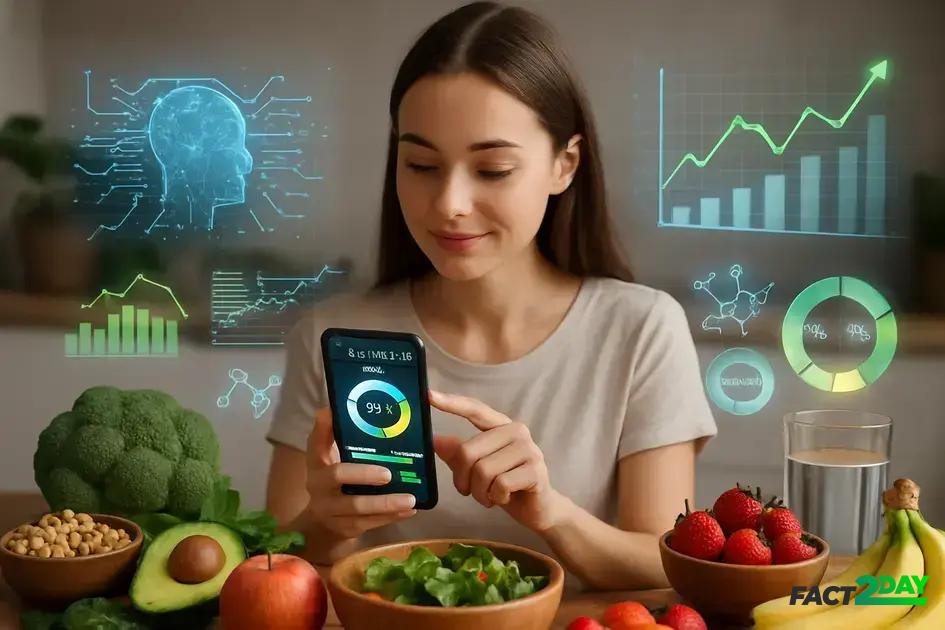
Personalized Nutrition AI is transforming how we tailor diets using data and smart technology for optimal health and wellness.
Exoplanets are worlds orbiting stars beyond our solar system, discovered by detecting subtle changes in starlight, revealing countless diverse planets that expand our understanding of the galaxy’s vastness and potential for life.
Have you ever wondered how a tailored diet could perfectly fit your unique health needs? Personalized Nutrition AI is unlocking the power of data and smart technology to revolutionize the way we approach eating and wellness. Ready to dive into a future where your digital dietitian guides your every meal?
What is personalized nutrition AI and how does it work?
Personalized nutrition AI uses advanced technology to analyze an individual’s unique health data and lifestyle to create tailored diet plans. It collects information such as age, weight, activity level, genetic factors, and even food preferences to understand each person’s nutritional needs.
The AI algorithms process this data to identify patterns and recommend specific foods, portion sizes, and meal timings that optimize health and wellness. This technology goes beyond generic diet plans by considering personal factors that impact metabolism and nutrient absorption.
How the process works
First, data is gathered through various sources like wearable devices, health records, or questionnaires. Then, machine learning models analyze this data, comparing it to vast databases of nutritional science and user outcomes. The system continuously learns and adapts as more data is input, improving the accuracy of recommendations over time.
Benefits of AI-driven personalization
This approach can help manage weight, enhance energy levels, and prevent chronic diseases by customizing nutrition for your body’s needs. Additionally, it accommodates dietary restrictions and preferences, making healthy eating more accessible and sustainable.
The role of data in creating custom nutrition plans
Data plays a crucial role in crafting personalized nutrition plans by providing the foundation for precise and effective diet recommendations. This data comes from multiple sources, including biometric measurements, dietary habits, physical activity, and even genetic information.
Gathering data from diverse sources
Wearable devices track vital signs like heart rate, sleep quality, and calorie expenditure. Food diaries and apps record what and when a person eats. Genetic tests reveal predispositions to certain nutrient needs or sensitivities. All these types of data combine to create a comprehensive health profile.
How data informs AI models
The AI system uses this extensive data to identify trends and nutritional gaps unique to the individual. It applies advanced algorithms to interpret the information and generate tailored meal plans that align with health goals, such as weight loss, muscle gain, or managing medical conditions.
Continuous data refinement for better results
As new data streams in, AI adjusts recommendations dynamically. This constant feedback loop ensures that the nutrition plan evolves with changing health metrics and lifestyle habits, making it highly personalized and adaptive.
Without accurate and comprehensive data, personalized nutrition AI cannot deliver meaningful or sustainable nutritional advice.
Benefits of AI-driven diet personalization
AI-driven diet personalization offers a range of benefits that make nutrition more effective and tailored to individual needs. Unlike one-size-fits-all diets, this technology creates plans based on your unique biological data and lifestyle.
Improved health outcomes
By analyzing personal data, AI can recommend diets that help control weight, reduce inflammation, and manage chronic conditions like diabetes or heart disease. This targeted approach increases the chances of achieving and maintaining health goals.
Time-saving and convenience
AI systems automate the process of meal planning, grocery shopping lists, and tracking dietary progress. This saves you time and reduces the mental effort needed to make healthy food choices daily.
Customization for preferences and restrictions
Whether you have allergies, food intolerances, or specific tastes, AI personalizes your diet plan to fit these factors. It ensures you enjoy your meals while sticking to nutrition guidelines.
Motivation and consistency
With continuous feedback and adaptive recommendations, AI keeps you motivated. It adjusts plans based on your progress, helping you stay consistent and engaged with your diet.
Long-term sustainability
By focusing on your unique needs and preferences, AI-driven personalization encourages a balanced diet you can maintain over time, promoting overall wellness and preventing yo-yo dieting.
How machine learning analyzes individual health data
Machine learning helps analyze individual health data by using complex algorithms that learn from vast amounts of information. These systems identify patterns and relationships in data that might be too difficult for humans to detect.
Data collection and preparation
First, health data like blood tests, activity levels, diet logs, and genetic information are collected. This data is cleaned and organized so machine learning models can process it effectively.
Pattern recognition and prediction
The machine learning algorithms examine the data to find patterns related to nutrition, metabolism, and health risks. They can predict how an individual might respond to certain foods or diet changes based on similar data from others.
Continuous learning and improvement
As more health data is added, the models adjust and improve their accuracy. This means recommendations become more precise over time, adapting to changes in the individual’s health and behavior.
By leveraging these advanced techniques, personalized nutrition plans become dynamic and tailored exactly to the needs of each person.
Integrating genetic information into nutrition AI
Integrating genetic information into nutrition AI allows for creating diet plans that reflect each person’s unique genetic makeup. Genes influence how our bodies process nutrients, respond to foods, and our risk for certain health conditions.
How genetic data is used
AI systems analyze genetic markers related to metabolism, food sensitivities, and nutrient absorption. For example, some people have genes that make them less efficient at processing caffeine or vitamin D. Knowing this helps tailor dietary recommendations.
Personalized diet adjustments
With genetic insights, nutrition AI can suggest specific foods to include or avoid. It also guides the ideal levels of macronutrients like fats, proteins, and carbs to match genetic tendencies, ultimately supporting better health outcomes.
Improving health through precision
Integrating genetic data makes nutrition plans more precise and effective by addressing inherited predispositions. This means AI can help prevent nutrition-related diseases before symptoms even appear.
This fusion of genetics and AI is transforming personalized nutrition into a highly customized science, improving wellness one gene at a time.
Overcoming dietary challenges with AI assistance
AI assistance is transforming how individuals overcome dietary challenges by offering tailored solutions that fit unique needs and preferences. Whether dealing with allergies, intolerances, or complex health conditions, AI can simplify managing a healthy diet.
Managing food allergies and intolerances
AI-powered tools analyze ingredients and nutritional info across thousands of foods to identify safe options. They alert users to hidden allergens, enabling confident meal planning without trial and error.
Personalized support for chronic conditions
For people with diabetes, hypertension, or digestive issues, AI provides customized meal plans that control blood sugar, sodium, or fiber intake based on the latest health data and medical guidelines.
Adapting to lifestyle and preferences
AI considers factors like busy schedules and food dislikes. It suggests convenient recipes and shopping lists that suit individual tastes while helping maintain nutritional balance.
Continuous guidance and motivation
Through real-time monitoring and feedback, AI coaches encourage users to stay on track and navigate setbacks, making dietary changes easier and more sustainable.
The impact of AI on managing chronic diseases through diet
AI technology is increasingly vital in helping manage chronic diseases through personalized diet plans. By analyzing an individual’s health data, AI can recommend specific foods and nutrients that support disease management and improve quality of life.
Customizing diets for specific conditions
For diseases like diabetes, hypertension, and heart disease, AI tailors nutrition to control blood sugar, blood pressure, and cholesterol levels. It identifies foods that reduce inflammation and promote healing while avoiding harmful ingredients.
Monitoring and adjusting in real time
AI integrates data from wearable devices and health apps to track how dietary changes affect disease markers. This allows plans to adapt dynamically based on glucose levels, blood pressure, or other metrics.
Enhancing medication effectiveness
Proper nutrition can improve how medications work. AI identifies nutrient-drug interactions and suggests dietary adjustments to maximize treatment outcomes.
Supporting long-term behavior change
Through continuous feedback and motivation, AI helps individuals maintain healthier diets, reducing complications and hospital visits.
Overall, AI’s role in personalized nutrition offers a powerful tool for proactive and effective chronic disease management.
Personalized nutrition apps and tools you can use today
There are several personalized nutrition apps and tools available today that use AI to help tailor your diet to your unique needs. These apps collect data such as your age, weight, activity level, and food preferences to generate customized meal plans and track your progress.
Popular personalized nutrition apps
Apps like MyFitnessPal, Nutrigenomix, and Eat This Much offer features ranging from calorie tracking to genetic-based diet recommendations. They provide easy-to-follow meal suggestions and shopping lists that fit your goals.
How AI enhances nutrition tools
AI technology in these tools analyzes continual input data to refine recommendations. It learns from your eating habits, biometric data from wearables, and feedback to make your diet plan more effective over time.
Features to look for
When selecting an app, consider features like integration with health devices, personalized feedback, recipe variety, and support for dietary restrictions. The best tools adapt dynamically and motivate you to stay on track.
Accessibility and convenience
Many apps are user-friendly and available on mobile devices, making it easy to maintain your nutrition plan anywhere. Real-time notifications and progress tracking help keep you engaged and informed.
Using these AI-powered nutrition tools can simplify healthy eating and support lasting lifestyle changes.
The future of nutrition advice: AI and human dietitians
The future of nutrition advice lies in the integration of AI technology with the expertise of human dietitians. Together, they provide personalized, accurate, and empathetic guidance that adapts to individual needs.
Enhancing dietitians’ capabilities with AI
AI assists dietitians by analyzing large amounts of data quickly, identifying patterns, and generating personalized insights. This allows professionals to focus more on understanding a client’s preferences and lifestyle.
Personalized and adaptive plans
The collaboration creates nutrition plans that evolve with ongoing health data and feedback, ensuring recommendations stay relevant and effective over time.
The human touch in nutrition counseling
While AI handles data analysis, dietitians provide emotional support, motivation, and practical advice. This balance fosters trust and helps clients maintain healthy habits.
Expanding access and affordability
AI-powered tools can reach more people through apps and telehealth, making professional nutrition guidance more accessible. Human dietitians can then offer targeted support where needed.
This synergy promises a future where technology and human care work hand in hand to improve health outcomes worldwide.
Data privacy and ethical concerns in nutrition AI
Data privacy and ethical concerns are key issues when using AI in personalized nutrition. These technologies require access to sensitive health and personal data, which must be protected to maintain user trust and comply with regulations.
Importance of data protection
Nutrition AI systems collect detailed information including genetic data, medical history, and lifestyle choices. Ensuring this data is encrypted and securely stored is essential to prevent unauthorized access or breaches.
User consent and transparency
Ethical AI use demands clear communication about how data is collected, used, and shared. Users must provide informed consent and have control over their personal information.
Avoiding bias in AI algorithms
AI systems must be designed to avoid bias that can arise from incomplete or unrepresentative data sets. This ensures fair and accurate nutrition recommendations for diverse populations.
Compliance with regulations
Adhering to laws such as GDPR and HIPAA safeguards user rights and promotes responsible AI use in healthcare and nutrition.
Addressing these privacy and ethical issues is vital to fully realize the benefits of personalized nutrition AI while maintaining public confidence.
Success stories: real cases of AI transforming diets
AI technology has already transformed many lives by delivering personalized nutrition plans that lead to real health improvements. These success stories show how AI can support weight loss, manage chronic conditions, and improve overall wellness through diet.
Case study: weight management
One user lost over 30 pounds by following an AI-driven program tailored to their metabolism, lifestyle, and food preferences. The app provided daily meal plans, tracked progress, and adapted to challenges, helping maintain motivation.
Case study: diabetes control
Another example is a person with type 2 diabetes who improved blood sugar levels by using AI to optimize meal timing and composition. Continuous monitoring and adjustments reduced medication dependency under medical supervision.
Case study: gut health improvement
AI-based nutrition helped an individual with digestive issues identify trigger foods and adjust their diet to reduce symptoms. Personalized probiotic recommendations further enhanced gut microbiome balance.
These stories highlight AI’s powerful role in creating effective, customized diets that improve quality of life.
Wearable devices and real-time nutrition monitoring
Wearable devices play a pivotal role in real-time nutrition monitoring by constantly tracking health metrics like heart rate, activity levels, and calorie expenditure. This data feeds AI algorithms to deliver personalized diet recommendations that adapt continually.
Real-time data collection
Smartwatches, fitness bands, and other wearables collect continuous information about your body’s functions. Sensors measure physical activity, sleep quality, and even hydration levels to understand your nutritional needs more accurately.
Dynamic nutrition adjustments
AI analyzes the incoming data to suggest meal timings, portion sizes, and nutrient intake aligned with your daily activity and recovery needs. This ensures your diet supports your current lifestyle and goals.
Improving user engagement and outcomes
Real-time feedback from wearables helps keep users motivated by showing progress and highlighting areas of improvement. It creates a feedback loop that encourages healthy decision-making throughout the day.
The combination of wearable technology and AI-driven nutrition monitoring provides a powerful tool for personalized and responsive dietary management.
How AI encourages sustainable and mindful eating
AI technology supports sustainable and mindful eating by helping individuals make conscious food choices that are good for both their health and the environment. It tailors recommendations to minimize waste and promote eco-friendly habits.
Encouraging balanced and thoughtful meals
AI suggests foods that are nutrient-dense and environmentally sustainable, encouraging users to select seasonal, local, and plant-based options whenever possible.
Reducing food waste
By planning meals and portion sizes accurately, AI helps prevent overbuying and food spoilage. It can also suggest recipes to use leftovers effectively.
Promoting awareness and education
Many AI-powered apps provide insights on the environmental impact of food choices, educating users about carbon footprints and resource use related to different diets.
Supporting long-term lifestyle change
Through continuous feedback and personalized goals, AI motivates users to develop habits that align with mindful eating principles, fostering lasting sustainability.
This blend of technology and awareness makes sustainable and mindful eating accessible and achievable for everyone.
Steps to start using personalized nutrition AI in your life
Starting with personalized nutrition AI is easier than you might think. It involves a few clear steps that help integrate technology smoothly into your daily life for better health results.
Assess your health and goals
Begin by understanding your current health status and what you want to achieve. Whether it’s weight loss, managing a condition, or improving energy, clear goals help guide AI recommendations.
Choose the right AI-powered tool
Research and select an app or platform that fits your lifestyle and offers features like genetic testing, activity tracking, or meal planning. Popular options often have user-friendly interfaces and strong privacy policies.
Input accurate personal data
Provide detailed information including age, weight, medical history, and dietary preferences. The more precise your data, the better AI can tailor the nutrition plan.
Connect wearable devices if possible
Linking wearables such as fitness trackers provides real-time data that AI uses to adjust your diet dynamically, making recommendations more effective.
Follow the personalized plan and provide feedback
Stick to the AI-generated recommendations and log your progress. Many tools learn from your feedback to improve suggestions over time.
Consult healthcare professionals when needed
Use AI as a support tool but consult dietitians or doctors to interpret data and make informed health decisions.
By following these steps, you can harness the power of personalized nutrition AI to create a healthier, more balanced lifestyle.
Embracing the future of personalized nutrition with AI
Personalized Nutrition AI is changing how we approach diet and health by making nutrition advice tailored and accessible. From collecting detailed personal data to real-time adjustments, AI helps create plans that truly fit your lifestyle and needs.
By using AI-powered tools alongside professional guidance, anyone can take meaningful steps toward better health. Whether managing a condition or simply wanting to eat smarter, AI offers support and motivation every step of the way.
As technology continues to evolve, personalized nutrition will become even more accurate and user-friendly. Embracing these innovations today means investing in a healthier future tailored just for you.