The Sherlock Holmes of Supper: How Food Forensics Uncovers Authenticity and Fights Fraud
Discover how Food Forensics Authenticity pioneers reveal food truths, detecting fraud and ensuring genuine flavors in every bite.
Exoplanets are planets orbiting stars beyond our solar system, discovered through methods like star light dimming, revealing vast diverse worlds and expanding our understanding of the galaxy.
Food Forensics Authenticity is like the Sherlock Holmes of our supper, uncovering hidden truths and fighting fraud in what we eat. Ever wondered how experts can tell if your favorite food is truly genuine? Let’s dive into the fascinating science behind it!
What is food forensics and why it matters
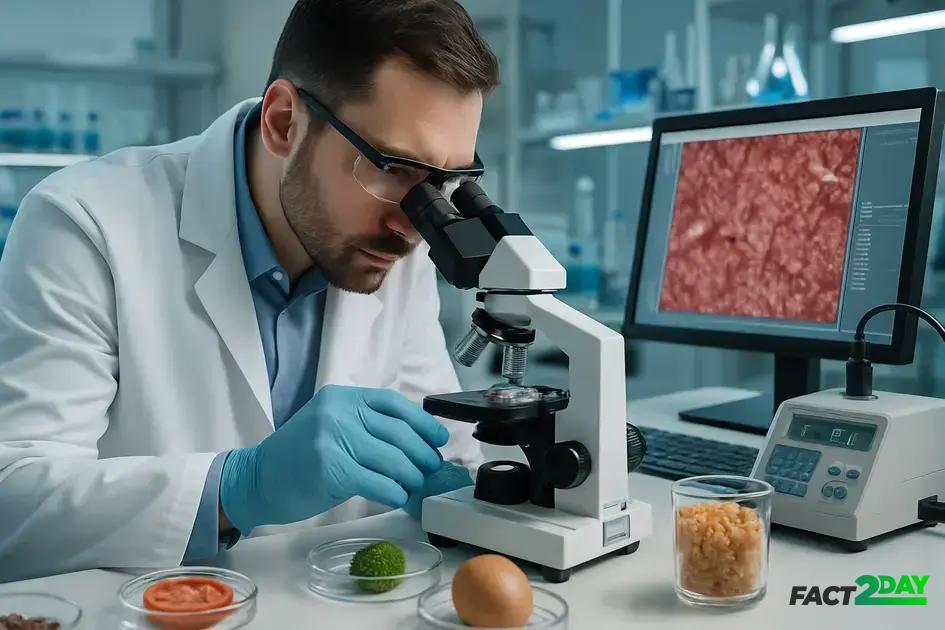
Food forensics is the science of examining food to verify its authenticity and safety. It involves analyzing ingredients, detecting contaminants, and uncovering fraudulent substitutions. This field matters because it helps protect consumers from harmful or fake products, ensures fair trade, and supports food quality standards worldwide.
Food fraud can mislead buyers, cause health risks, and damage brand trust. For example, olive oil watered down with cheaper oils or fish labeled as more expensive species can harm both buyers and honest producers. Food forensics uses tools like chemical analysis and DNA testing to detect these issues quickly and accurately.
Why it matters to consumers and industries
For consumers, food forensics offers peace of mind, ensuring what they eat is genuine and safe. For producers and sellers, it safeguards their reputation and maintains market fairness. Governments and regulatory bodies also rely on food forensic data to enforce laws and protect public health.
Ultimately, food forensics plays a crucial role in building a trusted food system, preventing fraud, and promoting transparency from farm to table.
The science behind detecting food authenticity
The science behind detecting food authenticity relies on advanced analytical methods that identify the true nature of food products. Scientists use techniques such as chromatography, spectroscopy, and DNA analysis to examine food at a molecular level. These methods reveal details about origin, composition, and possible adulteration.
Chromatography and its role
Chromatography separates food components to detect unwanted substances or additives. It helps identify differences in oils, spices, and flavorings, ensuring products meet quality standards.
Spectroscopy techniques
Spectroscopy uses light absorption or emission to analyze chemical structures. Infrared and mass spectrometry are common tools that provide precise information about food makeup and detect contamination.
DNA analysis for authenticity
DNA testing pinpoints the exact species present in a food product. This is crucial for verifying fish species, meat origins, and detecting substitution fraud. It can uncover mislabeled or fake items quickly and reliably.
Together, these scientific tools form a strong defense against food fraud. They help maintain trust, protect consumers, and support honest producers worldwide.
Common types of food fraud and their impact
Food fraud occurs when food products are intentionally altered, misrepresented, or tampered with for economic gain. This kind of deception affects many foods around the world, damaging trust and potentially harming consumers.
Types of food fraud
Adulteration happens when cheaper substances are added to food to increase weight or volume. For example, mixing water with milk or adding fillers to spices reduces quality and misleads buyers.
Counterfeiting involves making fake versions of branded foods. This can range from duplicate packaging to entirely fake products that mimic originals, putting consumers at risk.
Mislabeling means false or misleading information on food labels. For instance, selling a lower-quality fish species as a more expensive one tricks buyers and violates regulations.
Impact of food fraud
Food fraud harms consumers by exposing them to unsafe or poor-quality products. It can cause allergic reactions, illnesses, and financial loss. Honest producers face unfair competition, damaging the industry’s reputation.
Governments spend resources to fight fraud and protect public health. Food forensics helps detect and prevent these crimes, supporting safer, transparent food systems worldwide.
Techniques used to uncover food adulteration
Techniques to uncover food adulteration use scientific methods to detect impurities or fake ingredients in food. These techniques are crucial to ensure that what you buy is pure and safe.
Chromatography
This method separates different components in a food sample. It helps reveal if cheaper substances have been mixed in, such as syrups added to honey.
Spectroscopy
Using light waves, spectroscopy analyzes the chemical makeup of foods. It’s useful for spotting oils or dairy products that have been diluted or altered.
DNA testing
DNA analysis identifies the exact species present in meat or fish. It helps catch substitutions where cheaper or harmful species replace more expensive ones.
Mass spectrometry
This technique measures molecules’ masses to detect contaminants and verify food purity. It is widely used in testing spices and flavorings.
Rapid test kits
These kits allow quick, on-site checks for common adulterants like water in milk. They are essential for food inspectors and producers.
Together, these techniques form a strong defense against food fraud, protecting consumers and honest businesses.
Case studies of famous food fraud investigations
Famous food fraud investigations have revealed large-scale deception and led to stronger food safety laws. These cases highlight the importance of food forensics in protecting consumers and honest producers.
The 2013 horse meat scandal
In Europe, horse meat was found secretly mixed into beef products. This fraud impacted many consumers and led to massive recalls. DNA testing played a key role in uncovering the truth.
Adulterated milk in China
In 2008, milk products in China were found to contain melamine, a toxic chemical added to fake protein levels. This case caused health crises for thousands of babies and brought worldwide attention to food safety.
Olive oil authenticity cases
Fake olive oil mixed with cheaper oils is a common fraud. Investigations used chromatography and chemical tests to expose producers diluting their products and misleading consumers.
Spice adulteration
Cases of saffron and turmeric adulteration involve adding lower-quality materials to increase weight. Forensic testing methods have been vital in detecting these scams.
Each case shows how food forensics helps uncover fraud, ensuring safer food supply chains and rebuilding consumer trust globally.
The role of DNA analysis in food forensics
DNA analysis plays a crucial role in food forensics by revealing the genetic makeup of food products. This technique helps determine the true species or origin of meat, fish, and plant ingredients, ensuring the product matches its label.
How DNA testing works
Small samples from food are collected and their DNA sequences examined. Scientists compare these sequences to known databases to identify species or detect any substitutions. This process is highly accurate and can detect even trace amounts of fraud.
Common uses in food forensics
DNA analysis is widely used to verify the authenticity of seafood, meat products, and herbal supplements. For example, it can uncover fish species substitutions or confirm the origin of premium meats like Kobe beef.
Benefits of DNA testing
This method offers rapid, reliable results that protect consumers from mislabeling and potential health risks. It also supports producers by ensuring a level playing field in the market.
DNA analysis strengthens food safety systems by making fraud harder to conceal and helping regulators enforce standards worldwide.
How spectroscopy helps identify food origins
Spectroscopy is a powerful tool used in food forensics to help identify the origin and composition of food products. This technique studies how foods interact with light to uncover details about their chemical makeup.
Types of spectroscopy used
Infrared spectroscopy measures how molecules absorb infrared light. It can identify specific compounds in food and detect if something is out of place, like a mix of oils.
Mass spectrometry breaks down molecules and measures their mass, helping to spot impurities or added substances that don’t belong.
Tracing the origin
By analyzing unique chemical signatures, spectroscopy can match food samples to specific regions or production methods. This helps verify labels like “organic” or “geographically protected” products.
Benefits for food authenticity
Spectroscopy is non-destructive, fast, and highly accurate. It supports quality control, uncovers fraud, and helps maintain consumer trust by confirming that foods are genuinely from where they claim to be.
The importance of supply chain transparency
Supply chain transparency means knowing every step your food takes from farm to table. It is vital for ensuring food authenticity and safety. When companies openly share where and how food is sourced, consumers can trust the products they buy.
Tracking the journey
Modern technology like blockchain and digital tagging helps track food through the supply chain. This allows quick identification of sources and prevents fraud by making it harder to hide dishonest practices.
Benefits for consumers and businesses
Transparent supply chains reduce risks of contamination or adulteration. They empower consumers to make informed choices, while businesses gain trust and comply with regulations.
Challenges and solutions
Ensuring transparency requires cooperation among farmers, processors, and retailers. Investing in reliable tracking systems and sharing accurate data helps overcome these challenges effectively.
Ultimately, supply chain transparency supports food integrity, promotes ethical practices, and protects public health worldwide.
Legal implications and regulations in food authenticity
Legal implications and regulations play a vital role in ensuring food authenticity and protecting consumers. Governments set laws that require accurate labeling, truthful advertising, and safe production practices to prevent food fraud.
Key regulations
Regulations such as the Food Safety Modernization Act (FSMA) in the U.S. and the European Union’s food labeling laws establish strict standards. These laws mandate clear ingredient information and prohibit deceptive practices.
Enforcement agencies
Authorities like the FDA and the European Food Safety Authority (EFSA) monitor compliance and conduct inspections. They can impose fines or penalties when violations occur.
Impact on businesses
Compliance ensures companies maintain trust and avoid costly legal issues. Strong regulations encourage ethical sourcing, honest labeling, and support fair competition.
Global harmonization
International agreements aim to unify food authenticity standards, facilitating trade and consumer protection worldwide.
Overall, food authenticity regulations create a safer, more transparent market, benefiting everyone from producers to consumers.
Consumer tools for verifying food products
Consumer tools for verifying food products help shoppers ensure the authenticity and safety of what they buy. These tools provide easy access to important information about food origins, ingredients, and quality.
Mobile apps and barcode scanners
Many apps allow consumers to scan product barcodes to get detailed data on ingredients, allergens, and certifications. These apps often include user reviews and ratings to guide informed choices.
QR codes and digital labels
QR codes on packaging link to websites offering transparency about food sourcing, production methods, and testing results. This technology connects consumers directly with producers for trust and confidence.
Third-party certifications
Labels like USDA Organic, Fair Trade, and Non-GMO Verified assure consumers that products meet strict standards. Checking these certifications helps buyers avoid fraud and choose ethical options.
Online databases and resources
Websites provide information on food recalls, authenticity reports, and scientific studies. Consumers can research products and brands before purchasing.
Together, these tools empower consumers to become active participants in maintaining food integrity and encourage transparency throughout the supply chain.
Emerging technologies shaping food forensic science
Emerging technologies are transforming food forensic science, making it faster, more accurate, and more accessible. These innovations help detect food fraud, improve safety, and build trust between producers and consumers.
Blockchain technology
Blockchain records every step of the food supply chain in an unchangeable digital ledger. This enhances transparency and helps verify the origin and authenticity of food products.
Artificial intelligence and machine learning
AI analyzes vast amounts of data from testing results and supply chains to identify patterns of fraud or contamination. Machine learning algorithms continuously improve detection accuracy.
Portable testing devices
Handheld devices using spectroscopy or DNA analysis allow on-site food testing without needing a full lab. This speeds up verification at markets, borders, or processing plants.
Advanced DNA sequencing
New sequencing methods provide detailed genetic information faster and at lower costs, improving species identification and authenticity checks.
Emerging technologies are revolutionizing how food forensic science operates, ensuring safer, more authentic food products globally.
Challenges faced by experts in food forensics
Challenges in food forensics arise from the complex nature of food products and the evolving tactics of fraudsters. Experts must stay ahead to protect consumers and ensure food integrity.
Complex food matrices
Foods often contain many ingredients and additives. Analyzing these mixtures accurately while detecting adulteration requires advanced techniques and expertise.
Rapidly changing fraud methods
Fraudsters continuously develop new ways to deceive testing methods, forcing forensic scientists to innovate and adapt quickly.
Limited access to reference data
Comprehensive databases of authentic food samples and their profiles are necessary but often incomplete, making it harder to identify fraudulent products.
Resource constraints
Many labs face funding, equipment, and skilled personnel shortages, limiting their capacity to conduct thorough tests on a large scale.
Global supply chains
Tracing products through international networks adds complexity due to varying regulations, languages, and documentation standards.
Despite these challenges, food forensic experts play a critical role in safeguarding food authenticity, leveraging science and technology to keep fraud in check.
The future of food authenticity testing
The future of food authenticity testing lies in faster, more precise, and accessible technologies. These advancements aim to detect fraud instantly and ensure consumers get the genuine products they expect.
Integration of AI and big data
Artificial intelligence will analyze large datasets from food testing, supply chains, and consumer feedback to spot inconsistencies and potential fraud in real time.
Portable and user-friendly devices
Handheld testers using advanced spectroscopy or DNA analysis will become common, allowing producers and even consumers to verify food authenticity on the spot.
Blockchain and digital traceability
Blockchain technology will further secure supply chains by creating unchangeable records of every step food takes from farm to table, improving transparency and trust.
Improved global standards
International collaboration will drive consistent regulations and testing protocols, making food authenticity verification more reliable across borders.
Overall, food authenticity testing is becoming smarter and more efficient, promising a safer, more transparent food system for everyone.
How you can contribute to fighting food fraud
Fighting food fraud is not only the job of scientists and regulators; consumers can also make a big difference by staying informed and vigilant.
Educate yourself
Learn about common food fraud types and how to recognize suspicious signs like unusual packaging, off-label prices, or unclear ingredient lists.
Choose trusted brands
Buy from reputable companies that emphasize transparency and have proper certifications. Checking for official labels and third-party seals can guide better choices.
Use technology
Utilize mobile apps and QR code scanners to verify product authenticity right at the store. These tools provide detailed information about origins and certifications.
Report suspicions
If you suspect a product is fake or mislabeled, report it to food safety authorities. Your vigilance helps regulators act quickly and prevent harm.
Support policies and initiatives
Advocate for stronger food fraud laws and support organizations working to improve supply chain transparency and enforcement.
By taking these steps, you become an important part of the fight against food fraud, helping ensure safer and more honest food for everyone.
Wrapping up the importance of food forensics
Food forensics plays a key role in protecting consumers and maintaining trust in the food we eat. By using advanced science and technology, experts can uncover fraud and ensure food authenticity.
Everyone can contribute by staying informed, choosing trusted products, and supporting transparency. Together, we can create a safer and more honest food system for all.