Armies on the Move: The Brilliant (and Brutal) Logistics Behind Ancient Warfare
History of Ancient Warfare Logistics reveals the incredible strategies and brutal realities that powered armies on the move in ancient times.
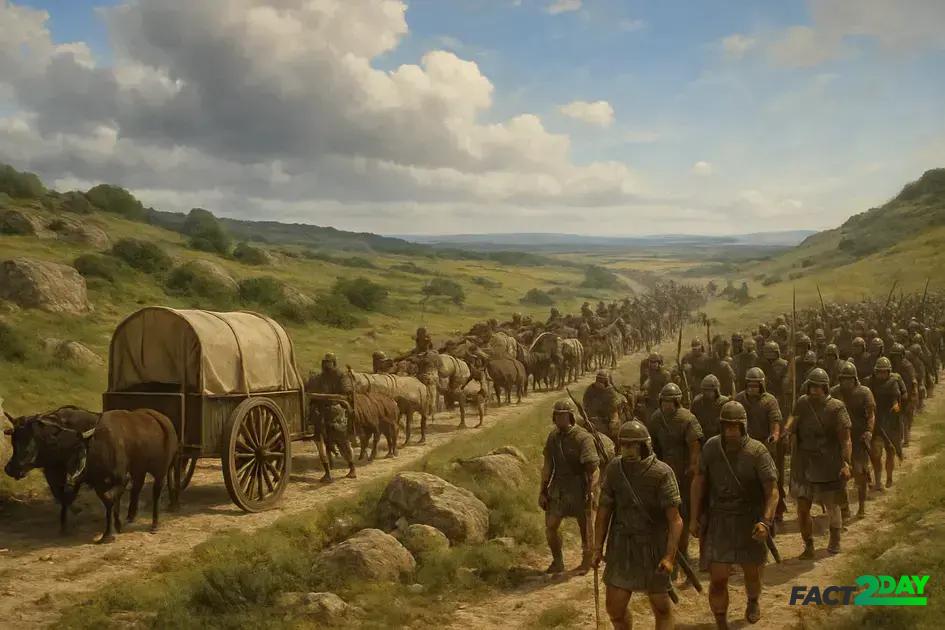
History of Ancient Warfare Logistics explores the crucial strategies and brutal realities that enabled ancient armies to move, supply, and fight effectively across challenging terrains and vast distances.
Have you ever wondered how vast armies managed to move and fight effectively? The History of Ancient Warfare Logistics uncovers the clever and often harsh methods that made these movements possible. Let’s explore the incredible realities behind ancient military campaigns.
The Role of Logistics in Ancient Battles
Logistics played a crucial role in ancient battles, often determining the success or failure of military campaigns. Managing the movement, supply, and accommodation of troops was essential to keep armies functional and effective. Without well-organized logistics, even the largest armies could falter due to lack of food, water, or equipment.
Ancient commanders had to plan carefully for provisioning soldiers with food and weapons while also ensuring timely movement across challenging terrains. This required a deep understanding of supply routes, distances, and local resources. Armies often relied on supply depots and local allies to replenish their stores during long campaigns.
The logistics system also involved coordinating transportation methods such as pack animals, wagons, and ships. Efficient logistics allowed armies to maintain strong morale and combat readiness, as soldiers were less likely to suffer from hunger or fatigue. In contrast, poor logistics often led to delays, desertion, or defeat.
Key Aspects of Ancient Battle Logistics
- Success Factor: Logistics often determined campaign outcomes.
- Core Functions: Movement, supply, and accommodation of troops.
- Critical Resources: Food, water, equipment.
- Commander’s Role: Careful planning of provisions and movement.
- Supply Management: Reliance on supply depots and local allies.
- Transportation: Coordinated use of pack animals, wagons, and ships.
- Impact on Troops: Maintained morale and combat readiness; prevented fatigue and desertion.
Supply Chains and Resource Management
Supply chains were the backbone of ancient warfare, controlling the flow of essential resources such as food, weapons, and equipment to the frontline troops. Effective resource management ensured that armies could stay operational far from their home bases. Commanders had to carefully plan logistics routes, accounting for the availability of local resources and potential threats along the way.
Ancient armies established supply lines that often stretched for hundreds of miles. These lines used a combination of human porters, pack animals, and carts traveling over roads and trails. Along the route, supply depots served as vital storage points where reserves could be replenished. Protecting these depots was critical; their loss could cripple an army’s ability to fight.
Resource management also involved rationing supplies to balance immediate combat needs with long-term sustainability. Commanders adapted their strategies to disrupted supply chains, sometimes relying on foraging or requisitioning materials from local populations. Such flexibility was a key factor in sustaining prolonged military campaigns.
In some civilizations, sophisticated record-keeping and administrative systems helped monitor supplies, making supply chains more predictable and efficient than often assumed. These logistical efforts directly impacted the army’s size, mobility, and readiness.
Elements of Ancient Military Supply Chains
- Resource Flow: Control of food, weapons, and equipment.
- Operational Reach: Enabled armies to operate far from home bases.
- Route Planning: Accounted for local resources and threats.
- Transportation Means: Human porters, pack animals, carts.
- Supply Depots: Vital storage points along routes.
- Rationing: Balanced immediate needs with long-term sustainability.
- Adaptability: Foraging or requisitioning in case of disruption.
- Administrative Systems: Record-keeping for predictability and efficiency.
Transport Methods for Troops and Equipment
Transporting troops and equipment was a major challenge in ancient warfare due to the lack of modern vehicles. Armies relied on a variety of methods to move soldiers and supplies efficiently across diverse terrains. Pack animals such as horses, mules, and oxen played a vital role, carrying weapons, provisions, and sometimes even siege machines.
Wagons and carts were used extensively where terrain allowed, particularly on established roads. These vehicles could carry heavier loads, including food, tents, and other necessary gear. However, they required skilled drivers and maintenance to remain effective on long marches.
Foot soldiers often marched long distances carrying their own weapons and a limited supply of provisions. This demanded careful planning to balance the need for mobility with the requirement to carry essentials. In some cases, armies used river transport, employing boats and rafts to move personnel and resources swiftly when possible.
Weather and terrain heavily influenced transport choices. Mountains, deserts, and forests necessitated adaptation, with armies sometimes breaking wagons apart or using lighter loads to navigate difficult areas. Understanding and mastering these transport methods was crucial for sustaining armies on the move.
Ancient Military Transport Solutions
- Pack Animals: Horses, mules, oxen for weapons, provisions, siege machines.
- Wagons and Carts: Used on roads for heavier loads (food, tents, gear).
- Foot Soldiers: Carried own weapons and limited provisions over long distances.
- River Transport: Boats and rafts for swift movement of personnel and resources.
- Terrain Adaptation: Breaking wagons, lighter loads for difficult areas.
- Maintenance Needs: Required skilled drivers and continuous upkeep for vehicles.
Food and Water Provisioning for Ancient Armies
Supplying food and water to ancient armies was a challenging but vital part of military logistics. Without enough provisions, armies could quickly lose strength and morale, which could lead to defeat. Commanders used various methods to ensure soldiers remained fed and hydrated during campaigns.
Armies carried preserved foods like dried grains, salted meat, and hardtack that could last for long journeys. Fresh water was often sourced from rivers, wells, or rainwater collection, but when these were scarce, rationing became necessary. Soldiers also forged or requisitioned supplies from local areas when possible.
Setting up supply depots with food and fresh water along the march routes helped prevent shortages. These depots acted as restocking points where troops could replenish essentials before continuing. Maintaining clean water was crucial to avoid disease and dehydration, which were common threats.
In some cases, animals such as horses and pack mules also required water and feed, adding complexity to provisioning efforts. Successful food and water logistics often required detailed planning, adapting to climate, terrain, and campaign length to keep the army strong and ready for battle.
Strategies for Food and Water Supply
- Preserved Foods: Dried grains, salted meat, hardtack for longevity.
- Water Sourcing: Rivers, wells, rainwater collection, or rationing.
- Local Sourcing: Foraging or requisitioning from local areas.
- Supply Depots: Restocking points along march routes to prevent shortages.
- Water Quality: Crucial for avoiding disease and dehydration.
- Animal Provisions: Required water and feed for horses and pack mules.
- Adaptation: Detailed planning based on climate, terrain, and campaign length.
The Impact of Terrain on Logistics Planning
The terrain played a significant role in shaping logistics planning for ancient armies. Difficult landscapes like mountains, forests, rivers, and deserts presented major obstacles to moving troops and supplies. Commanders had to adapt their strategies to the features of the land to maintain efficient supply lines.
Hilly or mountainous areas limited the use of wagons and made pack animals crucial for carrying supplies. Steep slopes and narrow paths required slower movement and careful planning to avoid bottlenecks or ambushes.
Forests provided cover but also made communication and travel challenging. Armies often cleared paths or relied on local guides to navigate dense woods. Rivers were natural barriers but also offered opportunities for transport by boat; crossing them safely was a vital logistic concern.
In deserts, water scarcity was a major problem. Logistics had to ensure adequate water supplies for soldiers and animals, often using camels able to endure harsh conditions. The harsh environment demanded strict rationing and efficient route selection.
Understanding the terrain helped commanders anticipate challenges and optimize their movements. Proper terrain analysis was key to avoiding delays, resource shortages, and vulnerability to enemy attacks during campaigns.
Terrain Challenges and Logistical Solutions
- Mountains: Limited wagons, made pack animals crucial, required slow movement.
- Forests: Provided cover, but challenged communication and travel; required path clearing.
- Rivers: Barriers that also offered transport opportunities; safe crossings vital.
- Deserts: Water scarcity; required adequate water supplies and camel use.
- Strategic Planning: Terrain analysis helped anticipate challenges and optimize movements.
- Outcome: Avoided delays, resource shortages, and vulnerability.
Communication Systems in Warfare Logistics
Effective communication systems were essential in ancient warfare logistics to coordinate troop movements, supply deliveries, and battlefield strategies. Armies used various methods to relay messages quickly over long distances.
Visual signals like smoke, fire, and flags were common ways to convey basic commands or warnings. These signals were highly visible and could travel over hills and plains, enabling commanders to respond rapidly to changing conditions.
Messengers on horseback or foot carried detailed orders and updates between commanders and units. These couriers were critical for maintaining precise control over supply routes and troop deployments.
In some civilizations, sound signals such as drums, horns, and bells helped coordinate actions during battle and in camp. The distinct sounds could signal attacks, retreats, or alerts, helping to synchronize efforts across large forces.
Reliable communication was vital for successful logistics, as it ensured supplies arrived on time and units were positioned correctly. Without efficient message systems, confusion and delays could lead to catastrophic failures in campaigns.
Ancient Communication Methods in Warfare
- Visual Signals: Smoke, fire, flags for basic commands and warnings.
- Messengers: On horseback or foot for detailed orders and updates.
- Sound Signals: Drums, horns, bells for battle coordination and alerts.
- Importance: Ensured timely supply, correct troop positioning, prevented confusion.
The Organization of Military Camps
Military camps were critical hubs that supported ancient armies by providing shelter, supplies, and a base for operations. The organization of these camps was carefully planned to maximize security, efficiency, and comfort for soldiers.
Camps were typically laid out with distinct areas for sleeping, cooking, storage, and command posts. Walls or fortifications were often built quickly to protect from enemy attacks and wild animals. Strategically placing the camp near water sources was essential for hydration and hygiene.
Clear pathways and designated zones helped maintain order and ensured that resources and personnel could move smoothly. Latrines and waste disposal areas were located away from living quarters to avoid disease.
Inside the camp, discipline and routine were maintained, with sentries standing guard and scheduled meal times. Commanders used the camp as a center to organize troops, plan strategies, and manage supplies.
Well-organized military camps boosted morale and readiness, allowing armies to recover between battles and prepare for future engagements effectively.
Layout and Functionality of Ancient Military Camps
- Purpose: Shelter, supplies, and operational base.
- Layout: Distinct areas for sleeping, cooking, storage, command.
- Security: Quick construction of walls or fortifications.
- Strategic Placement: Near water sources for hydration and hygiene.
- Order & Efficiency: Clear pathways and designated zones.
- Hygiene: Latrines and waste disposal away from living quarters.
- Discipline: Sentries, scheduled meal times, troop organization.
- Benefits: Boosted morale, readiness, facilitated recovery and planning.
Use of Animals in Transportation and Support
Animals were vital to ancient warfare logistics, serving as primary means of transportation and support. Horses, mules, donkeys, and camels carried weapons, food, and personnel across vast distances, often where wheeled vehicles could not pass.
Horses were prized for their speed and strength, used to carry cavalry troops and fast messengers. Mules and donkeys endured harsh conditions and carried heavy loads, especially in rough, mountainous terrain.
Camels provided a significant advantage in desert regions, able to survive long periods without water and carry large quantities of supplies. Their endurance made them essential for sustaining armies in arid environments.
Animals also supported other logistical tasks, such as pulling siege equipment or hauling water. Taking care of these animals was a logistics challenge itself, requiring fodder and water regularly to keep them healthy and effective.
Overall, the use of animals increased the mobility and reach of ancient armies, enabling them to conduct longer and more complex campaigns than would otherwise be possible.
Types and Roles of Animals in Ancient Warfare
- Horses: Speed and strength, used for cavalry and messengers.
- Mules & Donkeys: Endured harsh conditions, carried heavy loads, especially in mountains.
- Camels: Advantage in deserts (long periods without water, large supply capacity).
- Other Tasks: Pulling siege equipment, hauling water.
- Logistics Challenge: Required regular fodder and water for health and effectiveness.
- Overall Impact: Increased mobility and reach of ancient armies.
Challenges Faced in Long-Distance Campaigns
Long-distance campaigns posed many challenges for ancient armies, often pushing logistics to its limits. Maintaining supply lines over vast and hostile territories required careful planning and constant adaptation.
One major challenge was the risk of supply shortages. Food, water, and equipment had to travel great distances, sometimes through enemy-controlled or barren lands. Delays or attacks on supply routes could leave troops vulnerable and weakened.
Distance also caused communication delays, making it difficult for commanders to coordinate actions and respond to changing conditions promptly. Weather and terrain added unpredictability, as floods, storms, and rough landscapes often slowed down movement or damaged supplies.
Soldiers themselves faced physical exhaustion from long marches, illness, and low morale, all of which logistics needed to address through rest stops, medical care, and rotation strategies.
These challenges forced ancient armies to innovate, adapting their logistics with mobile depots, local sourcing, and improved transport methods to sustain their campaigns despite adversity.
Obstacles in Long-Distance Military Operations
- Supply Shortages: Risk of food, water, equipment scarcity over vast distances.
- Communication Delays: Hindered coordination and rapid response.
- Weather & Terrain: Unpredictability (floods, storms, rough landscapes) slowed movement.
- Troop Well-being: Physical exhaustion, illness, low morale required management.
- Forced Innovation: Led to mobile depots, local sourcing, improved transport.
Logistics Innovations from Different Ancient Civilizations
Different ancient civilizations developed unique logistics innovations tailored to their environments and military needs. These innovations greatly enhanced their ability to conduct long campaigns and manage large armies.
The Romans perfected road-building, creating an extensive network that allowed rapid movement of troops and supplies across their empire. Their use of standardized supply depots along these roads ensured constant provisioning.
The Persians established a system of mounted couriers called the Royal Road relay system, enabling swift communication across vast regions. They also used camel caravans to transport goods through deserts.
Ancient Chinese armies utilized well-organized granaries and water control systems to secure food supplies. They developed advanced siege engines and mobile encampments to support prolonged warfare.
Egyptians relied on the Nile River for transport, moving troops and materials by boats. They also employed efficient storage techniques for grain and other resources.
These logistics innovations, among others, highlight how civilizations adapted to their terrain and challenges, pushing the boundaries of ancient warfare capabilities.
Notable Ancient Logistical Developments
- Romans: Extensive road networks and standardized supply depots for rapid movement.
- Persians: Royal Road relay system (mounted couriers) for swift communication, camel caravans for desert transport.
- Ancient Chinese: Organized granaries, water control systems, advanced siege engines, mobile encampments.
- Egyptians: Nile River transport via boats, efficient storage techniques for resources.
- Overall Impact: Enhanced campaign capabilities and army management.
The Role of Engineers and Builders
Engineers and builders played a vital role in ancient warfare logistics by constructing fortifications, siege engines, and infrastructure that supported military campaigns. Their skills ensured armies could defend positions and overcome obstacles during battles.
Fortifications such as walls, towers, and trenches were built to protect camps and strategic locations. These defensive structures were essential for withstanding enemy attacks and securing supply lines.
Engineers also designed and constructed siege engines like catapults, battering rams, and trebuchets. These machines helped armies breach enemy defenses, providing a tactical advantage in prolonged sieges.
Besides building weaponry and defenses, they developed roads, bridges, and camps to improve mobility and supply distribution. This infrastructure allowed armies to move quickly and efficiently across vast territories.
The work of these specialists often determined the success of a campaign, as their innovations enabled armies to adapt to challenging environments and complex battlefield situations.
Contributions of Engineers and Builders in Warfare
- Fortifications: Walls, towers, trenches for camp protection and strategic locations.
- Siege Engines: Designed and constructed catapults, battering rams, trebuchets.
- Infrastructure Development: Built roads, bridges, and camps for improved mobility and supply.
- Strategic Impact: Innovations enabled adaptation to challenges, determined campaign success.
Impact of Weather and Seasons on Logistics
Weather and seasons had a profound impact on ancient warfare logistics. Armies had to plan their campaigns around harsh winters, hot summers, and unpredictable storms that could disrupt supply lines and troop movements.
Rain and snow could turn roads into mud, slowing wagons and pack animals and making travel difficult or impossible. Flooded rivers and swollen streams often blocked key routes, forcing armies to find alternate paths or delay their movements.
During hot and dry seasons, water scarcity became a critical issue. Armies needed to carefully manage their water supplies for soldiers and animals, often relying on known sources such as wells or rivers. Heat exhaustion and dehydration could severely weaken troops if provisioning failed.
Seasonal changes also affected food availability. Winters required armies to carry more preserved food, while summers allowed for foraging but also brought the risk of food spoilage.
Commanders who understood and adapted to these environmental challenges had a significant advantage, enabling them to maintain supply lines and keep their armies strong throughout the campaign.
Weather and Seasonal Influences on Ancient Campaigns
- Winter & Storms: Muddy roads, slow movement, blocked routes.
- Hot/Dry Seasons: Water scarcity, heat exhaustion, dehydration.
- Food Availability: Impact on preserved food needs versus foraging opportunities.
- Strategic Advantage: Commanders adapting to environmental challenges maintained stronger armies.
Coordination Between Multiple Army Units
Coordinating multiple army units in ancient warfare was a complex task that required precise timing and clear communication. Different units such as infantry, cavalry, archers, and supply trains needed to work together to achieve common goals on the battlefield and beyond.
Commanders used various signals and messengers to synchronize movements and execute strategies. This was essential during battles where quick responses to changing situations could turn the tide.
The logistics of keeping multiple units supplied involved organizing separate supply lines tailored to the needs of infantry, cavalry, and specialized troops. Each unit had unique requirements for food, weapons, and equipment, making coordination a constant challenge.
Joint training camps and planned marching formations helped maintain order and cohesion. Leaders had to ensure that units arrived at the right place and time, avoiding confusion and vulnerability to enemy attacks.
Successful coordination between army units improved operational efficiency, enhanced battlefield effectiveness, and increased the chances of victory in ancient military campaigns.
Challenges and Methods of Unit Coordination
- Complexity: Required precise timing and clear communication for diverse units.
- Communication Tools: Various signals and messengers to synchronize movements.
- Tailored Logistics: Separate supply lines for infantry, cavalry, specialized troops.
- Training & Formation: Joint camps and planned marches maintained order and cohesion.
- Outcome: Improved efficiency, battlefield effectiveness, and chances of victory.
Legacy of Ancient Warfare Logistics on Modern Military
The legacy of ancient warfare logistics is deeply embedded in modern military practices. Many principles developed thousands of years ago continue to influence how armies plan, supply, and maneuver today.
Road networks, supply depots, and communication systems pioneered by ancient civilizations laid the groundwork for contemporary logistics infrastructures. The Roman roads, for example, inspired modern military highways that facilitate rapid deployment and resupply.
Innovations in resource management, such as rationing, mobile camps, and use of pack animals, evolved into today’s complex supply chains involving vehicles, aircraft, and advanced tracking technologies.
Military engineering, including fortifications and siege technology, inspired current defensive structures and mechanized warfare equipment.
Moreover, the strategic importance of coordination and communication in ancient armies informs modern command and control systems, emphasizing the need for timely and accurate information.
The study of ancient logistics reveals fundamental concepts of adaptability, efficiency, and planning that remain vital for successful military operations across eras.
Enduring Influence on Modern Military Logistics
- Infrastructure: Ancient road networks and supply depots influenced modern logistics.
- Resource Management: Rationing, mobile camps, and animal use evolved into complex supply chains.
- Military Engineering: Fortifications and siege tech inspired modern defensive structures.
- Command & Control: Importance of coordination and communication informs modern systems.
- Fundamental Concepts: Adaptability, efficiency, planning remain vital.
Understanding the Power of Ancient Warfare Logistics
The history of ancient warfare logistics shows us how crucial careful planning and resource management were for armies to succeed. From moving supplies over rough terrain to coordinating multiple units, these early strategies laid the foundation for modern military operations.
While technology has changed, the core principles of logistics—efficiency, adaptability, and communication—remain as vital as ever. Learning from the past helps us appreciate the brilliance and challenges faced by ancient armies, and how their innovations continue to influence the way armies operate today.
By exploring these logistics systems, we gain a deeper understanding of history and the complex efforts behind every successful campaign.