Whispers from the Deep: Unearthing Lost History Through Underwater Archaeology
Explore the captivating world of Archaeological Underwater Discoveries and how they reveal hidden aspects of our past beneath the waves.
Frisson, the sensation of goosebumps triggered by music, occurs when the brain’s reward and fear centers activate simultaneously, linking emotional thrill with perceived danger.
Have you ever wondered what secrets lie beneath the ocean’s surface? Archaeological Underwater Discoveries open a fascinating window into lost civilizations and forgotten worlds. Let’s dive into this mysterious realm and uncover stories whispered from the deep.
The origins and evolution of underwater archaeology
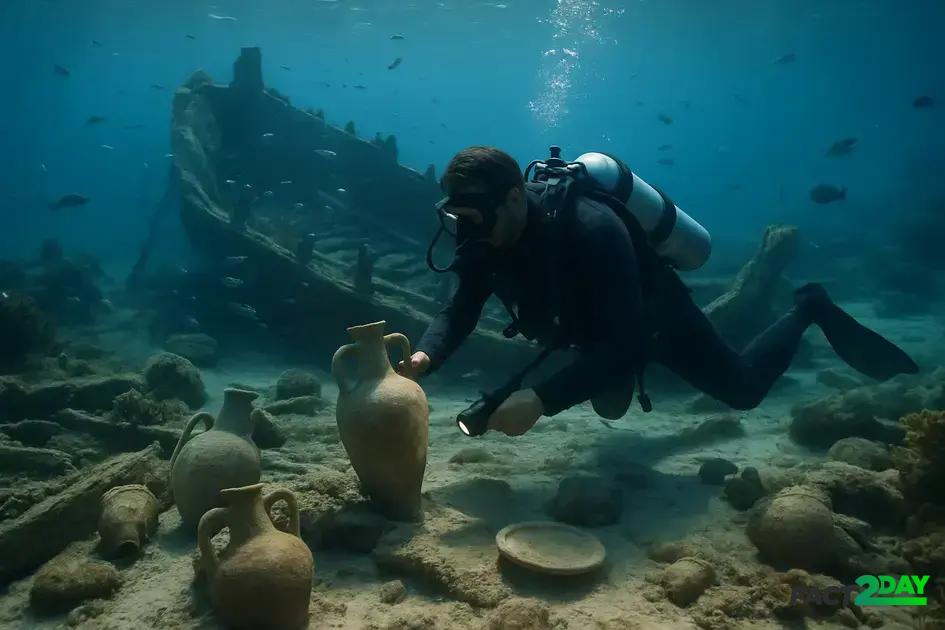
Underwater archaeology began as a way to explore shipwrecks and sunken cities that lay hidden beneath the sea. Early attempts were often limited by technology and safety concerns, with explorers relying on breath-hold diving or simple diving suits. Over time, advancements in diving equipment and underwater tools opened new possibilities, allowing archaeologists to investigate submerged sites more thoroughly and safely.
As the field evolved, researchers developed specialized methods to document, excavate, and preserve underwater sites. Scuba gear, remotely operated vehicles (ROVs), and sonar mapping became essential to locate and study artifacts without damaging fragile environments. These innovations helped transform underwater archaeology into a systematic science, uncovering stories about ancient trade, migration, and lost civilizations.
From Diving Bells to Digital Mapping
Historical milestones include the use of diving bells in the 16th century, which allowed longer underwater exploration, paving the way for modern techniques. By the 20th century, pioneering projects combined photographic documentation with precise mapping, enabling archaeologists to create detailed reconstructions of underwater sites.
Today, underwater archaeology blends traditional skills with cutting-edge technology, continually expanding our understanding of human history hidden beneath the waves.
Famous archaeological underwater discoveries around the world
Some of the most famous archaeological underwater discoveries have dramatically changed our understanding of history. The Antikythera Mechanism, found off the coast of Greece, is an ancient analog computer that revealed the technological prowess of the ancient world. Another iconic find is the Roosevelt shipwrecks in the Caribbean, where well-preserved vessels tell stories of trade and conflict during the colonial period.
The discovery of the Uluburun shipwreck near Turkey provided priceless insights into Bronze Age trade networks through the cargo of copper, tin, and luxury goods. Meanwhile, the Baltic Sea anomaly sparked intense debate about its origin due to its unusual shape, showcasing how underwater archaeology often raises new questions.
The Titanic and Its Cultural Impact
The Titanic wreck remains one of the most well-known underwater sites, captivating the public imagination and inspiring countless explorations. These discoveries combine human stories with historical artifacts, making underwater archaeology a blend of adventure and science.
Each site demands meticulous documentation and conservation efforts to preserve artifacts and their historical context for future generations.
Techniques and tools used in underwater excavations
Underwater excavations require specialized techniques and tools to safely and effectively explore submerged sites. One fundamental method is side-scan sonar, which creates detailed images of the sea floor to locate potential archaeological sites. Sub-bottom profilers help detect objects buried beneath sediment layers, guiding archaeologists where to dig.
Divers use a range of equipment, from traditional scuba gear to advanced mixed-gas rebreathers, allowing longer and deeper dives. Underwater metal detectors help identify metallic artifacts, while water dredges and suction devices carefully remove sand and silt without damaging fragile remains.
Recording and Documentation Tools
Precise photogrammetry and 3D mapping technologies document sites before, during, and after excavation. Remotely Operated Vehicles (ROVs) and Autonomous Underwater Vehicles (AUVs) extend exploration capabilities, especially in deep or hazardous areas. These robots can capture high-resolution video and collect samples remotely.
Effective underwater archaeology combines these tools with careful manual excavation, ensuring artifacts and contexts are preserved for study. Proper training and safety measures are essential, given the challenging underwater environment.
Challenges faced by underwater archaeologists
Underwater archaeologists face many challenges that make their work difficult and risky. One major hurdle is the harsh underwater environment. Visibility can be low, water currents strong, and temperatures cold, all affecting both the safety of divers and the quality of their work.
Another challenge is limited time underwater due to air supply and the risks of decompression sickness. This restricts how long archaeologists can examine a site during each dive, requiring careful planning and efficiency.
Preservation and Legal Issues
Preserving delicate artifacts underwater is complex; the moment objects are brought to the surface, they can rapidly deteriorate if not handled correctly. Conservation requires specialized techniques and facilities to stabilize these finds.
Legal and ethical challenges also arise, such as protecting underwater sites from looting and unauthorized salvage. International laws and local regulations can vary, making coordination and compliance essential.
Lastly, the costs of underwater archaeology are high, necessitating funding for expensive equipment, technology, and trained personnel. These barriers require collaboration and innovation to overcome.
The role of technology in modern underwater archaeology
Technology plays a crucial role in modern underwater archaeology, transforming how discoveries are made and analyzed. Advanced tools such as sonar mapping and multi-beam echo sounders scan large underwater areas quickly to reveal hidden structures and shipwrecks with great accuracy.
Robotics are vital, with Remotely Operated Vehicles (ROVs) and Autonomous Underwater Vehicles (AUVs) exploring depths too dangerous for humans. These machines collect high-resolution images, videos, and samples, expanding the reach of archaeologists.
Digital Documentation and Analysis
Photogrammetry and 3D imaging create detailed, accurate models of underwater sites and artifacts, allowing researchers to study and share findings without physical disturbance. Virtual reality (VR) enables immersive experiences, helping experts and the public explore sites remotely.
Moreover, advances in material science aid in the conservation of recovered objects, protecting them from damage once removed from their underwater environment. These technologies combined make underwater archaeology safer, more efficient, and more informative than ever before.
How underwater discoveries reshape our understanding of history
Underwater discoveries often reshape our understanding of history by revealing lost cultures, trade routes, and technologies. Sunken ships, submerged cities, and ancient artifacts provide new evidence that challenges previous beliefs and fills in historical gaps.
For example, the discovery of shipwrecks laden with goods from distant lands proves the existence of extensive ancient trade networks. These finds show how civilizations exchanged materials and ideas much earlier than once thought.
Uncovering Lost Civilizations and Technologies
Diving into sunken ruins uncovers architectural styles, daily life objects, and burial practices that broaden our knowledge of ancient societies. Artifacts like the Antikythera Mechanism reveal advanced technological skills that rewrite historical timelines.
Moreover, underwater discoveries can preserve organic materials and fragile items that do not survive on land, offering unique insights. These findings also highlight how natural disasters or conflicts led to sudden disappearances, adding context to historical events.
Overall, underwater archaeology continually reshapes history by adding depth and nuance to our understanding of the past, connecting us more closely to humanity’s diverse stories.
Conservation and preservation of underwater artifacts
Preserving artifacts recovered from underwater sites is a delicate and complex process. Once removed from their water environment, these objects can quickly deteriorate if not treated properly due to exposure to air, salt, and bacteria. Conservation aims to stabilize and protect these items for study and display.
Initially, artifacts undergo careful cleaning to remove salt and sediment without causing damage. This may involve soaking in fresh water or specialized chemical baths. Desalination is critical to prevent salt crystals from forming inside the materials.
Long-term Preservation Techniques
For organic materials like wood or textiles, conservators use methods such as polyethylene glycol treatment or freeze-drying to maintain structure. Metals often require electrolytic reduction to halt corrosion. Detailed records and controlled environments ensure artifacts are preserved under constant conditions.
Modern technologies like 3D scanning and digital archiving help document artifacts before and during conservation. This preserves valuable information even if the physical item changes.
Collaboration between archaeologists, conservators, and scientists is essential to develop best practices that protect cultural heritage for future generations.
Famous shipwrecks and what they tell us
Famous shipwrecks serve as underwater time capsules that reveal rich details about the past. The Mary Rose, Henry VIII’s warship, offers insights into Tudor naval warfare, crew life, and Tudor-era technology through its well-preserved remains and artifacts.
The Vasa shipwreck, found in Sweden, highlights 17th-century shipbuilding techniques and maritime culture. Its recovery gave historians a unique look at design flaws and construction challenges of the time.
Stories from the Titanic and the Lusitania
The Titanic tells a tragic story of early 20th-century ocean travel, class divisions, and maritime safety improvements. Its wreck helped researchers better understand the sinking dynamics and human experiences aboard.
The Lusitania shipwreck reveals the impact of World War I on civilian shipping and maritime warfare. Artifacts recovered have informed studies on the submarine threat and wartime secrecy.
Each shipwreck preserves cultural, technological, and social histories, helping us piece together human journeys, conflicts, and innovations across centuries.
The impact of underwater archaeology on cultural heritage
Underwater archaeology significantly impacts cultural heritage by uncovering artifacts and sites that preserve human history beneath the sea. These discoveries provide valuable links to past civilizations and help protect forgotten or threatened cultural treasures.
By revealing submerged cities, shipwrecks, and artifacts, underwater archaeology contributes to a deeper understanding of our shared heritage, connecting communities to their roots and history. These finds often become important symbols of identity and pride.
Preservation and Education
Artifacts recovered through underwater digs require careful preservation to maintain their integrity for future generations. These efforts support museums and educational programs that raise public awareness about cultural history and the importance of protecting underwater sites.
Underwater archaeology also helps shape policies and laws that safeguard heritage sites against looting and destruction. It encourages responsible exploration and promotes international cooperation to conserve these irreplaceable resources.
In many cases, discoveries have led to the recognition of underwater sites as UNESCO World Heritage Sites, ensuring their protection and promoting sustainable tourism.
How to get involved or follow underwater archaeological research
Getting involved in underwater archaeological research can be exciting and rewarding. One way to start is by joining local diving clubs that focus on archaeological and historical explorations. Many organizations offer training on excavation techniques and safety protocols.
Volunteering with universities or research institutions conducting underwater projects is another valuable opportunity. These programs often welcome non-experts and provide hands-on experience under expert supervision.
Following Research and Supporting the Field
For those who cannot participate directly, following published research, documentaries, and online platforms keeps you updated with the latest discoveries. Subscribing to newsletters from archaeological societies and attending conferences or public lectures broadens your knowledge.
Supporting underwater archaeology through donations or advocacy helps preserve underwater cultural heritage. Raising awareness about the importance of protecting these sites ensures future generations can also appreciate them.
Whether through direct involvement or staying informed, anyone interested can play a role in this fascinating field.
Embracing the Depths of History
Underwater archaeology offers a unique window into our past, revealing stories long hidden beneath the waves. From ancient shipwrecks to submerged cities, these discoveries enrich our understanding of human history and culture.
Whether by participating in research or following new findings, everyone can engage with this exciting field. Protecting and preserving underwater sites is vital to keep these connections to our heritage alive.
As technology advances and more discoveries are made, underwater archaeology will continue to inspire curiosity and expand knowledge for generations to come.