Harvesting Cells: The Promise of Cellular Agriculture for Sustainable Meat and Dairy
Cellular Agriculture Food Future unveils sustainable meat and dairy innovations shaping tomorrow's eco-friendly nourishment.
Exoplanets are planets orbiting stars beyond our solar system, discovered through methods like transit photometry, revealing the vast diversity of worlds in our galaxy and expanding our understanding of the universe.
Cellular Agriculture Food Future is transforming how we think about meat and dairy production. Have you ever wondered if we can enjoy these foods without harming the planet? Let’s dive into this emerging field that could redefine sustainable eating.
What is cellular agriculture and how does it work?
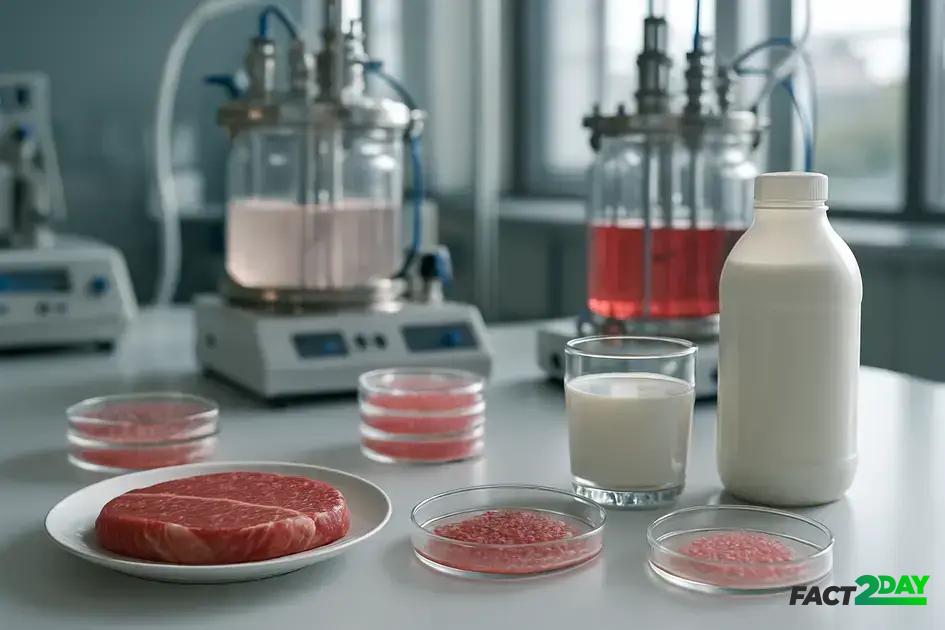
Cellular agriculture is a cutting-edge approach to producing meat, dairy, and other animal products by cultivating cells directly rather than raising and slaughtering animals. This method relies on growing animal cells in controlled environments, such as bioreactors, where they receive the necessary nutrients to multiply and form tissues identical to traditional meat or dairy.
The process typically begins with a small sample of animal cells, like muscle or fat cells, which are isolated and placed into a growth medium rich in proteins, sugars, and other essential nutrients. Over time, these cells divide and develop into larger structures, such as muscle fibers or milk-producing cells.
Key components of cellular agriculture
First, cell sourcing involves selecting the right type of cells to ensure quality and functionality. Then, cell culture techniques maintain optimal conditions like temperature, oxygen, and pH to promote healthy growth. Lastly, tissue engineering shapes the cells into the desired product textures and forms.
Unlike traditional livestock farming, cellular agriculture uses significantly less land, water, and emits fewer greenhouse gases, making it a promising solution for sustainable food production. This technology also offers the ability to produce food free from antibiotics and hormones, potentially leading to healthier products.
As research advances, innovations like scaffolding materials and 3D bioprinting enhance the structure and taste of lab-grown meat, bringing this futuristic food closer to mainstream markets. Understanding how cellular agriculture works is essential to appreciate its potential impact on food security and environmental conservation.
The environmental benefits of cellular agriculture
Cellular agriculture offers significant environmental benefits compared to traditional livestock farming. This innovative method uses less land, water, and energy, which helps reduce the strain on natural resources. Producing meat and dairy through cell cultivation generates far fewer greenhouse gas emissions, making it a promising solution to combat climate change.
Reduced land use
Traditional animal farming requires vast areas for grazing and growing feed crops. Cellular agriculture, on the other hand, needs only small, controlled spaces like labs or bioreactors. This reduction frees up land for reforestation or other ecosystems, aiding biodiversity.
Lower water consumption
Producing cultured meat consumes significantly less water than raising animals, since it eliminates the needs for drinking water, irrigation of feed crops, and cleaning large farm facilities. This makes cellular agriculture ideal for regions facing water scarcity.
Decreased greenhouse gas emissions
Animals emit methane, a potent greenhouse gas, during digestion. Cellular agriculture bypasses this by growing cells directly, leading to much lower emissions. Experts estimate reductions of up to 90% compared to conventional meat production.
Less pollution and waste
Traditional farms can contribute to soil and water pollution from animal waste and chemicals. By cultivating meat and dairy in controlled environments, cellular agriculture minimizes these pollutants, protecting surrounding ecosystems.
Overall, cellular agriculture points toward a more sustainable and eco-friendly way to meet global food demand while preserving the planet’s health.
Advances in cultured meat technology
Recent advances in cultured meat technology have significantly improved the quality, scalability, and cost-effectiveness of lab-grown meat. Scientists now use refined cell culture techniques and bioreactor systems to cultivate animal cells more efficiently, producing textures and flavors closer to traditional meat.
Innovations in cell sourcing and growth
Researchers have identified optimal cell types, such as muscle stem cells and adipocytes, which grow rapidly and develop realistic textures. New growth media formulas, often free from animal-derived components, support faster and safer cell proliferation.
Bioreactors and scalability
Modern bioreactors provide precise control over temperature, oxygen, and nutrients, allowing cells to grow in larger batches. Advances in bioreactor design help reduce production costs and increase output, moving cultured meat closer to commercial viability.
3D scaffolding and tissue engineering
To mimic the complex structure of meat, scientists apply 3D scaffolds made from edible or biodegradable materials where cells can organize naturally. Techniques like 3D bioprinting enable layering of different cell types to recreate marbling and texture typical of traditional cuts.
Flavor and nutritional improvements
Through genetic editing and nutrient adjustments, cultured meat can be enhanced with improved flavor profiles and tailored nutritional content. This customization could lead to healthier and more sustainable meat options.
These ongoing advances underline the potential of cultured meat to transform the food industry and meet growing global demand sustainably.
The future of dairy without traditional farms
The future of dairy is being reshaped by cellular agriculture, offering alternatives that do not rely on traditional farms. Lab-grown dairy products are produced by cultivating milk-producing cells or by fermenting genetically engineered microbes to create proteins like casein and whey. This approach allows dairy to be made without cows, reducing environmental impact and ethical concerns.
Precision fermentation for dairy proteins
This technology uses microbes such as yeast or bacteria that are engineered to produce dairy proteins. These proteins are then harvested and combined with fats, vitamins, and minerals to recreate milk, cheese, and yogurt with the same taste and texture as conventional products.
Benefits over traditional farming
By eliminating the need for cows, cellular dairy drastically lowers greenhouse gas emissions, water use, and land requirements. It also avoids issues related to animal welfare and antibiotics. This makes dairy more sustainable and potentially safer for consumers.
Scalability and commercialization
Many startups and companies are developing scalable production methods to bring cultured dairy products to market soon. These advancements include optimizing fermentation processes, reducing costs, and ensuring regulatory approvals for food safety.
As technology evolves, the demand for traditional dairy farms may decline, replaced by environmentally friendly and ethical alternatives that provide the same nutritional benefits without the downsides of animal agriculture.
Ethical considerations in cellular agriculture
Ethical considerations play a crucial role in the development and acceptance of cellular agriculture. This innovative technology addresses many animal welfare concerns by producing meat and dairy without the need to raise and slaughter animals. As a result, it offers a compassionate alternative that could reduce animal suffering worldwide.
Animal welfare benefits
Because cellular agriculture grows products from animal cells in labs, it eliminates the need for factory farming and the harsh conditions many animals endure. This promises a more humane food production method that respects animal life.
Environmental responsibility
This approach also supports ethical stewardship of the environment by minimizing greenhouse gases, reducing land and water use, and lowering pollution compared to traditional farming practices. These factors align with broader ethical values of sustainability and conservation.
Food safety and transparency
Lab-grown foods offer greater control over production, reducing risks linked to antibiotics, hormones, and bacterial contamination found in conventional meat and dairy. Ensuring transparency in manufacturing processes will be key to consumer trust and ethical acceptance.
Economic and social impacts
While promising, cellular agriculture raises questions about impacts on farmers, rural communities, and workers dependent on livestock industries. Ethical development requires policies that support fair transitions and address potential job displacement.
Engaging diverse stakeholders—including ethicists, consumers, and policymakers—is essential to guide responsible innovation in cellular agriculture that balances animal welfare, environmental care, and social justice.
How cellular agriculture can address food security
Cellular agriculture has the potential to greatly improve global food security by producing reliable, scalable, and sustainable sources of meat and dairy. As the world faces challenges like population growth, climate change, and limited arable land, this technology offers a new way to meet rising food demand.
Consistent and scalable production
Unlike traditional farming, cellular agriculture allows for controlled environment production. This means food can be grown year-round without dependence on weather or large land areas, reducing risks of crop failure or livestock disease outbreaks.
Efficient resource use
By using fewer natural resources such as water and land, cellular agriculture helps conserve essential inputs while producing enough food. This efficiency supports feeding more people with less environmental impact.
Reduced supply chain disruptions
Producing meat and dairy locally in labs close to consumers can lower dependency on long supply chains vulnerable to disruptions like pandemics or trade issues. This can ensure steady food availability even in crises.
Nutrition and food quality
Cellular agriculture enables precise control of nutritional content, allowing the creation of fortified foods tailored to specific dietary needs. This can help combat malnutrition in vulnerable populations.
Overall, cellular agriculture offers a forward-thinking solution to enhance the stability and resilience of global food systems, making nutritious animal products accessible to many more people worldwide.
Challenges in scaling cellular agriculture production
Scaling cellular agriculture production involves several significant challenges that researchers and companies must overcome to bring lab-grown meat and dairy to mass markets. These obstacles span technical, economic, and regulatory areas.
High production costs
Currently, the cost of growth media and bioreactors remains high. Developing affordable, food-grade alternatives to expensive lab ingredients is critical to reduce prices and compete with conventional meat.
Bioreactor design and capacity
Scaling up from petri dishes to industrial-sized bioreactors requires advanced engineering to ensure uniform nutrient delivery, oxygenation, and waste removal. Designing bioreactors that can maintain cell health at large volumes is a complex task.
Maintaining product quality and consistency
Ensuring that cultured meat has consistent texture, flavor, and nutritional profiles at scale is challenging. Variability in cell growth or scaffold materials can affect the final product quality.
Regulatory hurdles
As a novel food category, cellular agriculture products face uncertain regulatory pathways in many countries. Gaining approvals requires demonstrating safety and labeling transparency, which can delay market entry.
Consumer acceptance
Although interest is high, some consumers remain skeptical of lab-grown foods. Building trust through education, transparent practices, and positive sensory experiences is essential.
Addressing these challenges will be key for cellular agriculture to achieve large-scale production and widespread adoption as a sustainable food source.
The role of government and policies in supporting innovation
Governments and policies play a vital role in fostering innovation within cellular agriculture. By establishing supportive regulations and funding research, they help accelerate the development and commercialization of lab-grown meat and dairy products.
Regulatory frameworks
Clear and science-based regulatory guidelines ensure safety and transparency for cellular agriculture products. Governments that create pathways for approval and labeling help build consumer trust and encourage investment.
Funding and subsidies
Public funding for research and development reduces financial risks for startups pioneering cellular agriculture technologies. Grants, subsidies, and tax incentives can make innovation more attractive and sustainable.
Public-private partnerships
Collaborations between governments, universities, and industry leaders promote knowledge sharing, infrastructure development, and commercialization efforts. These partnerships help overcome technical challenges and scale production.
Global collaboration and standards
International cooperation in creating regulatory standards and sharing best practices can streamline market entry and expand consumer access worldwide. Harmonizing policies also facilitates trade and investment in cellular agriculture.
Ethical and social considerations
Policy frameworks that address ethical, environmental, and social impacts help ensure responsible innovation. Supporting workforce transition programs and rural development policies can mitigate potential disruptions.
In summary, proactive government involvement and thoughtful policies are key drivers for the successful growth and acceptance of cellular agriculture technologies.
Consumer perception and acceptance of lab-grown products
Consumer perception plays a crucial role in the adoption of lab-grown meat and dairy products. Many people are intrigued by the idea of sustainable, cruelty-free food but may also have concerns about safety, taste, and the naturalness of these products.
Factors affecting acceptance
Trust in the production process, perceived health benefits, and environmental impact influence consumer willingness to try cellular agriculture foods. Clear communication about how these products are made and their benefits can help alleviate skepticism.
The role of taste and texture
Consumers often judge new foods based on flavor and mouthfeel. Advances in technology aim to replicate the taste and texture of traditional meat and dairy as closely as possible, which is essential for positive acceptance.
Marketing and education
Educational campaigns that explain the environmental and ethical advantages alongside product sampling can build awareness and openness. Influencer endorsements and transparent labeling also contribute to trust.
Cultural and regional differences
Acceptance varies by culture and region, influenced by dietary habits and food traditions. Tailoring marketing strategies to local preferences and values is important for wider adoption.
Overall, building consumer confidence in lab-grown products requires ongoing efforts in transparency, quality improvement, and public engagement to turn curiosity into regular consumption.
The impact of cellular agriculture on traditional farming industries
The rise of cellular agriculture presents significant changes for traditional farming industries. As lab-grown meat and dairy products gain popularity, these industries may face shifts in demand, employment, and farming practices.
Economic challenges for farmers
Traditional livestock farmers could experience reduced demand for animal products, affecting income and livelihoods. Adjusting to a market where cellular agriculture becomes mainstream may require new strategies and diversification.
Potential for collaboration
Some farmers may find opportunities by partnering with cellular agriculture companies, such as providing biomass, raw materials, or transitioning to new agricultural roles supporting this technology.
Shifts in rural communities
Changes in farming could impact rural economies and communities, leading to social and economic adjustments. Supporting workforce retraining and community development will be important to manage this transition.
Environmental benefits and land use
Reduced demand for traditional animal farming can lead to lower environmental degradation, freeing land for conservation or alternative uses. This could reshape agricultural landscapes globally.
Market evolution and consumer choice
As cellular agriculture expands, consumers will have more choices between traditional and lab-grown products. This competition may drive improvements in sustainability, quality, and price within both sectors.
Understanding and managing these impacts will be key to ensuring a balanced and sustainable food system as cellular agriculture continues to evolve.
Embracing the future of sustainable food
Cellular agriculture holds great promise for transforming how we produce meat and dairy. By creating food that is ethical, sustainable, and scalable, this technology could help feed a growing world while reducing environmental impact.
Though challenges remain in scaling production and gaining consumer trust, ongoing advances and supportive policies are paving the way forward. The shift will also reshape traditional farming industries, offering both challenges and new opportunities.
With increased awareness and innovation, cellular agriculture has the potential to become a key part of our food system. Embracing this change can lead to healthier choices for people, animals, and the planet.