Concrete Jungles: How Wildlife is Adapting and Thriving in Urban Environments
Explore the fascinating world of Ecology of Urban Wildlife Adaptation and discover how animals thrive amidst city chaos.
Exoplanets are planets orbiting stars beyond our solar system, discovered through precise methods like observing starlight dimming, revealing thousands of diverse worlds that expand our understanding of the galaxy and the potential for life beyond Earth.
Have you ever wondered how animals survive and even thrive in bustling cities? The Ecology of Urban Wildlife Adaptation reveals surprising insights into this incredible phenomenon, blending nature with concrete. Join me as we explore the fascinating lives of urban wildlife and their remarkable adaptations.
Understanding urban wildlife adaptation
Urban wildlife adaptation refers to the process by which wild animals adjust their behaviors, diets, and habitats to survive and thrive in city environments. In these areas, animals face unique challenges such as limited natural spaces, pollution, noise, and constant human activity.
Behavioral Changes
Many urban species exhibit behavioral flexibility by becoming active at different times to avoid humans or by changing their feeding habits. For example, some birds have shifted their diets to include human food scraps, which are often easier to find than their natural prey.
Physical and Habitat Adaptations
Some animals develop physical adaptations like altered body sizes or enhanced problem-solving skills. Urban green spaces, rooftops, and even abandoned buildings become critical refuges, offering shelter and food sources. These adapted habitats provide opportunities for nesting, protection, and movement within the city.
Survival Strategies
Urban wildlife often uses a combination of avoidance and opportunistic behaviors to coexist with humans. Strategies include nesting in hidden spots, scavenging near trash bins, and exploiting artificial water sources. This adaptability helps maintain biodiversity even in heavily developed areas.
Understanding these adaptations is vital to managing urban ecosystems and promoting harmonious coexistence between humans and wildlife.
Key species thriving in cities
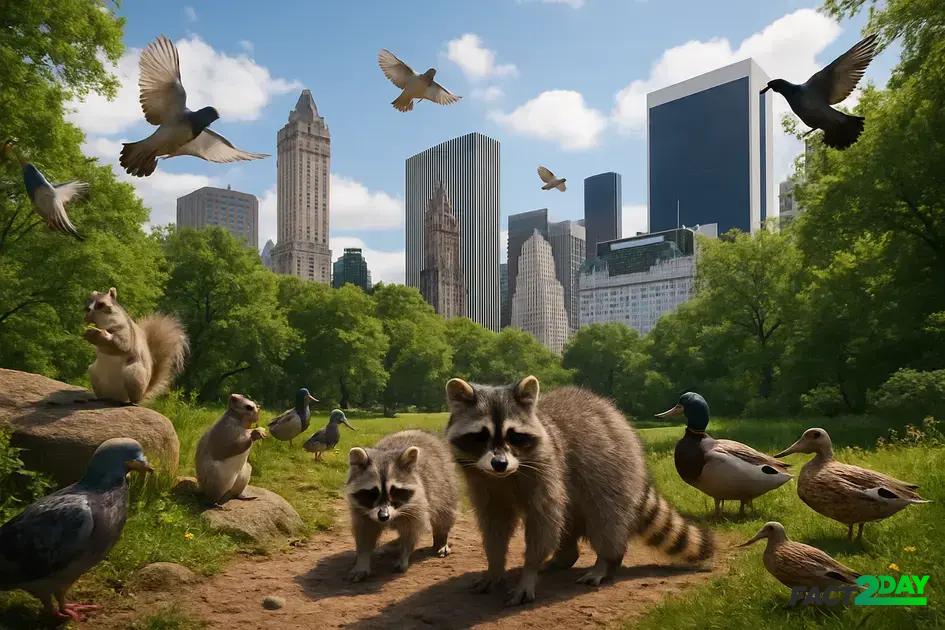
Certain species have adapted remarkably well to urban environments, becoming common sights in cities worldwide. These key species include birds like pigeons and crows, mammals such as raccoons and squirrels, and even insects like cockroaches and bees. Their success stems from their ability to exploit human-related resources and habitats.
Birds That Thrive
Pigeons and crows are highly adaptable, feeding on a wide range of food sources from discarded scraps to insects. They nest in building ledges, parks, and other urban structures, taking advantage of the city’s vertical landscape.
Mammals in the City
Raccoons and squirrels are skilled at finding shelter in attics, parks, and gardens. Their omnivorous diets and cautious behaviors allow them to navigate urban hazards and find food whether in garbage cans or bird feeders.
Important Insects
Urban bees play a critical role in pollination despite limited green space. Meanwhile, cockroaches persist in human dwellings by thriving on waste, showcasing a tough survival strategy.
These species illustrate the complex ways animals adapt to and even benefit from human-altered environments, contributing to urban biodiversity.
Impact of urbanization on ecosystems
Urbanization changes natural landscapes into built environments, affecting ecosystems in many ways. Concrete, roads, and buildings replace vegetation, disrupting animal habitats and reducing biodiversity. These changes can lead to a decline in native species and an increase in opportunistic species that adapt well to urban life.
Habitat Fragmentation
One major impact is habitat fragmentation, where continuous natural areas are broken into isolated patches. This makes it harder for wildlife to move freely and access resources, leading to smaller populations and increased vulnerability.
Changes in Water and Soil
Urban areas often alter natural water flow because of impervious surfaces like asphalt. This can cause flooding, pollution, and changes in soil quality. These factors affect plants and animals that depend on clean water and fertile soil.
Heat Island Effect
The urban heat island effect raises temperatures in cities compared to nearby rural areas. Higher heat can stress certain species and change the composition of local wildlife communities.
Understanding these impacts is crucial for developing sustainable cities that support both human and ecological health.
Behavioral changes in urban animals
Urban animals often show behavioral changes that help them survive in busy city environments. These changes include altering their daily activity patterns, diet, and social behaviors to avoid dangers and make the most of available resources.
Shifts in activity patterns
Many animals become more nocturnal in cities to avoid humans and traffic during the day. For example, raccoons and foxes are more active at night, reducing the risk of encounters with people.
Diet adaptations
Urban wildlife often changes what they eat due to the abundance of human food waste. Birds like crows and pigeons scavenge on garbage, while squirrels may raid bird feeders or gardens. This opportunistic feeding helps them thrive in areas where their natural food is scarce.
Social and communication changes
Some species modify how they communicate to cope with city noise. Birds may sing louder or at different frequencies to be heard over traffic sounds. Others adjust their social structures, sometimes becoming more solitary or forming larger groups depending on food availability and shelter.
These behavioral adaptations show how flexible urban animals can be, and understanding them helps us better manage urban ecosystems.
Challenges faced by wildlife in concrete jungles
Wildlife in urban areas faces numerous challenges due to the dense human population and infrastructure. These challenges impact their survival, reproduction, and overall well-being.
Habitat loss and fragmentation
As cities expand, natural habitats shrink or split into small, isolated patches. Animals struggle to find food, mates, and safe shelter, which can reduce population sizes.
Pollution
Air, water, and noise pollution affect wildlife health. Chemical pollutants can poison water sources, while noise pollution interferes with animal communication and increases stress levels.
Collisions and road dangers
High traffic leads to frequent roadkill incidents. Many animals, such as birds and small mammals, face dangers crossing streets or highways.
Human conflict and disturbance
Wildlife may be seen as pests, leading to trapping, poisoning, or habitat destruction. Additionally, human activities can disrupt animal behaviors and nesting sites.
Limited food resources
Natural food can be scarce, pushing animals to scavenge in garbage or rely on human-provided food, which may be unhealthy or inconsistent.
These challenges highlight the importance of designing cities that consider wildlife needs for coexistence.
Role of green spaces in urban habitats
Green spaces in cities provide essential habitats for urban wildlife and improve overall ecosystem health. Parks, gardens, and green roofs create areas where plants and animals can live, feed, and reproduce away from the harshness of buildings and traffic.
Habitat and food source
These spaces offer shelter and food for many species, including birds, insects, and small mammals. Native plants support pollinators like bees and butterflies, helping to maintain biodiversity.
Connecting fragmented habitats
Green corridors and patches help connect isolated areas, allowing animals to move safely and find new resources. This connectivity is crucial for genetic diversity and population stability.
Benefits for people and wildlife
Besides supporting wildlife, green spaces improve air quality, reduce urban heat, and offer recreational spots for city residents. Well-planned green areas foster a better coexistence of humans and nature in cities.
Urban green spaces play a vital role in sustaining life amid concrete, making cities more livable for all species.
Urban wildlife and human interactions
Urban wildlife and humans frequently interact in city environments, creating both opportunities and challenges. Animals like birds, squirrels, and raccoons live close to people, often benefiting from food and shelter but sometimes causing conflicts.
Positive interactions
People enjoy watching urban wildlife and benefit from the ecosystem services animals provide, such as pollination by bees and pest control by birds. Community gardens and parks foster connections between humans and nature.
Conflicts and challenges
However, some wildlife can become nuisances by damaging property, spreading diseases, or scavenging through trash. Feeding wild animals can lead to dependency and aggressive behavior.
Coexistence strategies
Education and urban planning play key roles in managing human-wildlife interactions. Measures like secure trash bins, wildlife-friendly landscaping, and public awareness campaigns help reduce conflicts and promote safe coexistence.
Balancing human needs with wildlife conservation encourages healthier and more vibrant urban ecosystems.
Technological advances aiding urban ecology
Technological advances have become powerful tools in monitoring and supporting urban wildlife. Innovations like remote sensing, camera traps, and GPS tracking provide valuable data on animal movements and behaviors without disturbing their habitats.
Remote sensing and drones
Drones and satellite imagery help map urban green spaces and identify critical habitats. These technologies allow researchers to monitor changes over time and plan conservation efforts more effectively.
Camera traps and sensors
Camera traps capture images of elusive animals, giving insight into species presence and activity patterns. Motion sensors and acoustic devices help study bird songs and insect populations even in noisy city environments.
GPS and citizen science apps
GPS trackers attached to animals reveal migration routes and habitat use. Meanwhile, mobile apps encourage citizens to report wildlife sightings, expanding data collection and raising public awareness.
Together, these technological advances improve our understanding of urban ecosystems and guide strategies to protect and enhance wildlife habitats.
Conservation strategies for city wildlife
Conservation strategies for city wildlife focus on protecting habitats, reducing threats, and promoting coexistence between humans and animals. Effective approaches balance urban development with ecological needs.
Habitat restoration and creation
Restoring native vegetation and creating green spaces like parks and green roofs provide essential habitats. These areas support breeding, feeding, and shelter for many species.
Reducing threats
Implementing measures such as wildlife crossings, secure trash containers, and limiting pesticide use helps minimize dangers to animals. Public education programs also encourage responsible behavior around wildlife.
Community involvement and policy
Engaging local communities through citizen science and volunteer programs raises awareness and support for conservation. Policies that integrate wildlife protection into urban planning ensure long-term benefits.
Together, these strategies create healthier urban ecosystems where wildlife can thrive alongside people.
Future trends in urban wildlife ecology
Future trends in urban wildlife ecology focus on integrating technology, conservation, and urban planning to create sustainable city environments that support diverse wildlife.
Smart cities and data-driven conservation
Advances in technology will enable real-time monitoring of urban wildlife through sensors, cameras, and AI analysis. This data-driven approach helps inform better management and conservation decisions.
Green infrastructure expansion
The growth of green roofs, vertical gardens, and connected green corridors will enhance habitat availability and connectivity for urban animals, mitigating habitat fragmentation.
Community engagement and education
Increased public involvement through citizen science and education programs will raise awareness and support for urban biodiversity, fostering coexistence.
Climate change adaptation
Urban ecology will focus more on helping wildlife adapt to climate change by creating resilient habitats and facilitating species movement through urban landscapes.
Overall, future urban wildlife ecology aims to harmonize human development with the needs of wildlife, promoting healthier ecosystems in cities.
How individuals can support urban wildlife
Individuals play a key role in supporting urban wildlife by creating safe, welcoming environments in their communities. Small actions can make a big difference in helping animals thrive in cities.
Providing food and water
Setting up bird feeders, planting native flowers, and providing clean water sources help nourish urban wildlife. It’s important to offer natural, healthy options rather than processed human food.
Creating habitat
Gardening with native plants and leaving leaf litter or logs in yard corners can create shelter and nesting spots for many species. Avoiding pesticides also protects beneficial insects and birds.
Reducing hazards
Keeping cats indoors, securing trash bins to prevent scavenging, and avoiding window collisions by adding decals help reduce risks to animals.
Getting involved
Participating in local conservation groups, volunteering for habitat restoration projects, and engaging in citizen science initiatives contribute valuable help to urban ecology.
By making mindful choices, individuals help build healthy urban ecosystems where people and wildlife coexist peacefully.
Embracing Urban Wildlife for a Balanced City
Understanding how wildlife adapts and thrives in urban environments helps us appreciate the complex relationships between animals and humans in cities.
By supporting green spaces, reducing hazards, and engaging in conservation efforts, we can foster healthier ecosystems right where we live.
Each small action contributes to a future where cities are vibrant homes not only for people but also for diverse wildlife, creating a balanced and thriving urban world.