Waste Not, Want Not: The Rise of Upcycled Food Products Transforming Food Scraps into Delicacies
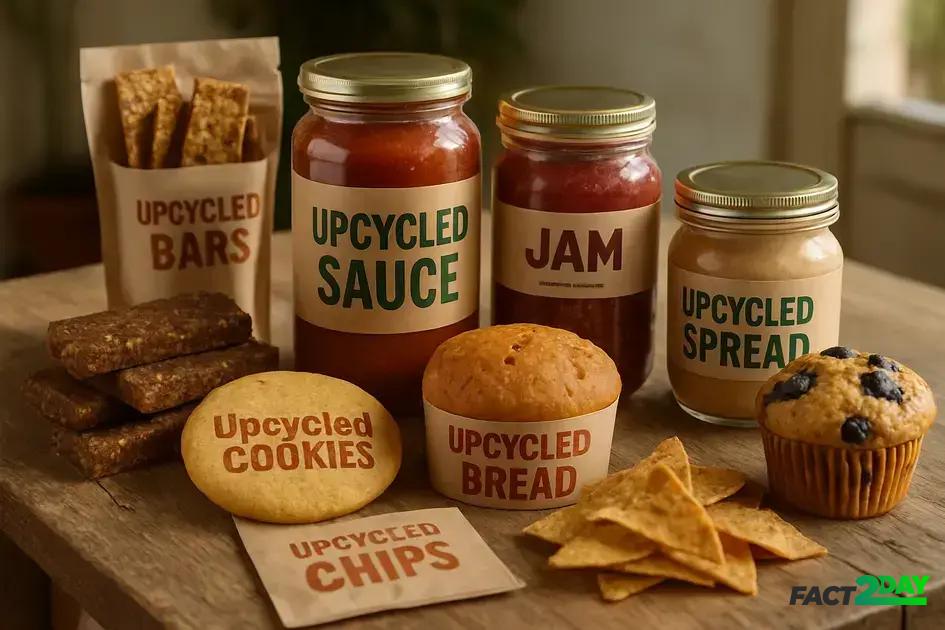
Upcycled Food Products are revolutionizing how we treat food scraps, turning waste into delicious, sustainable treats you can feel good about.
Exoplanets are planets orbiting stars beyond our solar system, discovered through precise methods like detecting star light dimming when a planet passes, revealing the vast and diverse nature of our galaxy.
Upcycled Food Products are turning heads by transforming what we once considered trash into treasures of taste and sustainability. Ever wondered how leftovers could become your next favorite snack? Dive into this exciting trend with me!
Understanding what upcycled food products are
Upcycled food products are edible goods made from ingredients that would otherwise be discarded, such as imperfect fruits, vegetable peels, or spent grains. This practice reduces food waste by giving a second life to food scraps while creating nutritious and tasty options for consumers. Unlike traditional recycling, upcycling in food focuses on transforming byproducts into valuable resources, maintaining or enhancing their nutritional value.
The process involves collecting surplus or imperfect food items, then creatively processing and combining them into new products like snacks, flours, beverages, or condiments. This not only conserves resources but also supports sustainability by lowering greenhouse gas emissions linked to food waste. Consumers benefit by accessing unique products that promote environmental responsibility without compromising flavor or quality.
Key characteristics of upcycled food products
- Made from ingredients that would normally be wasted.
- Produced through innovative recipes and techniques.
- Focus on sustainability and reducing environmental impact.
- Maintain high nutritional and taste standards.
By understanding what upcycled food products are, consumers and businesses can appreciate their role in a circular food economy, supporting responsible consumption and creative culinary solutions.
The environmental impact of reducing food waste
Reducing food waste through upcycled food products has a significant positive impact on the environment. When food scraps are diverted from landfills and given a new purpose, it helps decrease methane emissions, a potent greenhouse gas released by decomposing organic matter in landfills. This reduction contributes directly to fighting climate change.
Additionally, upcycling food lowers the demand for new agricultural production. Growing crops requires vast amounts of water, energy, and land. By maximizing the use of existing food resources, upcycling helps conserve natural resources and reduces the carbon footprint associated with farming, harvesting, and transportation.
Benefits of reducing food waste environmentally
- Lower greenhouse gas emissions, especially methane.
- Decreased water and energy consumption in food production.
- Reduced pressure on land usage and habitat disruption.
- Less waste sent to landfills or incinerators.
By supporting upcycled food products, consumers can play an active role in environmental preservation. The practice embodies the principles of a circular economy, where waste is minimized, and resources are continually reused, resulting in a healthier planet.
The journey from food scraps to gourmet delicacies
The transformation of food scraps into gourmet delicacies is an inspiring example of culinary creativity and sustainability combined. This journey begins with collecting ingredients often deemed as waste, such as vegetable peels, fruit pulp, and spent grains. These are carefully selected for quality and potential flavor before being repurposed.
Innovative processing techniques play a crucial role in elevating these scraps. For example, vegetable peels can be dried and ground into flavorful powders, while fruit pulp might be fermented or turned into syrups and jams. Spent grains from brewing become hearty flours or crunchy snacks.
The role of chefs and food artisans
Talented chefs and artisans experiment with these ingredients to create unique recipes that celebrate flavors while reducing waste. These creations range from upcycled baked goods and savory snacks to gourmet sauces and beverages. The final products are often marketed as sustainable, high-quality options for eco-conscious consumers.
This approach not only reduces food waste but also introduces exciting flavors and textures to the culinary world. It encourages consumers to rethink their relationship with food, seeing potential where there was once discard.
How upcycling contributes to sustainability
Upcycling contributes to sustainability by turning food waste into valuable products, reducing the need for additional resources. This process helps minimize the environmental footprint of food production by lowering the demand for new crops and reducing waste sent to landfills.
Resource conservation is a key aspect of upcycling. By using ingredients that would normally be discarded, less water, energy, and land are required compared to traditional food production. This reduces pollution and preserves vital ecosystems.
Environmental benefits of upcycling food
- Reduction in greenhouse gas emissions due to less food waste decomposition.
- Decreased water and energy use in agricultural and manufacturing processes.
- Less pressure on land use and natural habitats.
- Promotion of a circular economy where materials are continuously reused.
By supporting upcycled food products, consumers and businesses help foster a more sustainable food system. This approach encourages innovation and responsibility, ensuring resources are used efficiently for a healthier planet.
Popular upcycled ingredients and their uses
Many popular ingredients are commonly used in upcycled food products, turning byproducts into valuable and delicious items. These include fruit pulp, vegetable peels, spent grains, coffee grounds, and imperfect or surplus produce.
Fruit pulp from juice production is often transformed into jams, sauces, or baked goods. It retains nutrients and adds natural sweetness to recipes. Vegetable peels like carrot or potato skins can be dehydrated and ground into powders or chips, offering rich flavors and fiber.
Other key upcycled ingredients
- Spent grains: The leftover grains from beer brewing can be used in bread, granola bars, and snacks, adding texture and protein.
- Coffee grounds: These can be repurposed into flavor enhancers in baked products or even skincare items.
- Surplus produce: Fruits and vegetables that are misshapen or excess can be turned into pickles, sauces, or dried snacks.
Using these ingredients not only prevents waste but also inspires creative culinary applications that deliver unique tastes and nutritional benefits.
Health benefits of consuming upcycled food products
Consuming upcycled food products can offer several health benefits due to the nutrient-rich ingredients often used. These products typically contain vitamins, minerals, and fiber retained from fruits, vegetables, and grains that might otherwise be wasted.
High in fiber and nutrients: Many upcycled ingredients like fruit pulp and vegetable peels provide extra dietary fiber, which aids digestion and helps maintain a healthy gut. Additionally, these ingredients preserve important vitamins and antioxidants that support overall wellness.
Potential health advantages
- Improved digestive health thanks to increased fiber intake.
- Reduced risk of chronic diseases through antioxidants and vitamins.
- Lower exposure to artificial additives found in some processed foods.
- Support for a balanced diet with natural, wholesome ingredients.
Choosing upcycled food products encourages mindful eating that benefits both your body and the environment, reflecting a growing trend toward healthy, sustainable living.
Challenges in the upcycled food product market
The upcycled food product market faces several challenges despite its promising potential. One major hurdle is consumer perception. Many people are unfamiliar with the concept of upcycled foods and may have concerns about quality or safety, which can affect buying decisions.
Regulatory challenges also play a significant role. Different countries have varying rules and standards regarding food safety and labeling, making it complex for manufacturers to market upcycled products globally.
Market and supply chain obstacles
- Inconsistent supply of upcyclable ingredients limits production scale.
- Higher costs involved in sourcing and processing food scraps compared to conventional ingredients.
- Lack of clear certification or labeling standards to build consumer trust.
- Educational barriers to raising awareness among retailers and consumers about the benefits of upcycled foods.
Addressing these challenges requires collaboration between industry players, policymakers, and consumers to create a supportive environment that encourages innovation and acceptance of upcycled food products.
Innovative companies leading the trend
Several innovative companies are leading the upcycled food product trend by creating unique items that reduce waste and promote sustainability. These companies apply creative methods to transform food byproducts into nutritious and appealing products, setting new standards in the food industry.
Examples include: startups specializing in fruit and vegetable-based snacks made from imperfect produce, breweries repurposing spent grains into protein bars, and producers turning coffee grounds into energy-boosting drinks. These pioneers not only focus on quality but also embrace environmental responsibility.
Key traits of leading companies
- Commitment to sustainability and transparency.
- Investment in research and development for innovative processing techniques.
- Strong consumer education initiatives to raise awareness about upcycled foods.
- Collaboration with farmers, suppliers, and retailers to ensure a steady supply of ingredients and distribution.
By driving change through innovation, these companies inspire others to adopt upcycling practices, contributing to a more sustainable food system worldwide.
How consumers can support upcycled food products
Consumers play a vital role in supporting upcycled food products by making informed purchasing decisions and advocating for sustainable practices. Choosing these products helps reduce food waste and encourages companies to invest in innovative, eco-friendly solutions.
Ways consumers can support upcycled foods include:
- Seeking out brands that prioritize sustainability and transparency.
- Purchasing upcycled products regularly to boost market demand.
- Sharing information about upcycled foods with friends and family to raise awareness.
- Encouraging local stores and restaurants to stock or serve upcycled food items.
Additional consumer actions
Joining online communities or social media groups focused on sustainability can provide valuable information and keep consumers connected to the latest trends. Supporting policies that promote food waste reduction and sustainable food systems also amplifies the impact of individual choices.
By taking these steps, consumers drive a positive change in the food industry and contribute to a healthier planet.
The role of technology in food upcycling
Technology plays a crucial role in advancing food upcycling by improving the efficiency and safety of transforming food waste into valuable products. Innovations in food processing, preservation, and packaging help maintain the quality and nutritional value of upcycled ingredients.
Key technological contributions include:
- Advanced sorting and detection systems that identify usable food scraps quickly and accurately.
- Innovative processing methods such as dehydration, fermentation, and extrusion to create diverse upcycled products.
- Improved packaging solutions that extend shelf life and communicate sustainability to consumers.
- Data analytics and supply chain software that optimize ingredient sourcing and reduce waste further.
Impact of technology on scalability and quality
Automation and robotics increase the scale at which upcycled foods can be produced, making them more widely available. At the same time, technology ensures consistent product quality and compliance with food safety standards.
By integrating technology into food upcycling, businesses can innovate rapidly and meet growing consumer demand for sustainable, nutritious options.
Upcycled food products and food security
Upcycled food products can play an important role in improving food security by making better use of existing food resources. Instead of discarding edible food scraps, upcycling helps stretch the food supply and reduce overall waste.
Addressing food insecurity involves providing affordable, nutritious options to communities with limited access to fresh food. Upcycled products often contain valuable nutrients and can be produced at lower costs, making them accessible to a wider audience.
How upcycled foods support food security
- Reducing waste contributes to more efficient food distribution systems.
- Enhancing shelf life through processing extends the usability of perishable ingredients.
- Creating diverse product options caters to different nutritional needs and preferences.
- Encouraging local production supports economies and reduces dependency on imports.
By integrating upcycled food products into the market, societies can build more resilient food systems that combat hunger and promote sustainability simultaneously.
Tasting experiences and culinary creativity
Tasting experiences with upcycled food products offer a unique blend of flavors and textures that challenge traditional notions of food. These products often incorporate unexpected ingredients such as fruit peels, vegetable pulp, and spent grains, creating new taste profiles that delight the palate.
Culinary creativity thrives as chefs and food artisans experiment with these materials, turning them into gourmet snacks, baked goods, and beverages. This innovation leads to exciting flavor combinations and textures that add depth to meals and snacks.
Exploring flavors and textures
- Sweet and tangy jams made from fruit pulp and peels.
- Crunchy chips crafted from dehydrated vegetable skins.
- Nutty and hearty bars using spent grains from brewing.
- Fermented beverages that harness byproducts for unique tastes.
These tasting experiences invite consumers to appreciate the value and potential of upcycled ingredients, promoting sustainability through enjoyment and discovery in the culinary world.
Future trends in upcycled food production
Future trends in upcycled food production focus on scalability, innovation, and consumer engagement. As awareness grows, more companies are investing in new technologies to efficiently transform food waste into high-quality products while reducing environmental impact.
Emerging trends include:
- Integration of advanced food processing technologies like fermentation and bioconversion to enhance nutritional profiles.
- Expansion of product ranges, including plant-based alternatives, snacks, and beverages made from upcycled ingredients.
- Use of blockchain and digital tracking to ensure transparency and traceability in the supply chain.
- Collaboration between businesses, governments, and consumers to promote circular economy models.
Consumer-driven innovation
Future products will likely focus more on personalized nutrition and clean-label items, appealing to health-conscious consumers. Packaging will evolve to be more sustainable and informative, highlighting the environmental benefits of upcycled foods.
Overall, the future of upcycled food production promises not only to address food waste but also to revolutionize how we think about food resources and sustainability.
Embracing a sustainable food future with upcycled products
Upcycled food products offer an exciting opportunity to reduce food waste and support a healthier planet. By transforming scraps into tasty, nutritious options, this trend helps conserve resources and cut down environmental impact.
As technology and consumer awareness continue to grow, upcycled foods are becoming more accessible and diverse. Supporting this movement through conscious choices encourages innovation and builds a more sustainable food system for everyone.
By choosing upcycled products, you not only enjoy unique flavors but also take part in a global effort to waste less and value every ingredient. Together, we can make a big difference in how food is produced and consumed.