Nature’s Night Lights: Exploring the Strange World of Terrestrial Bio-Luminescent Creatures
Bio-Luminescent Terrestrial Organisms glow mysteriously in the dark, revealing an enchanting side of nature often unnoticed at night.
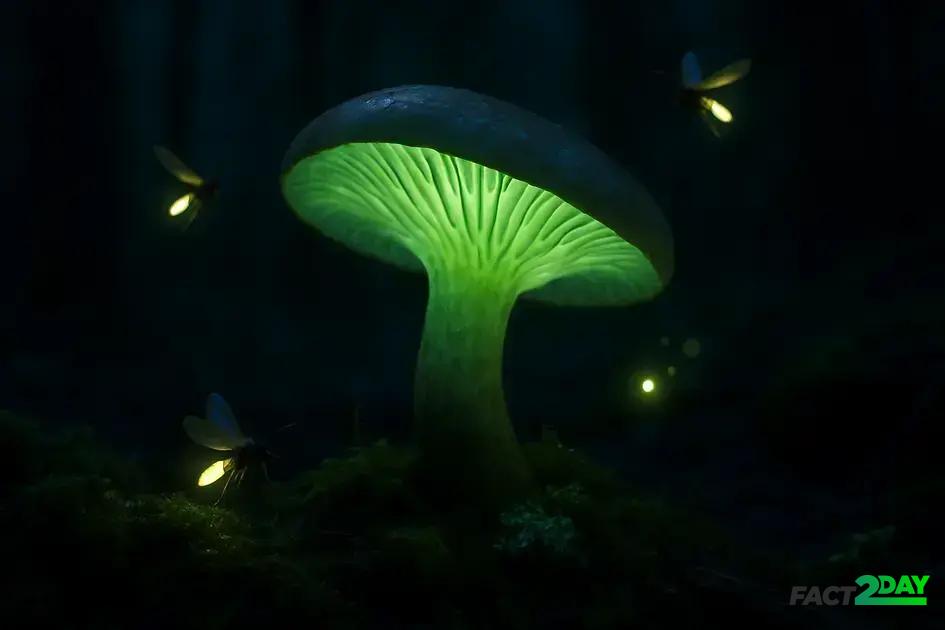
Bio-luminescent terrestrial organisms produce natural light through chemical reactions, serving critical roles in communication, survival, and ecological balance in various environments.
Have you ever noticed the magical glow of certain living creatures under the night sky? Bio-Luminescent Terrestrial Organisms offer us a glimpse into nature’s secret light show, sparking both wonder and curiosity. Let’s explore this strangely beautiful world together.
What are bio-luminescent terrestrial organisms?
Bio-luminescent terrestrial organisms are living creatures that produce and emit light through a natural chemical process called bio-luminescence. Unlike marine organisms, these terrestrial life forms glow on land, illuminating environments like forests, caves, and the night sky. This natural light is created when an enzyme called luciferase acts on a molecule called luciferin in the presence of oxygen, producing a soft, often colorful glow.
Examples of these fascinating organisms include certain species of fungi, insects like fireflies, and some worms. The light they emit can serve various purposes such as attracting mates, deterring predators, or luring prey. These organisms demonstrate a unique adaptation that helps them survive and communicate in dark habitats.
Types of Bio-Luminescent Terrestrial Organisms
Some of the most well-known terrestrial bio-luminescent organisms include glowing mushrooms, which appear as eerie lights on forest floors and decaying wood. Fireflies use their flashing light patterns to communicate during mating rituals. Additionally, certain cave-dwelling insects and worms use bio-luminescence to navigate or signal others.
Understanding what bio-luminescent terrestrial organisms are opens a window into a mysterious and beautiful aspect of nature that most people rarely experience firsthand.
The science behind bio-luminescence
Bio-luminescence is a natural chemical process that allows certain living organisms to emit light. This fascinating phenomenon occurs when a molecule called luciferin reacts with oxygen, catalyzed by an enzyme named luciferase. The result is a cold light, meaning it produces very little heat, unlike artificial light sources.
Chemical Reaction Involved
The bio-luminescence process starts when luciferin combines with oxygen in the presence of luciferase. This reaction produces light, usually visible as a glowing color, ranging from green to blue. Some organisms have specialized cells or organs called photocytes, where this reaction takes place efficiently to create steady illumination or flashing signals.
Purpose and Adaptations
This light emission serves many biological functions. In terrestrial organisms, it can be used for communication, attracting mates, deterring predators, or luring prey. For example, fireflies produce specific flashing patterns as a mating signal, while glowing fungi may use light to attract insects that help spread their spores.
Variations Among Species
The exact chemicals and brightness vary between species, adapted to their environment and ecological needs. Some organisms can control their light intensity or color, switching it on or off depending on the situation, which shows the complexity and evolutionary advantage of this trait.
Overall, the science behind bio-luminescence reveals a beautiful intersection of chemistry and biology that lights up the hidden corners of the natural world.
Common types of glowing terrestrial creatures
Several fascinating terrestrial creatures exhibit bio-luminescence, each with unique features and glowing patterns. One of the most famous are fireflies, insects known for their rhythmic flashing lights used to attract mates. Their light is produced in specialized organs on their lower abdomen and can be seen flickering across fields and forests during warm nights.
Another common group is bio-luminescent fungi, often called glow mushrooms. These fungi emit a constant greenish glow, especially in damp, decaying wood environments. The glow attracts insects that help spread their spores, aiding reproduction.
Other Notable Creatures
Glow worms are larval insects that emit a continuous light, often found in caves or dark forest floors. Their light helps lure prey closer. Certain beetles and click beetles also display bio-luminescence, using light to confuse predators or signal mates.
These organisms demonstrate diverse adaptations, ranging from short flashes to steady glows, illuminating the night in many habitats. Their bio-luminescence plays key roles in communication, survival, and reproduction.
Where can you find these organisms?
Bio-luminescent terrestrial organisms are found in a variety of habitats around the world. Many species thrive in damp, dark places where their glowing light can stand out clearly. Forest floors rich with decaying wood are a common home for bio-luminescent fungi, which use the glow to attract insects that help spread spores.
Forests and Woodlands
Forests provide an ideal environment with high humidity and shade. Fireflies are often spotted in meadows and woodland edges, especially during warm summer evenings. Their flashes light up the sky as they communicate and search for mates.
Caves and Underground Habitats
Certain glowing organisms, like glow worms, prefer caves and underground tunnels. These dark, moist environments provide perfect conditions for bio-luminescence to serve its role in luring prey or communicating without external light interference.
Some bio-luminescent creatures can also be found in grasslands, marshes, or even urban gardens where moisture and shelter support their survival. Their presence is often seasonal and linked to weather conditions that favor their lifecycle.
Ecological roles of bio-luminescent terrestrial life
Bio-luminescent terrestrial organisms play important roles in their ecosystems beyond their mesmerizing glow. One key role is communication. Many insects, like fireflies, use flashing patterns to find mates, which ensures reproduction and continuation of their species.
Predator Avoidance and Defense
Some organisms use their light as a defense mechanism. The glow can confuse or scare away predators. For example, certain glowing fungi may signal toxicity, warning animals to stay away.
Attracting Prey and Spore Dispersal
Bio-luminescence also helps attract other creatures. Glow worms emit light that lures insects close enough to be captured for food. Similarly, glowing fungi attract insects that help in dispersing spores, aiding their reproduction in new areas.
Environmental Indicators
These organisms can serve as indicators of ecosystem health. Presence or absence of bio-luminescent species may reflect changes in soil quality, moisture, or pollution levels, providing clues about environmental balance.
Overall, bio-luminescence supports survival, reproduction, and ecological balance, making these organisms vital parts of their habitats.
How do these organisms produce light?
Bio-luminescent terrestrial organisms produce light through a special chemical reaction inside their bodies. This reaction involves two main components: luciferin, a light-emitting molecule, and luciferase, an enzyme that speeds up the reaction. When luciferin reacts with oxygen, luciferase helps trigger the release of energy in the form of light.
The Chemical Process
The process is called biochemical oxidation. Luciferin combines with oxygen molecules in the presence of luciferase. The reaction produces light without heat, which means it is very efficient and safe for the organism.
Specialized Cells and Organs
Many bio-luminescent organisms have specialized cells called photocytes where the light-producing reaction occurs. Some insects, like fireflies, have light organs on their abdomen designed to control the light’s intensity and timing, allowing them to flash signals to communicate.
The colors of the light can differ depending on the chemical composition, with blue and green being the most common. Some creatures can even control the light pattern to create flashes or glows that serve different purposes, like attracting mates or warning predators.
Historical and cultural significance
Bio-luminescent terrestrial organisms have fascinated humans for centuries, appearing in folklore, mythology, and cultural practices. Many cultures saw these glowing creatures as symbols of mystery, magic, or spiritual presence.
Folklore and Mythology
In some cultures, fireflies were believed to be spirits or fairies lighting the dark. For example, Japanese folklore includes stories of fireflies representing the souls of warriors or loved ones. Native American tribes often viewed glowing fungi or insects as messengers or omens.
Art and Literature
The enchanting glow inspired artists and writers to create vivid depictions of the night’s magic. Poems and stories often describe bio-luminescent creatures as guides through darkness or symbols of hope. Their light has been used metaphorically to represent enlightenment and the unseen wonders of nature.
Scientific Curiosity and Discovery
Historically, the unique property of bio-luminescence sparked scientific interest. Early naturalists documented glowing species, leading to advances in understanding chemical processes and ecological roles. Today, bio-luminescence continues to inspire research and medical breakthroughs.
This rich cultural history highlights how bio-luminescent terrestrial organisms connect human imagination with the natural world.
How bio-luminescence helps survival
Bio-luminescence is a powerful survival tool for many terrestrial organisms. One way it helps is by deterring predators. The glowing light can startle or warn potential threats that the organism might be toxic or unpalatable.
Communication and Mating
Many bio-luminescent creatures use light signals to find and attract mates. For example, fireflies produce specific flashing patterns that help males and females recognize each other, which increases their chances of reproduction.
Hunting and Luring Prey
Some species, such as glow worms, use their light to lure unsuspecting prey closer. The glow acts like a natural trap, attracting insects into their range for capture.
Additionally, bio-luminescence can help organisms navigate and communicate in dark environments like caves or dense forests, improving their ability to survive and thrive.
Threats to bio-luminescent terrestrial species
Bio-luminescent terrestrial species face several threats that impact their survival and habitats. One major threat is habitat loss due to deforestation, urbanization, and agricultural expansion. These activities destroy the dark, moist environments these organisms depend on.
Pollution and Chemical Exposure
Pollutants such as pesticides and industrial chemicals can harm bio-luminescent species directly or disrupt the delicate ecosystems they inhabit. Pollution can also reduce the availability of prey or affect the growth of glowing fungi.
Light Pollution
Artificial lighting from cities and roads interferes with the natural glow of these creatures. Light pollution can confuse mating signals, making reproduction difficult for species like fireflies.
Climate change also poses risks by altering temperature and moisture levels, which can affect the lifecycle and distribution of bio-luminescent organisms. Maintaining and protecting natural habitats is key to preserving these fascinating species.
Research advances in understanding bio-luminescence
In recent years, there have been significant advances in research focused on understanding bio-luminescence in terrestrial organisms. Scientists have uncovered details about the molecular mechanisms behind light production, including identifying new types of luciferins and luciferases.
Genetic Studies
Genetic research has helped reveal how bio-luminescent traits evolved and how they are controlled within organisms’ DNA. This knowledge opens possibilities for bioengineering glowing traits into other species for medical and biotechnological applications.
Imaging and Biomedicine
Researchers now use bio-luminescence as a powerful tool in medicine and imaging. By tagging cells with bio-luminescent markers, scientists can track disease progression, infection, or cancer development in real time without invasive procedures.
Understanding these natural glowing processes also inspires innovation in sustainable lighting and environmental monitoring technologies, showing the practical impact of this research beyond biology.
Capturing and photographing glowing creatures
Photographing bio-luminescent terrestrial organisms requires careful planning and specific techniques to capture their glowing beauty. Since these creatures emit a soft light, using long exposure photography is essential to gather enough light for a clear image without overexposing.
Equipment and Settings
A camera with manual settings and a sturdy tripod are necessary to keep the camera steady during long exposures. Use a low ISO to reduce noise and set a wide aperture to allow more light into the lens. Experimenting with shutter speed helps balance brightness and sharpness.
Timing and Environment
Capturing glowing creatures often means working in dark environments like forests at night or inside caves. It’s important to minimize ambient light and avoid flash, which can overpower the natural glow. Patience is key to waiting for the organisms’ light patterns or movements.
Respect for nature is crucial—avoid disturbing the habitats or creatures. Responsible photography ensures that these magical glowing organisms can continue to thrive and inspire future generations.
How you can observe these creatures safely
Observing bio-luminescent terrestrial organisms safely requires respect for their natural habitats and behaviors. It is essential to minimize disturbance to the creatures and their environment to ensure they continue to thrive.
Use Low Light and Red Filters
When exploring at night, use dim lights or red filters on flashlights. Red light is less disruptive to nocturnal animals and doesn’t overpower their natural glow, allowing you to observe without causing stress.
Keep a Safe Distance
Maintain a respectful distance and avoid touching or handling the organisms. Many bio-luminescent species are delicate, and physical contact can harm them or interfere with their ability to glow.
Stay on Trails and Limit Noise
Stick to established paths to avoid damaging habitats. Keep noise levels low to prevent scaring away the creatures. Moving quietly helps you observe natural behavior more effectively.
Document responsibly by using cameras with low flash or no flash. Share your discoveries without revealing sensitive locations to protect these rare glowing wonders from overexposure or exploitation.
Understanding the Wonder of Bio-Luminescent Terrestrial Organisms
Bio-luminescent terrestrial organisms light up the natural world in fascinating ways. Their glowing displays serve important roles in survival, communication, and attracting mates.
By learning how to observe them responsibly and understanding the science behind their light, we can better appreciate these unique creatures. Protecting their habitats and supporting ongoing research will help ensure that their mysterious glow continues to enchant future generations.
Exploring the strange world of terrestrial bio-luminescent creatures opens our eyes to nature’s hidden wonders and reminds us how much there is still to discover in the night.