Feeling the Victory: How Advanced Haptic Feedback is Changing Professional Esports
Haptic feedback in esports revolutionizes player experience by delivering immersive, real-time tactile sensations that enhance gameplay and strategy.
Imagine a courtroom where the defendant isn’t a human, but an animal. This strange scene was actually quite common in medieval Europe, where animals were put on trial for crimes ranging from murder to damaging crops.
These trials were serious events, complete with lawyers defending the animals, witnesses, and even appeals. They reveal how people back then saw animals as moral beings who could be held responsible for their actions, not just as property.
This curious practice helps us understand how ideas about justice and responsibility have changed over time. It shows how deeply connected legal and spiritual beliefs were, and it challenges us to think about how we define guilt, rights, and fairness—even for those we might not expect to be judged.
Consider for a moment the rise of Haptic Feedback in Esports, a subtle yet powerful innovation reshaping how players experience competition. Could feeling virtual tension or impact be the next frontier in professional gaming? Let’s explore this tactile revolution together.
Understanding haptic feedback technology
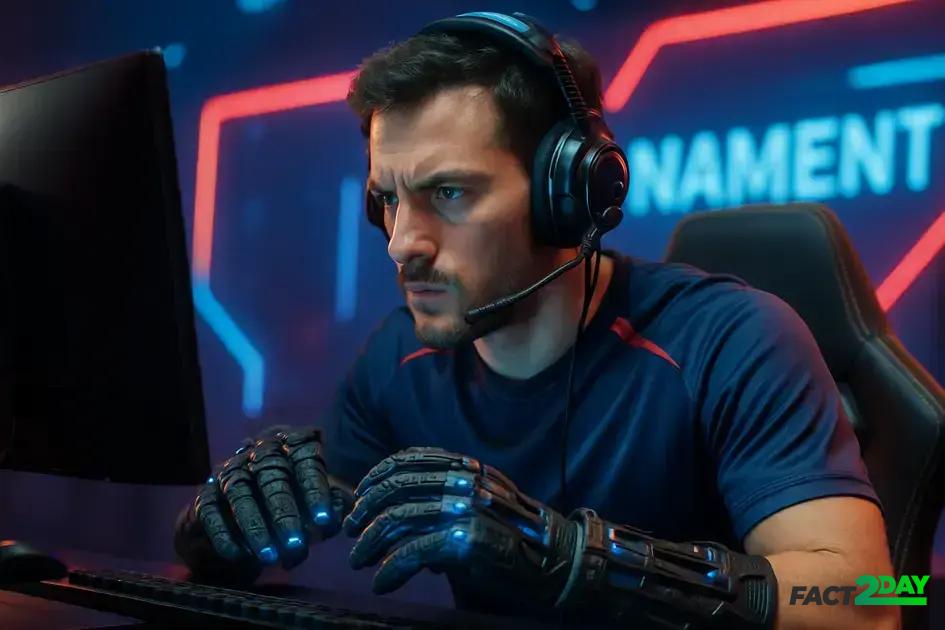
Haptic feedback technology involves the use of touch sensations to provide users with physical responses from digital devices. It simulates the sense of touch by applying forces, vibrations, or motions, enabling players to feel the environment within a game. This technology uses actuators or motors embedded in controllers, gloves, or suits to create realistic tactile sensations that correspond to in-game actions.
How Haptic Feedback Works
At its core, haptic systems detect signals from the game and translate them into physical stimuli. For example, when a player’s virtual character gets hit, the controller may vibrate with varying intensity and direction to mimic the impact. This real-time feedback enhances immersion and can improve reaction times.
Types of Haptic Feedback
There are mainly two types: vibrotactile feedback, which uses vibrations, and force feedback, which applies resistance or pressure. Vibrotactile is common in most gaming controllers, while force feedback is found in specialized devices like steering wheels or gloves, offering a richer experience.
Understanding this technology is crucial as it forms the foundation for how players physically engage with esports, making gameplay more intuitive and engaging.
The evolution of esports and player immersion
Esports has grown tremendously from simple competitive gaming to a global phenomenon with millions of fans. The focus on player immersion has driven this evolution by improving how gamers interact with virtual worlds. Early esports relied mostly on visual and audio feedback, but modern games now integrate more senses.
Technological Advances Driving Immersion
High-definition graphics, surround sound, and fast internet connections create realistic environments. Devices like VR headsets and adaptive controllers deepen the experience by allowing players to look, hear, and react more naturally within the game.
Role of Haptic Feedback
Haptic feedback adds the sense of touch, which enhances immersion by simulating impacts, textures, and movements. This makes gameplay more intuitive and emotionally engaging, helping players feel truly part of the action.
As technology continues to develop, the boundaries between real and virtual worlds in esports keep blurring, inviting players into increasingly immersive competitive experiences.
How haptic feedback enhances player performance
Haptic feedback enhances player performance by providing real-time tactile information that helps gamers react faster and more accurately. Feeling precise vibrations or pressure cues allows players to detect in-game events without relying solely on visual or audio signals.
Improved Reaction Time
Physical sensations triggered by haptics can shorten the time it takes for players to respond. For example, a sudden vibration from a controller indicating an enemy nearby helps the player quickly focus and take action.
Enhanced Spatial Awareness
By delivering directional feedback, haptic devices help players understand where events occur within the game environment. This spatial awareness gives an edge in competitive scenarios, enabling better positioning and strategy.
Reduced Cognitive Load
Hand and body feedback reduce mental effort by conveying information through touch. This allows players to process multiple inputs simultaneously, improving multitasking and overall gameplay quality.
As a result, haptic feedback plays a crucial role in refining skills and maintaining high performance in professional esports competitions.
Different types of haptic devices in esports
In esports, various haptic devices provide tactile feedback to enhance player immersion and performance. Each type offers unique ways to simulate physical sensations that match in-game actions.
Vibration Controllers
Most common in gaming, vibration controllers contain small motors that generate buzzing or shaking sensations. These are often built into standard gamepads, delivering feedback like gunfire recoil or vehicle bumps.
Haptic Gloves
Haptic gloves use advanced sensors and actuators to simulate touch, pressure, and texture directly on the hands. They allow players to feel individual objects or movements, adding depth to gameplay and interaction.
Wearable Suits and Vests
These wearables provide full-body feedback, including vibrations and pressure on different areas. They mimic impacts, environmental effects, and directional cues, enhancing spatial awareness and immersion.
Force Feedback Devices
Devices like steering wheels or joysticks offer resistance and force, simulating real-world physics. They improve control accuracy by letting players feel subtle changes in motion or tension.
The rising diversity of haptic devices in esports creates new opportunities for gamers to experience games more realistically, giving them a competitive edge and richer engagement.
Integration of haptics in professional gaming setups
Integrating haptic feedback into professional gaming setups involves combining hardware and software to deliver precise tactile responses. This integration enhances communication between the game and the player, improving awareness and performance during intense matches.
Hardware Components
Professional setups often include haptic controllers, gloves, and vests synchronized with the gaming system. These devices are calibrated to provide accurate feedback based on in-game events like hits, collisions, or environment changes.
Software Calibration
Games and platforms are programmed to trigger specific haptic sensations. Customization options allow players to adjust intensity and feedback patterns, ensuring comfort and maximizing effectiveness.
Network and Latency Considerations
Low latency is crucial for responsive haptics. Competitive setups use high-speed connections and optimized hardware to minimize delays, so the tactile feedback is delivered instantly, matching the gameplay in real time.
Examples of Integration
Some esports teams use synchronized haptic suits during practice for better spatial awareness. Others incorporate vibration feedback in controllers to simulate recoil or damage, providing tactical advantages.
Such integration is becoming a standard in professional esports, blending technology and gameplay to create immersive and competitive experiences.
Challenges in implementing haptic feedback
Implementing haptic feedback in esports comes with its set of challenges that developers and players must navigate to ensure a smooth and effective experience.
Technical Limitations
Current haptic technology can sometimes lack the precision needed to simulate complex sensations accurately. Devices may have limited resolution in feedback, affecting the quality of tactile information.
Hardware Compatibility
Integrating haptic devices with various gaming platforms and existing esports setups can be difficult. Compatibility issues may arise with different consoles, PCs, and game titles, requiring custom solutions.
Cost and Accessibility
Advanced haptic systems such as gloves or suits are often expensive, restricting access to only professional players or well-funded teams. This creates a gap between casual and professional esports communities.
Player Comfort and Fatigue
Extended use of wearable haptic devices can cause discomfort or fatigue. Developers must balance intensity and duration of feedback to avoid impacting player performance negatively.
Latency and Synchronization
Ensuring low latency is critical. Any delay between game events and haptic response can break immersion and reduce the effectiveness of feedback.
Addressing these challenges requires ongoing innovation, collaboration, and player feedback to fully harness haptic feedback’s potential in esports.
Impact on player reaction times and accuracy
Haptic feedback plays a significant role in improving player reaction times and accuracy in esports. By providing immediate tactile cues, it allows players to respond more swiftly to in-game events without solely relying on visual or audio signals.
Faster Response Through Touch
When a game triggers a vibration or pressure at the right moment, players can detect threats or opportunities instantly. This physical sensation often prompts faster reflexes than seeing or hearing alerts alone.
Enhanced Precision and Control
Haptics offer nuanced feedback that helps players fine-tune their movements. For example, subtle vibrations can indicate aiming adjustments or movement restrictions, which improves precision during gameplay.
Reduced Cognitive Overload
By distributing information across multiple senses, haptic feedback reduces the mental strain. Players can process tactile cues alongside visual and auditory information, helping them maintain accuracy even under pressure.
Integrating haptic feedback technology effectively can provide competitive advantages by sharpening players’ reaction times and boosting their overall accuracy in fast-paced esports environments.
The psychological effects of tactile feedback
Tactile feedback in esports affects players not just physically but psychologically, impacting focus, stress levels, and overall immersion. Feeling the game through touch can create stronger emotional connections to in-game events.
Improved Focus and Engagement
Receiving physical cues helps players stay alert and involved. The sense of touch adds another layer of information, encouraging concentration and deepening the gaming experience.
Stress and Arousal Regulation
Positive haptic feedback, such as vibrations for successful hits, can boost confidence and motivation. Conversely, subtle alerts about in-game dangers increase arousal, preparing players for quick reactions without overwhelming them.
Sense of Presence and Immersion
Tactile sensations make virtual environments feel more real. This stronger immersion can improve player satisfaction and emotional investment, making gameplay more enjoyable and intense.
Understanding these psychological effects helps developers design better haptic systems that enhance not only performance but also the mental wellbeing of esports athletes.
Future trends in haptic technology for esports
Future trends in haptic technology for esports are set to transform gaming experiences with more realism, immersion, and player interaction. Advances will focus on increasing the precision and variety of tactile sensations.
Full-body Haptic Suits
Emerging suits will offer players detailed feedback across the entire body. This technology will simulate impacts, environmental forces, and more, allowing esports athletes to truly feel their virtual surroundings.
Wireless and Lightweight Devices
Reducing cables and device weight is a priority. Future haptic gear aims to be less intrusive, increasing comfort and freedom of movement during long gaming sessions.
Integration with Virtual and Augmented Reality
Combining haptics with VR and AR will deepen immersion. Players will not only see and hear but also physically feel interactions within virtual spaces, enhancing presence and engagement.
AI-Driven Adaptive Feedback
Artificial intelligence will personalize haptic responses based on player behavior, game context, and physiological data. This adaptive feedback will optimize performance and enjoyment.
These trends indicate that haptic technology will continue evolving as a vital tool in esports, driving the next level of competitive gaming.
Comparison with other sensory feedback systems
Haptic feedback is one of several sensory feedback systems used in esports to enhance player experience and performance. Each system targets different senses and offers distinct benefits and limitations.
Visual Feedback
Visual feedback remains the most common, with games utilizing high-definition graphics and animations to convey information. While visually rich, it can be overwhelming in fast-paced scenarios, sometimes delaying player reactions.
Auditory Feedback
Sound cues, such as footsteps, gunfire, or alerts, help players locate opponents and gauge events. However, auditory feedback depends on hardware quality and can be missed in noisy environments or with poor audio setups.
Olfactory and Gustatory Feedback
Though less explored, emerging technologies aim to integrate smell and taste, but these are not yet practical or widely adopted in esports.
Haptic Feedback Advantages
Haptic feedback complements other senses by providing real-time physical sensations. It reduces reliance on visual and audio cues, helping players react faster and feel more immersed. Unlike other senses, touch provides intuitive and immediate information, enhancing multitasking abilities during gameplay.
Understanding these systems’ roles helps developers create balanced multisensory experiences that optimize esports performance and immersion.
Case studies of teams using haptic feedback
Several professional esports teams have begun integrating haptic feedback technology to enhance training and competitive performance. These case studies reveal practical benefits and challenges faced during adoption.
Team Alpha’s Training Upgrade
Team Alpha incorporated haptic gloves and vests in their practice sessions. The devices simulated in-game impacts and environmental cues, allowing players to develop sharper spatial awareness. Coaches reported improved reaction times and better communication among team members.
Bravo Squad’s Competitive Edge
By using haptic controllers with advanced vibration patterns, Bravo Squad gained more precise control during tournaments. Players noted that tactile feedback helped them anticipate enemy moves more effectively and maintain focus under pressure.
Challenges Faced
Both teams reported initial adjustment periods where players needed time to get accustomed to the new sensory inputs. Hardware compatibility and setup time were additional hurdles but gradually improved with technical support.
These examples highlight how haptic technology, when integrated thoughtfully, can offer tangible advantages for professional esports teams striving for victory.
Design considerations for optimal haptic experiences
Designing optimal haptic experiences for esports requires careful attention to multiple factors that impact player comfort, realism, and effectiveness of feedback.
Intensity and Sensitivity
Haptic feedback should be strong enough to be noticed but not so intense that it distracts or fatigues the player. Adjustable sensitivity settings allow customization according to player preference and game situations.
Latency and Timing
Feedback must be delivered with minimal delay to maintain immersion and synchronization with game events. Even slight latency can disrupt the player’s experience and reduce the advantages of haptic cues.
Ergonomics and Comfort
Devices like gloves and vests need to be lightweight and breathable to prevent discomfort during long sessions. Proper fit and design reduce strain and encourage extended use.
Realism and Variety
Providing a range of tactile sensations — from vibrations to pressure and texture simulation — enhances realism. Developers should aim for multi-dimensional feedback to mimic real-world touch experiences.
Compatibility and Integration
Designing haptic systems that easily integrate with various hardware and software platforms ensures broader usability. Seamless integration improves adoption among players and teams.
Balancing these design considerations results in haptic feedback that meaningfully improves gameplay and player satisfaction in esports.
Ethical and competitive implications in esports
As haptic feedback technology becomes more prevalent in esports, players and organizers face several ethical and competitive implications that need careful consideration.
Fairness and Accessibility
Advanced haptic devices can offer significant advantages, raising concerns about fairness. Not all players or teams can afford cutting-edge equipment, potentially creating an uneven playing field.
Regulation and Standardization
Esports leagues must establish rules regarding haptic technology use to ensure consistent competition standards. Without clear guidelines, disparities in device capabilities may affect results and tournament integrity.
Player Health and Safety
Using intense or prolonged haptic feedback may lead to physical strain or fatigue. It is crucial to monitor and regulate usage to protect players’ health during long training or competition sessions.
Impact on Skill Development
Relying heavily on haptic feedback might alter traditional skill sets and strategies, leading to debates about what constitutes fair competitive skill in esports.
Data Privacy Concerns
Some haptic devices collect biometric or performance data. Ensuring this information is securely stored and used ethically is vital to protect player privacy.
Addressing these ethical and competitive issues will help esports maintain integrity while embracing innovative technologies like advanced haptic feedback.
Looking Ahead at Haptic Feedback in Esports
Advanced haptic feedback is changing how players experience and compete in esports. By adding a physical sense of touch, it enhances immersion, reaction, and accuracy.
While there are challenges and important ethical considerations, the potential benefits for player performance and engagement are clear. As technology evolves, haptic feedback is likely to become a standard part of professional gaming setups.
Embracing these innovations thoughtfully will shape the future of esports, making competition more intense and exciting for players and fans alike.