Beyond the Box: The Hidden Infrastructure Powering the Cloud Gaming Revolution
Cloud Gaming Infrastructure is reshaping how we play by powering instant access to games without hardware limits.
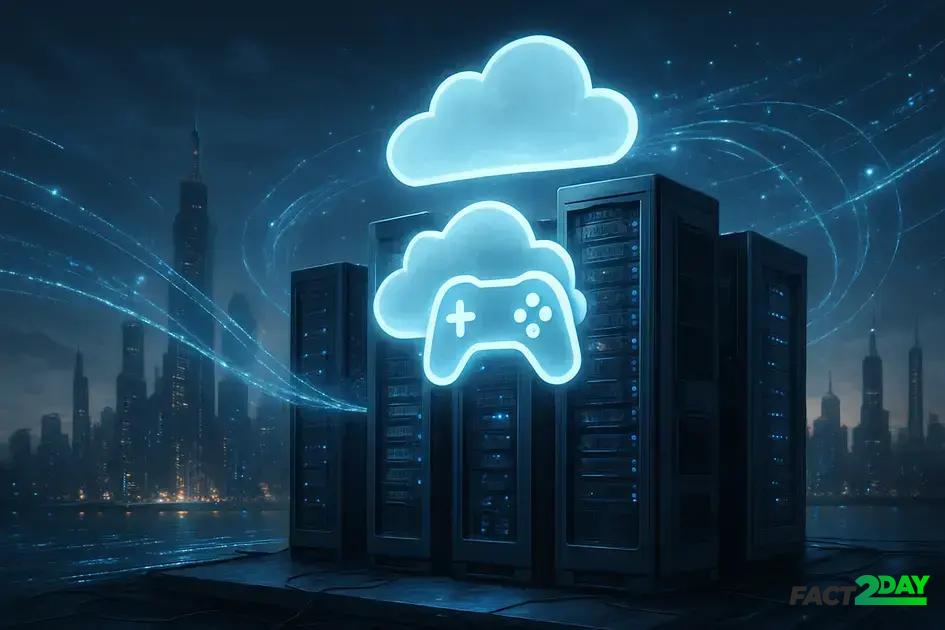
Cloud gaming infrastructure powers instant, high-quality game streaming by combining data centers, fast networks, and advanced software to deliver seamless experiences across devices.
Have you ever wondered how you can jump into a videogame instantly without downloads or powerful consoles? The secret lies in Cloud Gaming Infrastructure, invisible yet revolutionary technology that’s changing gaming forever. Let’s uncover how this tech-breakthrough takes your gaming to cosmic new heights.
Understanding cloud gaming basics
Cloud gaming allows players to stream video games directly from powerful remote servers to their devices. Instead of running games on local hardware, everything happens in the cloud, which means you don’t need expensive consoles or gaming PCs to enjoy high-quality titles.
How it works
Games run on data center servers with strong GPUs, and the live gameplay video is streamed to your screen. Your inputs, like keyboard or controller actions, are sent back to the server in real time. This setup requires fast internet connections to ensure smooth gameplay without delays.
Main advantages
Cloud gaming offers instant access to games without downloads or updates, reduces the need for high-end hardware, and enables playing on various devices like smartphones, tablets, and TVs.
Challenges to consider
Latency, or delay between your action and what happens on screen, can affect the experience. Network speed and stability play a key role, so having a strong internet connection is essential for enjoying cloud gaming to its fullest.
Popular cloud gaming platforms
Services like Google Stadia, NVIDIA GeForce Now, and Xbox Cloud Gaming are leading the market, showcasing how cloud infrastructure makes gaming more accessible.
Key components of cloud gaming infrastructure
The core of cloud gaming infrastructure consists of several critical components working together to deliver smooth gaming experiences over the internet. These elements include powerful servers, fast networks, and advanced software systems.
Servers and data centers
At the heart are high-performance servers equipped with dedicated graphics processing units (GPUs). These servers run the games and handle complex computations. Data centers housing these servers must be strategically located to reduce latency and improve response times.
Networking technology
Reliable, high-speed internet connections and low-latency networks are essential. Technologies like fiber optics and the evolution toward 5G networks help transmit data faster, making real-time game streaming possible. Content delivery networks (CDNs) also play a role in distributing game data closer to users.
Streaming software and platforms
Specialized software encodes the game video and streams it to players’ devices while decoding their input commands. This software manages video compression, ensures quality of service, and synchronizes inputs to create a seamless experience.
Storage systems
Cloud gaming requires fast and scalable storage solutions to manage game files, user data, and updates efficiently. Solid-state drives (SSDs) are preferred for quick data retrieval.
User interface and device compatibility
The infrastructure supports a variety of devices, from smartphones to smart TVs. User-friendly interfaces ensure easy access across platforms.
The role of data centers in cloud gaming
Data centers are the backbone of cloud gaming. These facilities house thousands of servers that run games and handle massive amounts of data. Located around the world, data centers help deliver fast, reliable gaming experiences by reducing the distance data must travel.
Key functions of data centers
Data centers provide the computing power needed to render game graphics and process player inputs. They also store game files, user profiles, and save states. Their design focuses on high availability, ensuring games run smoothly without interruptions.
Reducing latency
Latency is a vital factor in gaming, as delays can hurt the player experience. Data centers are strategically placed in multiple regions to minimize lag by keeping data transmission distances short and routing data efficiently.
Energy efficiency and cooling
Running thousands of servers generates heat, so data centers use advanced cooling methods to maintain optimal temperatures. Power efficiency is also key to reduce environmental impact and operational costs.
Security and maintenance
Data centers implement robust security measures to protect against cyber threats and physical damage. Regular maintenance ensures hardware and software operate at peak performance for consistent gaming quality.
How latency affects player experience
Latency refers to the delay between a player’s input and the response on the screen. In cloud gaming, this delay can impact how smoothly a game feels and how quickly a player reacts to in-game events.
Sources of latency
Latency originates from factors like distance between the user and the data center, network congestion, and the processing time required to encode and decode the game stream.
Impact on gameplay
High latency may cause noticeable lag, leading to slower response times and frustration, especially in fast-paced games where timing is critical.
Measures to reduce latency
Deploying data centers closer to users, optimizing network routes, and using faster internet connections like fiber optic and 5G networks all help reduce latency. Software improvements in video compression and input optimization also play a role.
Player perception
While some minor latency may be tolerable, gamers generally expect input responses within milliseconds for a smooth experience. Cloud gaming providers continually work to keep latency as low as possible to meet player expectations.
Scalability challenges and solutions
Scalability is a critical challenge in cloud gaming infrastructure as demand can vary greatly. Game providers must ensure their systems can handle sudden spikes in users without degrading performance.
Challenges of scalability
Balancing server capacity and costs is difficult. Over-provisioning wastes resources, while under-provisioning causes lag and service outages. Additionally, managing global user distribution requires scalable network solutions.
Elastic cloud resources
Cloud platforms offer elastic resources that automatically adjust based on demand. This allows providers to scale up during peak times and scale down during off-peak hours, optimizing costs and performance.
Load balancing techniques
Load balancers distribute user requests evenly across multiple servers to prevent overload. They allocate resources dynamically, maintaining smooth gameplay during usage surges.
Geographic scaling
Deploying data centers in multiple regions reduces latency and distributes player loads globally. This approach improves scalability while enhancing user experience.
Monitoring and predictive analytics
Continuous monitoring of traffic patterns and using predictive analytics helps providers anticipate demand and prepare infrastructure accordingly, reducing the risk of scaling failures.
Security in cloud gaming platforms
Security is a major concern for cloud gaming platforms due to the sensitive data they handle and constant online connectivity. Protecting user information and ensuring safe gameplay are top priorities.
Data protection
Platforms use encryption to secure data transmission between servers and players. This prevents hackers from intercepting personal information, login credentials, and payment details.
Account security
Multi-factor authentication (MFA) helps protect accounts from unauthorized access. Strong password policies and regular security updates reduce the risk of breaches.
Cheat prevention
Cloud gaming providers employ anti-cheat software to detect and block cheating tools. This maintains fair play and a positive gaming community.
Server security
Data centers use firewalls, intrusion detection systems, and physical security measures to protect infrastructure from cyberattacks and unauthorized access.
Regular updates and patches
Frequent software updates help fix vulnerabilities and improve overall system security, keeping games and player data safe from emerging threats.
Impact of 5G and network advancements
5G technology significantly boosts cloud gaming by providing higher speeds and lower latency compared to older networks. This allows games to stream with less delay, making gameplay smoother and more responsive.
Faster data transmission
5G networks can deliver data at gigabit speeds, enabling quick loading of game content and real-time interaction. This reduces buffering and lag, key for an immersive gaming experience.
Lower latency
With 5G, latency can drop to just a few milliseconds. This means player commands reach servers faster and visual feedback returns almost instantly, which is critical in competitive and fast-paced games.
Expanding accessibility
5G’s wide coverage allows more players to access cloud gaming on mobile devices without relying on Wi-Fi. This expands where and when games can be played.
Other network advancements
Improvements like edge computing bring processing closer to users, further reducing latency. Enhanced Wi-Fi standards and fiber optic backbones also contribute to better overall network performance.
Driving cloud gaming growth
Together, 5G and other network upgrades help cloud gaming platforms scale effectively, improve quality, and attract a larger audience by delivering seamless gameplay in more locations.
Sustainability and energy use considerations
Sustainability is becoming a key focus in cloud gaming infrastructure due to the large energy demands of data centers and networking equipment. Providers aim to reduce their environmental impact while maintaining high performance.
Energy consumption challenges
Data centers require significant power for servers, cooling systems, and networking gear. The continuous operation needed for cloud gaming increases overall energy use.
Green data centers
Many providers invest in green data centers powered by renewable energy sources, such as solar or wind. These data centers also use energy-efficient hardware to reduce consumption.
Advanced cooling techniques
Innovative cooling methods, like liquid cooling and free-air cooling, help lower energy waste. Efficient cooling is crucial for preventing overheating and improving sustainability.
Optimizing resource utilization
Using cloud technologies like virtualization and workload balancing ensures servers run at optimal capacity, saving energy when demand is low.
Corporate responsibility and innovation
Leading cloud gaming companies commit to sustainability goals, publishing reports on energy use and investing in technologies that minimize carbon footprints.
Future trends in cloud gaming technology
Cloud gaming technology is evolving rapidly, with exciting trends shaping the future of how we play games. Advances in hardware, software, and connectivity are opening new possibilities.
AI-powered game experiences
Artificial intelligence will personalize gameplay by adapting challenges and narratives to each player’s style, making games more engaging and immersive.
Increased use of edge computing
Edge computing brings cloud resources closer to players, reducing latency even further and allowing for more complex, real-time interactions in games.
Virtual reality (VR) and augmented reality (AR) integration
Cloud gaming will increasingly support VR and AR, offering rich, immersive environments accessible from lightweight devices without heavy hardware.
More extensive game libraries
Expanding game catalogs and instant access to titles without downloads will provide players with greater choices and convenience.
Improved cross-platform play
Future platforms will focus on seamless cross-device gaming, allowing players to switch between smartphones, consoles, and PCs effortlessly.
Green technology adoption
Environmental concerns will drive further innovations toward eco-friendly infrastructure and energy-efficient cloud gaming.
5G and beyond
Next-generation wireless networks will continue to enhance speed and reduce latency, creating near-instant gaming experiences anywhere.
How cloud gaming changes player habits
Cloud gaming is changing the way players access and enjoy games, leading to new habits and behaviors. Its convenience and accessibility impact when, where, and how gaming happens.
Instant access to games
Players no longer need to wait for downloads or updates. Games start quickly on any compatible device, encouraging more spontaneous and frequent play sessions.
Cross-device flexibility
Cloud gaming allows players to switch between smartphones, tablets, laptops, and smart TVs without losing progress, making gaming more adaptable to daily routines.
Expanding gaming audience
The ease of access attracts casual gamers and those without high-end hardware, broadening the gaming community and diversifying player preferences.
Shorter, more frequent sessions
Many players opt for brief gaming bursts during free moments, changing traditional long gaming sessions into more flexible play patterns.
Social and shared experiences
Cloud gaming platforms often include integrated social features, encouraging more interaction, streaming, and sharing within communities.
Subscription models and game discovery
With cloud gaming services offering large libraries for a flat fee, players experiment with more titles, leading to varied gaming experiences and preferences.
Looking ahead in cloud gaming
Cloud gaming is reshaping how players enjoy games by making gaming more accessible, flexible, and social. As technology improves, these changes will continue to grow, offering richer experiences for everyone.
With instant access, cross-device play, and subscription models, players can explore more games in new ways. This shift also brings a larger, more diverse gaming community together.
The future of gaming lies in the cloud, where convenience meets innovation. Embracing these changes can open exciting opportunities for players and developers alike.