Your Body’s Dietician: How Wearable Tech is Bringing Hyper-Personalized Nutrition to Your Plate
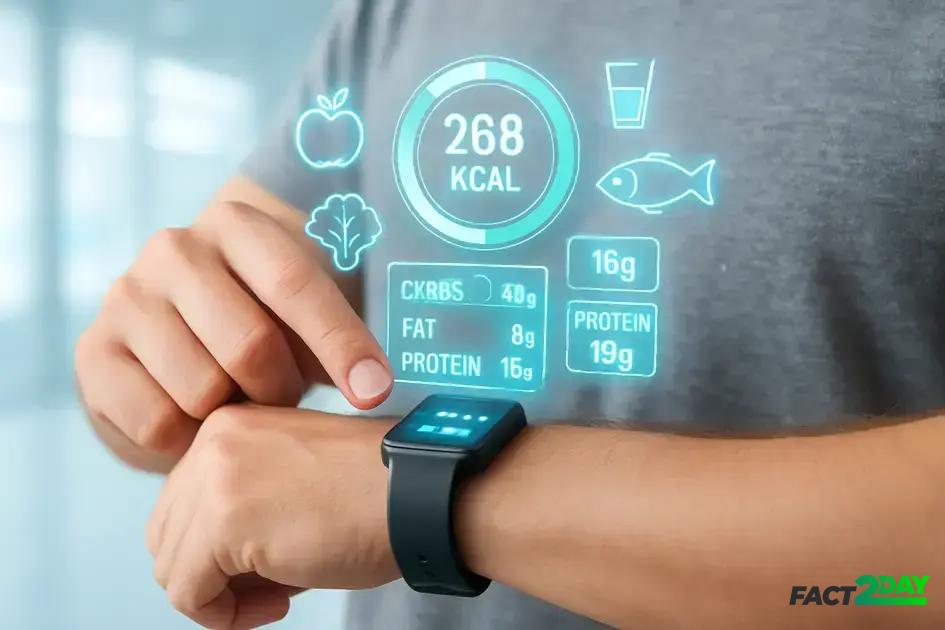
Personalized Nutrition Wearables are revolutionizing how we tailor diets, delivering real-time insights for your unique nutritional needs.
Exoplanets are planets orbiting stars beyond our solar system, discovered through methods like light dimming during transits, revealing vast possibilities for diverse worlds and life.
Personalized Nutrition Wearables are transforming the way we understand and manage our diets. Have you ever wondered how technology can tailor your meals to your body’s needs in real time? Let’s explore how this fascinating innovation is changing nutrition.
Understanding personalized nutrition wearables
Personalized nutrition wearables are devices designed to monitor and analyze your body’s nutritional needs in real time. They use sensors to gather data such as heart rate, glucose levels, hydration, and activity patterns. This information helps create a customized diet plan tailored specifically for you. By tracking how your body responds to different foods, these wearables offer insights that traditional nutrition advice cannot.
How these devices work
Wearables collect continuous biological data through sensors placed on the skin or embedded in accessories like wristbands. Advanced algorithms analyze the information to detect nutrient deficiencies or imbalances. Some devices also integrate with smartphone apps to provide personalized meal suggestions based on your unique metabolism and health goals.
Who can benefit
Anyone looking to improve their diet can benefit from personalized nutrition wearables. Whether you want to lose weight, manage a health condition, or optimize athletic performance, these devices provide precise feedback to guide your eating habits. They empower users to make informed decisions, enhancing overall well-being and energy levels.
How wearable tech gathers nutritional data
Wearable technology gathers nutritional data by using a combination of sensors and advanced analytics to monitor your body’s vital signs and biochemical markers continuously. These devices measure metrics such as heart rate variability, blood oxygen levels, sweat composition, and glucose concentration. This data provides a detailed view of how your body processes nutrients throughout the day.
Types of sensors used
Optical sensors track heart rate and blood oxygen by shining light through the skin. Electrochemical sensors analyze sweat to detect electrolyte balance and glucose levels. Some wearables incorporate temperature sensors and accelerometers to gauge activity levels, which affect nutritional needs.
Data processing and integration
The collected data is transmitted to smartphone apps or cloud platforms, where algorithms interpret trends and patterns. This analysis helps identify nutrient deficiencies, metabolic responses, and hydration status. Integration with food logging apps further refines dietary recommendations for each individual.
By combining multiple data points, these wearables provide real-time, personalized feedback that supports smarter nutrition choices and healthier lifestyle decisions.
Benefits of hyper-personalized nutrition
Hyper-personalized nutrition offers numerous benefits that tailor dietary choices precisely to individual needs. By using data from wearables, your diet can respond to changes in metabolism, activity levels, and nutrient absorption, improving overall health and wellness.
Improved health outcomes
Personalized nutrition helps address specific deficiencies and imbalances in the body. This targeted approach supports better immune function, digestion, and energy levels compared to generic diet plans.
Enhanced weight management
By tailoring calorie intake and nutrient ratios to your unique metabolism, hyper-personalized plans can more effectively support weight loss or maintenance goals. This reduces the guesswork commonly experienced with broad diet programs.
Optimized athletic performance
Athletes can benefit from nutritional adjustments based on real-time data such as hydration status and muscle recovery. This customization improves endurance, strength, and overall performance.
Greater diet adherence
When food choices are aligned with your body’s actual needs and preferences, it’s easier to stick to a healthy eating plan. Personalized feedback from wearables fosters motivation and accountability.
Overall, hyper-personalized nutrition powered by wearable technology offers a more effective and sustainable way to meet your dietary goals and enhance your quality of life.
Key features to look for in nutrition wearables
Nutrition wearables offer a variety of features designed to provide detailed insights into your dietary habits and body’s nutritional needs. When choosing a device, it’s important to consider several key aspects to ensure accuracy and usefulness.
Sensor accuracy and variety
Reliable sensors that can track vital signs like heart rate, glucose levels, hydration, and sweat composition are essential. The more diverse and precise the sensors, the better the data quality.
Real-time data tracking
Look for wearables that provide continuous, real-time monitoring. Instant feedback allows you to make quick adjustments to your diet and lifestyle.
Ease of use and comfort
Devices should be comfortable to wear for extended periods and have an intuitive interface. User-friendly apps that sync smoothly with the wearable enhance the overall experience.
Personalized insights and recommendations
Strong algorithm support is crucial for interpreting data into actionable nutrition advice. Seek devices that tailor recommendations based on your unique metabolism and goals.
Battery life and durability
Long battery life ensures uninterrupted tracking, while water-resistant and durable materials protect your investment through daily wear and exercise.
Integration with other health apps
Compatibility with popular health and fitness apps allows for a comprehensive view of your wellness, making nutrition management simpler and more connected.
Choosing a nutrition wearable with these key features ensures you get the most accurate and helpful data to support your personalized nutrition journey.
The science behind personalized diet algorithms
Personalized diet algorithms use scientific data and advanced computing to tailor nutrition plans based on individual differences. These algorithms analyze inputs like genetic information, metabolic rate, and lifestyle habits to generate customized recommendations.
Role of data in algorithms
Algorithms process data from wearables, medical tests, and food logs. This helps create a detailed picture of nutrient needs and how your body reacts to various foods.
Machine learning and artificial intelligence
Machine learning enables these systems to improve accuracy by learning from your ongoing data. AI models identify patterns and predict how dietary changes might affect health outcomes.
Genomic data integration
Some personalized nutrition algorithms incorporate genetic markers to understand predispositions to conditions like diabetes or food intolerances. This allows further customization beyond standard dietary advice.
Metabolic and microbiome analysis
Algorithms consider metabolic rate and gut microbiome composition. These factors influence how your body processes nutrients and can vary widely from person to person.
Together, these scientific advancements make personalized diet algorithms a powerful tool for optimizing health and nutrition at an individual level.
Integrating wearables with health apps
Integrating wearables with health apps enhances the usability and value of personalized nutrition wearables. By connecting these devices to health apps, users can track their nutrition data alongside other health metrics like sleep, exercise, and heart rate in one place.
Seamless data synchronization
Wearables sync data automatically with compatible apps via Bluetooth or Wi-Fi. This ensures continuous updates of your nutritional information without manual input, providing a holistic health overview.
Comprehensive health tracking
Health apps collect data from multiple sources, offering insights into how nutrition affects other areas like physical activity and sleep quality. This integrated approach allows for better lifestyle adjustments overall.
Personalized feedback and goals
Combining data helps apps provide tailored recommendations and set achievable health goals. Notifications and reminders keep users motivated to stay on track.
Data visualization and trends
Health apps use charts and graphs to show progress over time. Visualizing trends helps users understand patterns and make informed decisions about their diet and habits.
Overall, integrating wearables with health apps creates a powerful ecosystem for managing your nutrition and well-being effectively.
Impact on weight management and fitness
Personalized nutrition wearables play a significant role in weight management and fitness by providing tailored insights that help users make smarter dietary and lifestyle decisions. These devices track calories burned, nutrient intake, and physical activity, allowing for fine-tuned adjustments to health goals.
Accurate calorie and nutrient tracking
Wearables monitor your daily calorie expenditure alongside nutrient consumption. This real-time data helps maintain a calorie deficit or surplus needed for weight loss, gain, or maintenance.
Activity monitoring and encouragement
Tracking exercise routines and daily movements motivates users to stay active. Many wearables offer reminders and personalized workout suggestions to optimize fitness levels.
Adaptive nutrition plans
Based on collected data, nutrition plans adjust dynamically to changes in metabolism, activity intensity, and recovery needs. This adaptive approach enhances effectiveness and sustainability.
Behavioral insights and motivation
Wearables provide feedback on dietary habits and fitness trends, fostering awareness and encouraging healthier choices. Goal setting and progress visualization boost motivation.
Integrating wearable technology into weight management and fitness routines offers a comprehensive strategy for achieving and maintaining optimal health.
Challenges in wearable nutrition technology
Wearable nutrition technology faces several challenges that affect its accuracy, usability, and adoption. Understanding these limitations is crucial for users and developers aiming to improve the effectiveness of these devices.
Sensor limitations and accuracy
Many wearables rely on non-invasive sensors that can struggle to provide precise measurements. Factors like skin type, movement, and environmental conditions can interfere with data accuracy.
Data interpretation complexities
Analyzing nutritional data requires advanced algorithms that can accurately interpret diverse biological signals. Errors in data processing may lead to misleading recommendations.
User compliance and comfort
For accurate tracking, wearables must be worn consistently and correctly. Discomfort or design flaws can reduce compliance, impacting data quality.
Privacy and data security concerns
Collecting sensitive health data raises privacy issues. Ensuring robust security measures and transparent data policies is essential to protect user information.
Cost and accessibility
High costs can limit access to advanced wearables. Making technology affordable and user-friendly is necessary for wider adoption.
Addressing these challenges will be key to advancing wearable nutrition technology and unlocking its full potential for personalized health.
Privacy and data security concerns
Privacy and data security are major concerns with personalized nutrition wearables, as they collect sensitive information about your health and habits. Protecting this data is essential to maintain trust and comply with regulations.
Data collection and storage
Wearables gather extensive personal data, including dietary patterns, biometric readings, and location. This information must be securely stored to prevent unauthorized access.
Consent and transparency
Users should be fully informed about what data is collected and how it will be used. Clear privacy policies and consent procedures help ensure ethical data handling.
Security measures
Strong encryption and regular security updates are vital to protect data from hackers or breaches. Multi-factor authentication adds an extra layer of protection for user accounts.
Risks of data misuse
Improper handling can lead to data leaks or misuse by third parties, potentially harming users’ privacy or leading to discrimination based on health information.
Companies must prioritize robust privacy protocols to build confidence and safeguard user data in the evolving landscape of wearable nutrition technology.
Future trends in personalized nutrition wearables
The future of personalized nutrition wearables promises exciting advancements that will make nutrition tracking more accurate, accessible, and insightful. Emerging technologies aim to deepen the connection between data and health outcomes.
Advanced sensor technology
Next-generation sensors will measure a wider range of biomarkers non-invasively, including blood sugar, hormone levels, and gut health indicators, providing a fuller picture of nutritional status.
Artificial intelligence and predictive analytics
AI will enhance data interpretation, using predictive models to offer proactive nutrition advice before issues arise. This will allow users to anticipate and prevent deficiencies or imbalances.
Integration with genomics and microbiome data
Wearables will increasingly incorporate genetic and gut microbiome information to further personalize diet recommendations. This holistic approach will tailor nutrition to one’s unique biological makeup.
Improved user experience
Future devices will focus on comfort, longer battery life, and seamless integration with everyday life, making tracking effortless and continuous.
Expanded health ecosystem
Personalized nutrition wearables will connect more deeply with medical records, fitness devices, and telehealth services, creating a comprehensive health management system.
These innovations will empower users to take full control of their nutrition and health through smarter, more precise technology.
Tips for choosing the right wearable for your diet
Choosing the right wearable for your diet involves considering several important factors to ensure it meets your nutritional and lifestyle needs.
Accuracy and sensor quality
Look for wearables with proven, high-quality sensors that accurately track key metrics like glucose levels, hydration, and calorie expenditure.
Compatibility with apps
Make sure the device integrates smoothly with your preferred health and nutrition apps for seamless data synchronization and analysis.
Battery life and comfort
Choose wearables with long battery life and comfortable designs to encourage consistent daily use without inconvenience.
Personalized features
Consider devices that offer tailored nutrition insights, meal suggestions, and customizable alerts to fit your health goals.
Data privacy and security
Check the company’s privacy policies and security measures to keep your sensitive health data protected.
Budget and support
Find a device that fits your budget and offers reliable customer support for troubleshooting or updates.
Evaluating these factors will help you select a wearable that best supports your personalized nutrition journey and overall wellness.
Embracing the future of personalized nutrition
Personalized nutrition wearables are changing how we understand and manage our diets. By offering real-time data, tailored advice, and seamless integration with health apps, these devices help users make smarter choices.
As technology advances, wearables will become more accurate, comfortable, and insightful. Keeping in mind factors like sensor quality, app compatibility, and data privacy will help you find the right device.
Investing in personalized nutrition wearables can empower you to take control of your health and reach your diet goals more effectively. The future of nutrition is here—smart, simple, and tailored just for you.