Feeling the Game: How Affective Computing Will Let Games Respond to Your Emotions
Discover how Affective Computing in Games is transforming player experience by sensing and adapting to your emotions seamlessly.
Frisson, the sudden chill or goosebumps caused by music, happens when the brain’s reward and fear areas activate simultaneously, signaling a powerful emotional response linked to importance and pleasure.
Have you ever wished games could understand how you feel and react accordingly? Affective Computing in Games is beginning to make this a reality, blending emotion recognition with gameplay to create immersive experiences. Let’s explore how your feelings might soon shape your gaming world.
Understanding affective computing and its basics
Affective computing refers to systems that can detect, interpret, and respond to human emotions. It involves combining psychology, computer science, and artificial intelligence to create machines that understand feelings.
How affective computing works
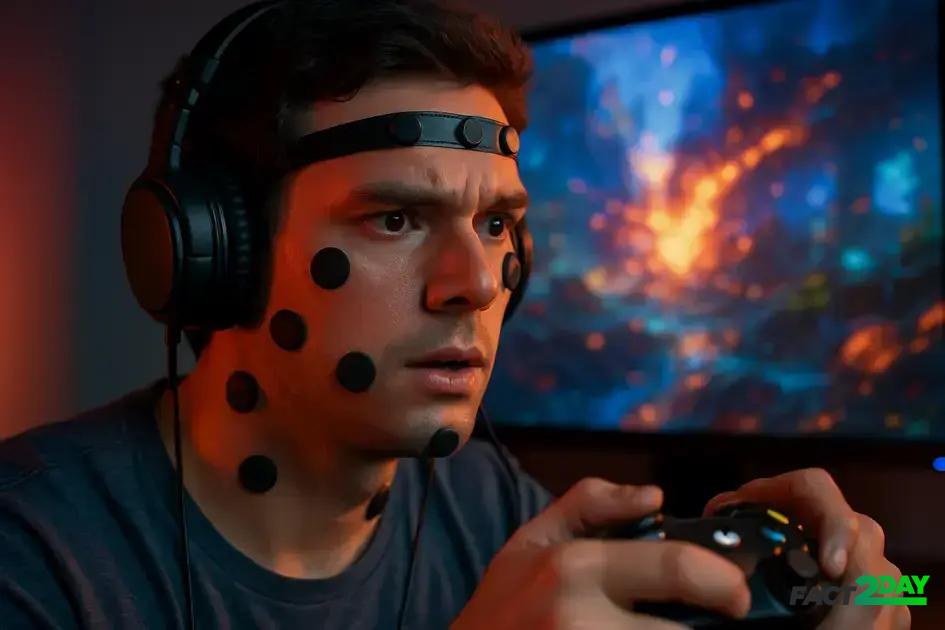
These systems use sensors like cameras, microphones, and wearable devices to track physical indicators such as facial expressions, voice tone, heart rate, and body language. Software then analyzes this data to interpret emotional states like happiness, stress, or frustration.
Key components of affective computing
There are three main parts: emotion detection, emotion processing, and emotion response. First, the system captures signals that reveal emotions. Then, AI models analyze this information to determine the user’s feelings. Finally, the system adjusts its behavior to create an appropriate reaction.
Understanding these basics helps us see how affective computing can create more engaging and personalized experiences, especially in gaming where emotional feedback can shape gameplay dynamically.
How games can read player emotions
Games can read player emotions by collecting data from various sources and using sophisticated algorithms to interpret those signals. Common methods include analyzing facial expressions through cameras, tracking eye movements, and monitoring physiological signals like heart rate and skin conductance with wearables.
Facial recognition and emotion analysis
High-definition cameras scan players’ faces to detect subtle changes indicating emotions such as joy, frustration, or surprise. This data is then processed by machine learning models to provide real-time feedback on the player’s emotional state.
Biometric sensors and physiological data
Wearable devices measure pulse, sweat levels, and body temperature, which can change with emotional intensity. By integrating these signals, games can infer stress, excitement, or calmness, allowing dynamic adjustment to gameplay to better engage the player.
Behavioral cues and in-game actions
Games also analyze player behavior such as reaction time, decision-making speed, and movement patterns. These hints offer indirect clues about emotions, helping refine the understanding of the player’s mood without intrusive sensors.
Combining multiple data channels creates a fuller picture, enabling games to respond to emotions more accurately and personalize the gaming experience.
Technologies behind affective computing
Affective computing relies on several key technologies that work together to detect and interpret human emotions. These include sensor technology, machine learning, natural language processing, and physiological monitoring.
Sensor technology
Sensors are essential for collecting data about a player’s physical and behavioral signals. Cameras capture facial expressions and eye movements, microphones analyze voice tone, and wearable devices gather heart rate or skin temperature. These devices provide the raw input for emotional analysis.
Machine learning and emotion recognition
Machine learning algorithms process the large amount of sensor data to recognize patterns related to emotions. These models improve over time by learning from diverse emotional expressions, helping the system accurately classify feelings like joy, anger, or anxiety.
Natural language processing (NLP)
NLP lets games understand the tone and sentiment behind spoken or typed player communication. By analyzing words, phrases, and intonation, NLP helps detect frustration or excitement conveyed through language.
Physiological monitoring
Wearable sensors also measure physiological responses such as heart rate variability and galvanic skin response. These subtle changes offer direct clues about a player’s emotional arousal and stress levels, enriching the emotional data available.
Together, these technologies form the backbone of affective computing, enabling games to sense and respond to player emotions in real time.
Benefits of emotional responsiveness in games
Emotional responsiveness in games enhances player engagement by making experiences feel more personal and immersive. When games react to a player’s feelings, they create a dynamic environment that can adjust difficulty, storylines, and challenges based on mood and stress levels.
Improved player immersion
Responsive games amplify immersion by tailoring game elements to how players feel. For example, a game might become more intense if it detects excitement or calm down if it senses frustration, making the experience feel alive and interactive.
Personalized gameplay experiences
By reading emotions, games can customize content, such as adapting dialogue, environment, or difficulty to match the player’s emotional state. This personalization encourages longer play sessions and greater satisfaction.
Enhanced player well-being
Games that respond to emotions can help avoid player burnout by recognizing stress or fatigue and adjusting pacing accordingly. This makes playing safer and more enjoyable over time.
Increased emotional connection
Games that acknowledge and react to players’ emotions foster a stronger bond between the player and the game world, boosting loyalty and emotional investment.
Overall, emotional responsiveness creates a richer and more engaging gaming experience, benefiting both players and developers.
Real-world examples of affective computing in games
Several games have already started using affective computing to change how players experience gameplay. These titles use emotion recognition and biometric data to adjust game elements in real time.
Example: “Nevermind”
“Nevermind” is a psychological thriller that uses biofeedback to monitor player stress through heart rate sensors. If the player becomes too stressed, the game adapts puzzles and challenges to ease tension or increase difficulty if calm.
Example: “Hellblade: Senua’s Sacrifice”
This game uses voice tone and facial expression analysis to deepen emotional storytelling. It adapts in-game responses and visual effects based on how the player reacts to intense scenes.
Example: “Emotion Fighter”
“Emotion Fighter” incorporates facial recognition to adjust enemy behavior and difficulty levels depending on the player’s emotional state, enhancing engagement and immersion.
These real-world examples demonstrate how affective computing is already shaping adaptive and personalized gaming experiences.
Challenges in implementing affective computing
Implementing affective computing in games presents unique challenges. One major issue is the accuracy of emotion detection, as human emotions are complex and can vary widely between individuals.
Technical limitations
Hardware like sensors and cameras may not always capture data perfectly due to lighting, movement, or device quality. This can lead to errors in interpreting emotions.
Privacy concerns
Collecting sensitive physiological and emotional data raises important privacy issues. Players may worry about how their data is stored, used, or potentially shared without consent.
Cost and accessibility
Developing and integrating advanced affective computing technology can be costly, and not all gamers have access to the necessary devices, limiting widespread adoption.
Emotional variability and cultural differences
Emotional expressions differ across cultures and individuals, making it difficult for systems to reliably interpret feelings without bias or misunderstanding.
Despite these challenges, ongoing advances aim to improve the reliability and acceptance of affective computing in gaming.
Player privacy and ethical concerns
The rise of affective computing in games raises important privacy and ethical questions. Collecting emotional and physiological data means handling very sensitive personal information.
Privacy risks
Data collected from facial expressions, heart rates, or speech patterns can reveal much about a player’s mental state. Without strong protections, this information could be exposed or misused.
Consent and transparency
Players must be clearly informed about what data is collected and how it will be used. Explicit consent is crucial to maintain trust and comply with legal requirements.
Data security measures
Developers need to implement strong encryption and secure storage practices to protect sensitive data from breaches or hacking attempts.
Ethical use of emotional data
It is important to consider how emotion data is used in gameplay and marketing. Avoiding manipulative practices or exploiting vulnerabilities ensures that player wellbeing is respected.
Balancing innovation with rights
Games with affective computing should strike a balance between creating engaging experiences and safeguarding player privacy and autonomy.
Addressing these concerns openly helps build safer, more ethical affective gaming environments for everyone involved.
Impact on game design and storytelling
Affective computing significantly influences game design and storytelling by creating experiences that adapt to the player’s emotions. This technology allows developers to craft narratives and gameplay that change dynamically, offering personalized and immersive journeys.
Dynamic storytelling
Stories can shift based on the player’s emotional state. For instance, if a player feels scared or anxious, the game might introduce calming scenes or adjust the story’s tone to ease tension, improving emotional connection.
Adaptive gameplay mechanics
Game difficulty and challenges can be modified in real time depending on how the player is feeling. This prevents frustration or boredom, keeping the game engaging and balanced.
Enhanced character interactions
Non-playable characters (NPCs) can respond more naturally by recognizing emotions, leading to conversations and reactions that feel authentic and personalized.
Immersive environments
Game worlds may change visually or audibly to reflect the player’s mood, such as shifting colors, lighting, or music to evoke specific feelings and deepen immersion.
Incorporating affective computing into game design and storytelling opens new creative possibilities, making games more responsive and emotionally rich.
Role of sensors and wearables
Sensors and wearables are vital components in affective computing for games, enabling real-time data collection about a player’s emotional and physiological state. These devices capture subtle signals that a game can use to adapt and respond to how a player feels.
Types of sensors used
Commonly used sensors include cameras for facial expression recognition, microphones for voice tone analysis, and physiological sensors like heart rate monitors, galvanic skin response sensors, and EEG devices that track brain activity.
Wearables and their functions
Wearable technology such as smartwatches, wristbands, and headbands collect biometric data continuously. This data helps detect emotions like stress, excitement, or calm by measuring heart rate variability, skin conductance, and brainwaves.
Integration in gaming
These devices connect seamlessly with gaming systems, feeding data to affective computing algorithms. This integration allows games to dynamically adjust gameplay, visuals, and audio based on the player’s emotional inputs.
Advantages of sensors and wearables
They offer objective and continuous emotional data, enabling a more precise and natural interaction between player and game. This leads to richer, more immersive gaming experiences.
Understanding the role of sensors and wearables is essential to grasp how affective computing creates emotionally aware games that respond in real time.
Future trends in affective gaming
The future of affective gaming looks promising, with technologies evolving to make games more emotionally aware and responsive. Advances in AI, sensors, and data analysis will push the boundaries of how games interact with players’ feelings.
Improved emotion recognition accuracy
AI models will become better at interpreting complex emotions by learning from vast and diverse datasets. This will allow games to recognize subtle feelings and mixed emotions more reliably.
Integration with virtual and augmented reality
Affective computing paired with VR and AR will create deeply immersive environments that adapt instantly to players’ moods, enhancing realism and presence.
Adaptive narrative and procedural content
Games will use emotional feedback to generate personalized stories and environments on the fly, tailoring experiences uniquely to each player’s state.
Wearable technology advancements
Smaller, more comfortable, and affordable wearables will enable wider adoption of emotion sensing, making affective gaming accessible to more players.
Ethical frameworks and privacy protections
As emotion data usage grows, stronger ethical guidelines and privacy tools will be implemented to protect players and build trust.
Cross-platform emotional data
Seamless sharing of emotional profiles across devices will allow consistent adaptation whether gaming on consoles, PCs, or mobile devices.
These future trends promise to make affective gaming a core part of interactive entertainment, transforming how players connect with games emotionally.
Integration with virtual and augmented reality
Integration of affective computing with virtual reality (VR) and augmented reality (AR) creates highly immersive and personalized gaming experiences. These technologies together allow games to react to players’ emotions while placing them inside engaging, interactive environments.
Real-time emotional feedback in VR and AR
As players wear VR headsets or use AR devices, sensors monitor facial expressions, heart rate, and other physiological signals. This emotional data is used to adapt visual and audio elements in real time, deepening immersion.
Enhancing presence and engagement
By blending affective computing with VR and AR, games can adjust scenarios to fit the player’s mood. For example, a calm player might see vibrant, tranquil landscapes, while a stressed player could experience soothing environments that help reduce anxiety.
Personalized narrative and interactions
Characters and storylines in VR and AR can change based on emotional responses, making interactions feel natural and meaningful. This adaptation strengthens player connection to game worlds and stories.
Challenges and opportunities
While promising, integrating affective computing with VR and AR also poses technical challenges like sensor accuracy and latency. Yet, advancements continue to improve these systems, offering exciting possibilities.
The fusion of affective computing with VR and AR is set to redefine how games engage players emotionally and sensorially.
Customizing gameplay through emotion detection
Emotion detection allows games to customize gameplay in real time, making experiences more engaging and tailored to the player’s mood. By understanding how a player feels, games can modify difficulty, narrative, and in-game events to better suit individual preferences.
Dynamic difficulty adjustment
Games use emotion data to increase or decrease challenge levels. For example, if frustration is detected, the game might ease the difficulty to prevent quitting or if excitement is high, it may introduce tougher challenges to maintain engagement.
Personalized narrative paths
Based on emotional feedback, storylines can branch differently, with characters reacting uniquely to the player’s mood. This creates a more personalized and meaningful story experience.
Real-time environment changes
Visual and auditory elements such as lighting, music, and scenery can shift to reflect the player’s emotional state, enhancing immersion and emotional connection.
Adaptive rewards and feedback
Games can adjust rewards or provide feedback based on emotional responses, encouraging players and reinforcing positive feelings.
Customizing gameplay through emotion detection enriches player experience by making games feel more alive and responsive to individual feelings.
Emotional AI versus traditional AI in games
Emotional AI and traditional AI serve different roles in gaming, each offering unique benefits. While traditional AI focuses on logical decision-making and game mechanics, emotional AI emphasizes understanding and reacting to the player’s feelings.
Traditional AI in games
This type of AI controls non-player characters (NPCs), manages game rules, and creates challenging scenarios based on pre-programmed logic. It does not consider the emotional state of the player when responding.
Emotional AI and its focus
Emotional AI uses sensors and algorithms to detect player emotions through facial expressions, voice tones, and physiological signals. It then adapts gameplay elements to offer a more personalized and emotionally engaging experience.
Differences in player interaction
While traditional AI reacts to actions and inputs, emotional AI responds to feelings, enabling games to adjust difficulty, narrative, and ambiance according to the player’s mood.
Benefits of emotional AI integration
Incorporating emotional AI can lead to richer storytelling, enhanced immersion, and better player satisfaction by making games feel more responsive and alive.
Challenges and complementary roles
Emotional AI requires accurate emotion detection, which can be complex. However, when combined with traditional AI, it creates a balanced experience that blends strategic gameplay with emotional resonance.
Understanding the contrast between emotional AI and traditional AI helps developers create games that are both challenging and emotionally immersive.
How players can prepare for affective gaming
Preparing for affective gaming involves both understanding the technology and adapting your setup and mindset to fully enjoy this personalized experience. Players can take several steps to get ready for games that respond to their emotions.
Familiarize with wearable technology
Many affective games require sensors such as heart rate monitors, EEG headbands, or facial recognition cameras. Becoming comfortable using these devices is important for smooth gameplay.
Ensure privacy and data control
Players should review privacy settings and understand how their emotional data will be collected and used. Opting for games and platforms that prioritize data security helps protect sensitive information.
Practice emotional awareness
Since these games react to feelings, players who are more aware of their emotions may have better control over in-game adaptations. Mindfulness techniques can enhance this awareness.
Maintain a comfortable environment
Creating a calm and distraction-free play space allows sensors to capture accurate emotional data, improving the game’s responsiveness.
Stay open to new experiences
Embrace the idea that games will respond uniquely to your moods and feelings. Being flexible enhances enjoyment and engagement.
By preparing thoughtfully, players can unlock the full potential of affective gaming and enjoy deeper, more immersive experiences.
Looking Ahead: The Future of Affective Computing in Gaming
Affective computing is transforming how games interact with players by making experiences more personal and emotionally engaging. As technology advances, we can expect games to become even more responsive to our feelings, creating deeper connections and immersive adventures.
While challenges like privacy and accurate emotion detection remain, ongoing innovation is paving the way for safer and more enjoyable affective gaming. By understanding and preparing for this new era, players and developers alike can unlock powerful possibilities.
Ultimately, affective computing holds the promise to change gaming forever, making every play session a unique emotional journey.