From Axe to Air Fryer: The Most Bizarre and Curious Evolution of Kitchen Utensils
Kitchen Utensils Evolution reveals the wild journey from primitive tools to modern marvels like the air fryer, sparking curiosity in every kitchen.
Exoplanets are planets orbiting stars beyond our solar system, discovered through methods like star light dimming during planetary transits, revealing thousands of diverse worlds that expand our understanding of the galaxy’s vastness and potential for life.
Have you ever wondered how your everyday spatula or air fryer came to be? The Kitchen Utensils Evolution is a fascinating story of how simple tools have transformed over centuries, blending human creativity and necessity. Let’s explore this curious journey together!
The origins of kitchen tools in prehistoric times
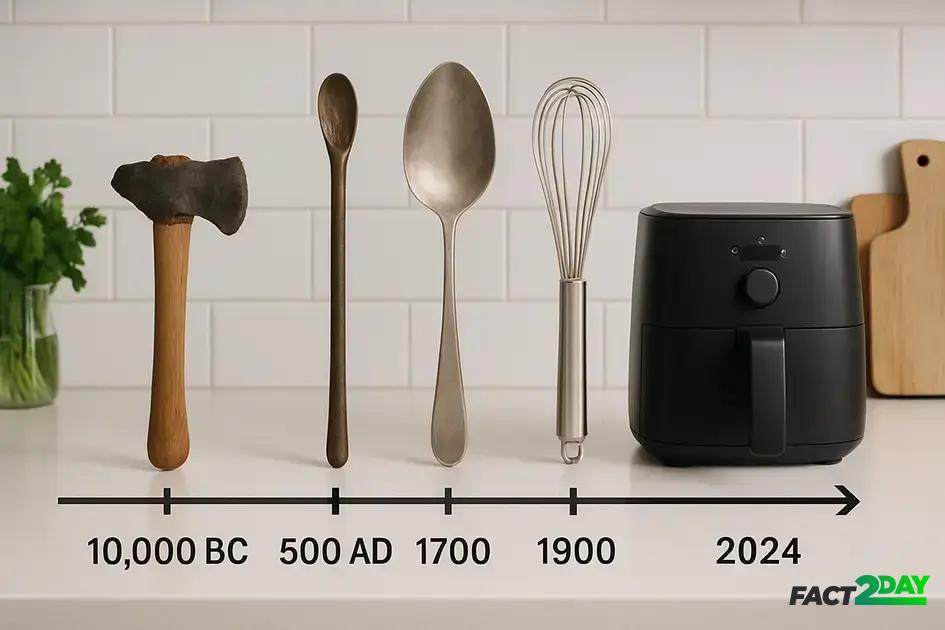
In prehistoric times, early humans relied on simple, naturally sourced tools to prepare food. The first kitchen tools were likely sharp stones or axes used for cutting meat and crushing nuts. These rudimentary devices marked the beginning of kitchen utensils evolution, as they enabled basic food processing that improved survival chances.
These early tools were multipurpose, crafted from rocks, bones, and wood. For example, stone axes helped with chopping, while bone needles were used for sewing animal skins tied to food storage. The materials and shapes were driven by necessity and availability, showcasing human ingenuity with limited resources.
As fire was discovered, controlling and cooking food introduced new demands. Prehistoric people adapted their tools to handle hot stones for cooking or digging with wooden sticks. This era laid the groundwork for more complex kitchen utensils, linking tool use directly to improving diets and daily life.
Significance of Prehistoric Kitchen Tools
These primitive utensils highlight how humans began transforming raw food into something more digestible and nutritious. The evolution from bare hands to crafted tools represents a vital step in cultural and technological development, setting the stage for future culinary innovation.
How ancient civilizations shaped cooking utensils
Ancient civilizations played a crucial role in transforming basic kitchen tools into more specialized and refined utensils. As societies developed, they began to create utensils from materials like bronze, copper, and ceramics, which allowed for increased durability and variety in design.
The Egyptians, for example, crafted metal knives and pottery that were not only functional but often beautifully decorated. Meanwhile, in Mesopotamia, clay tablets reveal detailed knowledge about food preparation tools and techniques, reflecting the cultural importance of cooking.
Technological advances in ancient kitchens
Strong advances occurred as civilizations understood metallurgy. Tools such as grinders, mortars, and pestles became widespread, allowing for new food processing methods. The Greeks introduced utensils like the clepsydra for measuring cooking time, showcasing innovation beyond simple tools.
In ancient China, the invention of chopsticks around 1200 BC changed how food was handled and eaten. This simple yet effective utensil highlights how cooking tools can reflect cultural habits and social structures.
Influence on modern kitchen tools
Many modern utensils have roots in these ancient designs. The evolution of cutting tools, cooking vessels, and serving plates all began with the experimentation and craftsmanship of these early peoples. Their creativity set the foundation for the diversity and functionality we expect from kitchen tools today.
Medieval kitchen tools: innovation and tradition
During the medieval period, kitchen tools reflected a blend of innovation and tradition, adapting to new cooking styles and expanding food varieties. Iron and wood became the primary materials used, making utensils sturdier and more versatile for daily use.
Common utensils like knives, skewers, and cauldrons were essential for food preparation and cooking over open hearths. The invention of the spit for roasting meats was a significant advancement, allowing food to cook evenly over fire.
Specialized tools for medieval cuisine
Tools such as pastry molds and mortar and pestle appeared, catering to the growing complexity of recipes and spice usage. Cast iron pots became widely used due to their durability and heat retention, crucial for slow-cooked meals.
Wooden spoons and ladles were common for stirring soups and stews, while knives grew in variety for different tasks. The medieval kitchen was a place of craftsmanship, where utensils balanced practicality with emerging culinary trends.
Cultural influence on medieval kitchen utensils
As trade routes expanded, new ingredients and cooking methods influenced utensil design. For example, the introduction of long-handled cooking tools addressed safety around large fires. These adaptations showed how tradition met innovation to meet evolving kitchen needs.
The impact of the industrial revolution on kitchen utensils
The Industrial Revolution brought significant changes to kitchen utensils, transforming production from handmade to factory-made items. This shift made kitchen tools more affordable and available to a wider population, leading to increased variety and mass production.
Factories began producing cast iron pans, metal cutlery, and glassware with greater precision and uniformity. This period also saw the introduction of standardized sizes and designs, which improved usability and durability.
Introduction of new materials and techniques
The use of steel and aluminum in utensils became common, offering better heat conduction and lighter weight compared to earlier materials. Machines enabled complex designs such as intricate handles and decorative patterns to be created quickly.
Innovations like the mechanical egg beater and can opener originated during this era, simplifying common kitchen tasks and saving time. These inventions reflected the growing demand for efficiency in domestic life as more women entered the workforce.
Mass production and accessibility
The Industrial Revolution made it possible to produce kitchen tools in bulk, which lowered costs and made once-luxury items available to the middle class. This democratization changed how people cooked and ate, encouraging experimentation with new recipes and methods.
Overall, the Industrial Revolution marked a key turning point in kitchen utensil history, blending functionality, design, and accessibility in ways that still influence kitchens today.
The rise of specialized kitchen gadgets in the 20th century
The 20th century saw a massive surge in specialized kitchen gadgets designed to make cooking easier and faster. As technology advanced, inventors created tools aimed at solving specific kitchen problems and enhancing efficiency.
Items like electric mixers, pressure cookers, and food processors became household staples, each serving a unique function that streamlined preparation and cooking. These gadgets allowed home cooks to experiment with complex recipes without extensive manual effort.
Growth of convenience and innovation
With the rise of electricity in homes, electrically powered tools revolutionized kitchens. Electric can openers, blenders, and toasters became common, reducing the time needed for common tasks. This era showcased how automation and convenience became central to kitchen utensil evolution.
Innovations were often driven by changing lifestyles, including more women joining the workforce and the rising demand for quick meals. As a result, many gadgets focused on saving time and simplifying meal prep.
Impact on cooking culture
These specialized gadgets influenced the way people cooked by introducing new techniques and possibilities. For example, the widespread use of food processors allowed for the easy creation of sauces, doughs, and purees, expanding culinary creativity.
Manufacturers competed to produce gadgets that were not only functional but also stylish, turning kitchen utensils into desirable consumer products and elevating the kitchen’s role within the home.
The introduction of electric appliances changing kitchens forever
The introduction of electric appliances marked a revolutionary change in kitchen technology. Devices like electric ovens, refrigerators, and microwaves transformed how people cooked and stored food, making kitchens more efficient and convenient.
Electric ovens allowed precise temperature control, which improved baking and roasting results. Refrigerators extended the shelf life of perishables, reducing waste and expanding food options available at home.
Microwaves and quick cooking
The microwave oven, introduced in the mid-20th century, changed meal preparation by drastically cutting down cooking times. It became essential for busy lifestyles, encouraging quick, easy meals without sacrificing flavor or nutrition.
Electric kettles, coffee makers, and toasters also became household staples, streamlining morning routines and everyday tasks.
Impact on kitchen design and lifestyle
These electric appliances prompted redesigns in kitchens to accommodate new technology, such as built-in ovens and dedicated appliance spaces. The rise of electricity in homes made daily cooking less labor-intensive and more dependable, expanding culinary creativity.
Overall, electric appliances did more than improve functionality; they shaped modern kitchen culture by blending practicality with lifestyle needs.
From manual to automated: the journey of cooking tools
The evolution of cooking tools from manual to automated marks one of the most important shifts in kitchen history. Early tools required physical effort, such as grinding with a mortar and pestle or stirring by hand. Over time, the desire to save labor and increase precision led to the invention of automated devices.
Devices like mechanical egg beaters and hand-crank grinders were early examples of automation. They reduced the effort needed and standardized results, making cooking easier and more efficient.
Introduction of electric automation
The arrival of electricity introduced a new wave of automated tools, such as electric mixers, food processors, and automatic coffee makers. These appliances not only saved time but allowed for more consistent cooking outcomes by controlling speed and temperature.
Smart kitchen appliances today take automation further with digital controls and connectivity, allowing remote operation and precise adjustments, elevating convenience and accuracy in meal preparation.
Impact on home and professional cooking
From manual gadgetry to smart automation, cooking tools have continually evolved to meet modern needs. Automation has transformed kitchens into efficient workspaces, enabling both home cooks and professionals to prepare complex dishes with ease.
Air fryers and eco-friendly kitchen technology
Air fryers have become a popular kitchen appliance for those seeking healthier cooking options. They use rapid hot air circulation to cook food with little or no oil, reducing fat content while preserving flavor and texture. This technology suits modern lifestyles focused on convenience and health.
Eco-friendly kitchen technology extends beyond air fryers, including energy-efficient appliances, reusable kitchen tools, and sustainable materials like bamboo and recycled plastics. These innovations aim to lower environmental impact while maintaining functionality.
Energy efficiency and sustainability
Many new kitchen devices are designed with energy-saving modes and smart sensors to reduce power consumption. Solar-powered gadgets and appliances with recyclable parts are also gaining traction, aligning with global efforts to minimize waste and carbon footprints.
The combination of air fryers and eco-friendly technologies shows how modern kitchen tools can promote health and environmental responsibility simultaneously.
Unusual and bizarre kitchen utensils throughout history
Throughout history, kitchen utensils have ranged from the practical to the downright unusual and bizarre. Many cultures have invented tools that seem strange to modern eyes but were essential for specific cooking or serving needs.
One such utensil is the medieval toilet spoon, a spoon with a built-in spit for seasoning and tasting without contamination. Another odd invention includes the Victorian-era cake breaker, designed to cut delicate cakes without crushing them.
Curious examples from different eras
In ancient Rome, the phallic-shaped strainer was used for wine, reflecting cultural symbolism woven into kitchen tools. Japanese chefs also developed unique knives tailored for specific fish and cutting styles, some with unexpectedly sharp and slender designs.
Other bizarre utensils include mechanical devices like the early 20th-century automatic stirring pot, designed to save labor but often clumsy and unreliable.
Why these odd tools matter
Unusual kitchen utensils highlight the creativity and cultural quirks of past societies. They show how innovation sometimes follows unique paths and that utility can take many forms. Exploring these tools provides insight into cooking traditions and the evolution of kitchen technology.
Cultural influences on the design of kitchen tools
Kitchen tools around the world reflect diverse cultures, traditions, and cooking styles. Different regions developed utensils tailored to their unique cuisines, ingredients, and social habits, showcasing the strong influence of culture on design.
For example, in East Asia, chopsticks are a fundamental utensil, designed for eating bite-sized pieces and emphasizing communal eating. In contrast, Western cultures often favor forks and knives suited for cutting and individual portions.
Materials and craftsmanship
Cultural preferences dictate the materials used for kitchen tools. Bamboo is common in many Asian countries for its sustainability and flexibility, while Mediterranean regions favored olive wood and ceramics, reflecting local resources.
Craftsmanship and decoration also vary widely, from the simple, practical designs of Scandinavian kitchens to the ornate and colorful utensils used in Middle Eastern cooking, which often carry symbolic meanings.
Adapting to cooking techniques
The choice of kitchen utensils is closely linked to cooking techniques passed down through generations. The use of woks in Chinese cooking demands long-handled spatulas, while tagging tools like the Moroccan tajine shaped the creation of specific serving and cooking implements.
Understanding these cultural influences helps appreciate why kitchen tools are not just functional but also expressions of heritage and identity.
Future trends: smart kitchens and beyond
The future of kitchen utensils lies in smart kitchens, where technology integrates seamlessly with cooking tools to enhance convenience, efficiency, and sustainability. Connected devices, powered by artificial intelligence and the Internet of Things (IoT), allow users to control appliances remotely and receive real-time cooking assistance.
Smart refrigerators can track food inventory and suggest recipes, while intelligent ovens adjust temperature and cooking time automatically based on the dish. Voice commands and touchscreen interfaces make these tools easy to operate, catering to both novice and experienced cooks.
Emerging innovations
Robotic kitchen assistants and automated cooking systems are becoming more common, promising to reduce the time and effort required in meal preparation. Innovations like 3D food printing also hint at novel ways to create and customize meals.
Furthermore, future kitchen technology emphasizes eco-friendly design, using energy-efficient appliances and biodegradable materials to reduce environmental impact.
Impact on lifestyle and cooking
Smart kitchens will transform daily life by making cooking more interactive, personalized, and less time-consuming. They will encourage healthier eating habits and reduce waste, aligning with broader trends in wellness and sustainability.
The evolving story of kitchen utensils
The journey of kitchen utensils from primitive tools to smart appliances shows human creativity and innovation at work. Each era brought new ideas that reshaped how we cook, eat, and connect with food.
With future trends pointing toward smart, eco-friendly kitchens, cooking is becoming easier and more sustainable. Understanding this evolution helps us appreciate the tools we use every day and inspires us to embrace new technologies thoughtfully.
Whether simple or high-tech, kitchen utensils continue to play a vital role in our lives, blending tradition with modern needs.