Scandals on the Throne: The Most Bizarre and Forbidden Loves of European Royalty
Explore the most fascinating Bizarre Royal Forbidden Loves that shocked European royalty, revealing passion beyond the throne's strict rules.
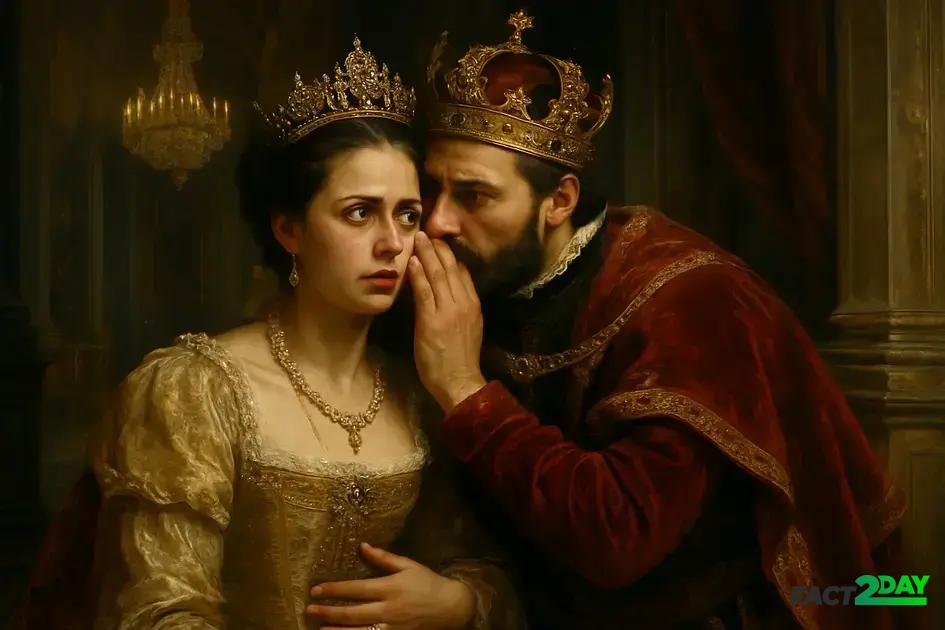
Bizarre Royal Forbidden Loves reveal how secret romances among European monarchs shaped history through passion, power struggles, and scandalous alliances beyond the throne’s strict rules.
Have you ever wondered about the secret side of royalty? The Bizarre Royal Forbidden Loves unveil a world of passion and scandal hidden behind Europe’s grand palaces. Let’s dive into these shocking stories that blend love and power in fascinating ways.
The origins of forbidden love in royal history
Forbidden love within royal history often began with the strict rules that governed who members of royal families could marry. These rules aimed to preserve bloodlines, secure political alliances, and maintain social status. Yet, throughout history, these restrictions sparked secret romances that challenged royal norms.
Social and political factors
Royal marriages were strategic tools to strengthen kingdoms rather than personal unions. Love was often secondary to duty, which led many royals to seek affection in secret, risking scandal and punishment.
Early examples of forbidden romances
From medieval Europe to the Renaissance, numerous royal figures defied conventions. These relationships often crossed boundaries of class, religion, or nationality, making them not only personal but political rebellions as well.
For instance, a prince falling for a commoner or a monarch engaging with someone from a rival nation could threaten alliances and dynasties. The consequences were often severe, including exile or disinheritance.
Legacy of these forbidden loves
Many of these early forbidden romances left lasting impressions on history, shaping perceptions of monarchy and love. They added human complexity to figures often seen only as political actors, highlighting risks taken for passion despite royal duties.
Notorious forbidden romances of European monarchs
European monarchs have been known for their notorious forbidden romances that defied societal norms and royal protocols. These relationships often involved secret liaisons, scandalous affairs, and clashes with political powers, leaving a lasting impact on history.
The affair of King Henry VIII and Anne Boleyn
One of the most famous forbidden romances was between King Henry VIII of England and Anne Boleyn. This love affair not only led to the king’s controversial divorce but also triggered England’s break from the Catholic Church, shaping history profoundly.
Marie Antoinette’s rumored secret loves
Queen Marie Antoinette of France was also rumored to have had forbidden loves beyond her royal marriage. Though much is debated, these alleged affairs added fuel to the already intense political tensions of the French Revolution.
Tsar Nicholas II and ballerina relationships
In Russia, Tsar Nicholas II’s family was entwined in forbidden romances, notably involving ballet dancers like Matilda Kshesinskaya. These relationships stirred gossip and contributed to public discontent with the monarchy.
These stories emphasize how royal love often crossed boundaries, risking not just reputations but the stability of entire nations. The allure of forbidden romance mixed with political consequences continues to captivate historians and enthusiasts alike.
Political consequences of royal forbidden loves
Forbidden loves among royalty often had deep political consequences, threatening alliances and stirring instability in kingdoms. When monarchs engaged in secret romances, these relationships could influence decisions and power balances on a grand scale.
Shifts in alliances and treaties
Marriages and romantic ties were key elements in forming political alliances. Forbidden relationships sometimes disrupted these plans, causing rifts between nations or noble families. A royal’s secret lover from a rival country could break trust and provoke diplomatic crises.
Succession disputes
Love affairs outside approved marriages raised questions about heirs’ legitimacy. This created disputes over who had the rightful claim to the throne, often leading to conflicts, rebellions, or civil wars. The controversy surrounding illegitimate children could divide a realm for years.
Influence of mistresses and favorites
Some royal mistresses gained significant political influence by swaying monarchs’ choices. These women could impact appointments, favors, and decisions behind closed doors, sometimes angering nobles and court factions, which fueled tension at court.
Church and morality politics
In deeply religious societies, forbidden loves clashed with church laws, leading to excommunications or public condemnation of monarchs. This not only affected personal reputations but also the church’s relationship with the state, impacting overall political power.
The entanglement of love and politics made royal forbidden romances dramatic stories of power, betrayal, and survival, shaping European history beyond the personal sphere.
Secret affairs that changed royal lineages
Throughout history, secret affairs in royal families have dramatically altered the course of royal lineages and national histories. These hidden romances often produced heirs whose legitimacy was questioned, changing succession plans and disrupting dynasties.
Impact on succession
Many royal families faced disputes when children from secret relationships emerged. These heirs complicated claims to the throne and sometimes led to rival factions fighting for power. The questions of inheritance created lasting instability in several kingdoms.
Famous cases of lineage changes
For example, the lineage of England’s Plantagenet dynasty was affected by rumored illegitimate children who influenced succession disputes. Similarly, in France and Spain, secret affairs resulted in offspring whose identities and titles sparked controversy at court and beyond.
Political and social effects
Secret affairs often caused political turmoil, with nobles and foreign powers exploiting the uncertainties to advance their interests. Socially, these scandals damaged the reputation of monarchs and eroded public trust in their authority.
The legacy of these secret affairs highlights how personal relationships within royalty could ripple far beyond private chambers, shaping the course of history in unexpected ways.
Scandalous love triangles behind palace walls
Love triangles within royal courts were a hotbed for scandal and intrigue. These complicated relationships often involved kings, queens, and courtiers, creating tension and drama that could influence political decisions and personal lives alike.
Triangle between monarchs and favorites
Many monarchs maintained close relationships with favorites or mistresses, which sometimes led to jealousies involving queens or other courtiers. These dynamics could upset the court’s balance of power and spark rivalries.
Famous palace love triangles
One notable example is the rumored triangle involving King Louis XIV of France, his queen, and his famous mistress Madame de Montespan. Such scenarios exposed the vulnerabilities of even the most powerful rulers and fueled gossip among nobles.
Consequences of royal love triangles
These tangled relationships often caused public scandal, damaged reputations, and affected dynastic stability. Political factions could form around different sides in a triangle, leading to unrest or even exile for those involved.
The intensity of scandalous love triangles behind palace walls shows how love and power mixed dangerously in royal lives, shaping history beyond the throne.
Forbidden marriages and their dramatic outcomes
Forbidden marriages in royal families often defied the strict social, religious, or political rules of their time. These unions could lead to dramatic changes within royal courts and even affect the fate of entire kingdoms.
Reasons why marriages were forbidden
Many royal families forbade marriages with commoners, rivals, or those of different faiths to protect alliances and maintain bloodline purity. Such restrictions were enforced by law, tradition, or political necessity.
Consequences of forbidden royal marriages
When royal individuals defied these rules and married in secret or faced forced separations, the outcomes could be severe. Punishments included loss of titles, exile, imprisonment, or annulment of the marriage.
Historic examples
For instance, the secret marriage of King Edward VIII to Wallis Simpson, a twice-divorced American, led to his abdication, a dramatic and rare event in British royal history. Another example includes Crown Prince Rudolf of Austria’s forbidden romance that ended tragically, known as the Mayerling Incident.
These forbidden marriages remind us how personal choices in royal families often intersected with political drama and had lasting effects on history.
Royal mistresses and the power they held
Royal mistresses often wielded significant influence in European courts despite their unofficial status. These women could sway decisions, secure favors, and impact political alliances through their close relationships with monarchs.
Role in court politics
Many mistresses acted as advisors or intermediaries, using their charm and intelligence to affect appointments and policies. Their influence could rival that of queens, creating complex court dynamics.
Examples of powerful mistresses
Madame de Pompadour, mistress to King Louis XV of France, is a famous example. She supported arts and culture while influencing royal decisions. Similarly, Barbara Villiers, mistress of King Charles II of England, held immense power during her time.
Controversies and challenges
Though they held power, royal mistresses faced public scorn and opposition from nobles and royals alike. Their position was always precarious, as their fall from favor could mean exile or disgrace.
Their presence reveals how love and power intertwined behind palace walls, shaping history in subtle but profound ways.
How religion influenced royal love restrictions
Religion played a crucial role in shaping royal love restrictions across Europe. Monarchs were often expected to follow the doctrines of their faith, which influenced who they could marry and how relationships were viewed.
Religious laws and royal marriages
Church doctrines commonly banned marriages between close relatives and prohibited unions with people of different faiths. These rules aimed to preserve religious purity and political alliances within the Christian world.
The role of the Catholic Church
The Catholic Church had significant power over royal weddings, often requiring papal approval for marriages. Disobedience could result in excommunication, annulments, or political isolation.
Protestantism and changing norms
After the Protestant Reformation, some royal houses began loosening restrictions. However, the new religious divides created fresh tensions and influenced who was considered an acceptable marriage partner.
Impact on forbidden loves
Many secret and forbidden romances arose from the conflict between royal desires and religious expectations. These relationships sometimes led to scandals or political fallout, showing how deeply intertwined religion and love were in royal lives.
The role of gender and social status in royal romances
Gender and social status played fundamental roles in shaping royal romances. Monarchies often imposed strict expectations on men and women, influencing who could pursue love and on what terms.
Expectations for royal men
Royal men were usually expected to marry for political alliances rather than love. However, they often exercised privilege by engaging in affairs or choosing mistresses, reflecting gendered double standards.
The limited freedom of royal women
Royal women faced strict controls over their marriages, which were used to secure diplomacy and alliances. Their personal desires were often secondary, and deviation from expectations could lead to scandal or exile.
Impact of social status
Romantic relationships crossing social boundaries were typically forbidden. Royals falling in love with commoners or lower nobility faced significant barriers, highlighting how class shaped acceptable partnerships.
These dynamics show how deeply intertwined power, gender, and social hierarchy were in royal love stories, often determining the course of personal and political lives.
Modern revelations of historical forbidden loves
Modern research and technology have uncovered many forgotten or hidden stories of forbidden royal loves. Historians now use letters, diaries, and DNA testing to reveal relationships that were once kept secret.
Uncovering hidden romances
Archives and royal correspondences often contain clues to illicit affairs and secret marriages. These documents provide new insights into the personal lives of monarchs and their loved ones.
Role of DNA and forensics
Advances in genetics have helped verify the existence of illegitimate children or hidden descendants. This has changed our understanding of royal family trees and the impact of forbidden relationships.
Impact on historical narratives
These modern revelations challenge traditional views of royalty, showing a more human side filled with complex emotions and risks. They also highlight how love and politics intertwined in shaping history.
Through these discoveries, we gain a richer and more personal glimpse into the lives behind the throne.
Wrapping Up Royal Forbidden Loves
The stories of forbidden loves among European royalty reveal a fascinating mix of passion, power, and risk. These romances often reshaped history, influencing politics and royal lineages in unexpected ways.
By exploring these secrets, we see that behind the grand thrones were people navigating complex emotions and strict rules. These tales remind us that love, no matter how forbidden, has always been a powerful force.
Understanding these hidden romances adds depth to our view of history and shows how personal choices impacted entire nations. Royal forbidden loves remain a captivating topic that blends drama, mystery, and human nature.