Marketing or Miracle? The Bizarre and Scientific Truth Behind Trendy Superfoods
Discover the surprising truth about Superfoods Truth and whether these trendy foods are marketing hype or genuine health miracles.
Frisson, the sensation of goosebumps from music, occurs when the brain activates both reward and fear centers simultaneously, creating a thrilling feeling linked to heightened attention and emotional response.
Have you ever wondered if Superfoods Truth is more than just a catchy marketing phrase? These trendy foods promise incredible health benefits, but what’s the real story behind the hype? Let’s explore their mysterious appeal and scientific reality together.
What exactly are superfoods?
Superfoods are foods rich in nutrients considered especially beneficial for health and well-being. These foods often contain high levels of vitamins, minerals, antioxidants, and fiber. Contrary to popular belief, there’s no official scientific definition of superfoods, but the term is widely used to highlight foods that pack a powerful nutritional punch.
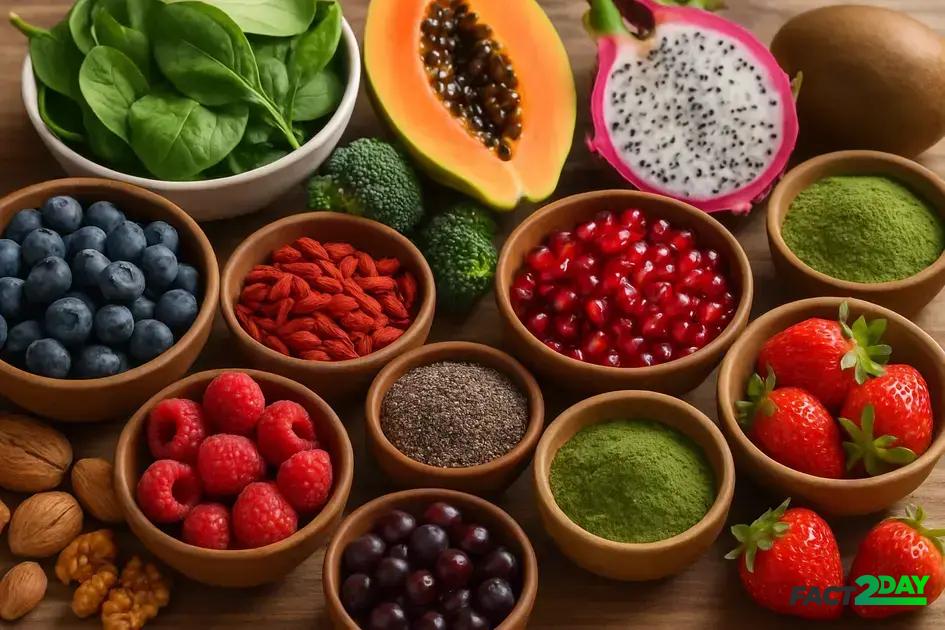
Examples include blueberries, kale, chia seeds, and salmon. Each superfood offers unique benefits; for instance, blueberries are known for their antioxidants, while salmon is rich in omega-3 fatty acids. Including superfoods in your diet can support immune function, promote heart health, and enhance brain performance.
It’s important to remember that no single food guarantees good health. Superfoods should be part of a balanced diet that includes various fruits, vegetables, proteins, and whole grains. Emphasizing diversity in your meals helps you get a wide range of nutrients that work together to improve health.
How the term ‘superfoods’ was coined
The term superfoods was first popularized in the early 2000s as a marketing strategy to promote nutrient-rich foods with exceptional health benefits. It doesn’t have a formal scientific definition but became widely used to describe foods believed to offer superior nutrition compared to others. The media and health food companies embraced the term to highlight certain fruits, vegetables, and seeds that stood out due to their high levels of vitamins, antioxidants, and minerals.
Originally, the phrase aimed to attract health-conscious consumers looking for simple ways to improve their diet. Over time, it evolved into a buzzword that influenced consumer choices and food trends worldwide. Despite its catchy appeal, experts often point out that the term can be misleading since no single food can provide all the nutrients needed to maintain health.
Understanding the origins of the term helps us critically evaluate the health claims around superfoods and avoid falling for exaggerated marketing tactics. Recognizing that superfoods are part of a bigger picture encourages a balanced approach to diet rather than focusing on miracle cures.
Commonly hyped superfoods and their origins
Many superfoods have gained fame for their unique health benefits and interesting histories. Acai berries, native to the Amazon rainforest, are praised for their antioxidants and energy-boosting properties. They have been a staple food for indigenous communities for centuries before becoming a global sensation.
Another widely hyped superfood is quinoa, a grain-like seed originally cultivated in the Andes Mountains of South America. It is rich in protein and essential amino acids, making it popular among vegetarians and fitness enthusiasts.
Kale is a leafy green vegetable that has surged in popularity due to its high vitamin content, especially vitamins A, C, and K. While kale has been consumed for centuries in Europe, its recent rise in Western diets is linked to nutrition trends and health campaigns.
Chia seeds come from a plant native to Mexico and Guatemala and were an important food source for ancient Aztecs. They are valued today for their omega-3 fatty acids, fiber, and antioxidants.
Each of these superfoods reflects a rich cultural heritage as well as scientific interest, showing how traditional foods are rediscovered and embraced worldwide for their nutrition.
The science behind superfoods’ health claims
The health claims linked to superfoods often center on their dense nutrient content and antioxidants. Scientific studies have shown that many superfoods do contain significant levels of vitamins, minerals, and phytochemicals that may contribute to better health. For example, antioxidants found in blueberries and green tea can help neutralize harmful free radicals, reducing oxidative stress in the body.
However, it’s important to understand that while superfoods offer benefits, these effects are usually part of a broader, balanced diet rather than from eating a single food item alone. Research often highlights the value of overall dietary patterns that include fruits, vegetables, whole grains, and healthy fats rather than isolated superfoods.
Clinical evidence supports some superfoods in reducing risk factors for chronic diseases. For instance, omega-3 fatty acids in salmon can improve heart health by lowering triglycerides and reducing inflammation. Fiber-rich foods like chia seeds can help with digestion and blood sugar control.
Despite promising data, some claims lack strong scientific backing and rely heavily on preliminary studies or animal research. Consumers should be cautious of exaggerated promises and consult reliable sources before making major diet changes. Remember, no food can replace a comprehensive, nutrient-rich diet for long-term health.
Nutritional benefits versus marketing exaggeration
Many superfoods are praised for their impressive nutritional benefits, including high levels of vitamins, minerals, antioxidants, and fiber. These nutrients can contribute to overall health, support the immune system, and help prevent chronic diseases when consumed as part of a balanced diet.
However, marketing often exaggerates these benefits, portraying superfoods as miracle cures or quick fixes. Advertisements and product labels may overstate the effects, suggesting they can replace a healthy lifestyle or cure specific health conditions.
It’s essential to differentiate between genuine nutrition facts and marketing hype. For example, while chia seeds provide omega-3 fatty acids and fiber, eating them alone doesn’t guarantee weight loss or disease prevention without other healthy habits.
Many superfoods are valuable additions but should be viewed as part of a balanced diet rather than standalone solutions. Always look for reliable scientific information and be cautious of bold claims that sound too good to be true.
How superfoods fit into a balanced diet
Including superfoods in your diet can boost nutrition, but it’s important to remember they are just one part of a balanced diet. A balanced diet includes a variety of food groups such as fruits, vegetables, whole grains, lean proteins, and healthy fats, which together provide all the nutrients your body needs.
Superfoods can be seen as nutritional boosters that complement your meals. For example, adding spinach or kale to salads increases fiber and vitamin intake, while berries can add antioxidants and flavor to your breakfast. Incorporating these foods alongside other wholesome options supports overall health.
Diversity and moderation are key. Relying too heavily on any single food, even superfoods, can lead to nutritional gaps. It’s best to enjoy a wide range of foods to cover all essential nutrients, ensuring your body functions optimally.
Remember, superfoods are not magic solutions but valuable contributors to a diet that promotes well-being when combined with regular physical activity and healthy lifestyle choices.
The role of antioxidants in superfoods
Antioxidants are compounds found in many superfoods that play a crucial role in protecting the body from damage caused by harmful molecules called free radicals. These free radicals can cause oxidative stress, which may lead to cell damage and contribute to aging and various diseases.
Superfoods like blueberries, dark chocolate, and green tea are rich sources of antioxidants. These substances help neutralize free radicals, potentially reducing inflammation and supporting overall health. For instance, flavonoids in berries and catechins in green tea are well-known antioxidants.
Consuming a diet rich in antioxidants from superfoods can support the immune system and may lower the risk of chronic illnesses such as heart disease, cancer, and neurodegenerative disorders. However, antioxidants work best when part of a balanced diet rather than isolated supplements.
It’s important to remember that variety in antioxidant sources enhances their effectiveness. Different antioxidants target different types of free radicals, so including a range of colorful fruits and vegetables helps maximize benefits.
Superfoods and their impact on chronic diseases
Superfoods are often linked to the prevention and management of chronic diseases due to their rich nutrient profiles. Many contain antioxidants, vitamins, and anti-inflammatory compounds that may reduce the risk of conditions like heart disease, diabetes, and cancer.
Heart health can benefit from superfoods such as salmon, rich in omega-3 fatty acids, which help lower bad cholesterol and reduce inflammation. Similarly, berries contain antioxidants that may protect blood vessels and improve circulation.
When it comes to diabetes, fiber-rich superfoods like chia seeds and quinoa can help regulate blood sugar levels by slowing digestion and improving insulin sensitivity. These foods support steady energy release and better metabolic health.
Certain superfoods also exhibit properties that might reduce the growth of cancer cells. For example, cruciferous vegetables like kale and broccoli contain compounds that aid in detoxifying the body and protecting DNA.
While promising, it’s important to understand that superfoods are one part of a larger approach to chronic disease prevention. A consistent, balanced diet combined with regular exercise and healthy habits plays the most crucial role.
Cultural perspectives on superfoods globally
Superfoods are valued differently across cultures, often reflecting local traditions and available natural resources. Many superfoods have long histories in indigenous diets, where their health benefits were discovered through generations of use.
For example, spirulina has been used for centuries by communities near Lake Chad in Africa as a rich protein source. In Asia, goji berries are celebrated in traditional Chinese medicine for their supposed longevity benefits.
Latin American cultures have embraced foods like quinoa and acai berries, which have been staples for indigenous peoples for thousands of years. These foods are now gaining global attention due to their dense nutrition and cultural significance.
Globalization has helped spread superfoods worldwide, but it’s important to respect their cultural roots and understand how they fit into local diets rather than viewing them solely as trendy health products.
This cross-cultural appreciation enhances the diversity of global diets and promotes a more holistic view of nutrition based on tradition, environment, and science.
How marketing influences consumer perceptions
Marketing plays a powerful role in shaping how consumers view superfoods. Advertisements often highlight the most impressive benefits, using eye-catching visuals and persuasive language to attract attention. This can create an appealing image that makes superfoods seem like magic health boosters.
Branding and packaging also influence perceptions. Colorful labels, health claims, and celebrity endorsements can lead consumers to believe that these products are essential for a healthy lifestyle, even if the science behind some claims is weak.
Marketing strategies sometimes focus on scarcity and exoticism, promoting superfoods as rare or special. This increases their perceived value and can drive demand and higher prices.
While marketing can educate people about nutritional benefits, it’s important for consumers to remain critical and seek reliable information. Not all claims are backed by strong research, and buying decisions should be based on balanced facts rather than hype.
Understanding marketing tactics helps consumers make smarter choices and avoid falling for exaggerated promises embedded in superfood advertisements.
The economic side of superfood trends
The rising popularity of superfoods has created a significant economic impact worldwide. The demand for these nutrient-packed foods has boosted markets in producing countries and influenced global food trade.
Farmers and producers in regions where superfoods like quinoa, acai, and goji berries are grown have often seen increased incomes due to the surge in exports. This demand encourages agricultural development, but it can also lead to challenges such as price inflation and over-farming.
Retailers and food companies capitalize on the trend by marketing superfood products at premium prices. Many start-ups and established brands create superfood-based snacks, supplements, and beverages to meet health-conscious consumer needs.
While the growth of superfood markets offers economic opportunities, it also raises concerns. Local communities may face higher food costs, and environmental sustainability can be threatened by intensive farming practices.
Understanding the economic side of superfoods helps consumers appreciate the complexities behind the foods they buy and encourages responsible purchasing choices.
Risks of over-relying on superfoods
Relying too heavily on superfoods can lead to nutritional imbalances and health risks. While these foods are nutrient-rich, they should not replace a varied diet that includes a wide range of nutrients from different sources.
Overconsumption of certain superfoods, like goji berries or kale, may cause side effects due to high levels of specific compounds. For example, excessive kale intake can interfere with thyroid function because of its goitrogen content.
Focusing only on superfoods might also cause people to overlook other important foods, resulting in deficiencies or missing out on essential nutrients that superfoods don’t provide.
There is also the risk of falling for marketing hype, believing that eating superfoods alone can prevent or cure diseases. This can lead to neglecting overall healthy lifestyle habits like exercise, proper hydration, and balanced meals.
Moderation and variety remain fundamental to a healthy diet. Superfoods are best enjoyed as part of an overall balanced approach rather than used as a quick fix or sole source of nutrition.
Practical tips for choosing real nutritional boosters
Choosing real nutritional boosters requires careful consideration of several factors beyond catchy branding. First, look for whole, minimally processed foods that are naturally rich in nutrients, such as fresh fruits, vegetables, nuts, and seeds.
Check labels carefully for added sugars, preservatives, or artificial ingredients that can reduce the health benefits. Opt for organic or sustainably sourced products when possible to avoid pesticides and support environmental health.
Variety is key—include different superfoods in your diet to benefit from a broad spectrum of nutrients. Rotating foods like berries, leafy greens, and whole grains helps maintain balanced nutrition.
Be wary of expensive supplements or powders marketed as superfoods. While some may offer benefits, it’s best to prioritize foods you can see and touch over processed options.
Finally, consult reliable sources or professionals when adding new items to your diet, especially if you have health conditions or take medications, to ensure safety and effectiveness.
Understanding superfoods for better health choices
Superfoods can offer valuable nutrients and benefits when included as part of a balanced diet. However, it’s important to see them as one piece of the nutrition puzzle, rather than miracle cures on their own.
By being aware of marketing influences, economic impacts, and potential risks, you can make smarter decisions when choosing superfoods that truly support your health. Embracing variety and moderation ensures you get a wide range of nutrients for long-term well-being.
Remember, the best approach to nutrition is a balanced, informed one that combines whole foods, healthy habits, and thoughtful choices.