The Invisible Breathers: The Most Bizarre Life Forms That Thrive Without Oxygen on Earth
Discover Oxygen-Free Life Forms, bizarre organisms thriving without oxygen, defying what we think we know about life's essentials on Earth.
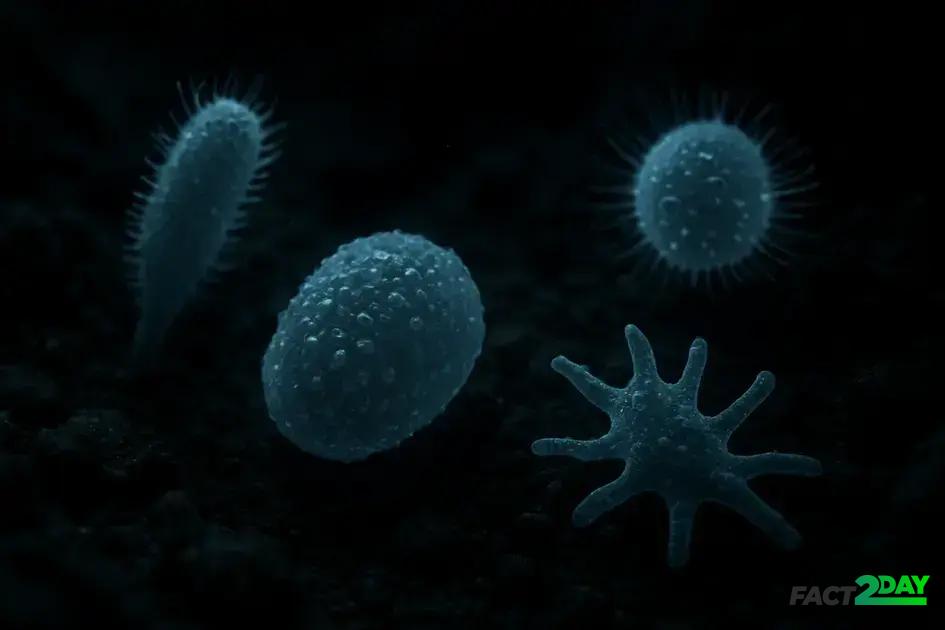
Oxygen-free life forms are organisms that survive in environments without oxygen by using alternative chemical processes like anaerobic respiration, revealing life’s extraordinary adaptability on Earth.
Have you ever heard of Oxygen-Free Life Forms? These curious beings thrive in places we usually think impossible for life—without any oxygen. Let’s explore their mysterious world and see what secrets they hold!
What are oxygen-free life forms?
Oxygen-free life forms are organisms that survive and grow in environments without oxygen. Unlike most living beings that need oxygen for their metabolism, these life forms use alternative chemicals to produce energy. They are mostly microbes, such as bacteria and archaea, which have adapted to thrive in places where oxygen is absent.
Characteristics of oxygen-free organisms
These organisms rely on processes like anaerobic respiration or fermentation to generate energy. Instead of oxygen, they may use substances such as sulfate, nitrate, or carbon dioxide as electron acceptors in their metabolic activities.
They are found in diverse habitats including deep ocean vents, underground caves, marshes, and the guts of animals. Some can even survive in extreme conditions like high salinity or temperature, which would be hostile to oxygen-breathing life.
Importance in the ecosystem
Oxygen-free life forms play a crucial role in nutrient cycling, breaking down organic matter and supporting other life forms indirectly. Their unique metabolism also helps in detoxifying harmful compounds in their environment.
Studying these organisms expands our understanding of life’s adaptability and the potential for life beyond Earth, where oxygen may be scarce or absent.
Where do oxygen-free life forms exist on Earth?
Oxygen-free life forms inhabit some of the most extreme and hidden environments on Earth. These include deep-sea hydrothermal vents, underground caves, and oxygen-poor wetlands. Each habitat offers unique conditions that support the survival of these unusual organisms.
Deep-sea hydrothermal vents
Located along underwater mountain ridges, hydrothermal vents emit hot, mineral-rich fluids. These vents provide chemical energy that oxygen-free microbes use for growth. This environment is dark, hot, and devoid of oxygen, making it ideal for anaerobic organisms.
Underground caves and aquifers
Many oxygen-free microbes live in caves and deep aquifers. These areas have limited oxygen due to restricted airflow. They often rely on chemical reactions with minerals in the rocks to survive.
Oxygen-poor wetlands and marshes
Swamps and marshes have thick, waterlogged soils where oxygen doesn’t easily penetrate. This creates pockets that support oxygen-free bacteria responsible for decomposing organic matter and recycling nutrients.
Inside animal bodies
Some oxygen-free life forms live inside animals, such as in the guts of termites and ruminants. These microbes help digest food without requiring oxygen, forming important symbiotic relationships.
These varied habitats show just how adaptable oxygen-free life forms can be, thriving where most life would struggle or not survive at all.
How do oxygen-free life forms survive without oxygen?
Oxygen-free life forms survive by using alternative methods to generate energy, since they cannot rely on oxygen for respiration. These organisms often use chemical compounds like sulfate, nitrates, or carbon dioxide as substitutes in their metabolic processes.
Anaerobic respiration
Instead of oxygen, these microbes perform anaerobic respiration, where they break down substances such as sulfate or nitrate to produce energy. This process releases less energy than aerobic respiration but is enough for their survival.
Fermentation
Some oxygen-free organisms use fermentation, a method that breaks down sugars without oxygen, producing substances like alcohol or lactic acid as byproducts. This allows them to generate energy in oxygenless conditions.
Adaptations to harsh environments
Oxygen-free life forms have special enzymes and cell structures that help them handle toxic substances that build up from their unique metabolism. These adaptations protect them and allow them to thrive where oxygen-using organisms cannot.
Their ability to use different chemicals for energy shows just how flexible life can be, adapting to some of the planet’s toughest environments.
Types of oxygen-free microorganisms
Oxygen-free microorganisms include a variety of bacteria and archaea that have adapted to live without oxygen. These microorganisms are found in many environments and play essential roles in nature.
Obligate anaerobes
These microbes cannot survive in the presence of oxygen. They depend entirely on anaerobic processes like fermentation or anaerobic respiration to produce energy. Examples include Clostridium species, which can cause diseases but also help break down organic matter in soil.
Facultative anaerobes
Facultative anaerobes can live with or without oxygen. When oxygen is available, they prefer aerobic respiration for more energy. Without oxygen, they switch to anaerobic methods. Escherichia coli is a well-known facultative anaerobe commonly found in the intestines of humans and animals.
Aerotolerant anaerobes
These organisms do not use oxygen but can tolerate its presence without harm. They rely solely on anaerobic metabolism. Lactobacillus species, important in yogurt production, fall into this group.
Extremophiles
Many oxygen-free microbes are extremophiles, thriving in harsh conditions like hot springs, deep-sea vents, or salty lakes. These include certain archaea that use chemicals other than oxygen for energy.
Each type shows unique adaptations that allow survival without oxygen, making them fascinating subjects of study in microbiology and ecology.
The role of anaerobic respiration
Anaerobic respiration is a vital process that allows certain life forms to generate energy without oxygen. Instead of oxygen, these organisms use other molecules such as sulfate, nitrate, or carbon dioxide as electron acceptors during respiration.
How anaerobic respiration works
In this process, the organism breaks down organic compounds to release energy. Electrons removed during this breakdown are transferred to molecules other than oxygen. This transfer creates a chemical gradient used to produce ATP, the energy currency of cells.
Molecules used as electron acceptors
Common electron acceptors include sulfate (SO4²⁻), nitrate (NO3⁻), and carbon dioxide (CO2). The choice depends on the organism and its environment. For example, sulfate-reducing bacteria use sulfate, producing hydrogen sulfide as a byproduct.
Importance in ecosystems
Anaerobic respiration plays a key role in nutrient cycling and the breakdown of organic matter in oxygen-depleted environments like wetlands, deep-sea vents, and sediments. It sustains microbial communities and helps maintain ecosystem health.
This process shows how life adapts to different conditions by using a variety of chemical pathways to survive without oxygen.
Extremophiles and their environments
Extremophiles are specialized microorganisms that thrive in extreme environments once thought uninhabitable. These organisms have adapted to survive conditions like intense heat, high salinity, extreme pressure, or acidity where oxygen is often absent or very limited.
Hot springs and hydrothermal vents
Many extremophiles live in hot springs and deep-sea hydrothermal vents. These places reach temperatures well above boiling and release mineral-rich fluids. Thermophilic archaea and bacteria flourish here, using chemical compounds instead of oxygen for energy.
Saline lakes and salt flats
Halophiles are extremophiles that thrive in highly salty environments like salt flats and saline lakes. They manage osmotic pressure and survive without relying on oxygen, using alternative chemical processes for metabolism.
Acidic and alkaline environments
Acidophiles and alkaliphiles grow in environments with very low or very high pH levels. These microbes have unique proteins and cell membranes that protect them from harsh chemical conditions, often replacing oxygen with other electron acceptors.
Deep subsurface
Some extremophiles inhabit deep underground rocks and sediments, where oxygen never reaches. They survive by breaking down minerals and organic matter through anaerobic respiration. These hidden ecosystems are vital to Earth’s biogeochemical cycles.
The remarkable resilience of extremophiles broadens our understanding of where and how life can exist, highlighting potential habitats beyond Earth.
Impact of oxygen-free life forms on ecosystems
Oxygen-free life forms have a powerful impact on ecosystems by driving key chemical cycles and supporting other life forms in oxygen-deprived environments. Their unique metabolic processes help break down organic matter, recycle nutrients, and maintain balance in ecosystems where oxygen is scarce or absent.
Nutrient cycling
These organisms contribute to nutrient cycling by decomposing organic material and releasing elements like nitrogen, sulfur, and carbon back into the environment. This breakdown is crucial in wetlands, sediments, and deep-sea habitats.
Supporting food webs
Oxygen-free microbes form the base of many food webs in anaerobic environments. They provide energy and nutrients for larger organisms, including worms, crustaceans, and fish that live in oxygen-poor conditions.
Detoxifying environments
Some oxygen-free life forms help detoxify harmful substances like hydrogen sulfide or methane by transforming them into less toxic compounds. This process protects ecosystems from buildup of toxic chemicals.
Influence on global cycles
By driving anaerobic respiration and fermentation, these organisms influence global carbon and sulfur cycles. Their activity affects atmospheric chemistry and climate through the release or consumption of gases like methane and carbon dioxide.
Their presence highlights the complexity and adaptability of ecosystems, showing how life thrives even in the absence of oxygen.
Scientific discoveries about oxygen-free species
Scientific discoveries about oxygen-free species have transformed our understanding of life’s adaptability. Researchers continue to find new species thriving in oxygen-free environments, revealing unique metabolic pathways and survival strategies.
Breakthroughs in microbiology
Advanced genetic sequencing techniques have uncovered diverse groups of bacteria and archaea that function without oxygen. These discoveries challenge the old view that oxygen is essential for all life.
Unexpected habitats
Scientists have found oxygen-free species in extreme places like deep ocean vents, subterranean caves, and even within animal guts. These habitats were long considered inhospitable for life, making these findings groundbreaking.
Unique biochemical processes
Studies reveal that many oxygen-free organisms use alternative electron acceptors and produce unusual byproducts like hydrogen sulfide or methane. These processes expand our knowledge of biochemistry and ecology.
Implications for astrobiology
The existence of oxygen-free life broadens the possibility of life on other planets or moons where oxygen might be lacking. These discoveries offer clues in the search for extraterrestrial life.
Ongoing research on oxygen-free species continues to unveil nature’s resilience and the diverse ways life can flourish.
Potential applications of studying oxygen-free life
Studying oxygen-free life forms opens exciting possibilities across science and technology. Their unique abilities to survive without oxygen inspire innovations in medicine, environmental science, and energy.
Medical applications
Some oxygen-free microbes produce compounds useful in antibiotics and pharmaceuticals. Research on these organisms helps develop new drugs and understand infections caused by anaerobic bacteria.
Environmental benefits
Oxygen-free microorganisms play roles in bioremediation, breaking down pollutants in oxygen-poor soils and waters. They help clean up oil spills, heavy metals, and toxic waste naturally.
Industrial uses
Industries apply these microbes in wastewater treatment and fermentation processes, benefiting from their ability to function without oxygen. This reduces costs and improves efficiency in producing biofuels, chemicals, and food products.
Astrobiology insights
Understanding oxygen-free life forms guides the search for life beyond Earth. Their resilience suggests life might exist in extreme environments on other planets or moons with little to no oxygen.
The study of oxygen-free life continues to reveal solutions to global challenges and expands the horizons of science and technology.
The future of research on oxygen-free life forms
The future of research on oxygen-free life forms holds many exciting possibilities as scientists explore their diversity and unique capabilities. New technology and methods are helping uncover the mysteries of these organisms more than ever before.
Advanced genetic sequencing
Next-generation sequencing allows researchers to study the genetic makeup of oxygen-free microbes in great detail. This helps identify new species and understand their metabolic pathways.
Exploring extreme environments
Future research will dive deeper into extreme habitats like deep oceans, underground caves, and frozen habitats, searching for unknown oxygen-free species and understanding their ecosystems.
Biotechnology and synthetic biology
Scientists are looking to harness the unique properties of oxygen-free life forms for developing new medicines, biofuels, and environmental solutions through genetic engineering and synthetic biology.
Astrobiology and life beyond Earth
Research on oxygen-free organisms informs the search for extraterrestrial life. Understanding how life exists without oxygen widens the possibilities of habitable planets and moons.
As technology advances, oxygen-free life forms will continue to reveal their secrets, offering insights that could transform science, medicine, and our view of life in the universe.
Understanding the Importance of Oxygen-Free Life Forms
Oxygen-free life forms reveal just how adaptable life can be, thriving in places once thought impossible. Their unique ways of surviving without oxygen challenge our ideas about what life needs to exist.
Research into these strange organisms opens doors to new scientific discoveries and practical applications in medicine, environment, and technology. As we explore more extreme environments and develop better tools, we will continue to learn from these invisible breathers.
Recognizing their role helps us appreciate the complexity of life on Earth and beyond. The study of oxygen-free life forms not only expands our knowledge but also inspires hope for finding life in the universe’s most unexpected places.