Breaking the Game and Logic: The Bizarre and Competitive Culture of Speedruns in Games
Speedrun Culture unveils the bizarre, competitive world where gamers break rules and logic to set astonishing records.
Music triggers goosebumps, called frisson, when the brain activates reward and fear areas simultaneously, creating a powerful emotional response.
Have you ever heard of Speedrun Culture? It’s a fascinating world where players push games beyond their intended limits, racing against time in ways you might find bizarre yet captivating. Curious to explore this strange and competitive scene? Let’s dive in.
What is speedrun culture?
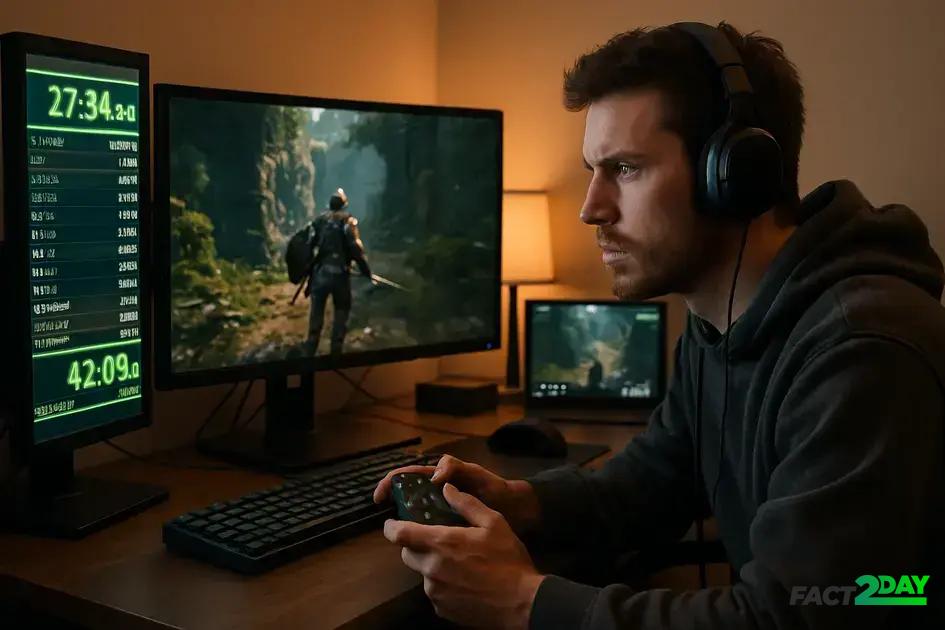
Speedrun culture refers to the dedicated community of gamers who aim to complete video games as quickly as possible. This culture thrives on breaking the usual rules of gameplay by exploiting glitches, shortcuts, and advanced techniques to reduce completion time. It’s not just about playing fast but mastering every nuance of a game to shave off seconds or even milliseconds.
The essence of speedrunning
At its core, speedrunning challenges players to optimize every move. From understanding game mechanics deeply to practicing specific sequences repeatedly, speedrunners refine their skills relentlessly. This pursuit turns gaming into a competitive and highly strategic activity rather than casual play.
A community like no other
The speedrun community is vibrant and supportive, with players sharing strategies, verifying records, and hosting events. Online platforms like Twitch and specialized forums create spaces where speedrunners connect and compete worldwide. Leaderboards and races add excitement, turning speedrunning into a spectator sport as well.
The impact on gaming
Speedrun culture has changed how players and developers view games. Some developers embrace speedrunning, providing built-in timers or recognizing world records. Speedrunners often discover unexpected bugs that lead to new gameplay insights, influencing patches and game design.
The history and evolution of speedruns
The history of speedruns dates back to the early days of gaming when players began timing themselves to complete games faster than others. Originating in the 1990s, speedrunning evolved from informal challenges into a structured practice with dedicated communities and rules.
Early days and grassroots beginnings
Initially, speedruns were shared via simple forums or message boards, where players posted personal records. These early attempts lacked standardization but sparked curiosity and competition. Classic games like Super Mario Bros. and The Legend of Zelda were among the first to be speedrun, setting the stage for future entries.
The rise of online platforms and communities
With the rise of the internet, platforms such as Speed Demos Archive (SDA) and later Twitch created a hub for sharing videos, live streams, and strategies. This development boosted the community’s growth and allowed speedrunners to learn from each other, improving techniques worldwide.
Modern evolution and events
Today, speedrunning enjoys mainstream attention through events like Games Done Quick (GDQ), which combine competition with charity fundraising. These events showcase the skill and dedication of runners while raising awareness and support, solidifying speedrunning’s place in gaming culture.
Innovations such as real-time leaderboards, improved game understanding, and new categories have kept the culture dynamic and evolving. This rich history highlights how speedrunning transformed from niche play to a global phenomenon.
Types of speedruns and their unique challenges
Speedruns come in various types, each with its own rules and challenges that test a player’s skill and creativity. Understanding these different categories is key to appreciating the diversity and complexity within speedrun culture.
Any% speedruns
Any% is the most common and straightforward category. The goal is to finish the game as fast as possible by any means. This often involves exploiting glitches or skipping large parts of the game, challenging players to master unintended mechanics.
100% speedruns
In contrast, 100% speedruns require players to complete all main objectives or collect every item. This demands comprehensive knowledge of the game and excellent execution since skipping or missing anything disqualifies the run.
Glitchless and no major glitches
These categories ban the use of glitches or major exploits. Players must rely solely on intended game mechanics, making the runs more about skillful play and less about game-breaking tricks, which increases the difficulty in optimizing time.
Tool-assisted speedruns (TAS)
TAS runs use software tools to create theoretically perfect runs, inputting precise commands frame by frame. While not done in real-time, TAS highlights what is possible within a game and often inspires strategies for real-time speedrunners.
Race speedruns
Racing involves multiple players competing to finish a game fastest in real-time. This competitive form adds pressure and unpredictability, as runners react to opponents’ progress while maintaining their strategies.
Challenges unique to each type
Each speedrun type requires different strategies. For example, Any% runners must find and exploit glitches quickly, while 100% runners focus on route planning and consistency. Glitchless runs demand flawless execution of intended gameplay, and TAS requires technical planning beyond human reaction times.
Glitches and exploits: bending game rules
Glitches and exploits are crucial elements in speedrun culture that allow players to bend or break the intended rules of a game. These are unexpected behaviors or errors in games that speedrunners use to their advantage to finish faster.
Common types of glitches
There are various glitches like clipping through walls, skipping sections, or manipulating game physics. For example, a player might use a wall clip glitch to skip an entire level, shaving off minutes from the overall time.
Using exploits strategically
Speedrunners carefully practice and time these glitches, as executing them perfectly is challenging. Exploits often require precise inputs and deep understanding of game mechanics, sometimes discovered by accident or through detailed game code analysis.
Risks and community rules
While glitches can speed up runs, they also risk crashes or unexpected failures, making runs inconsistent. Some speedrun categories ban certain exploits to keep runs fair or challenging. Community consensus shapes which glitches are allowed, maintaining a balance between skill and creativity.
Overall, glitches and exploits highlight the ingenuity of speedrunners in pushing games beyond their intended limits, redefining what it means to master a game.
Popular games that fuel the speedrunning community
Many popular games have become staples in the speedrunning community due to their mechanics, length, and fanbase. These games offer unique challenges that attract both casual and professional speedrunners.
Super Mario series
The Super Mario franchise, especially classics like Super Mario 64 and Super Mario Bros., are favorites. Their precise platforming and many secrets provide countless ways to optimize runs and discover new glitches.
The Legend of Zelda series
The Legend of Zelda games such as Ocarina of Time draw speedrunners with their complex puzzles and rich worlds. These games encourage creative routing and the use of glitches to bypass difficult segments.
Metroid series
Metroid games like Super Metroid are known for exploration and sequence breaking. Speedrunners exploit hidden mechanics and glitches to access areas early, drastically changing the game flow.
Dark Souls series
Challenging in combat and platforming, the Dark Souls series is popular for its precise movement and routing challenges. Speedrunners need skill and strategy to master glitches and shortcuts.
Other notable games
Titles like Portal, Celeste, and Resident Evil 2 have vibrant speedrunning communities as well. Each offers unique gameplay mechanics that create diverse speedrun categories and strategies.
The role of streaming and online platforms
Streaming and online platforms have revolutionized speedrun culture by making it more accessible and engaging. Platforms like Twitch and YouTube allow speedrunners to broadcast their attempts live or share recorded runs, connecting with a global audience.
Building community through streaming
Live streams foster interaction between runners and viewers in real-time. Chat functions enable fans to cheer, ask questions, and offer tips, creating a lively and supportive environment. This interaction helps grow the speedrunning community constantly.
Showcasing skill and entertainment
Streaming turns speedrunning into a spectator event. Viewers enjoy watching players execute tricky glitches or nail perfect runs, making speedrunning entertaining beyond just the gameplay. High-profile streams often draw thousands of viewers.
Platforms for learning and collaboration
Online videos and tutorials allow new runners to learn strategies and tricks quickly. Runners often share insights, compare techniques, and discuss game updates on forums and social media, promoting continuous improvement and innovation.
Event streaming and charity
Events like Games Done Quick use streaming platforms to host charity marathons, raising millions while showcasing top-tier speedruns. This synergy between streaming and community events enhances visibility and attracts new participants.
The psychology behind competitive speedrunning
Competitive speedrunning requires more than just skill; it demands strong mental focus, resilience, and a unique mindset. Understanding the psychology behind speedrunning reveals why players push themselves to break records repeatedly.
Focus and flow state
Speedrunners often enter a flow state — a mental zone where they are fully immersed in the game, reacting quickly and efficiently. Maintaining this focus helps them make split-second decisions and avoid costly mistakes.
Motivation and goal-setting
Setting clear goals, such as beating a personal best or world record, provides strong motivation. This drives players to practice tirelessly, learn new techniques, and refine every part of their run.
Dealing with pressure and failure
Speedrunning can be frustrating, as runs often fail due to minor errors or unpredictable factors. Successful runners develop resilience, learning to cope with setbacks and maintain a positive attitude.
Competitive drive and community support
The competitive spirit pushes players to improve continually, while community support offers encouragement and shared knowledge. This balance helps maintain excitement and growth within the culture.
Famous speedrunners and their stories
The world of speedrunning is filled with famous runners whose dedication and skill have made them legends in the community. These speedrunners have pushed the boundaries of what’s possible and inspired countless others.
MajorNelson
Known for his technical skill and entertaining streams, MajorNelson has contributed to popularizing speedrunning through his engaging content and community involvement.
Narcissa Wright
A pioneer in the speedrunning scene, Narcissa gained fame particularly for her runs in the The Legend of Zelda series. Her innovative strategies and emotional storytelling resonated deeply with fans.
Summoning Salt
As a speedrunning historian and documentarian, Summoning Salt creates videos detailing the evolution of speedrunning records, bringing history and context to the community.
Cosmo Wright
With exceptional skill in games like Celeste, Cosmo Wright is known for breaking world records and demonstrating the precision and dedication required at the highest level.
DarkViperAU
DarkViperAU is a versatile runner famous for his charisma and ability to hold records in multiple game categories, showcasing adaptability and expertise.
These speedrunners highlight the diverse talents within the community and their stories reveal the passion that drives speedrunning culture forward.
Tools and techniques used in speedrunning
Speedrunning relies on a variety of tools and techniques that help players optimize their performance and improve their times. These range from software aids to personal skills practiced over countless hours.
Timer and split software
Runners use tools like LiveSplit to track their time and compare splits across segments. These timers provide real-time feedback, helping them analyze and improve specific sections of their runs.
Recording and streaming setups
High-quality recording equipment and streaming software enable runners to capture their runs for verification or share with audiences. Clear visuals and audio are essential for credibility and engagement.
Practice methods and route planning
Speedrunners meticulously plan routes to minimize time spent on unnecessary actions. They break down runs into sections and practice difficult parts repeatedly to build muscle memory and consistency.
Emulators and tool-assisted speedruns (TAS)
Emulators allow runners to rewind or save states, making it easier to practice precise inputs. TAS takes advantage of these features to create perfect runs that human players can study for new strategies.
Community resources and guides
Many runners rely on forums, wikis, and video tutorials to learn new tricks and optimize their strategies. The community constantly updates these resources to reflect new discoveries and rule changes.
Speedrunning communities and events
Speedrunning communities are essential for the growth and support of the culture. They provide spaces where runners share knowledge, organize events, and celebrate achievements together.
Online forums and social media
Platforms like Reddit, Discord, and dedicated speedrunning forums bring together runners from around the world. These spaces allow for discussion of strategies, rule clarifications, and collaboration on improving runs.
Local and regional meetups
In addition to online interaction, many speedrunners participate in local meetups and gaming conventions. These gatherings foster friendships and offer opportunities for in-person races and workshops.
Major speedrunning events
Games Done Quick (GDQ) is the most famous speedrunning marathon, held twice a year to raise money for charity while showcasing top runners. This event attracts thousands of viewers and promotes goodwill alongside competition.
Other tournaments and races
Besides GDQ, there are numerous community-run races and qualifiers that keep the competitive spirit alive. These events cater to various games and skill levels, providing ongoing chances to compete and connect.
The role of charity and community spirit
Many speedrunning events focus on charity, combining entertainment with philanthropy. This unique aspect highlights the positive impact the community has beyond gaming.
The impact of speedruns on game design
Speedruns have influenced game design in many unexpected ways. Developers are increasingly aware of how players engage with games, often inspired by the discoveries and techniques revealed by speedrunning communities.
Encouraging creative play
Speedrunning exposes how players find unique paths and shortcuts. As a result, some developers design games with multiple routes and secrets, encouraging creative and non-linear play styles.
Incorporating timers and leaderboards
Many modern games now include built-in timers, leaderboards, and time-trial modes to support and encourage speedrunning. This integration shows developers’ recognition of the competitive appeal speedruns offer.
Fixing or embracing glitches
Developers face choices about glitches discovered by speedrunners. Some patch out game-breaking bugs to preserve intended experiences, while others embrace glitches as part of game charm, allowing speedrunners to explore unexpected mechanics.
Designing for speedrun categories
Some games create specific speedrun categories or challenges, balancing difficulty and accessibility. This fosters a community around the game and extends its replay value.
Feedback loop between developers and community
The speedrunning community often provides feedback to developers, highlighting exploits and design quirks. This two-way interaction helps shape future updates, patches, and even influences new game development.
Future trends in speedrun culture
The future of speedrun culture promises exciting developments fueled by new technology and expanding communities. As gaming evolves, so does the way speedruns are approached and celebrated.
Advancements in streaming and technology
Better streaming tools and faster internet connections will enhance live broadcasts, making speedruns more accessible and interactive. Virtual reality and cloud gaming may open new possibilities for speedrunning formats.
Growth of diverse communities
Speedrunning is becoming more inclusive, attracting players from various backgrounds and skill levels. New sub-communities focused on different games and genres continue to emerge.
Innovations in game design
Developers are starting to consider speedrunning when designing games, introducing features that cater to both casual players and speedrunners. This trend could lead to official speedrun modes with built-in leaderboards and challenges.
Increased use of machine learning and AI
AI may assist runners in analyzing game data, optimizing routes, and discovering new tricks. Machine learning could also enhance spectator experiences through real-time analytics and predictions.
Expansion of charitable and competitive events
Events like Games Done Quick will grow in size and impact, attracting larger audiences and more sponsors. Competitive speedrunning leagues might become more structured, with professional players and formal rankings.
Understanding and embracing speedrun culture
Speedrun culture is a unique blend of skill, creativity, and community spirit that reshapes how we experience games. It challenges players to break rules and push limits in fascinating ways.
The competitive yet supportive environment keeps the culture dynamic and inclusive, attracting diverse players worldwide. From glitches and exploits to innovative tools and global events, speedrunning continues to evolve and inspire.
As technology and gaming develop, speedrun culture will likely grow, offering new opportunities for entertainment, competition, and collaboration.
Whether you’re a casual gamer or a competitive runner, understanding this culture offers insight into the powerful passion behind breaking the game and logic.