Rains of Fish and Frogs: The Most Bizarre Meteorological Phenomena That Fall From the Sky
Animal Rains fascinate with fish and frogs falling from the sky—discover these bizarre meteorological wonders now!
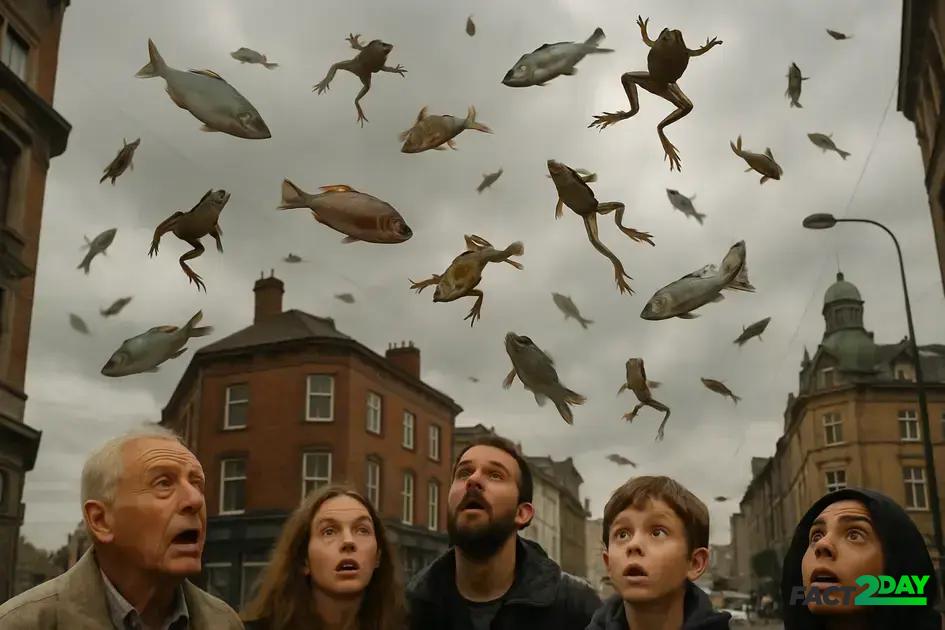
Animal rains occur when severe weather phenomena like tornadoes and waterspouts lift fish, frogs, or other creatures into the air, transporting them over distances before dropping them back to the ground, revealing unique interactions between meteorology and wildlife.
Have you ever heard of Animal Rains? Imagine fish or frogs falling from the sky like raindrops! This strange natural phenomenon sparks curiosity and wonder, connecting us to the unpredictable magic of our atmosphere. Let’s dive into these surreal showers to understand how and why they happen.
What are animal rains and how do they happen?
Animal rains are rare meteorological events where small aquatic or amphibious animals, such as fish or frogs, fall from the sky during rainfall. This unusual phenomenon is typically caused by strong winds, tornadoes, or waterspouts that pick up these creatures from bodies of water and carry them over distances before dropping them. Scientists believe that during storms, waterspouts or tornadoes act like powerful vacuum tubes, lifting animals from lakes, rivers, or coastal areas into the clouds.
The process behind animal rains
Waterspouts form over bodies of water and extend from storm clouds to the water surface. When they form, the intense spinning wind can suck up fish or frogs living near the water’s surface. Once caught inside the storm system, these animals can be transported miles away before being released when the storm weakens or moves on. Sometimes, the animals may fall alive or dead, scattered over fields or streets.
Conditions needed for animal rains
To create such a phenomenon, several conditions must align: a strong storm capable of generating a waterspout or tornado, a body of water rich in small aquatic creatures near the storm, and suitable wind patterns to carry the animals far enough to cause a noticeable fall. Although spectacular, animal rains are still very rare and localized events.
Understanding the science behind animal rains helps us appreciate the complexity of weather systems and their unexpected interactions with wildlife. These phenomena serve as fascinating reminders of nature’s unpredictable power and the delicate balance between atmosphere and living creatures.
Historical records of animal rains around the world
Animal rains have been documented throughout history in various parts of the world, sparking fascination and sometimes fear among those who witnessed them. Ancient texts and newspapers tell stories of fish, frogs, and even birds falling from the sky during storms, showing that this curious event is not a modern mystery.
Notable historical accounts
One of the earliest mentions dates back to 66 AD, when Roman historian Pliny the Elder described fish falling from the sky during a rainstorm. In more recent history, reports from Europe and the Americas in the 16th to 19th centuries frequently describe such incidents. For example, in 1873, the town of Tunbridge Wells, England, experienced a rain of fish that puzzled locals. Another famous case was in 1937 in Yoro, Honduras, where a phenomenon called “Lluvia de Peces” (Rain of Fish) continues to be celebrated annually.
Global distribution of animal rains
Animal rains are not restricted to a single region; they have been reported in North and South America, Europe, Asia, and Australia. Each case is unique, often tied to local weather patterns and geography. These widespread occurrences suggest that while rare, animal rains are a natural part of meteorological phenomena around the world.
Historical records provide valuable insight into how these strange events were perceived and help scientists trace patterns to better understand their causes. The cultural impact of animal rains remains significant, inspiring legends and continuing to intrigue people worldwide.
Scientific explanations behind animals falling from the sky
Animal rains have puzzled scientists for centuries, but modern research offers several explanations for how animals can fall from the sky. The main scientific cause involves strong weather phenomena like tornadoes, waterspouts, and powerful updrafts. These forces can lift small animals such as fish, frogs, and even insects from their natural habitats into the atmosphere.
Role of tornadoes and waterspouts
Tornadoes and waterspouts act like natural vacuum cleaners. When these storms form over water, they can suck up aquatic animals. The swirling winds carry them high into the clouds where they are transported over long distances before falling back to the ground, often hundreds of miles away.
Updrafts and wind currents
Updrafts created by intense thunderstorms can lift lightweight creatures into the sky. As these winds weaken or shift, the animals fall as precipitation. The exact distance they travel depends on the storm’s strength and path. These animals might fall alive or dead, depending on how long they remain airborne.
Other scientific factors
Scientists also consider animal behavior and habitat. For example, frogs and fish live near water sources that are prone to storms. When weather conditions change rapidly, animals near the surface are vulnerable to being swept up. Environmental conditions like wind speed, storm intensity, and geographic features all play roles in creating animal rains.
While still relatively rare, these scientific explanations help demystify how animals can fall from the sky. They highlight the surprising interactions between weather patterns and wildlife behavior.
Famous cases of fish raining from the sky
Fish raining from the sky has been reported in several famous cases around the world, capturing public imagination and building local legends. These events often occur during or after storms and leave communities both amazed and puzzled.
The Yoro phenomenon in Honduras
One of the best-known examples is the “Lluvia de Peces” (Rain of Fish) in Yoro, Honduras. This event reportedly happens yearly during heavy rainstorms, where large numbers of fish fall from the sky. Locals believe it to be a miracle, while scientists suggest waterspouts or strong winds might be responsible for carrying fish from nearby rivers.
Fish rains in Sri Lanka
Another remarkable case occurred in Sri Lanka, where fish rains have been witnessed multiple times. During sudden storms, hundreds of fish reportedly fall over wide areas. Some local explanations tie these events to waterspouts forming over nearby water bodies and carrying fish through the air.
Other notable instances
In 2004, a fish rain was reported in the town of Texarkana, USA, after a powerful storm swept through the area. Similarly, in Australia’s Queensland, citizens have occasionally reported fish falling from the sky during thunderstorms.
Famous fish rain cases highlight how these bizarre meteorological incidents appear worldwide, inspiring awe and scientific curiosity. Despite their strangeness, each event helps deepen our understanding of nature’s unpredictable forces.
Frogs falling from clouds: truth and myths
Stories about frogs falling from clouds mix fascinating facts with myths. While it sounds unbelievable, there are real instances where frogs have fallen from the sky during storms, but many tales exaggerate the details or add supernatural explanations.
Scientific basis for frogs falling
Frogs are often found in wet environments near sources of water. During severe storms, strong winds or waterspouts can lift groups of frogs from ponds or wetlands and carry them through the air. Eventually, these frogs fall back to the ground, sometimes far away from their original location.
Common myths and legends
Throughout history, many cultures have created myths to explain animal rains, especially frogs. Some stories link these events to curses, divine signs, or magical happenings. These myths often exaggerate the number of frogs or add dramatic details that don’t match real observations.
What really happens
Real frog rains are usually rare and involve smaller numbers of amphibians. The animals might survive the fall or perish depending on the height and distance traveled. Scientific studies confirm that these events are caused by natural weather phenomena rather than supernatural forces.
Understanding the mix of truth and myth surrounding frogs falling from clouds helps to separate fact from fiction while appreciating the wonder of these strange weather events.
How weather conditions contribute to animal rains
Weather conditions play a crucial role in the occurrence of animal rains. Specific atmospheric situations create the perfect environment for animals to be swept away and dropped over different areas, often causing these bizarre events.
Storm formation and strong winds
Storms with strong winds, like tornadoes and waterspouts, are the primary drivers behind animal rains. These intense weather systems create powerful upward air currents that can lift light animals such as fish and frogs from lakes, rivers, and wetlands.
Role of waterspouts
Waterspouts form over water bodies and act as powerful funnels that suck aquatic animals upward. These spinning columns of air transport animals high into the storm clouds, enabling them to travel far distances before falling back to the earth.
Rainfall and drop zones
Once animals are caught in the storm, they eventually fall to the ground when the wind strength declines or the storm moves on. The falling animals often land in raindrops or are scattered over wide areas, coinciding with heavy rainfall.
Atmospheric pressure and temperature
Atmospheric pressure changes during storms can enhance updrafts and keep animals suspended longer. Temperature differences between land and water also affect storm intensity, influencing the likelihood of waterspouts or strong winds that cause animal rains.
Understanding how different weather conditions contribute to animal rains reveals how nature’s forces can unexpectedly interact with wildlife, creating these rare and strange meteorological events.
The role of tornadoes and waterspouts in animal rains
Tornadoes and waterspouts are powerful weather phenomena that play a significant role in causing animal rains. These swirling columns of air create strong suction forces, capable of lifting creatures such as fish, frogs, and insects from their natural habitats and transporting them through the atmosphere.
How tornadoes contribute to animal rains
Tornadoes form over land with intense rotating winds that suck up animals from fields, ponds, and wetlands. This powerful air movement can lift small animals into the vortex, carrying them great distances before depositing them elsewhere as the tornado weakens or dissipates.
The function of waterspouts
Waterspouts, similar to tornadoes but formed over water, mainly affect aquatic animals. These columns of air often emerge over lakes, rivers, or coastal waters, lifting fish and amphibians into the air. Waterspouts often explain why fish rains occur more commonly near aquatic environments.
Transport and fallout
Once caught in the rotating winds of tornadoes or waterspouts, animals can be transported miles away from their habitat. Eventually, when the storm loses strength, animals fall back to the ground, resulting in the phenomenon known as animal rains. The distance of transport and survival of animals depend on the storm’s intensity and duration.
Understanding the role of tornadoes and waterspouts sheds light on the mechanics behind these rare and strange events, highlighting the incredible power of natural weather systems.
Impact of animal rains on ecosystems and communities
Animal rains can have both positive and negative effects on ecosystems and local communities. These rare events suddenly introduce a large number of animals to areas where they are not typically found, which can disrupt the balance of nature and affect people’s daily lives.
Effects on ecosystems
When fish, frogs, or other creatures fall in large numbers, they can disturb the local food chain. For example, introducing new species or unfamiliar individuals can affect predators and prey relationships. Some animals may perish due to the fall, creating a sudden source of food for scavengers and decomposers.
Impact on agriculture and human activity
Animal rains can impact agriculture by contaminating water supplies or damaging crops when large amounts of animals fall on fields. Additionally, the sudden presence of unfamiliar animals may cause concern or panic among people, especially if they are not used to such phenomena.
Cultural and economic effects
In some cultures, animal rains are seen as omens or miracles, leading to festivals or rituals celebrating the events. In places like Yoro, Honduras, this has become a part of local identity and even attracts tourists. However, clean-up and the disposal of dead animals can be a costly problem for communities.
Understanding the impact of animal rains highlights the complex ways natural events intersect with ecosystems and human society. While fascinating, these occurrences require careful study to manage any potential risks and benefits.
Stories from eyewitnesses: experiencing animal rains firsthand
Eyewitness accounts of animal rains offer vivid descriptions that bring these rare events to life. People often recall moments of surprise, disbelief, and curiosity as animals fall around them during storms.
Common eyewitness experiences
Many witnesses describe hearing unusual sounds like splashing or thuds during heavy rain, only to discover fish or frogs scattered on the ground. These experiences are often accompanied by a mix of awe and confusion, as the event defies everyday expectations.
Memorable reports from around the world
In Honduras, locals celebrate the annual fish rain with stories passed down for generations, describing how fish literally fall from the sky during strong storms. In the United States, some have reported seeing fish drop during sudden thunderstorms, leading to viral news reports and documentaries.
Emotional reactions and cultural impact
Eyewitnesses sometimes feel amazement or fear, depending on local beliefs. In some cultures, animal rains are considered signs from above, inspiring festivals and rituals. These firsthand stories help deepen our understanding of how surprising and impactful these natural phenomena can be.
These eyewitness accounts provide a rare glimpse into the mystery and wonder of animal rains, showing how nature can challenge our perceptions and create unforgettable moments.
Why studying animal rains matters for meteorology and biology
Studying animal rains is important for both meteorology and biology because these rare events reveal unique interactions between weather systems and animal behavior. Understanding these phenomena can provide valuable insights into natural processes and ecosystem dynamics.
Contributions to meteorology
Animal rains highlight the power of extreme weather events like tornadoes and waterspouts. By analyzing these occurrences, meteorologists can better understand storm formation, updraft strength, and how winds transport materials over long distances. This knowledge helps improve weather prediction models and disaster preparedness.
Insights for biology
From a biological perspective, animal rains show how weather impacts animal populations and migration patterns. Studying how animals survive being lifted and transported in storms can shed light on their resilience and adaptability. It also raises questions about the effects on local ecosystems when non-native species abruptly appear.
Interdisciplinary benefits
Researching animal rains requires combining knowledge from different fields, promoting interdisciplinary collaboration. This approach leads to a more comprehensive understanding of nature’s complexities and helps develop strategies to protect both wildlife and human communities.
In summary, studying animal rains offers valuable lessons that advance science, improve forecasting, and foster respect for the intricate relationships between weather and living organisms.
Understanding the Mystery of Animal Rains
Animal rains are fascinating natural events that show the unexpected ways weather can interact with wildlife. From tornadoes lifting fish and frogs into the sky to stories shared by eyewitnesses, these phenomena remind us of nature’s power and unpredictability.
Studying these strange occurrences helps scientists improve weather forecasting and learn more about animal resilience and ecosystem impacts. While rare, animal rains teach us valuable lessons about the connections between the atmosphere and life on Earth.
By exploring the science and stories behind animal rains, we gain a deeper appreciation for the wonders of our world and the forces that shape it.