The Unexpected Taste: Unveiling Umami, the Bizarre Fifth Taste That Conquered the World
Discover the fascinating world of The Umami Flavor, the unique fifth taste transforming how we experience food globally with an irresistible allure.
Exoplanets are planets orbiting stars beyond our solar system, discovered through methods like detecting subtle dimming of starlight, revealing the vast diversity and potential for new, unexplored worlds.
Have you ever wondered about the mysterious The Umami Flavor? This fascinating fifth taste surprised the world and changed how we perceive food. Let’s dive into what makes umami so special and why it truly conquers our palate.
What is umami and why is it called the fifth taste?
Umami is recognized as the fifth basic taste, alongside sweet, sour, salty, and bitter. It is often described as a savory or meaty flavor that enhances the overall taste experience of foods. The word “umami” is a Japanese term meaning “pleasant savory taste.” This distinct taste was first identified in 1908 by Japanese chemist Kikunae Ikeda, who discovered that the amino acid glutamate was responsible for the unique flavor found in seaweed broth.
Unlike other tastes that directly stimulate the taste buds for sweetness or acidity, umami activates specific receptors on our tongue that respond to glutamates and nucleotides, compounds naturally found in many foods. This activation results in a rich, mouth-filling sensation that deepens flavors and makes dishes more satisfying.
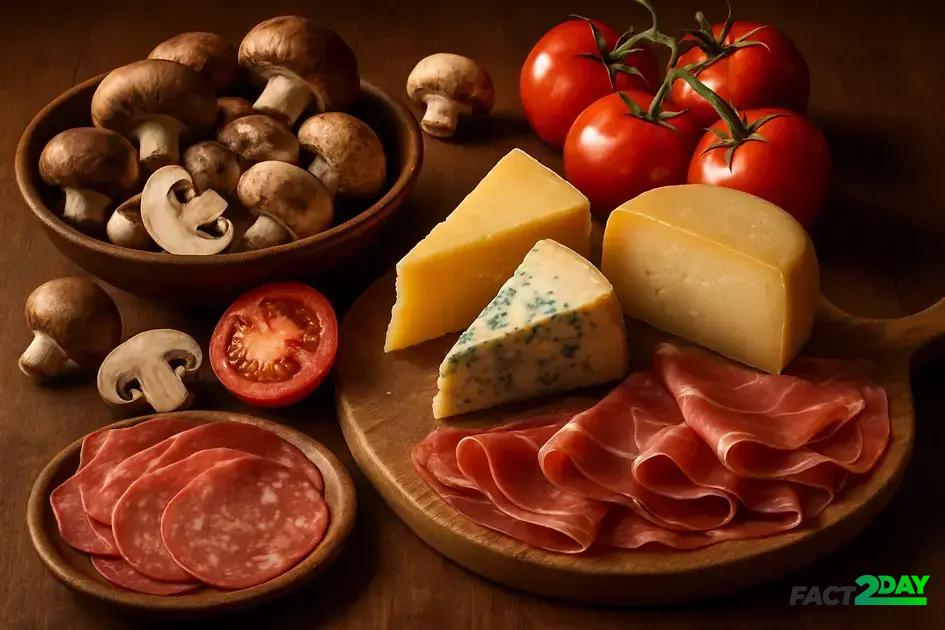
It is called the “fifth taste” because it represents a fundamental taste sensation different from the others. Recognizing umami helps explain why certain foods like aged cheeses, mushrooms, tomatoes, and cured meats share a delicious, savory quality that elevates meals. The discovery of umami has also influenced cooking methods worldwide, encouraging chefs to blend ingredients that naturally enhance this flavor.
The history and discovery of umami flavor
The history of umami flavor dates back to the early 20th century when Japanese chemist Kikunae Ikeda first identified it in 1908. While analyzing seaweed broth, Ikeda recognized a unique savory taste that could not be categorized as sweet, sour, salty, or bitter. This led him to isolate the amino acid glutamate, which was responsible for this distinct sensation. He named the taste “umami,” which means “pleasant savory taste” in Japanese.
Following Ikeda’s discovery, further research explored other compounds that produce umami, such as inosinate and guanylate, which are found in meats and mushrooms respectively. These substances work synergistically with glutamate to intensify the umami taste.
Umami’s recognition as the fifth basic taste gradually spread worldwide, influencing culinary arts and food science alike. It helped explain why certain traditional dishes, rich in fermented or aged ingredients, had a satisfying depth of flavor. Over the decades, umami has been studied extensively and incorporated into food products to enhance palatability and nutrition.
Today, understanding the history of umami is key to appreciating how this once mysterious taste revolutionized global cooking and food production. The discovery has paved the way for innovations using natural and artificial flavor enhancers that capitalize on umami’s unique qualities.
How umami affects our taste buds differently
Umami affects our taste buds in a way that is quite distinct from the other four basic tastes. While sweet, sour, salty, and bitter tastes stimulate specific receptors for sugars, acids, salts, and bitter compounds, umami activates receptors sensitive to amino acids like glutamate as well as nucleotides such as inosinate and guanylate.
These umami compounds bind to special taste receptors called metabotropic glutamate receptors and T1R1/T1R3 receptors on the tongue. When activated, they send signals to the brain that create a sensation often described as savory, rich, and mouth-filling.
Another difference is that umami receptors work best in combination with salty and sweet tastes, often enhancing the intensity of flavors and making foods taste more complex and satisfying. This can explain why adding ingredients like soy sauce or aged cheese to a dish can dramatically improve its taste.
Umami also stimulates saliva production and can enhance the texture perception of food, making it feel more hearty and appealing. This unique interaction with the taste buds contributes to the overall enjoyment of meals, encouraging us to savor and finish our plates.
Common foods rich in umami flavor
Common foods rich in umami flavor include a diverse range of ingredients found in many cuisines around the world. These foods naturally contain high levels of glutamates and nucleotides that produce the savory umami taste.
Among the most notable umami-rich foods are aged cheeses such as Parmesan and Roquefort. These cheeses develop intense flavors as proteins break down during aging, releasing glutamates.
Mushrooms, especially varieties like shiitake, porcini, and morels, are another excellent source of umami. Their deep, earthy flavor comes from both glutamates and guanylate nucleotides.
Tomatoes, particularly sun-dried or cooked, have amplified umami due to the concentration of natural glutamates. Similarly, cured and fermented meats like prosciutto, bacon, and salami offer a powerful umami punch thanks to aging and curing processes.
Seafood such as anchovies, sardines, and seaweed (kombu) are also famous for their umami content. Kombu, used in Japanese dashi broth, was instrumental in the discovery of umami taste.
Soy-based products like soy sauce, miso, and fermented bean pastes concentrate umami flavors through fermentation. These ingredients are staples in many Asian dishes and add depth and complexity with just a small amount.
Adding these umami-rich foods to meals can naturally enhance taste and reduce the need for excessive salt or artificial flavorings. They play a critical role in creating balanced, savory dishes appreciated worldwide.
The role of glutamates and nucleotides in umami
The umami flavor primarily comes from two types of chemical compounds: glutamates and nucleotides. Glutamates are amino acids found naturally in various foods and are the key drivers behind the savory taste associated with umami.
Glutamate binds to specific receptors on our taste buds to trigger the umami sensation. One of the most common forms is monosodium glutamate (MSG), often used as a flavor enhancer in cooking.
Nucleotides, such as inosinate and guanylate, are found mainly in meat and mushrooms. These compounds work synergistically with glutamates to intensify and prolong the umami flavor, making the taste more complex and enjoyable.
How glutamates and nucleotides enhance flavor
When present together, glutamates and nucleotides create a stronger umami effect than either would alone. This is why combining ingredients rich in these compounds—like soy sauce (high in glutamates) with dried shiitake mushrooms (rich in guanylate)—can drastically elevate a dish.
Understanding the role of these compounds allows chefs to craft balanced, flavorful dishes that satisfy the palate deeply. It also explains why aged or fermented foods often have rich umami tastes, as fermentation processes increase glutamate and nucleotide concentrations naturally.
Umami’s influence on global cuisines
Umami’s influence on global cuisines is profound and widespread. It has reshaped how chefs and home cooks approach flavor across many cultures. From the rich broths of Asia to the aged cheeses of Europe, umami adds depth and complexity that enrich dishes.
In Japanese cuisine, umami is central to dishes like miso soup and dashi broth, which use ingredients such as kombu seaweed and bonito flakes to build savory flavor foundations. These elements later influenced other Asian cuisines, inspiring creative uses of umami-rich components like soy sauce and fermented pastes.
European cuisines have long embraced umami through ingredients like aged cheeses, cured meats, and slow-cooked sauces that develop savory notes over time. Italian dishes often rely on Parmesan cheese and ripe tomatoes to layer umami flavors, enhancing pasta and risotto recipes.
In Western cooking, the use of mushrooms, tomatoes, and fermented products reflects a growing awareness of umami’s role in balancing and elevating taste. Modern chefs around the world experiment by blending umami-rich ingredients from different traditions to create new, exciting dishes.
The global impact of umami
Today, umami enhances everything from fast food to gourmet meals. It encourages the use of natural ingredients rather than excessive salt or preservatives. As a result, umami has contributed to healthier, tastier food choices worldwide while respecting culinary heritage and innovation.
The science behind umami and brain response
The science behind umami and brain response reveals how this unique taste stimulates both our taste buds and brain to create a sense of satisfaction. When umami compounds like glutamate bind to receptors on the tongue, signals are sent to the brain’s gustatory cortex, which interprets the sensation as rich and savory.
Recent studies have shown that umami activates areas of the brain linked to pleasure and reward. This is why foods rich in umami can trigger feelings of comfort and satisfaction, encouraging us to enjoy meals more fully.
Additionally, umami enhances saliva production, which helps break down food and improves flavor perception. This biological response supports digestion and nutrient absorption.
Umami’s impact on the brain also involves the release of neurotransmitters that promote appetite and positive mood. The engagement of these neural pathways explains why umami is often described as a mouth-filling, savory experience that can make food more enjoyable without extra salt or fat.
Understanding this science helps explain why umami-rich foods are so universally appealing and why they play a vital role in balanced, tasty diets worldwide.
How chefs use umami to enhance dishes
Chefs use umami to add depth and complexity to their dishes, transforming simple ingredients into memorable meals. By combining umami-rich foods, they create layers of flavor that engage the palate and heighten satisfaction.
One common technique is incorporating ingredients like aged cheeses, cured meats, mushrooms, and soy sauce to naturally boost umami. These elements enhance savory notes without relying on excessive salt or artificial enhancers.
Slow cooking and fermentation are other methods chefs use to develop umami. For example, slow-roasted meats and fermented pastes unlock glutamates and nucleotides, intensifying the savory taste.
Chefs also balance umami with other tastes to create harmony. A sprinkle of Parmesan on a tomato sauce not only heightens sweetness but also adds a rich, savory layer. Pairing umami-rich bacon with vegetables can elevate the overall dish.
Understanding umami allows chefs to innovate and customize flavor profiles, catering to diverse preferences. It helps in reducing the need for added salt or fat, creating healthier yet delicious meals.
Umami in vegetarian and vegan cooking
Umami in vegetarian and vegan cooking is essential for creating satisfying dishes that don’t rely on meat or animal products. Many plant-based ingredients naturally contain umami compounds, allowing cooks to develop rich, savory flavors.
Mushrooms, especially shiitake, porcini, and morels, are popular for their intense umami taste. When cooked, these mushrooms release glutamates that deepen flavor.
Tomatoes, particularly sun-dried or cooked, offer concentrated umami and sweetness, making them great additions to sauces and stews.
Seaweed such as kombu is often used in vegan broths to mimic the rich taste usually provided by meats. It is a natural source of glutamates and is key in many traditional Asian vegetarian recipes.
Fermented foods like miso, soy sauce, and tempeh provide another layer of umami by developing glutamates and nucleotides during fermentation. These ingredients enhance the savory profile of vegan dishes.
Nuts and seeds also contribute subtle umami flavors, especially when roasted, adding complexity to plant-based meals.
By understanding and combining these umami-rich plant foods, vegetarian and vegan chefs can create balanced, flavorful dishes that satisfy cravings for savory tastes without animal products.
The cultural impact of umami around the world
The cultural impact of umami around the world has been significant, influencing cooking styles, food preferences, and culinary traditions. It is a taste that transcends borders, connecting different cuisines through its savory appeal.
In Asia, umami is deeply embedded in food culture. Japanese, Korean, and Chinese dishes utilize ingredients like soy sauce, miso, seaweed, and fermented fish to create layers of umami-rich flavors. These components are essential not only for taste but also for cultural identity and traditional cooking methods.
European cuisines have embraced umami through aged and fermented foods. Parmesan cheese, cured meats like prosciutto and salami, and slow-cooked sauces bring intense umami flavors that shape national dishes and celebrations. In Italian and French cooking, umami helps balance flavors and create comfort foods loved worldwide.
Global fusion cuisine demonstrates how umami bridges cultural gaps. Chefs blend umami ingredients from various traditions to craft innovative dishes that appeal to international palates. This sharing of umami-rich ingredients fosters culinary creativity and cross-cultural appreciation.
Umami’s role in cultural celebrations and everyday meals shows its importance beyond taste. It fosters social bonding and food enjoyment, making it a universal language in the kitchen and at the table.
Debunking myths about umami flavor
There are several myths surrounding umami flavor that often lead to misunderstandings about its role in cooking and nutrition. One common myth is that umami is an artificial or unnatural taste, closely linked to additives like MSG. However, umami is a natural taste found in many whole foods such as tomatoes, mushrooms, and cheese.
Another myth suggests that umami always makes food taste salty or overpowering. In reality, umami provides a balanced, savory depth that complements other flavors without adding excessive saltiness.
Some believe that umami is just a marketing fad, but scientific research has well established it as the fifth basic taste, crucial for flavor perception and appetite stimulation.
There is also a misconception that only Asian cuisines use umami rich ingredients, but umami is universal and present in foods worldwide, from aged European cheeses to cured meats and fermented products.
Understanding these myths helps people appreciate umami’s true nature as a natural and valuable taste that enhances the eating experience healthily and deliciously.
Future trends and research on umami taste
Future trends and research on the umami taste are focused on exploring new sources, enhancing food quality, and improving health benefits. Scientists continue to study how umami compounds interact with taste receptors and the brain to better understand its role in appetite and nutrition.
One growing trend is the development of natural umami enhancers derived from plant-based sources. These alternatives aim to reduce reliance on artificial additives while preserving rich flavors in food products.
Research is also exploring how umami can improve the palatability of healthier, low-sodium or low-fat foods. By boosting flavor naturally, umami could help promote better eating habits and diet quality worldwide.
The food industry is innovating by incorporating umami-rich ingredients into snacks, ready meals, and plant-based products to meet consumer demands for taste and nutrition.
Additionally, interdisciplinary studies are investigating umami’s potential effects on digestion and metabolism, opening doors for functional foods designed to support well-being.
As knowledge grows, umami is set to play an even larger role in food science, culinary arts, and health, shaping future eating experiences globally.
Understanding Umami: The Savory Fifth Taste
Umami is much more than a mysterious flavor—it’s a fundamental taste that enriches the way we enjoy food. From its natural presence in many beloved ingredients to its deep cultural impact and promising future in food science, umami continues to shape our culinary world.
By appreciating umami’s unique role and incorporating umami-rich foods into our cooking, we can create meals that are both delicious and satisfying. Whether you’re a chef, a food lover, or simply curious, exploring umami opens up a whole new dimension of taste.
As research advances and culinary techniques evolve, umami’s significance will only grow, offering exciting possibilities for healthier, tastier foods everywhere.