Oases of Extreme Life: The Most Bizarre Microorganisms That Thrive in Earth’s Most Inhospitable Places
Extreme Microorganisms unlocking secrets of life thriving in Earth's harshest habitats, revealing nature's resilience and wonder.
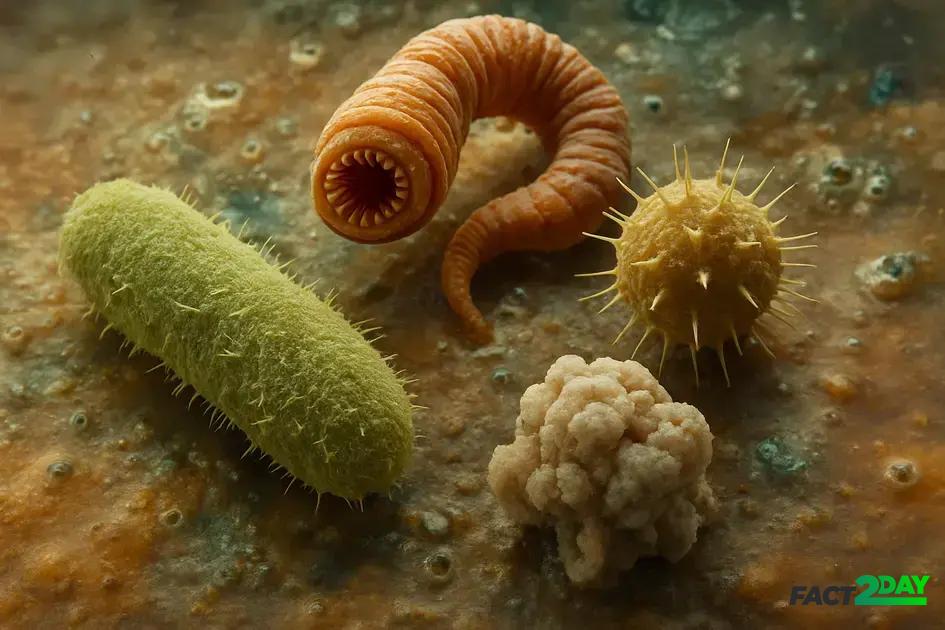
Extreme microorganisms survive in Earth’s harshest environments by adapting unique biochemical and structural traits, revealing life’s resilience and offering insights for biotechnology and astrobiology.
Have you ever wondered how life can thrive in places where it seems impossible? Extreme Microorganisms live in Earth’s most hostile environments, showing us the surprising resilience of life. Join me as we explore these extraordinary beings and their bizarre, fascinating worlds.
What defines extreme microorganisms and their habitats
Extreme microorganisms, also known as extremophiles, are tiny life forms that thrive in environments once thought uninhabitable. These organisms can live in places with extreme temperatures, acidity, salinity, pressure, or radiation levels that would normally be deadly to most life. Such habitats range from boiling hot springs and icy glaciers to highly acidic lakes and deep ocean vents.
These microorganisms have special adaptations that allow them to survive and reproduce under harsh conditions. For example, some produce unique enzymes that function at very high or low temperatures, while others have protective cell membranes that prevent damage from acids or salts.
Extremophiles can be found in different groups, such as bacteria, archaea, and some eukaryotes. Their habitats are diverse, including hydrothermal vents on the ocean floor where pressure is immense and temperatures exceed 400°C, or acidic environments like sulfur springs with pH close to 0. They also live in dry deserts, frozen tundras, and even radioactive waste sites.
Understanding what defines these microorganisms and where they live helps scientists learn about the limits of life on Earth and possibly beyond. Their resilience expands our knowledge of biology and opens doors to new technologies.
Types of extreme environments where microorganisms thrive
Microorganisms that thrive in extreme environments, called extremophiles, inhabit places that challenge most life forms. These environments include extreme heat, like hot springs and hydrothermal vents, where temperatures can exceed 250°F (120°C). Other types include extreme cold, such as polar ice caps and deep ocean waters, where temperatures hover near freezing.
Some extremophiles live in highly acidic or alkaline waters, with pH levels ranging from nearly 0 to above 11. These areas include sulfuric acid-rich hot springs and soda lakes. High-salt environments, like salt flats and hypersaline lakes, host halophiles that flourish where salt concentrations are ten times higher than seawater.
Microorganisms also inhabit places with intense pressure, such as deep-sea trenches reaching depths over 6 miles (10 kilometers). These piezophiles adapt to crushing forces that would normally damage cells. Radiation-resistant microbes can survive in areas with high radiation levels, such as nuclear waste sites or outer space.
Dry environments like deserts and caves also shelter specialized microorganisms. These organisms conserve water and endure prolonged drought, enabling survival in some of the driest places on Earth. Each environment requires unique adaptations, making the diversity of extreme habitats a testament to life’s incredible versatility.
How extreme microorganisms adapt to harsh conditions
Extreme microorganisms have evolved remarkable strategies to survive harsh environments that would kill most life forms. One key adaptation is the production of special proteins and enzymes that function under extreme heat, cold, acidity, or salinity. These molecules remain stable and active when normal proteins would break down.
Many extremophiles alter their cell membranes to protect against damage. For example, microbes living in hot environments have membranes with unique lipids that remain intact despite high temperatures. Others produce protective sugars or pigments to shield against radiation or dehydration.
Some microorganisms form endospores or dormant states to survive periods of extreme stress, reactivating when conditions improve. Others pump out excess salts or toxins to maintain internal balance in salty or toxic habitats.
Genetic adaptations also play a role. Many extremophiles have genes that repair DNA damage quickly or help proteins fold correctly. These adaptations allow them to thrive where life seems impossible, revealing nature’s resilience and resourcefulness.
The role of extremophiles in Earth’s ecosystems
Extremophiles play a vital role in Earth’s ecosystems by supporting unique food webs and driving crucial biogeochemical cycles. In habitats like hydrothermal vents, these microorganisms serve as primary producers, converting chemical energy into organic matter through chemosynthesis. This process fuels diverse communities of animals and other microbes.
These organisms also contribute to nutrient cycling by breaking down tough materials and recycling elements like carbon, nitrogen, and sulfur. Their metabolic activities help maintain ecosystem balance, even in harsh conditions where other life forms cannot survive.
Extremophiles can influence soil formation and fertility in deserts and arid regions by decomposing organic matter and fixing nitrogen. Their presence promotes the growth of plants and other organisms adapted to these extreme environments.
Studies show that extremophiles impact climate regulation by processing greenhouse gases and participating in the carbon cycle. These tiny life forms support biodiversity and ecosystem stability, making them essential players in Earth’s complex web of life.
Discovering extremophiles in hot springs and hydrothermal vents
Hot springs and hydrothermal vents are some of the most fascinating locations for discovering extremophiles. These environments are characterized by high temperatures, often reaching above 80°C (176°F), and are rich in minerals and chemicals. Extremophiles found in these places have unique adaptations that allow them to survive and thrive.
In hot springs, thermophilic bacteria and archaea use heat-tolerant enzymes to metabolize organic and inorganic materials. They often form colorful microbial mats that can be seen as layers on the surface of the water. These mats include a mix of microorganisms working together in a community.
Hydrothermal vents, located deep on the ocean floor, emit superheated water loaded with minerals and chemicals. Chemosynthetic extremophiles here convert these chemicals into energy, forming the base of a complex ecosystem. These microbes support larger organisms such as tubeworms, clams, and shrimp, creating oases of life in the dark, high-pressure ocean depths.
Discovering extremophiles in these settings involves deep-sea exploration and advanced sampling techniques. Scientific studies continue to reveal new species, expanding our understanding of life’s diversity and resilience in extreme places.
Survival tactics of microorganisms in acidic and alkaline waters
Microorganisms surviving in acidic and alkaline waters use specialized strategies to cope with extreme pH levels that can damage cells. Acidophiles thrive in waters with pH values as low as 1, while alkaliphiles survive in environments with pH above 9.
One key survival tactic is maintaining internal pH balance. These microorganisms regulate their cell membranes to prevent harmful ions from entering and actively pump protons or hydroxide ions in or out to keep their cytoplasm near neutral pH.
They produce unique enzymes that function optimally at extreme pH, allowing essential metabolic processes to continue. Additionally, acidophiles often have robust protective layers around their cells that prevent acid damage.
Alkaliphiles often synthesize special cell wall components and proteins that stabilize their cellular machinery in high-pH conditions. They also use efficient transport systems to import nutrients despite the challenging external environment.
These adaptations allow microorganisms to not only survive but flourish in some of the harshest aquatic habitats on Earth, from acidic sulfur springs to soda lakes rich in alkaline minerals.
Microorganisms thriving in freezing and arid environments
Microorganisms thriving in freezing and arid environments have evolved remarkable adaptations to survive extreme cold and dryness. In freezing habitats like glaciers and polar ice caps, psychrophiles produce special proteins called antifreeze proteins that prevent ice crystals from forming inside their cells. This helps protect their cellular structures from damage.
Many of these microbes slow down their metabolism significantly during freezing periods to conserve energy. Some can remain dormant for years until conditions improve. They also modify their cell membranes to stay flexible and functional at low temperatures.
In arid environments such as deserts, microorganisms face the challenge of water scarcity. These microbes have thick cell walls and produce extracellular substances that help retain moisture. They may also form biofilms, which are slimy layers that protect them from dehydration.
Dormancy and spore formation are common tactics, allowing microbes to survive long dry spells. When rare rainfall occurs, these microorganisms rapidly become active, reproduce, and carry out essential functions.
Together, these survival strategies enable microbes to inhabit some of the planet’s harshest frozen and desert landscapes, sustaining ecosystems where larger life forms struggle to survive.
The impact of radiation-resistant microorganisms
Radiation-resistant microorganisms have the remarkable ability to survive high levels of ionizing radiation that would destroy most other life forms. These microbes use several strategies to protect and repair their DNA from damage caused by radiation exposure.
One key adaptation is the presence of efficient DNA repair mechanisms that quickly fix breaks and mutations. For example, Deinococcus radiodurans can restore its genome even after severe damage. This microbe also produces antioxidants that neutralize harmful free radicals generated by radiation.
Additionally, radiation-resistant microorganisms often have tightly packed DNA that protects it from damage, and proteins that shield vital cellular components. Their cell walls can be thicker or more complex to block radiation penetration.
These microbes are found in environments with high radiation, such as nuclear waste sites, outer space, and deserts with intense sunlight. Studying their survival tactics helps advance fields like bioremediation, developing radiation therapies, and astrobiology.
How extreme microbes inform astrobiology and space exploration
Extreme microbes offer valuable insights for astrobiology and space exploration by showing how life can survive in conditions similar to those found on other planets and moons. Their ability to endure extreme temperatures, radiation, and lack of water helps scientists understand the potential for life beyond Earth.
These microorganisms serve as models for studying the limits of life. By examining how microbes survive in harsh Earth environments, researchers can identify biosignatures—signs of life—that might be detected on Mars, Europa, or other celestial bodies.
Space missions use knowledge from extremophiles to design experiments and tools for searching life in space. For example, understanding how microbes protect their DNA against radiation informs ways to safeguard astronauts and equipment.
Experiments with extreme microbes in simulated space conditions have revealed survival mechanisms useful for future long-term space travel. This research also supports the development of bio-regenerative life support systems for sustaining human presence in space.
Biotechnological applications of extreme microorganisms
Extreme microorganisms have valuable biotechnological applications due to their ability to thrive in harsh environments. Their unique enzymes, called extremozymes, can perform chemical reactions under extreme conditions like high heat, acidity, or salinity, making them useful in various industries.
In the pharmaceutical industry, extremophiles provide novel compounds for developing new antibiotics and drugs. Their resilience and unique biochemistry offer potential treatments for human diseases and infections.
Extreme microbes also play a role in environmental biotechnology. They help break down pollutants in contaminated soils or waters, even when conditions are harsh. This makes them essential for bioremediation projects to clean up oil spills, heavy metals, and radioactive waste.
In industrial processes, extremozymes improve the efficiency of biofuels production by working at high temperatures, reducing costs. They are also used in food processing, detergents, and textile industries due to their stability and effectiveness under conditions that would inactivate normal enzymes.
The study of extreme microorganisms continues to reveal new possibilities for sustainable technologies, making them valuable resources for future innovations.
Challenges in studying extremophiles and their environments
Studying extremophiles and their environments presents unique challenges. These microorganisms often inhabit remote, harsh locations like deep-sea vents, acidic springs, or frozen tundras, making access difficult and expensive. Specialized equipment and techniques are required to collect samples without contamination.
Maintaining conditions during transport and laboratory study is another major hurdle. Extremophiles depend on precise environments, such as high pressure or extreme temperatures, which must be replicated to keep them alive and active for research.
The diversity and slow growth rate of extremophiles also complicate identification and cultivation. Many extremophiles are not yet culturable with current methods, limiting the ability to study their biology in detail.
Advanced molecular techniques help overcome some challenges by allowing DNA and RNA analysis directly from environmental samples. However, interpreting this data requires sophisticated bioinformatics tools and expertise.
Despite these difficulties, ongoing technological advances are expanding our understanding of extremophiles and opening new frontiers in microbiology and biotechnology.
Future prospects for research on extreme microorganisms
Research on extreme microorganisms holds great promise for the future, revealing new possibilities in science and technology. Advances in genetic sequencing and bioinformatics are enabling scientists to discover previously unknown extremophiles and understand their unique adaptations.
New cultivation techniques may help grow microbes that are currently unculturable, expanding our knowledge of their biology. This could lead to breakthroughs in medicine, industry, and environmental management.
Emerging fields like synthetic biology aim to harness extremophiles’ capabilities by designing microbes with tailored traits for specific applications. These may include producing biofuels, biodegradable plastics, or novel pharmaceuticals.
Space exploration will continue to benefit from extremophile research, as scientists investigate the limits of life and potential habitats beyond Earth. Extremophiles may also play a role in sustaining human life during long-term missions.
Collaborative global efforts and technological innovations will drive these advances, helping us unlock the full potential of extreme microorganisms and their vast, untapped resources.
Understanding extreme microorganisms opens new doors
Extreme microorganisms show us how life can adapt to Earth’s harshest places. Studying these tiny survivors helps us learn about life’s limits and opportunities beyond our planet.
Their unique abilities offer valuable tools for medicine, industry, and environmental solutions. As research advances, these incredible microbes will continue to inspire innovation and deepen our knowledge of nature’s resilience.
Exploring extreme microorganisms is a fascinating journey with wide-ranging benefits for science and society. Embracing their potential could lead to discoveries that change the way we live and understand life itself.