The Palate of Power: The Most Bizarre and Secret Eating Habits of History’s Dictators
Discover the intriguing world of Dictators Secret Cuisine, unveiling the bizarre and secret eating habits that shaped history's most powerful leaders.
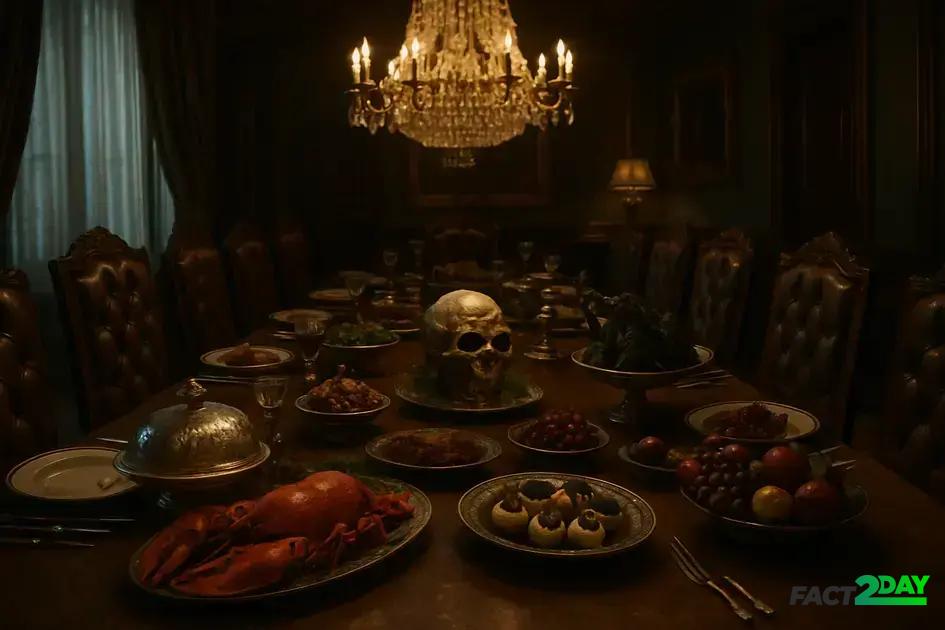
Dictators’ secret cuisines reveal unique eating habits that intertwine power, paranoia, and cultural symbolism, exposing how food became a tool for control, image, and political strategy throughout history.
Have you ever wondered about the bizarre and secret world of Dictators Secret Cuisine? These leaders’ eating habits reveal a curious glimpse into their personalities and the hidden strategies behind their power. Let’s dive into this fascinating topic together!
The influence of food on dictators’ power and image
Food has always played a symbolic role in power, and dictators often used their eating habits to reinforce their authority and image. The way these leaders ate, what they chose to consume, and their dining settings were carefully crafted to communicate power, wealth, and control. For example, lavish banquets could impress allies and intimidate rivals, while simple meals might be portrayed to connect with the common people.
Food as a Status Symbol
Dictators frequently surrounded themselves with extravagant foods that were unavailable to the general population. Rare spices, exotic meats, and imported delicacies were common features in their diet. These foods emphasized their elevated status and the vast resources at their disposal.
Dining as Propaganda
The presentation of food and dining events was also a powerful propaganda tool. Publicized meals, carefully staged photographs, and detailed menus were designed to project images of strength, health, and control. For instance, images of a leader refusing certain foods or demonstrating moderation could suggest discipline and moral superiority.
Controlling Access through Food
Food control was another aspect of power. Dictators could manipulate access to food as a means to reward loyalty or punish dissent. Their secret or preferred cuisine could become an exclusive privilege seen as part of their inner circle.
Understanding the connection between food and power helps us uncover how dictators maintained control beyond politics and military strength.
Unusual dietary restrictions and preferences of infamous leaders
Many dictators had unusual dietary restrictions and preferences that reflected their personalities, health concerns, or cultural beliefs. These habits often seemed strange to outsiders but held special meaning within their personal realms.
Strict Dietary Limits
Some leaders followed strict diets either for health reasons or superstition. For example, Adolf Hitler reportedly preferred vegetarian meals, avoiding meat entirely in his later years. This choice was linked not only to health but also to his belief in purity and control.
Fear of Poisoning
Due to constant threats, some dictators insisted on elaborate food testing procedures. Joseph Stalin, for instance, had his food tasted by a personal chef and often avoided certain foods considered risky. Such restrictions could influence what was allowed on their menus, leading to surprisingly limited yet carefully selected options.
Preference for Simple or Exotic Foods
While some preferred simple, bland meals to demonstrate discipline, others favored rare and exotic ingredients to display their wealth and status. Saddam Hussein enjoyed elaborate Middle Eastern dishes with high spices, whereas Mao Zedong kept a more modest Chinese diet.
Understanding these peculiar eating habits reveals how much control and symbolism food represented in the lives of infamous leaders.
The role of secret chefs and personalized menus
Many dictators relied heavily on secret chefs who prepared their meals privately, away from public eyes. These chefs were trusted with crafting personalized menus that catered to the leader’s specific tastes, dietary restrictions, and security concerns. Their role was not only culinary but also protective, as they ensured food safety and secrecy.
Exclusive Culinary Staff
Secret chefs often operated within elite kitchens, using top-tier ingredients and special cooking methods. They had to balance creativity with caution, customizing dishes that satisfied the leader’s preferences while avoiding anything that might cause illness or suspicion.
Personalized Menus as Power Symbols
Menus were tailored to reflect the dictator’s image, sometimes including symbolic ingredients or dishes associated with strength and control. Personalized menus reinforced exclusivity and the idea of the leader’s unique status, separated from ordinary citizens.
Food Preparation and Security
Given the constant fears of poisoning or assassination, food preparation had strict protocols. Chefs often worked under surveillance and in sealed environments. The complex relationship between culinary art and security made their job both demanding and vital.
Secret chefs and personalized menus show how food was intertwined with strategy, trust, and the projection of power.
Paranoia and food safety: extreme measures taken
Paranoia about food safety was common among dictators, leading to extreme measures to protect themselves from potential poisoning or sabotage. Their fears shaped stringent protocols around food preparation and consumption.
Strict Food Testing
Many leaders required that their meals be tasted by trusted aides or professional tasters before they ate anything. This effort aimed to detect poison or harmful substances early. Sometimes, multiple tasters would sample the food in sequence to ensure safety.
Controlled Food Sources
To prevent contamination, dictators often restricted where their food was sourced. Ingredients came from select, reliable vendors, or were grown in private gardens. This reduced the risk of tampering during transport or preparation.
Secure Kitchens and Staff Vetting
Kitchens were heavily secured areas with strict access controls. Staff were carefully vetted and monitored to minimize risk. Cooking often happened under supervision or in isolation to prevent any malicious acts.
These intense precautions reveal how deep distrust and fear influenced the eating habits of history’s most powerful and paranoid leaders.
Exotic and rare foods favored by dictators
Dictators often favored exotic and rare foods as a way to showcase their wealth, power, and unique tastes. These delicacies were sometimes imported from distant lands and reserved exclusively for their tables.
Symbolism of Rare Ingredients
Rare foods like caviar, truffles, and expensive seafood were more than just meals; they were symbols of luxury and exclusivity. Serving such dishes sent a clear message about the leader’s superior status and access to resources.
Unique Regional Delicacies
Some dictators incorporated regional specialty dishes into their menus to emphasize their cultural roots or political power. For example, certain spices or preparation methods highlighted their connection to national identity while demonstrating opulence.
Use of Exotic Animals and Plants
Their menus sometimes included rare animals or plants that were difficult to obtain. This further demonstrated control over nature and life. For example, some indulged in dishes made from exotic birds or fruits cultivated in private gardens.
These exotic and rare foods illustrated how dictators used cuisine as a symbol of power and distinction.
Symbolism behind specific meals and ingredients
Specific meals and ingredients were often chosen for their symbolic meaning by dictators. Food was a way to communicate messages of power, unity, or ideology without words.
Meals as Political Statements
Dictators sometimes used certain dishes to represent their country’s strength or their own authority. Traditional or national foods served during important events highlighted patriotism and cultural pride.
Ingredients with Deeper Meaning
Rare or precious ingredients symbolized wealth, control, and exclusiveness. Ingredients associated with fertility, longevity, or victory were also common, meant to show the leader’s desired traits or aspirations.
Use of Ritual and Ceremony
The way food was presented and consumed could turn meals into rituals, reinforcing hierarchy and respect. Some meals included symbolic acts, like toasting or breaking bread, to strengthen loyalty among followers.
Understanding the symbolism behind these meals reveals how dictators used cuisine as a tool for power and influence.
Impact of secret cuisine on political decisions and alliances
Secret cuisine played an important role in shaping political decisions and alliances among dictators. The choice of meals during private banquets often went beyond mere dining, impacting diplomacy and trust.
Food as a Diplomatic Tool
Dictators used exclusive meals to create atmospheres of trust and camaraderie with allies. Sharing rare or personalized dishes could symbolize goodwill and strengthen political bonds.
Negotiations Over Meals
Many critical political decisions were discussed in settings where secret cuisine was served. The carefully curated food helped set the tone, making discussions smoother or signaling status and intentions.
Exclusive Access and Favoritism
Access to secret cuisine and private banquets was often a sign of political favor. Those invited to such meals were seen as trusted insiders, and this could influence power dynamics within regimes.
Understanding how secret cuisine influenced politics reveals a hidden layer of strategy in historical alliances and power plays.
Famous anecdotes of food-related incidents in dictatorships
Throughout history, food-related incidents in dictatorships have sparked intrigue and sometimes controversy. These anecdotes reflect the tension, paranoia, and quirks of authoritarian regimes.
The Poisoning Fears and Attempts
Many dictators were obsessed with the fear of being poisoned. For instance, Saddam Hussein reportedly had his food tasters because of constant threats. There are stories of attempted poisonings and the extreme precautions rulers took to avoid harm.
Lavish Banquets Amidst Hardship
In some regimes, dictators enjoyed enormous feasts while their populations faced hunger. This contrast often became a point of criticism and folklore, showing the disconnect between rulers and their people.
Unusual Eating Habits and Rituals
Several dictators displayed eccentric eating behaviors. For example, Benito Mussolini was said to eat quickly and silently, while Joseph Stalin preferred very simple meals but maintained a strict routine.
The Role of Food in Power Struggles
Food was sometimes used as a weapon within dictatorships. Withholding food could punish enemies or reward loyalty. Stories exist of leaders controlling food access to maintain control over their inner circles.
These famous anecdotes reveal how deeply intertwined food was with the dynamics of dictatorship power.
How food was used as propaganda and control
Food was a powerful tool for propaganda and control in many dictatorships. Leaders used cuisine to shape public perception and enforce loyalty through carefully staged meals and public food distribution.
Food as a Symbol of Generosity
Dictators often showcased large food supplies and public feasts to portray themselves as providers for the people. These displays helped build an image of benevolence and strength, even during times of scarcity.
Control Through Food Distribution
Access to food was tightly controlled. Rations could be used to reward supporters or punish dissenters. By managing food resources, dictators maintained social order and reinforced their power.
Publicity of Meals
Official photos and news reports about the leader’s meals were used to project health, vigor, and discipline. Showcasing a leader’s diet was a way to inspire admiration or fear among the population.
These strategies show how food extended beyond nourishment to become a tool for political manipulation and social control.
Comparing the cuisines of dictators across different cultures
Dictators across different cultures had unique cuisines that reflected their backgrounds, personal preferences, and political messages. Comparing these cuisines reveals both contrasts and surprising similarities.
European Dictators
Leaders like Hitler and Mussolini favored diets shaped by their cultural roots. Hitler reportedly leaned towards vegetarianism and simple meals, while Mussolini enjoyed hearty Italian dishes. Both used food to promote national pride.
Middle Eastern and Asian Leaders
Dictators such as Saddam Hussein and Mao Zedong preferred traditional, regional foods. Saddam’s meals were rich and spiced, reflecting Middle Eastern tastes, while Mao’s diet was more modest, staying true to Chinese culinary traditions.
Use of Cuisine as Political Symbolism
Despite cultural differences, many dictators used cuisine to symbolize power and unity. Whether lavish banquets or simple traditional food, the meals were carefully curated to send clear messages to their people.
These culinary comparisons highlight how food was adapted culturally yet served similar roles in reinforcing control and identity.
The legacy and myths behind dictators’ eating habits
The eating habits of dictators are often surrounded by myths and legends that shape how history remembers them. These stories mix fact and fiction, reflecting curiosity and fear about these powerful figures.
Common Myths
Many tales exaggerate or invent peculiar habits, like extreme diets or bizarre food preferences. For example, the myth that Hitler was a strict vegetarian is debated, with some evidence supporting and some contradicting it.
Impact on Public Image
These food-related myths often influenced the image dictators projected. Some deliberately cultivated eccentric eating behaviors to seem disciplined or intimidating, while others became subjects of rumors spreading through their regimes.
Enduring Legacy
The fascination with these eating habits continues today, inspiring books and documentaries. They offer a unique lens into the personal lives of dictators, blending reality with storytelling.
Examining these myths helps us understand how food became entwined with the personalities and legacies of history’s most notorious rulers.
Understanding the power of food in dictatorships
The strange and secret eating habits of dictators reveal much about their personalities and the ways they wielded power. Food was not just nourishment; it was a tool for control, symbolism, and propaganda.
By exploring their unique diets, secret chefs, and food-related rituals, we gain insight into the fears, ambitions, and strategies behind these leaders’ rule. This culinary lens offers a fascinating glimpse into history’s most powerful figures.
Learning about these habits helps us better understand the complex relationship between power and daily life. It reminds us that even something as simple as food can carry great meaning and impact.
So next time you think about history, remember the palate of power and how food shaped the fate of nations.