The Crystal Caves: Where Nature Sculpted Brilliant Giants in Earth’s Depths
Discover the mesmerizing beauty of Giant Natural Crystals hidden deep within Earth's caves, revealing nature's brilliant sculptures.
Exoplanets are planets orbiting stars beyond our solar system, discovered through methods like stellar light dimming, revealing diverse worlds and expanding our understanding of the galaxy’s vast and varied nature.
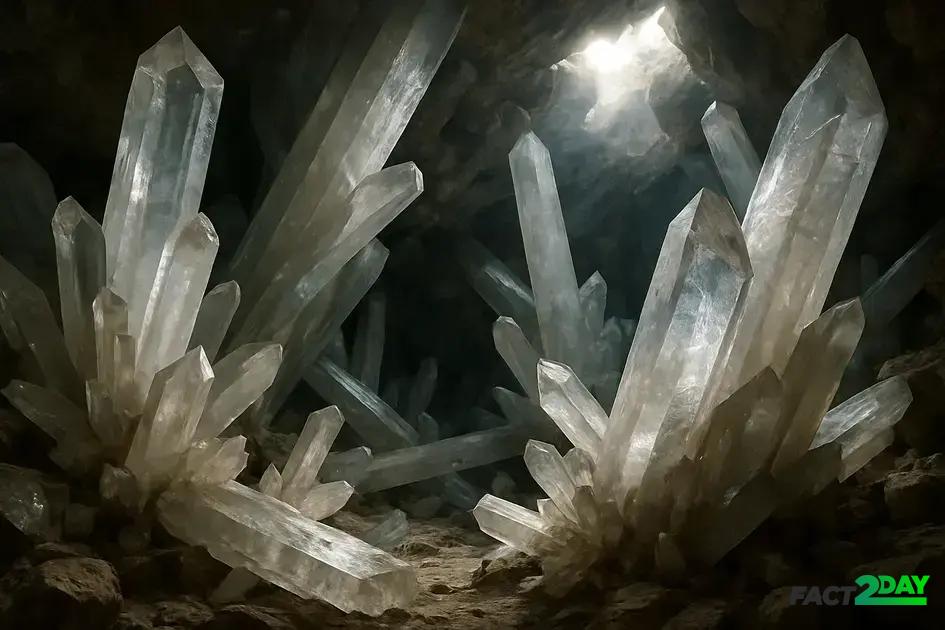
Have you ever marveled at the breathtaking wonder of Giant Natural Crystals? These colossal structures hidden beneath the Earth’s surface reveal nature’s incredible artistry in the depths. Join me as we explore their secrets and the magic they hold!
The formation of giant natural crystals: geological processes explained
Giant natural crystals form over thousands to millions of years through a series of geological processes deep within the Earth. It all begins when mineral-rich water seeps into underground cavities or fractures. Over time, as conditions like temperature and pressure change, minerals slowly crystallize from the solution, growing layer by layer.
Role of Saturated Solutions
When water becomes saturated with elements such as silica, calcium, or gypsum, it starts to deposit these minerals along cavity walls. This slow deposition is key to forming the large, well-defined crystals seen in famous caves worldwide.
Temperature and Pressure Influence
Stable temperature and pressure conditions allow crystals to grow uninterrupted. Sudden changes can stop growth or cause fractures in crystals. The crystals’ size depends largely on how long these ideal conditions persist.
Growth Rates and Time
Sometimes crystals grow just a few millimeters per year, which is why some giant crystals are considered geological marvels that represent patience of nature. Their growth requires a delicate balance of chemical environment, fluid presence, and space to expand.
Understanding these processes helps scientists predict where giant crystals might be found and how to protect them. These natural wonders show how Earth’s chemistry and physics combine to sculpt spectacular mineral formations.
Famous crystal caves around the world: stunning natural wonders
Famous crystal caves around the world draw visitors with their breathtaking displays of nature’s artistry. One of the most renowned is the Cave of the Crystals in Naica, Mexico, known for its enormous selenite crystals that reach up to 36 feet in length. These giants were formed over half a million years under stable, hot conditions.
The Crystal Cave of Giants: Naica, Mexico
This cave is a natural wonder with gigantic, transparent crystals that glow under natural light. Its extreme temperatures and humidity make it a challenging environment for exploration but a spectacular place to witness crystal growth on a massive scale.
Lechuguilla Cave, USA
Located in New Mexico, this cave features stunning gypsum and calcite crystals, some delicate and needle-thin, others bulbous and intricate. Its unique formations make it a favorite among speleologists.
The Emerald Cave, Ireland
Known for its vivid green crystals, this cave offers a rare glimpse into underwater crystal formations. The crystals shimmer as light hits them, creating a mystical visual experience.
Many of these caves are protected as natural monuments due to their geological rarity and fragile ecosystems. Visiting them requires special permits and strict guidelines to preserve their pristine condition. These caves showcase the diversity of crystal formations around the globe and inspire awe for the slow, natural processes that create them.
The minerals behind giant crystals: quartz, selenite, and more
Giant natural crystals come from a variety of minerals, each with unique properties that influence their shape, size, and color. Among the most common minerals are quartz, selenite, and gypsum, each contributing to spectacular crystal formations worldwide.
Quartz
Quartz is one of the most abundant minerals on Earth and forms crystals that can grow very large under the right conditions. These crystals are typically transparent or milky white and have a hexagonal structure. Quartz crystals are prized for their clarity and hardness, making them popular in jewelry and electronics.
Selenite and Gypsum
Selenite is a variety of the mineral gypsum and is known for its translucent, silky appearance. These crystals can grow into massive formations, such as those found in Mexico’s famous caves. Selenite crystals are softer and more delicate than quartz but can reach impressive sizes due to slow growth in stable environments.
Other Minerals
Besides quartz and selenite, other minerals like calcite, fluorite, and amethyst contribute to the diversity of giant crystals. Calcite forms a variety of shapes and colors, fluorite is known for its vibrant hues, and amethyst is a purple variety of quartz cherished for its beauty.
The combination of mineral type, environmental factors, and time all play crucial roles in the formation of these giant crystals. Understanding the minerals behind giant crystals helps us appreciate the complexity and wonder of Earth’s natural sculptures.
How crystal caves impact local ecosystems and tourism
Crystal caves have a profound effect on local ecosystems and tourism, shaping natural habitats and attracting visitors worldwide. These caves often harbor unique microenvironments where specialized plants and animals thrive. The stable temperature and humidity create a delicate balance that supports rare species.
Ecological Importance
Crystal caves provide habitats for various organisms, including bats, insects, and microorganisms not found elsewhere. Their preservation is vital to maintaining biodiversity. Any disturbance to these environments can have significant consequences for the ecosystem.
Tourism Benefits and Challenges
Tourism around crystal caves generates economic benefits for local communities. Visitors travel to witness these natural wonders, supporting jobs in guiding, hospitality, and conservation. However, increased foot traffic can also threaten caves’ fragile structures and ecosystems if not managed properly.
Conservation Efforts
To protect both the caves and their ecosystems, strict regulations and controlled access are often enforced. Educational programs raise awareness about sustainable tourism, ensuring that crystal caves remain pristine for future generations to appreciate.
The balance between tourism and conservation illustrates the importance of respecting nature’s fragile creations while enjoying their beauty and mystery.
The science behind crystal growth in Earth’s depths
The growth of crystals deep within the Earth is a fascinating natural process driven by specific scientific principles. It begins when minerals dissolve in hot, mineral-rich fluids that travel through cracks and cavities in rocks. As these fluids cool or evaporate, the minerals start to crystallize.
Supersaturation and Nucleation
Supersaturation occurs when the concentration of minerals in the fluid exceeds what can remain dissolved, prompting the start of crystal formation. The initial step, called nucleation, is when tiny mineral particles gather together to form a stable base for further growth.
Growth Mechanisms
Once nucleation happens, atoms or molecules continue arranging themselves in an orderly pattern on the crystal surface. This process depends on factors like temperature, pressure, and the availability of mineral components. Steady, unchanging conditions encourage larger and more perfect crystals.
Role of Environmental Conditions
Temperature and pressure deep underground are crucial. Higher temperatures can speed up chemical reactions, while pressure affects how minerals dissolve and crystallize. Any fluctuations can alter the shape and size of the crystals or even halt their growth.
The science behind crystal growth highlights the delicate balance required for these natural wonders to form, revealing Earth’s dynamic interior and the slow but intricate choreography of mineral assembly.
Exploring the role of temperature and pressure in crystal formation
Temperature and pressure are two key environmental factors that directly influence the formation and size of natural crystals deep within the Earth. These elements affect how minerals dissolve, move, and solidify within underground cavities.
Temperature Effects
High temperatures increase the solubility of minerals in water, allowing more mineral-rich fluids to flow through rock spaces. As the fluids cool, minerals begin to crystallize out of solution. Slow cooling supports the growth of larger, clearer crystals by giving molecules time to arrange properly.
Pressure Influence
Pressure affects the physical state of minerals and the chemical reactions that produce crystals. Higher pressure can push minerals closer together, aiding crystal growth by increasing density. Changes in pressure may cause crystals to form different shapes or lead to fractures.
Combined Impact
The interaction between temperature and pressure must be stable for giant crystals to thrive. Fluctuations can interrupt growth or cause crystal damage. These conditions vary by depth, geological setting, and fluid chemistry, creating diverse crystal formations over time.
Understanding the role of temperature and pressure in crystal formation reveals why certain caves hold such remarkable giants, illustrating Earth’s dynamic internal environment.
Human history and myths surrounding giant crystal caves
Giant crystal caves have long captured human imagination, inspiring myths and stories across cultures. Ancient civilizations often regarded these caves as sacred places, associating the sparkling giants with gods or supernatural powers.
Cultural Significance
Many communities believed that crystals held healing or magical properties. The dazzling beauty and vast size of these natural formations made caves appear otherworldly, sparking legends about hidden treasures, spirits, or gateways to other realms.
Historical Exploration
Early explorers and mineralogists were fascinated by the caves, sometimes facing great dangers to study or collect crystal samples. Tales of discovery mixed with adventure stories spread the fame of these caves worldwide, increasing curiosity and scientific interest.
Myths and Folklore
Stories about the caves often depict them as homes of giants, dragons, or ancient beings. Some cultures spoke of crystals as living entities with consciousness or spiritual energy, adding a mystical layer to their natural wonder.
Today, these myths enrich the cultural heritage surrounding crystal caves, connecting human history with Earth’s geological marvels and reminding us of nature’s enduring mystery and beauty.
Techniques used to study and preserve crystal caves
Studying and preserving crystal caves requires specialized techniques that balance scientific research with conservation. Researchers use non-invasive methods to explore these delicate environments without damaging the giant crystals or the surrounding ecosystem.
Imaging and Mapping Technologies
Advanced imaging techniques like 3D laser scanning and photogrammetry help create detailed maps of crystal caves. These technologies capture the exact shapes and sizes of crystals, enabling scientists to monitor changes over time and plan preservation efforts.
Environmental Monitoring
Sensors measure temperature, humidity, and air quality inside caves to understand the conditions that support crystal growth. Maintaining these environmental parameters is crucial to prevent crystal degradation caused by human impact or natural changes.
Controlled Access and Conservation Practices
To protect caves, access is often restricted with permits and guided tours. Conservation groups implement practices such as limiting visitor numbers, installing walkways, and educating the public to minimize damage. These approaches help preserve the integrity of crystals and the cave ecosystem.
Through these techniques, scientists and conservationists work together to ensure that crystal caves remain pristine sites of natural wonder for future generations to explore and admire.
The connection between crystal caves and planetary geology
Crystal caves on Earth offer valuable insights into planetary geology, revealing processes that might also occur on other planets. The formation of giant crystals depends on conditions such as temperature, pressure, and mineral-rich fluids, which vary with geological activity.
Similarities with Other Planetary Bodies
Scientists study Earth’s crystal caves to better understand mineral formation on planets like Mars or moons such as Europa. Crystals can serve as records of past environmental conditions, climate changes, and planetary evolution.
Geological Processes and Crystal Formation
On Earth, crystal caves form through hydrothermal activity where hot fluids deposit minerals in underground cavities. Similar processes could occur elsewhere, indicating the presence of liquid water or volcanic activity, which are key for assessing habitability.
Implications for Space Exploration
Studying terrestrial crystal caves helps prepare missions to explore planets and moons. Understanding crystal growth informs the search for signs of past life and guides the collection of samples that might preserve organic materials.
The connection between crystal caves and planetary geology enriches our knowledge of Earth’s place in the solar system and aids the quest to uncover secrets beyond our planet.
How light interacts with giant natural crystals
Light interacts with giant natural crystals in fascinating ways, creating stunning visual effects that highlight the beauty and complexity of these formations. When light enters a crystal, it can be absorbed, reflected, or refracted depending on the crystal’s structure and composition.
Reflection and Refraction
Reflection occurs when light bounces off the crystal’s surface, producing bright shines and sparkles. Refraction happens as light passes through the crystal, bending and sometimes splitting into a spectrum of colors, much like a prism.
Transparency and Clarity
The clarity of a crystal affects how light passes through it. Transparent crystals allow light to pass almost unchanged, creating a glowing effect. Opaque crystals scatter light, resulting in a softer or muted appearance.
Internal Inclusions and Glow
Natural crystals often contain inclusions—small imperfections or foreign materials inside. These can cause interesting light effects, such as glowing spots, rainbows, or shimmering patterns, enhancing the crystal’s unique character.
Understanding how light interacts with giant natural crystals helps us appreciate their dazzling displays and reveals why they have fascinated humans for centuries.
The potential for crystals in future technology and medicine
Crystals have great potential in future technology and medicine due to their unique physical and chemical properties. Their precise atomic structures allow for applications in electronics, optics, and health sciences, opening new frontiers for innovation.
Crystals in Electronics
Crystals like quartz are already used in watches and communication devices because they can generate precise frequencies. Advances in crystal technology could lead to faster, more efficient electronics and improved sensors.
Medical Imaging and Treatment
Crystals are used in medical imaging devices like ultrasound machines and MRI scanners. Emerging research explores how crystals can help target drug delivery or improve diagnostic techniques, making treatments more effective and less invasive.
Energy and Photonics
Crystals also play a role in solar energy and photonics. Their ability to manipulate light offers possibilities for better solar cells and new ways to transmit information using light instead of electricity.
The potential for crystals in technology and medicine promises to transform industries and improve human health, driven by continued research and innovative applications.
Visiting giant crystal caves: what to expect and how to prepare
Visiting giant crystal caves is an incredible experience that requires some preparation to fully enjoy their beauty and ensure safety. These caves are often located in remote areas with challenging environments, so planning ahead is important.
What to Expect
Crystal caves feature towering formations that can take your breath away. The environment inside is usually cool and humid, with limited light except for designated paths. You may encounter narrow passages, uneven ground, and delicate crystal surfaces.
How to Prepare
Wear sturdy walking shoes with good grip and comfortable clothing suited for cooler, damp conditions. It’s advisable to bring a headlamp or flashlight, though many caves provide guided tours with lighting. Follow all safety instructions and stay on marked trails to protect both yourself and the fragile ecosystem.
Guided Tours and Permits
Many giant crystal caves require guided tours to control visitor impact and ensure safety. Some locations require permits or advance booking. Check local regulations and plan accordingly to secure your spot and contribute to conservation efforts.
Respecting guidelines and being prepared will help you appreciate the natural wonders of giant crystal caves while preserving them for future explorers.
The wonder of nature’s patience: crystal growth over millennia
Crystal growth is one of nature’s most patient and fascinating processes. It occurs over thousands to millions of years, as minerals slowly accumulate and arrange into orderly patterns deep underground.
Slow but Steady Growth
Crystals expand atom by atom, with each new layer taking time to form. Factors such as temperature, pressure, and mineral-rich fluids must remain stable for growth to continue uninterrupted. This slow pace results in the magnificent giants found in crystal caves.
Environmental Stability
Stable environments are essential because sudden changes can halt or damage crystal growth. This long-term consistency allows crystals to develop their unique shapes, sizes, and internal clarity.
Geological Timescales
Understanding crystal growth means appreciating geological timescales. What appears as a solid structure today represents an incredible timeline of environmental conditions and chemical interactions spanning thousands of years.
The wonder of nature’s patience is beautifully illustrated by these giants, reminding us of the Earth’s slow but spectacular artistry.
Appreciating the Timeless Beauty of Giant Crystals
Giant natural crystals are a testament to the slow, steady work of nature over countless years. Understanding their growth helps us respect the delicate balance needed for such wonders to form.
These magnificent formations remind us of the Earth’s long history and the care we must take to preserve its treasures. By learning about crystal caves and their patient creation, we gain deeper appreciation for the natural world.
Whether you’re a scientist, adventurer, or simply curious, the story of crystal growth invites us to marvel at nature’s incredible patience and artistry.