Salt, Shells, and Tea Bricks: The Most Bizarre Forms of Money Ever Used in History
Discover strange historical currencies like salt, shells, and tea bricks that once held great value and shaped ancient economies.
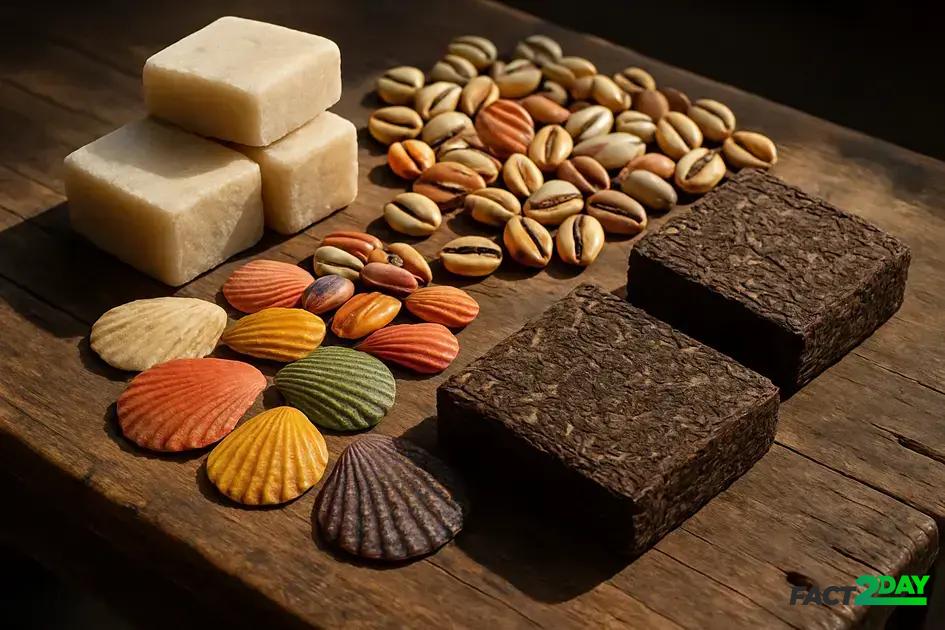
Strange historical currencies like salt, shells, and tea bricks demonstrate how diverse societies assigned value to practical and cultural items to enable trade long before modern money existed.
Have you ever wondered about Strange Historical Currencies? Imagine using salt or tea bricks as money! This fascinating journey explores some of the oddest and most intriguing forms of currency ever used in human history.
The origins of strange historical currencies
Strange historical currencies often began as practical solutions to the challenges of trade and value exchange in ancient societies. Early humans used goods that were widely accepted and durable as a means of payment. These commodities included items like salt, shells, and even tea bricks, valued for their scarcity, usefulness, or cultural significance.
Many strange currencies have origins linked to the specific needs and environments of different regions. For example, seashells were used extensively in coastal and island communities where they were plentiful yet held symbolic importance. Similarly, salt was prized in areas where it was difficult to produce but essential for food preservation.
How these currencies spread and gained value
Trade networks helped strange currencies gain wider acceptance. Barter systems often evolved into more standardized exchanges using these unique forms of money. Because these currencies had intrinsic value, such as nutritional or decorative uses, they were trusted and sought after beyond their original locales.
Over time, these early currencies laid the foundation for more sophisticated monetary systems. Their origins reflect human creativity in solving economic problems and adapting to available resources.
Salt as a precious form of money
Salt was one of the earliest and most valuable commodities used as money due to its essential role in food preservation and seasoning. In ancient times, salt’s significance extended beyond taste; it was crucial for survival, especially before refrigeration.
Many civilizations, such as the Romans, used salt to pay soldiers, which is where the word “salary” originates. This highlights salt’s pivotal role in shaping economic and social systems. Salt was often mined or harvested in difficult conditions, making it scarce and precious.
Salt trade routes and economic impact
Salt trade routes developed across continents, connecting distant regions and enabling cultural exchanges. Caravan journeys across deserts transported salt slabs, which were heavy but highly sought after. These routes contributed to the growth of powerful cities and kingdoms.
Because it was lightweight compared to its value and could be stored for long periods, salt was an effective medium of exchange. Its use as currency demonstrates how natural resources once underpinned entire economies and influenced human settlement and trade patterns.
The role of shells in ancient trade
Shells have played a significant role as currency in many ancient cultures due to their beauty, rarity, and durability. Among these, cowrie shells were especially popular, used widely in parts of Africa, Asia, and the Pacific Islands as a medium of exchange and symbol of wealth.
These shells were valued not only for their aesthetic appeal but also because they were difficult to counterfeit, providing a reliable form of money. Shell money was often employed in trade for goods such as food, tools, and even slaves, showing its deep integration into economic systems.
Trade networks and cultural importance
Shells were transported over long distances through complex trade networks, linking distant communities. Their use was often tied to social status, with some societies using shells in ceremonies and as jewelry, enhancing their value beyond pure commerce.
Because shells were lightweight and easy to carry, they became a practical currency across vast regions, facilitating trade where metal coins were scarce or unknown. This demonstrates how natural resources shaped ancient economies and cultures.
Tea bricks and their economic importance
Tea bricks were compressed blocks of tea leaves used both as a drink and as a form of currency in parts of Asia, especially in regions like Tibet and Mongolia. Due to their compact shape and long shelf life, tea bricks were easy to transport and store, making them a practical medium of exchange.
The value of tea bricks stemmed from their multiple uses—they could be brewed to make tea or melted down and traded, which gave them intrinsic worth. In harsh climates where food and drink were precious, tea bricks became an essential commodity for survival and trade.
Trade routes and economic influence
Tea bricks traveled along ancient trade routes such as the Silk Road, connecting distant cultures and economies. Merchants and nomads often used tea bricks to pay taxes or wages, reflecting their trust in this unconventional currency.
The use of tea bricks highlights how communities adapted natural resources to meet both daily needs and economic functions. This practice also shows the creative ways humans used available materials to facilitate trade and maintain social stability.
Other unusual commodities used as currency
Throughout history, humans have used many unusual commodities as currency beyond traditional coins and notes. Items like tobacco, livestock, feathers, spices, and even salt blocks have served as money in various cultures due to their value, scarcity, or cultural importance.
Tobacco was used as currency among Native American tribes and colonial settlers, prized for its addictive and ritual value. Livestock like cattle and sheep symbolized wealth and were often traded to settle debts or pay for goods.
Unique items and barter systems
Feathers and spices held significant worth in some societies, especially where exotic goods were rare. For example, rare feathers were used in ceremonial dress and thus had high value. Spice trade routes influenced economies across continents and acted as a form of currency for spices like cinnamon and pepper.
The use of such varied commodities illustrates how different cultures adapted money to suit their environment and social systems. These unusual currencies helped bridge economic gaps before the invention of standardized money.
How geography influenced currency choice
Geography played a crucial role in determining the types of currencies used by different societies. The availability of natural resources, climate, and trade routes all influenced what commodities became valuable and widely accepted as money.
In coastal regions, shells were abundant and thus became a popular form of currency, while inland communities might rely on salt, livestock, or grains. Environmental factors often determined how easily a commodity could be acquired, stored, and transported.
Examples of geographic influence on currency
In arid areas where water and food were scarce, salt was priceless. Mountainous regions with tea cultivation used tea bricks as currency due to the crop’s importance and portability. Similarly, island nations used shells because of their accessibility and cultural significance.
Trade routes also linked different geographic zones, spreading currencies across vast areas and adapting them to local contexts. This shows how geography shaped economic systems and facilitated interactions between diverse peoples.
The transition from strange currencies to coins
The transition from strange currencies like salt, shells, and tea bricks to standardized coins marked a major advancement in economic systems. Coins were easier to carry, count, and trade compared to bulky or perishable commodities. They also introduced common value recognition backed by governments or authorities.
Early coins were made from precious metals such as gold, silver, and copper. Their consistent weight and material helped build trust and reduce disputes in trade. Societies began minting coins with specific marks to signify authenticity and value.
Effects of coinage on trade and economy
The introduction of coins facilitated faster and broader trade networks, as merchants could exchange money without relying on the physical goods that previously served as currency. Coins made taxation and wage payments more efficient, supporting the growth of complex economies.
This transition also symbolizes human innovation in creating systems for wealth storage and exchange that laid the foundation for modern money as we know it today.
Stories of rare and bizarre transactions
Throughout history, there have been many rare and bizarre transactions that involved unusual currencies or strange items as payment. These stories reveal the creativity and adaptability of humans when it comes to trade.
One famous example is the use of salt blocks as payment for slaves and soldiers in ancient civilizations. Another curious case involves tea bricks being used to pay taxes in remote areas of Tibet. Such transactions highlight the trust placed in commodities rather than traditional coins.
Unusual trades and their impact
In some cultures, feathers, tobacco, or even giant stone discs served as currency. These items often had cultural or spiritual value, which added to their worth. In other cases, livestock like cattle and horses were traded for important goods, sometimes reshaping entire economies.
These rare and bizarre transactions show that money is not just about coins or bills, but also about the value and meaning assigned to objects by societies.
The cultural value behind odd currencies
Odd currencies like shells, salt, and tea bricks often held more than economic value; they were deeply embedded in the culture and traditions of societies. These items symbolized status, spirituality, and community identity beyond their role in trade.
For example, shells were used in rituals and as decorative items indicating wealth and power. In some cultures, salt was a sacred commodity tied to religious practices and hospitality. The cultural significance of these currencies strengthened their acceptance and value.
Connecting currency to social structures
Many strange currencies were part of gift-giving ceremonies or dowries, which helped bind families and clans together. Their use reinforced social ties and established trust within communities.
Understanding the cultural value behind these currencies reveals how money can represent shared beliefs and social cohesion, not just economic transactions.
Lessons from historical currencies for today
Historical currencies teach us valuable lessons about the nature of money and economy. One key insight is that currency needs trust and acceptance to hold value, regardless of its form. Strange currencies like salt or shells showed how communities placed value on practical or culturally important items.
Flexibility and adaptability were important as societies shifted from commodity money to coins and now to digital currencies. Learning from history, we see that money must evolve with technology and social needs.
Applying history to modern finance
Today’s shift toward cashless payments and cryptocurrencies reflects the ongoing evolution of money. The story of past currencies reminds us that the concept of money is dynamic, shaped by culture, necessity, and innovation. It also highlights the importance of widely accepted and trusted systems.
By understanding the strengths and weaknesses of past currencies, we can better navigate the challenges of modern economic systems and build more resilient, inclusive financial tools.
Wrapping Up the Strange World of Historical Currencies
Exploring strange historical currencies like salt, shells, and tea bricks shows us how creative humans have been in solving economic challenges. These unusual forms of money held practical and cultural value that helped early societies trade and thrive.
Understanding the origins and evolution of money from these odd currencies to modern systems highlights the importance of trust, adaptability, and cultural significance in economics.
Today, as money continues to change with digital technologies, the lessons from past currencies remind us that money is more than just coins and bills—it’s about the value and trust people place in it.