Nature’s Bizarre Menu: The Strangest and Most Shocking Eating Habits of the Animal Kingdom
Discover Animal Eating Habits that reveal the wildest, most unexpected diets in nature’s astonishing menu of survival and adaptation.
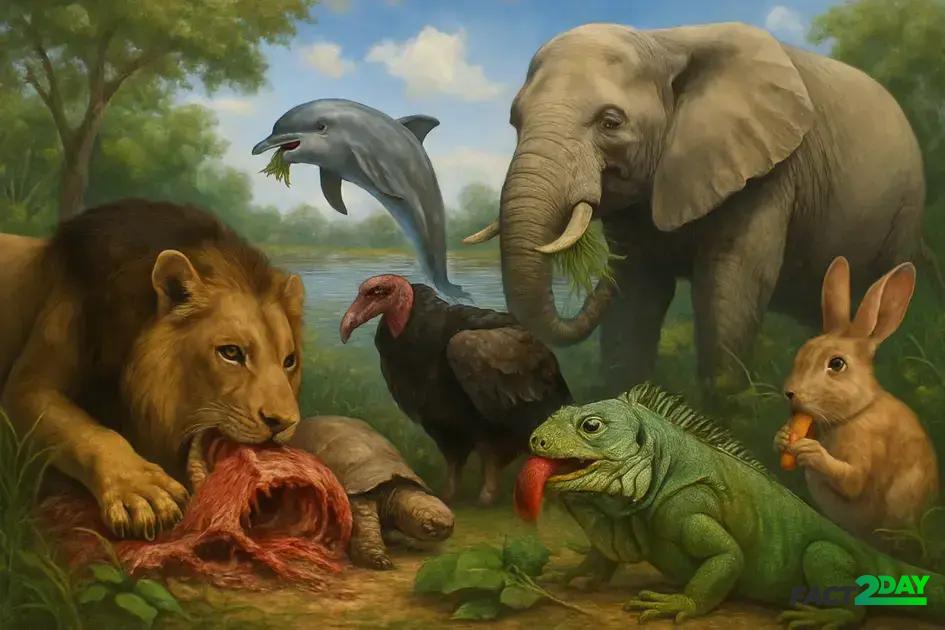
Animal eating habits reveal diverse survival strategies, from unexpected diets to unique feeding behaviors, highlighting nature’s adaptability and ecological balance.
Have you ever wondered about the astonishing Animal Eating Habits that seem stranger than fiction? From creatures feasting on unlikely foods to shocking survival strategies, the animal kingdom’s menu is full of surprises. Let’s dive in and explore these bizarre behaviors together!
Surprising carnivores that eat plants
Many carnivores are known for their meat-based diets, but some surprising exceptions include animals that regularly consume plants. For example, bears such as the American black bear and the brown bear often eat berries, roots, and nuts, especially when meat is scarce. This shows how adaptable carnivores can be in their eating habits.
The red fox, primarily a carnivore, will also eat fruits and vegetables when available. This helps balance their diet and provides essential nutrients during certain seasons. Similarly, wolves sometimes consume berries and grass, which aids digestion and supplements their meat-heavy meals.
Why do some carnivores eat plants?
Eating plants offers benefits like hydration, fiber, and vitamins that meat alone may not provide. It can also be an important survival strategy during periods of food scarcity or environmental changes.
This flexibility in diet highlights the complex eating habits of animals and their ability to thrive in diverse habitats. Understanding these surprising behaviors reshapes how we see the animal kingdom’s food chain.
The weird world of scavengers
Scavengers play a vital role in nature by consuming dead animals and organic waste, helping to recycle nutrients. Animals like vultures, hyenas, and certain types of insects are famous for this unusual diet. These creatures have evolved strong stomach acids to safely digest bacteria-laden carrion.
Their eating habits might seem strange or even gross to us, but scavengers prevent the spread of diseases by cleaning up carcasses. For example, vultures can locate food from miles away using their keen eyesight and excellent sense of smell.
How scavengers adapt to their lifestyle
Many scavengers exhibit specialized features. Hyenas, for instance, have powerful jaws capable of crushing bones, while certain insects like beetles lay eggs in decaying matter, providing a food source for their grubs. This highly efficient use of resources is a perfect example of nature’s recycling system.
Scavenging also reduces competition among predators. Instead of hunting, some animals rely on leftovers, which influences their social structure and behavior. This adaptability highlights the diversity and complexity of animal eating habits within the ecosystem.
Unusual hunting strategies in the animal kingdom
Animals have evolved a wide range of unusual hunting strategies that help them catch prey efficiently. For instance, the anglerfish uses a glowing lure on its head to attract smaller fish in the deep dark ocean. This clever trick makes hunting easier in nearly pitch-black waters.
The trapdoor spider digs hidden burrows with camouflaged lids, waiting patiently for prey to come close before launching a surprise attack. This ambush strategy relies on stealth and timing rather than speed.
Cooperative hunting and tool use
Some animals hunt in groups to increase success. Wolves coordinate attacks to isolate and take down bigger prey. Similarly, dolphins use teamwork and clever tactics to herd fish into tight groups for easy feeding.
Certain birds, like the green heron, use tools such as dropping bait on water surfaces to lure fish within reach. These strategies demonstrate intelligence and adaptability in the animal kingdom.
Understanding these diverse hunting methods reveals how animals survive and thrive by using creativity and cooperation, making nature’s food chain endlessly fascinating.
Animals that eat their own kind
Some animals exhibit the shocking behavior of eating their own kind, a practice known as cannibalism. This survival strategy occurs in various species under specific circumstances, such as food shortages or competition for resources.
For example, praying mantises are famous for sexual cannibalism, where the female may eat the male after or during mating. This provides the female with necessary nutrients to support egg development.
In aquatic environments, some fish species resort to cannibalism when food is scarce, consuming their eggs or younger siblings to survive harsh conditions. Similarly, frogs and spiders sometimes eat their offspring or mates in response to environmental pressures.
Reasons behind cannibalism in animals
Cannibalism can offer benefits like reducing competition, obtaining nutrients, and controlling population size. However, it also carries risks such as the spread of disease and injury.
Understanding these behaviors reveals the complex and sometimes brutal ways animals adapt their eating habits to survive in challenging habitats.
Insects with bizarre food preferences
Insects have some of the most bizarre and specialized eating habits in the animal kingdom. For instance, the hose fly feeds on the tears of large mammals, using its mouthparts to lap up the salty fluid. This unusual diet provides essential nutrients they can’t get elsewhere.
Leafcutter ants cut and carry leaf pieces back to their nests to cultivate fungus, which is their main food source. This farming behavior shows a unique relationship between insects and plants.
Uncommon insect diets and survival
The vampire moth feeds on mammal blood, a rare habit among insects, while caterpillars of some species consume toxins from plants to protect themselves from predators. These examples highlight how insects have evolved to survive by exploiting unusual food sources.
Such bizarre food preferences not only ensure survival but also play important roles in ecosystems, from pollination to decomposition. Insects’ diverse diets help maintain balance and drive nature’s complex food web.
Marine creatures and their surprising diets
Marine creatures exhibit some of the most surprising and varied diets in the animal kingdom. For example, the parrotfish scrapes algae off coral with its beak-like teeth and ingests bits of coral, which they later excrete as sand. This unique feeding habit helps shape coral reef environments.
The giant tube worm, found near deep-sea hydrothermal vents, doesn’t eat in the traditional sense. Instead, it hosts bacteria that convert chemicals into nutrients, providing a fascinating example of symbiosis in extreme environments.
Unusual diets and adaptations in marine life
The ocean sunfish mainly consumes jellyfish, despite their low nutritional value, showing how some animals adapt to limited food sources. Similarly, hammerhead sharks use their uniquely shaped heads to pin down stingrays, a preferred prey.
These surprising marine diets reveal how animals adapt to diverse underwater ecosystems, survival demands, and available resources, highlighting the complexity of ocean life.
Herbivores with unexpected eating habits
Although herbivores primarily feed on plants, some species display unexpected eating habits that help them survive in challenging environments. For example, the deer sometimes consumes bird eggs or small animals when plant food is scarce. This behavior provides essential nutrients like protein and calcium.
The elephant, known mainly for eating vegetation, occasionally digs for mineral-rich soil called geophagy. This helps supplement their diet with vital minerals not found in plants.
Unique adaptations in herbivore diets
Rabbits practice coprophagy, eating their own soft feces to extract additional nutrients from partially digested food. This allows them to maximize energy intake from tough plant materials.
Some herbivores like giraffes select young leaves or bark with higher nutritional content and even consume small amounts of insects inadvertently. These unexpected habits show how herbivores adapt their diets to thrive.
How diet influences animal behavior and survival
Diet plays a crucial role in shaping animal behavior and survival. Animals that consume high-energy foods often have more stamina and greater ability to escape predators or hunt prey efficiently. For example, carnivores rely on protein-rich diets to fuel their active hunting lifestyles.
Herbivores, on the other hand, have developed unique behaviors such as grazing patterns and migration to access fresh plant growth. These behaviors ensure they get enough nutrients throughout the year.
Diet’s effect on social behavior and reproduction
Animals with varied diets often show complex social structures because they may need to cooperate or compete for diverse food sources. For instance, some primates share food within groups to build social bonds.
Furthermore, diet affects reproductive success. Well-nourished animals tend to have higher fertility rates and healthier offspring. In harsh conditions, limited food can trigger hibernation or dormancy to conserve energy, increasing chances of survival.
Overall, diet is a key factor that influences how animals interact with their environment, other species, and each other, impacting ecosystems worldwide.
Animals adapting eating habits to harsh environments
Animals living in harsh environments often adapt their eating habits to survive extreme conditions. For example, the camel in deserts can eat thorny plants and leaves that other animals avoid. Their digestive systems are built to extract moisture and nutrients from tough, dry vegetation.
The arctic fox adjusts its diet seasonally, hunting small mammals and birds in summer and scavenging carcasses or even eating seaweed in harsh winters. These flexible eating habits help it endure freezing temperatures.
Behavioral and physiological adaptations
In caves or deep underground, some animals like bats feed on limited insect populations. They conserve energy by resting during scarce food periods and rapidly consuming insects when available.
Similarly, desert rodents obtain moisture entirely from their food, consuming seeds and plants with high water content, reducing their need to find water in arid habitats.
These adaptations show how diet changes help animals thrive despite environmental challenges, highlighting nature’s resilience and versatility.
The role of eating habits in ecosystem balance
Eating habits are vital in maintaining ecosystem balance. Different animals play specific roles based on their diets, which helps regulate populations and recycle nutrients. For instance, herbivores control plant growth, preventing overgrowth that could disrupt habitats.
Carnivores keep prey populations in check, promoting biodiversity by ensuring no species dominates. Scavengers clean up dead animals, preventing the spread of disease and returning nutrients to the soil.
How diet affects food chains and biodiversity
When animals change their eating habits, it can impact the entire food web. If a predator disappears or shifts diet, prey populations might explode, causing overgrazing or depletion of resources. This imbalance affects plants, other animals, and even the climate.
Some animals adapt their diets in response to environmental changes, which can lead to new interactions and adjustments in the ecosystem. Maintaining diverse and stable eating habits across species ensures healthier ecosystems and long-term survival.
Understanding animal eating habits helps us appreciate nature’s complexity
Exploring the strange and surprising eating habits of animals shows how adaptable and diverse nature truly is. These behaviors help animals survive, thrive, and keep ecosystems in balance.
From unexpected diets to unique hunting strategies, every choice impacts the environment and other species. Learning about these habits not only fascinates us but also highlights the importance of protecting habitats.
In the end, respecting and preserving the natural world ensures that these incredible animals and their bizarre menus continue to exist for generations to come.