From Classic to Chaotic: The Most Bizarre and Unforgettable Game Soundtracks
Explore the world of Bizarre Game Soundtracks, featuring unforgettable melodies that range from charming classics to downright chaotic tunes.
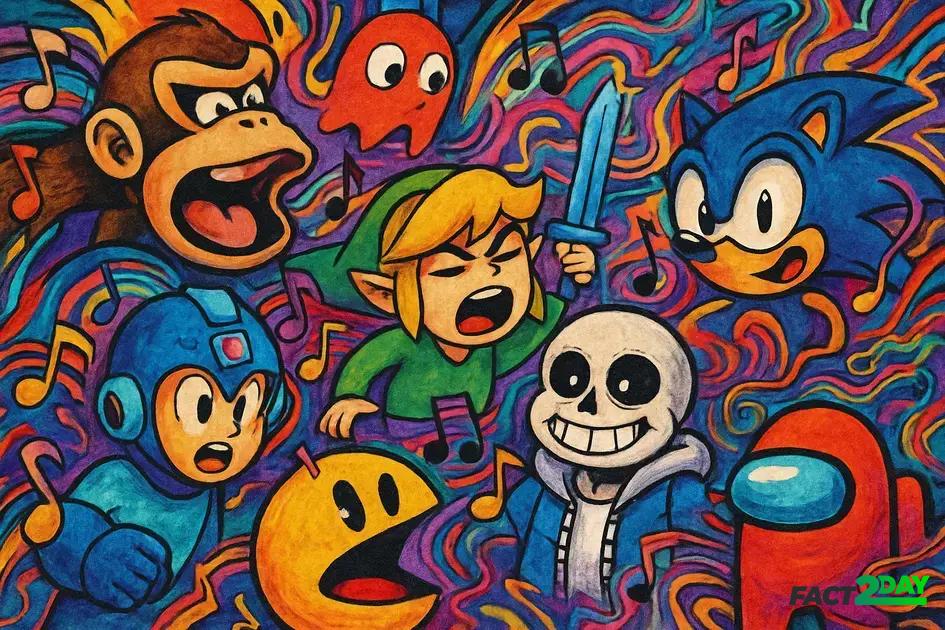
Frisson is a neurological reaction causing goosebumps during music, triggered by the brain activating reward and fear circuits simultaneously, producing an intense emotional response.
Have you ever noticed how some Bizarre Game Soundtracks stick with you long after playing? From quirky tunes to wild sound experiments, these tracks redefine our gaming memories. Let’s dive into the captivating world of the strange and spectacular in game music.
The origins of bizarre game soundtracks
Many of today’s bizarre game soundtracks have roots that trace back to the early days of video gaming, when technological constraints forced composers to think creatively. Back then, audio hardware was limited, allowing only simple beeps and tones, leading to unique and experimental sound designs that defined the era.
Early hardware limitations and creativity
The first game consoles and arcade machines had severe audio restrictions, which meant composers had to rely on minimalistic melodies and repetitive loops. This fostered innovation as they used unconventional techniques to craft memorable tunes, often embracing glitchy and distorted sounds.
The influence of chiptune and 8-bit music
Chiptune music became synonymous with early game soundtracks, characterized by its electronic, synthesized tones using the sound chips of consoles like the NES and Game Boy. These sounds, though limited in complexity, created a distinctive and sometimes strange audio identity that remains beloved today.
Experimental approaches in early game music
Some composers deliberately pushed the boundaries by incorporating dissonance, unusual rhythms, and unexpected instrument combinations. This experimentation laid the groundwork for future soundtracks that embraced chaotic and surreal audio elements, setting a foundation for what would become the bizarre music in games.
Understanding these origins helps appreciate how limitations can drive creativity, making the earliest game soundtracks both nostalgic and a source of inspiration for modern composers exploring the strange and unforgettable sounds in gaming.
Classic soundtracks that broke the mold
Some game soundtracks stand out by breaking traditional rules and offering players truly unique auditory experiences. These classic soundtracks challenged norms with inventive melodies, unusual instruments, and creative structures that felt fresh and unforgettable at their time.
Examples of groundbreaking classics
Games like EarthBound and Katamari Damacy introduced soundtracks full of quirky, playful tunes that defied typical video game music. Their compositions often blended genres, incorporating jazz, pop, and experimental sounds to create a whimsical atmosphere.
Impact on player experience
By breaking the mold, these soundtracks enhanced immersion and emotional connection. Players often found themselves humming these strange yet catchy tunes long after playing, proving the power of innovative music to shape memorable gaming moments.
Lasting influence on game music
The daring nature of such classic soundtracks inspired future composers to take risks. This paved the way for more eclectic, adventurous music styles in games, expanding what players expect and enjoy in game audio.
How chaotic soundtracks shape game experiences
Chaotic game soundtracks often use unpredictable rhythms, dissonant harmonies, and unexpected sound effects to create a unique atmosphere that deeply influences gameplay. These soundtracks challenge players’ expectations and keep them engaged by enhancing emotional tension or excitement.
The role of chaos in gameplay immersion
When a soundtrack is chaotic, it can increase a player’s sense of urgency or confusion, perfectly matching the chaos they experience in the game world. This connection between sound and gameplay increases immersion and emotional investment.
Examples of chaotic soundtracks
Titles like Hotline Miami or DOOM showcase how chaotic music can energize intense action scenes. Their soundtracks combine fast beats, distorted synths, and layered noise to drive adrenaline and keep players on edge.
Impact on player mood and perception
Chaotic soundtracks can shift player moods, turning calm moments into suspense or driving adrenaline during action sequences. This dynamic interaction enhances the overall gaming experience, making each moment feel unpredictable and thrilling.
Iconic composers behind strange game music
Some of the most iconic and memorable strange game music comes from visionary composers who dared to explore unconventional sounds. These composers blended creativity with technical skills to craft soundtracks that stand out for their uniqueness and emotional impact.
Nobuo Uematsu and his eclectic approach
Known for his work on the Final Fantasy series, Uematsu mixed traditional orchestral melodies with electronic and experimental elements. His music often features unexpected shifts and quirky tones that give the games a distinctive atmosphere.
Koji Kondo’s playful yet odd compositions
As the legendary composer for Super Mario and The Legend of Zelda, Kondo integrated simple, memorable motifs with occasional strange twists, creating soundtracks that are both accessible and delightfully eccentric.
Yoko Shimomura and her emotional experimentation
Shimomura’s work on titles like Kingdom Hearts combines traditional and modern styles with surprising musical choices that evoke deep emotions while maintaining a unique sound that often crosses genre boundaries.
These composers pushed the boundaries of game music, creating soundtracks that are both strange and unforgettable, inspiring a new generation of music creators in the gaming industry.
Integration of bizarre music with gameplay
The integration of bizarre music with gameplay goes beyond background ambiance; it actively shapes how players experience the game world. Unusual soundtracks often react to player actions or game events, creating a dynamic relationship between music and gameplay.
Adaptive music that changes with gameplay
Many games use soundtracks that alter based on player decisions or in-game situations. This can involve shifts in tempo, key, or instrumentation to reflect tension, success, or danger, making the music feel alive and intertwined with the player’s journey.
Enhancing atmosphere and storytelling
Bizarre music can heighten the mood and complement the story by using unexpected sounds or rhythms. For example, eerie melodies paired with chaotic gameplay elements amplify feelings of unease or mystery.
Examples of effective music-gameplay integration
Games like Silent Hill use unsettling sound design that responds to player movement and environment changes. Meanwhile, Crypt of the NecroDancer syncs gameplay mechanics directly to the beat, forcing players to adapt to often strange and complex rhythms.
Cultural influences on game soundtrack weirdness
Cultural influences play a significant role in shaping the unique and often strange soundtracks found in video games. Different regions bring their own musical traditions, instruments, and styles, which combine to create eclectic and unexpected audio experiences.
Incorporation of traditional instruments
Many game soundtracks use unconventional instruments from various cultures, such as the sitar from India, the gamelan from Indonesia, or African drums. This adds exotic textures and layers to the music, giving it a distinct flavor that may feel unusual to some players.
Fusion of musical genres
Composers often blend genres from around the world, mixing electronic beats with folk melodies or classical motifs with reggae rhythms. This fusion can result in soundtracks that feel both familiar and strange, appealing to diverse audiences while pushing creative boundaries.
Impact of cultural storytelling on music
Games inspired by specific cultural myths or histories often reflect these influences in their soundtracks. This might include ritualistic chants, scales uncommon in Western music, or storytelling techniques expressed through melodies and rhythms, deepening the game’s atmosphere and immersion.
Unexpected instruments and sounds used
Many bizarre game soundtracks stand out due to the use of unexpected instruments and sounds. These unique choices often create an atmosphere that is both intriguing and memorable, setting the game apart from others.
Unusual instruments that surprise players
Composers sometimes incorporate instruments like the theremin, glass harmonica, or even toy instruments. These sounds can feel eerie, whimsical, or otherworldly, enhancing the game’s mood in fresh and exciting ways.
Incorporation of everyday and found sounds
Some soundtracks include non-musical sounds such as typewriters, metallic clangs, or nature sounds manipulated electronically. This creative use of found sounds adds texture and depth, often producing a surreal or chaotic feel.
Effects on player experience
Using unexpected instruments and sounds can engage players more deeply by surprising their auditory expectations. This technique helps build unique game identities and can heighten emotions like tension, curiosity, or amusement.
These artistic choices demonstrate how exploring beyond traditional instruments can lead to unforgettable and innovative game music that resonates with players long after gameplay ends.
The impact of soundtracks on gaming nostalgia
Soundtracks often hold a powerful place in gaming nostalgia by instantly transporting players back to memorable moments. Familiar melodies and themes can evoke emotions tied to the gameplay experience, making the music as unforgettable as the game itself.
Connection between music and memories
Music has a unique ability to trigger memories. For gamers, certain tunes recall the excitement of discovery, the challenge of boss battles, or the joy of exploration. This emotional link strengthens attachment to the game.
Role of iconic themes
Games like Super Mario Bros. and The Legend of Zelda feature iconic themes that many recognize outside of gaming circles. These themes become cultural symbols, enhancing nostalgia and often being revisited in remakes or concerts.
Music in retro and modern nostalgic experiences
Retro-style games use chiptune and vintage instruments to recreate the nostalgic feel, while modern games remix classic tracks to blend old and new styles. This blend keeps nostalgia alive while appealing to new audiences too.
How indie games push soundtrack boundaries
Indie games often lead the charge in pushing soundtrack boundaries by experimenting with unconventional sounds and innovative compositions. These games benefit from creative freedom, allowing composers to explore genres and styles that traditional games might avoid.
Innovation through limited resources
With often smaller budgets, indie developers turn limitations into strengths. They use unique sound design, DIY instruments, and experimental techniques to craft distinct audio experiences that stand out.
Cross-genre influences
Indie soundtracks frequently blend styles like ambient, electronic, folk, and even noise music. This fusion results in fresh, unexpected soundscapes that enrich the game’s atmosphere and storytelling.
Interactive and adaptive music
Indie games frequently employ adaptive music systems that react directly to player actions or in-game events. This makes the gameplay feel more immersive and personal, enhancing emotional engagement.
The willingness of indie creators to take risks has broadened the possibilities for game music, inspiring both players and major studios to embrace more diverse and experimental soundtracks.
Future trends in game music innovation
The future of game music innovation is set to be shaped by advances in technology and evolving player expectations. Composers and developers are exploring new ways to make soundtracks more immersive, dynamic, and personalized.
Use of artificial intelligence in composition
AI-driven music generation is becoming a powerful tool, allowing soundtracks to adapt in real-time to player actions and moods. This technology offers endless possibilities for creating unique and responsive audio experiences.
Immersive audio technologies
With the rise of 3D and spatial audio, players can expect soundtracks that place them in the center of the game world. These technologies create a sense of presence by accurately simulating how sound behaves in different environments.
Cross-media collaboration
Future game soundtracks might blend more with other media forms like virtual reality, augmented reality, and interactive storytelling, offering richer and more integrated sonic experiences.
The continued push for innovation promises to make game music more than just a background element, transforming it into an active, influential part of the gameplay itself.
Embracing the future of game music
Game soundtracks have evolved from simple beeps to complex, bizarre compositions that deeply impact the player experience. Through innovative composers, cultural influences, and new technologies, game music continues to push boundaries and surprise players.
As technology advances, the fusion of adaptive music, AI, and immersive audio promises even more creative possibilities. Whether through indie experimentation or big studio productions, the world of game soundtracks is full of exciting innovations waiting to be explored.
For gamers and creators alike, embracing these trends means enjoying richer, more dynamic, and unforgettable gaming journeys.