Honey never spoils—even after 3,000 years
Discover why honey and eternity blend perfectly as honey never spoils, even after thousands of years. Uncover the natural secrets behind this timeless food.
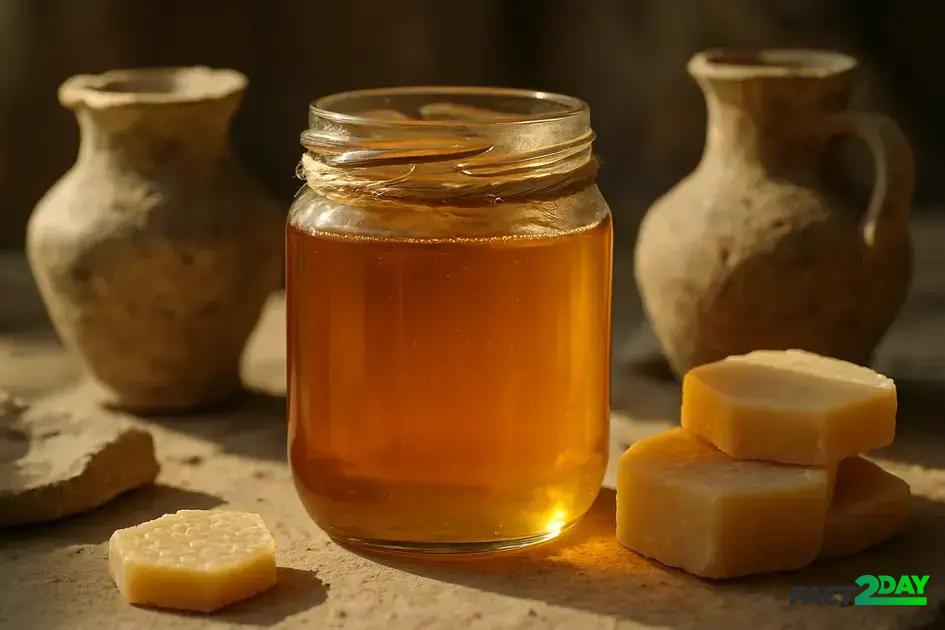
Honey and eternity connect through honey’s unique chemistry and natural preservation properties, allowing it to remain edible and safe for thousands of years without spoiling.
Honey and eternity seem to go hand in hand when you learn that honey can last thousands of years without spoiling. Ever wondered how nature makes this possible? Let’s dive into the fascinating story behind honey’s timeless shelf life.
the unique chemistry behind honey’s preservation
Honey’s remarkable ability to never spoil comes down to its unique chemistry. It is a natural supersaturated sugar solution, made primarily of glucose and fructose, which creates an environment where almost no bacteria or microorganisms can survive. The low moisture content, usually under 18%, is a critical factor that prevents fermentation and spoilage.
Additionally, honey is naturally acidic, with a pH between 3.2 and 4.5. This acidity further inhibits the growth of bacteria. Enzymes from bees, such as glucose oxidase, produce hydrogen peroxide, which acts as a mild antiseptic within the honey.
The thick, sticky texture also helps seal the honey from air and moisture, protecting it from contamination. This combination of high sugar concentration, low water activity, acidity, and antibacterial compounds makes honey one of the most stable foods known.
Understanding this chemistry sheds light on why archaeologists have found edible honey in ancient tombs thousands of years old, still safe to consume. It’s nature’s perfect recipe for eternal preservation.
historical discoveries of ancient honey jars
Throughout history, archaeologists have made remarkable discoveries of ancient honey jars that showcase honey’s incredible preservation properties. One famous example is the discovery of sealed pots of honey in Egyptian tombs dating back over 3,000 years. These jars, often found in pristine condition, contained honey that looked and even tasted edible.
Other finds include honey in ancient tombs in Georgia and Greece, where honey was stored in clay containers and protected from the elements. These discoveries highlight how ancient civilizations valued honey, both as a food and for its medicinal uses.
Archaeological studies reveal that honey was sometimes sealed tightly with wax or resin, further protecting it from moisture and bacteria. These storage methods, combined with honey’s natural chemistry, explain why the product could last so long underground.
Such finds have helped scientists understand the longevity of honey and its role in human culture, illustrating a bond between honey and eternity.
how honey’s composition prevents spoilage
Honey’s composition plays a crucial role in preventing spoilage. It is made up mainly of natural sugars like fructose and glucose, which create a thick, sticky syrup that resists moisture. This low water content is vital because microorganisms need water to grow and multiply.
Enzymes in honey, such as glucose oxidase, produce small amounts of hydrogen peroxide when honey is diluted. This acts as a natural disinfectant, killing harmful bacteria and preventing decay. Honey’s acidic nature, with a pH between 3.2 and 4.5, also stops the growth of many spoilage organisms.
The high sugar concentration causes a process called osmosis, where water is drawn out of microbial cells, dehydrating and killing them. This helps keep honey fresh for long periods. Additionally, honey contains antioxidants and other bioactive compounds that further protect it from spoilage.
Because of this complex composition, honey can stay safe to eat for years, unlike many other foods. Its natural preservation properties have made it a valuable food source throughout human history.
comparing honey to other preserved foods
Compared to other preserved foods, honey stands out for its natural longevity and resistance to spoilage. Unlike canned fruits or pickled vegetables, which rely on external preservation methods like sterilization or vinegar, honey’s preservation comes from its own unique natural properties.
For example, dried fruits and jerky last a long time due to low moisture, but they can eventually degrade or grow mold if exposed to humidity. Honey, on the other hand, resists bacteria and fungi because of its low water content, acidity, and natural enzymes that create a hostile environment for microbes.
Unlike frozen or refrigerated foods that require constant energy to preserve, honey can remain stable at room temperature indefinitely. This makes it an ideal natural preservative and a reliable food source without the need for modern technology.
Other ancient preserved foods like salt-cured meats or smoked fish depend heavily on environmental conditions and additives, while honey’s composition is naturally optimized for long-term preservation.
Understanding these differences highlights why honey is often called the food that never spoils and why it has been treasured across cultures as a symbol of eternity and purity.
scientific studies confirming honey’s longevity
Scientific studies have provided strong evidence confirming honey’s extraordinary longevity. Researchers have analyzed samples of honey found in ancient tombs—some over 3,000 years old—and discovered that it remained safe to eat and chemically stable. These studies focus on honey’s chemical makeup and its natural antimicrobial properties.
In laboratory tests, scientists measured honey’s low moisture content, high sugar concentration, and acidity. These factors create an environment that stops the growth of bacteria and fungi. Enzymatic activity in honey produces small amounts of hydrogen peroxide, adding another layer of protection against spoilage.
One study published in Scientific Reports examined honey samples from Egyptian tombs and confirmed the presence of organic compounds that prevent fermentation. These findings back up historical claims and explain why honey can last for millennia without refrigeration.
Modern research also explores honey’s potential as a natural preservative in food science and medicine. Its long shelf life combined with antimicrobial effects makes it valuable beyond just nutrition.
Understanding the science behind honey’s longevity helps explain why it has been called the “food of immortality” through different cultures and ages.
practical tips for storing honey properly
Proper storage is key to preserving honey’s quality and preventing unwanted crystallization or fermentation. Always store honey in a sealed, airtight container to keep moisture and air out. Glass jars with tight-fitting lids work best.
Keep honey at room temperature, ideally between 50°F and 70°F (10°C to 21°C). Avoid storing honey in the refrigerator, as cold temperatures can cause it to crystallize faster. Consistent temperatures help maintain honey’s smooth texture and flavor.
Make sure to store honey away from direct sunlight and heat sources. Exposure to light and heat can degrade some of the beneficial enzymes and antioxidants in honey, reducing its quality over time.
If crystallization occurs, simply place the jar in warm water and stir gently until the crystals dissolve. This is a natural process and does not mean the honey has gone bad.
Always use clean utensils when scooping honey to avoid introducing contaminants that could lead to fermentation or spoilage.
honey’s role in food preservation history
Honey has played a significant role in the history of food preservation for thousands of years. Ancient civilizations, such as the Egyptians, Greeks, and Romans, valued honey not only as a sweetener but also as a natural preservative.
Historical records show that honey was used to preserve fruits, nuts, and even meat by coating or storing them in honey. This method helped prevent spoilage and extended the shelf life of these foods.
In many cultures, honey was also prized for its medicinal properties, often used to treat wounds and infections due to its antibacterial effects. This dual use of honey as both food and medicine highlights its importance in food preservation history.
The ability of honey to resist mold and bacteria allowed ancient people to store it for long periods, even in harsh climates. Archaeological findings reveal jars of honey in tombs and ruins, still edible after thousands of years.
Honey’s long-lasting nature made it a symbol of eternity and purity in many traditions, connecting its preservation qualities with cultural beliefs about immortality.
what honey teaches us about natural preservation
Honey teaches us valuable lessons about natural preservation. Its ability to stay edible for thousands of years without refrigeration shows how nature combines chemistry and biology to protect food. The low water content, high acidity, and natural production of hydrogen peroxide work together to inhibit harmful microorganisms.
These features demonstrate that preservation doesn’t always require artificial chemicals or complex technology. Instead, understanding natural processes can lead to sustainable, eco-friendly methods of keeping food fresh.
Honey also reveals the importance of proper packaging and environmental conditions. Bees seal honey in wax cells, protecting it from air and moisture. This natural packaging enhances its shelf life and safeguards its quality.
The study of honey inspires modern food science to explore natural preservatives and encourages us to respect and utilize what nature has perfected over millions of years.
In summary, honey shows that combining nature’s chemistry with smart storage can create effective, long-lasting preservation methods without harmful additives.
Understanding honey and eternity
Honey’s unique chemistry and natural preservation qualities make it one of the few foods that can truly last forever. Its low moisture content, acidity, and antimicrobial enzymes work together to stop spoilage.
Ancient discoveries and scientific studies confirm honey’s ability to stay edible for thousands of years, inspiring modern food preservation methods. By storing honey properly and respecting its natural properties, we can enjoy this sweet, timeless food for years.
Honey teaches us valuable lessons about using nature’s power to preserve food without relying on chemicals or artificial means. Its story connects us to history, science, and natural wonder.