The Digital Pandora’s Box: The Bizarre Psychology Behind the Allure of Loot Boxes
Explore the fascinating psychology behind loot boxes and why their digital allure keeps players compelled and coming back for more.
Consider for a moment a courtroom scene, complete with judge, jury, and counsel, but with one peculiar difference: the accused is not human. What might seem like a whimsical fable from a children’s book was, in fact, a bizarrely common practice in medieval Europe: animal trials.
From pigs condemned for murder to beetles excommunicated for crop destruction, these trials were formal affairs, often with legal representation for the accused animals, complete with witnesses and appeals. It’s truly fascinating to ponder what this tells us about the human perception of justice, culpability, and our relationship with the natural world during a time when legal and spiritual frameworks were intricately intertwined.
This practice, though alien to modern sensibilities, speaks volumes about a worldview where animals were not merely property but moral agents, capable of committing crimes and deserving of due process. It’s a curious historical footnote, perhaps, but one that invites us to reflect on the ever-evolving boundaries of law, morality, and even personhood, reminding us how deeply ingrained our frameworks of judgment are, even when applied to the most unexpected defendants.
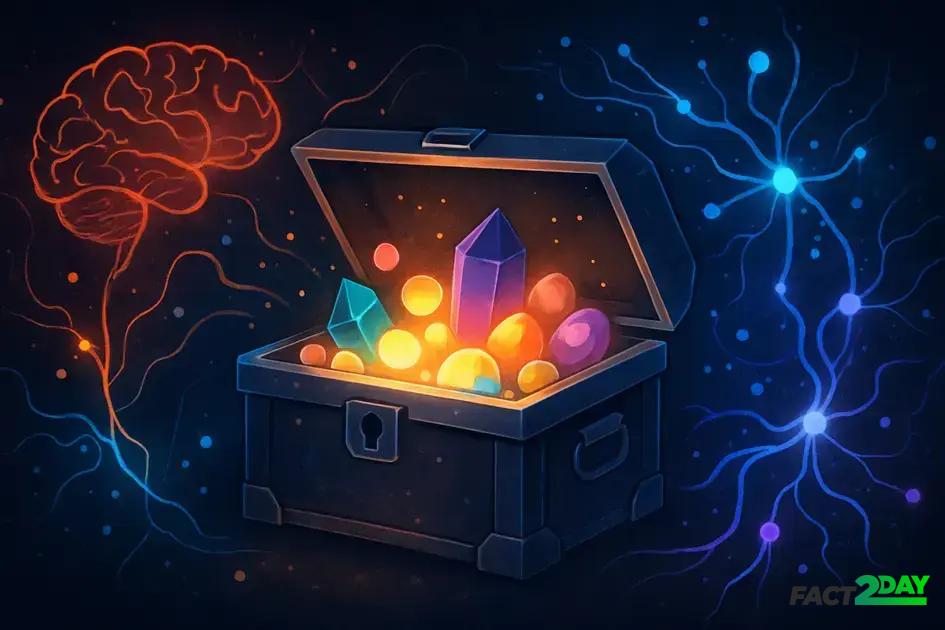
Consider for a moment the curious world of Psychology Loot Boxes. What drives millions to repeatedly open these digital containers despite uncertain rewards? This article uncovers the strange, intriguing psychology behind their enduring appeal.
Understanding loot boxes: definition and origin
Loot boxes are virtual containers in video games that players can open to receive random rewards. These rewards might be cosmetic items, weapons, or in-game currency. The concept first appeared in Asian online games and quickly spread worldwide, becoming a popular feature in many genres including shooters, RPGs, and sports games. At their core, loot boxes mimic the excitement of opening a mystery gift, but the randomness and potential value create a unique digital experience.
Originally, loot boxes were designed to enhance gameplay variety and provide players with extra customization options. However, their unpredictable outcomes and the chance to receive rare items added an element similar to gambling. This mechanic encourages continuous engagement, as players are motivated to try their luck repeatedly.
Over time, loot boxes have evolved from simple rewards to complex monetization strategies. Developers use them to generate additional revenue by selling loot boxes directly or through in-game currencies. Despite the entertainment value, the randomness behind them raises important questions about their psychological effects and ethical use in gaming.
Psychological triggers that make loot boxes addictive
Loot boxes capitalize on several powerful psychological triggers that make them addictive for many players. One key trigger is the variable ratio reinforcement schedule, which means rewards come unpredictably, just like gambling. This uncertainty keeps players engaged and eager to try again for a potentially better prize.
Another trigger is the anticipation and excitement generated before opening a loot box. The suspense activates the brain’s reward system, releasing dopamine, a chemical associated with pleasure and motivation. This rush encourages players to continue purchasing or earning loot boxes.
Social comparison also plays a role, as players see peers obtaining rare or valuable items and wish to match or surpass them. This social pressure can increase the urge to open more boxes to gain status or exclusivity within a gaming community.
Additionally, many games use bright colors, sounds, and animations to enhance the sensory experience when opening loot boxes. These stimuli heighten emotional responses and create memorable moments that players want to repeat.
Finally, loss aversion affects behavior; players who spend money or time on loot boxes feel driven to continue investing to avoid feeling like their previous efforts were wasted. This compounding effect strengthens addictive tendencies surrounding loot boxes.
The role of random rewards in player engagement
Random rewards play a crucial role in keeping players engaged with loot boxes. When the outcome of opening a loot box is uncertain, it creates a sense of excitement and curiosity. Players don’t know what they will get, which stimulates their desire to keep trying. This unpredictability is similar to the mechanics of slot machines or other gambling devices, tapping into our brain’s love for surprise and variety.
The randomness triggers the release of dopamine, a neurotransmitter linked to pleasure and motivation. Each loot box opened offers a chance for a rewarding experience, which keeps players coming back in hopes of obtaining something valuable or rare. This cycle of anticipation and reward is a powerful motivator.
Moreover, games often balance random rewards between common and rare items. While common items may feel less exciting, the occasional rare drop provides a big boost to player satisfaction. This balance helps maintain interest over time, as players feel rewarded enough to continue without becoming bored.
Some games use tiered loot boxes or special events to enhance this effect. By introducing limited-time rewards or progressively better items, developers increase the urgency and desire to engage with loot boxes regularly.
Overall, random rewards create a compelling loop, where uncertainty and excitement work together to heighten player engagement and encourage ongoing participation.
Loot boxes and the dopamine effect
The dopamine effect is central to understanding why loot boxes are so captivating. Dopamine is a neurotransmitter in the brain that regulates pleasure and reward. When players open loot boxes, the anticipation and surprise trigger a dopamine surge, making the experience emotionally rewarding and memorable.
This chemical reaction creates a positive feedback loop. Each time a player receives an exciting or rare item, dopamine reinforces the behavior, encouraging them to repeat the action. This cycle resembles what happens in gambling, where unpredictable rewards lead to repeated attempts.
Even the anticipation itself stimulates dopamine release. Just the act of waiting for a loot box to open and reveal its contents generates excitement. This expectation heightens motivation and makes players more likely to continue engaging with loot boxes.
Games often amplify this effect by using flashy visuals, sounds, and animations during loot box openings. These sensory cues can intensify dopamine release and deepen emotional engagement.
While dopamine can make loot boxes feel thrilling, it also raises concerns about addictive behavior. This is particularly important for younger players who might be more susceptible to these psychological triggers.
The impact of loot boxes on decision-making
Loot boxes significantly influence how players make decisions within games and beyond. The uncertainty and reward-based nature of loot boxes can alter risk-taking behavior, encouraging players to make impulsive choices driven by the hope of winning valuable items.
Many players may prioritize opening loot boxes over other game activities, sometimes spending real money impulsively without fully considering the consequences. This shift can distort decision-making processes, especially in younger or more vulnerable individuals.
The repeated exposure to randomized rewards also impacts the brain’s evaluation of risk and reward. Players become accustomed to gambling-like scenarios, which can affect their ability to weigh probabilities realistically. This exposure might generalize to other areas, potentially increasing risk-taking tendencies outside gaming.
Moreover, loot boxes often create a sense of urgency with limited-time offers or exclusive items. This pressure can lead to hasty decisions, driven more by emotion than rational thinking.
Overall, loot boxes embed psychological cues that can subtly manipulate player choices, making decision-making more emotional, impulsive, and less calculated.
Ethical concerns surrounding loot boxes in gaming
Loot boxes raise significant ethical concerns in the gaming community and beyond. One major issue is their similarity to gambling, as players spend real money or time for a chance at randomized rewards. This can be particularly troubling for young players who may not fully understand the risks involved.
Many critics argue that loot boxes exploit psychological vulnerabilities by encouraging addictive behavior. The random reward system and the dopamine rush can lead to compulsive spending, which some view as unethical marketing within games targeted at children and teens.
Transparency is another ethical challenge. Often, players aren’t clearly informed about the odds of winning valuable items inside loot boxes. Lack of clear information raises concerns about fairness and informed consent, as players might spend money without knowing their true chances.
Additionally, the integration of loot boxes in popular games can pressure players socially to participate in this system to keep up with others, which may lead to unwanted spending.
Regulatory bodies worldwide are increasingly scrutinizing loot boxes, debating whether they should be classified as gambling and controlled accordingly. The ethical debate focuses on protecting players while balancing creative freedom for developers.
The influence of game design on loot box appeal
The design of a game plays a vital role in making loot boxes appealing to players. Game developers use visual cues, sound effects, and rewarding animations to enhance the excitement around opening loot boxes. These sensory elements create a memorable experience that players want to repeat.
Many games integrate loot boxes seamlessly into their progression systems. Players might need to reach certain levels or complete challenges before gaining access, which builds anticipation and increases perceived value.
Reward structures are carefully balanced to keep players motivated. Common items provide frequent wins to avoid frustration, while rare items create bursts of euphoria. This mix keeps players engaged without feeling discouraged.
Game narratives also influence loot box appeal. When rewards tie into a game’s story or character customization, players feel more invested. This emotional connection makes the rewards feel more meaningful beyond their material value.
Additionally, timed events and limited-edition loot boxes create urgency and a fear of missing out (FOMO). This design choice prompts players to participate actively during special periods.
Overall, thoughtful game design crafts an immersive, emotionally charged environment that makes loot boxes highly attractive and encourages long-term engagement.
Comparing loot boxes to traditional gambling
Loot boxes share many features with traditional gambling, creating a blurred line between gaming and betting. Both involve risk and reward through chance, where participants spend money or currency for uncertain outcomes. This similarity has sparked debates on whether loot boxes should be regulated like gambling.
In traditional gambling, such as slot machines or card games, players wager money for a chance to win more money or prizes. Likewise, loot boxes require payment for a random selection of digital items, which may have in-game or real-world value.
One key difference lies in the setting and stakes. Gambling often involves immediate financial gain or loss, while loot boxes primarily affect gameplay and aesthetics. However, some rare items can be highly valuable, influencing player spending similarly to gambling stakes.
Both systems use variable ratio reinforcement schedules, meaning rewards are distributed unpredictably. This unpredictability is a strong motivator, often leading to repeated attempts and, for some, compulsive behavior.
Critics argue loot boxes target younger audiences more aggressively, where traditional gambling is age-restricted. This exposure increases concern over the potential for early development of gambling-like behaviors.
Psychological strategies used by game developers
Game developers use a variety of psychological strategies to increase the appeal of loot boxes and keep players engaged. One common tactic is the use of variable rewards. By offering unpredictable prizes, players experience excitement and anticipation, which stimulates their desire to continue playing.
Another strategy is the implementation of near-misses, where players almost get a rare item, encouraging them to try again. This technique is similar to slot machines and can make loot boxes highly compelling.
Developers also use time-limited offers or exclusive loot boxes to create a sense of urgency, pushing players to act quickly to avoid missing out. This taps into the fear of missing out (FOMO), a powerful motivator.
Reward visuals and sounds are carefully designed to enhance the emotional response. Flashy animations and celebratory sounds during loot box openings amplify dopamine release, reinforcing the behavior.
Additionally, social proof elements like leaderboards and sharing rare item acquisitions publicly encourage competition and social validation. This often drives more participation in loot boxes.
Lastly, some games restrict access to certain items, making loot boxes the only way to obtain them. This exclusivity increases their perceived value and encourages repeated attempts.
How social factors affect loot box usage
Social factors heavily influence loot box usage among players. One important aspect is peer pressure. When friends or teammates openly talk about rare items they’ve acquired or spend money on loot boxes, others may feel compelled to join in to avoid feeling left out or less skilled.
Online communities and social media platforms amplify this effect by showcasing loot box rewards and celebrating rare drops. Players often share their successes, creating a culture that values these virtual possessions and fuels desire.
Competition also drives loot box engagement. Leaderboards, clans, and multiplayer modes encourage players to obtain better gear, skins, or upgrades through loot boxes to stand out or gain an advantage, increasing the social incentive to participate.
Moreover, some games include social gifting features allowing players to share or gift loot boxes, which promotes social bonding but can also increase spending and engagement across friend networks.
The fear of missing out (FOMO) plays a significant role as well. Time-limited events and exclusive rewards generate social buzz, pressuring players to take part quickly to maintain their social status within the gaming community.
Overall, the social environment creates a powerful loop that reinforces loot box participation through peer influence, competition, and shared experiences.
Regulation and legislation trends worldwide
Governments worldwide are increasingly focusing on the regulation and legislation of loot boxes within video games. Several countries have recognized the similarities between loot boxes and gambling, sparking debates on how to protect consumers, especially minors.
Some nations, like Belgium and the Netherlands, have taken strong stances by classifying loot boxes as gambling and banning them. These regulations prohibit games with loot boxes unless the items awarded have no real-world or monetary value.
Other regions, such as the United Kingdom and Australia, are still evaluating the issue, implementing stricter consumer protection measures but stopping short of outright bans. These include requirements for transparency regarding odds and age restrictions.
The United States shows varied responses at state levels, with some pushing for legislation to regulate loot boxes while others rely on industry self-regulation. The Federal Trade Commission has also investigated loot boxes for deceptive marketing practices.
Internationally, there is a push for clearer standards on disclosure of loot box mechanics, odds, and spending limits to safeguard players while balancing developer freedom.
As this landscape evolves, more countries may adopt regulations aiming to reduce gambling-like risks and enhance player awareness and control.
Strategies for players to avoid loot box pitfalls
Players can adopt several strategies to avoid the pitfalls associated with loot boxes. Setting a strict budget before engaging with loot boxes helps control spending and prevents impulsive purchases driven by excitement or peer pressure.
Many games offer ways to earn loot boxes through gameplay without spending real money; focusing on these methods can reduce financial risk. Taking regular breaks from games that use loot boxes can also help players maintain perspective and avoid addictive behavior.
Understanding the odds of receiving certain rewards is essential. Players should look for games that disclose loot box probabilities and avoid those that are opaque about their chances.
Seeking support from friends, family, or gaming communities can provide encouragement and accountability, helping players resist urges to overspend. Some regions offer tools like spending limits or parental controls that players and parents can use to manage loot box interactions.
Finally, educating oneself about the psychological tactics used in loot box designs empowers players to make more informed and mindful choices.
Wrapping up the psychology behind loot boxes
Loot boxes combine exciting game design with powerful psychological triggers that keep players engaged. Understanding the role of randomness, dopamine, and social influence can help players make smarter choices.
While loot boxes offer fun and surprise, it’s important to be aware of potential risks and set clear limits. Knowing the psychological tactics developers use can empower players to enjoy games responsibly without falling into traps.
As regulations evolve and awareness grows, players can look forward to a gaming environment that balances entertainment with fairness and safety.