From Fan to Phenomenon: Famous Games That Started As Simple Mods
Discover the fascinating journey of Games Born from Mods and how fan creativity reshaped the gaming world forever.
Exoplanets are planets orbiting stars beyond our solar system, discovered through techniques like monitoring starlight dimming, revealing countless new worlds and expanding our understanding of the galaxy’s vastness.
Have you ever wondered about the magic behind Games Born from Mods? These incredible creations start as simple add-ons but can grow into entire games loved by millions. Let’s dive into this fascinating world together!
What are game mods and why do they matter
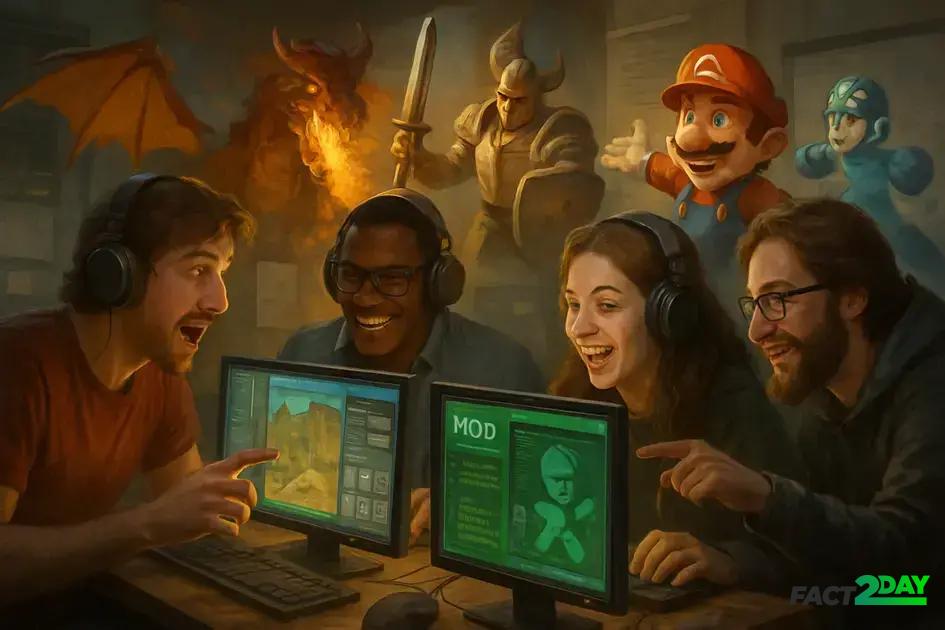
Game mods are modifications made by players or fans to existing games, altering or adding new content to enhance or personalize the gaming experience. They can range from simple cosmetic changes like new skins or textures to complex additions such as new levels, characters, or gameplay mechanics.
Why do mods matter? Mods extend the lifespan of a game by keeping communities engaged long after the official content is exhausted. They encourage creativity and innovation by allowing fans to express their ideas and improve games in ways developers may not have envisioned. Many successful games today started as mods, proving their significant impact on the industry.
Moreover, mods foster strong communities where players share, collaborate, and support one another, creating a dynamic ecosystem that benefits developers and gamers alike. This ongoing interaction can lead to improvements in game design and inspire new game projects.
The impact of mods on gaming culture
Mods contribute to gaming culture by democratizing game development and broadening the scope of what games can be. They allow players to become creators, blurring the lines between users and developers, which has reshaped how games are made and enjoyed.
Historical examples of popular games born from mods
Several blockbuster games began as simple mods, showing how fan creativity can evolve into full-fledged titles. Counter-Strike, for example, started as a mod for Half-Life and grew to become one of the most influential first-person shooters ever made.
Another landmark mod-turned-game is Dota 2, which originated from the Warcraft III custom map Defense of the Ancients. It popularized the MOBA (Multiplayer Online Battle Arena) genre and sparked a massive eSports scene.
Additionally, Team Fortress began as a mod for Quake before evolving into Team Fortress 2, widely praised for its unique art style and team-based gameplay. Similarly, the survival game Rust owes its roots to mods inspired by DayZ, a mod itself for ARMA 2.
Why these mods succeeded
These games succeeded because they offered fresh, engaging experiences the original titles didn’t provide. Their communities embraced innovation and nurtured development, with support from the original game developers encouraging modders to take their projects further.
The success stories highlight how modding communities can be a fertile ground for discovering new gameplay ideas and talents, impacting the gaming industry significantly.
How mods influence the gaming industry today
Mods play a crucial role in shaping the gaming industry today. They act as a testing ground for new ideas, mechanics, and storytelling techniques that can inspire official game updates or entirely new titles. Developers often observe successful mods to understand player preferences and emerging trends.
Many game studios now actively support modding communities by providing tools, documentation, and platforms to share mods. This collaboration helps keep games fresh and engaging over time, increasing player retention and expanding a game’s lifespan significantly.
The economic impact of mods
Mods can also create new revenue streams. Some platforms allow creators to monetize their mods or bring mods into official marketplaces. This has opened opportunities for indie developers to showcase skills and generate income, sometimes leading to contracts with major studios.
User engagement improves drastically through mods. Players enjoy having fresh content and personalized experiences, which mods provide. This dynamic relationship benefits both gamers and developers and fosters a loyal gaming community.
Mods as a career pathway
Many professional game designers and developers started by creating mods. The skills gained from modding—like coding, design, and teamwork—are highly transferable to the gaming industry, making modding a valuable stepping stone.
The role of community in mod development
The community plays an essential role in mod development. Modders often collaborate, share ideas, and provide feedback that leads to better and more innovative mods. These communities foster creativity and encourage newcomers to learn and contribute.
Many mods are the result of teamwork, with programmers, artists, and writers joining forces to create content that a single person might find difficult to achieve alone. Online forums, social media groups, and dedicated modding platforms serve as hubs for discussion, troubleshooting, and support.
How community feedback shapes mods
Community input is critical during the development process. Mod creators listen to player suggestions and bug reports to improve gameplay, fix issues, and add requested features. This ongoing dialogue helps mods evolve and stay relevant.
Community-driven mod events and competitions also inspire innovation, motivating creators to push boundaries and share their work with a larger audience. These events often lead to the discovery of new talent and unique game experiences.
Why community matters for sustainability
A strong community ensures mods remain active and updated over time. Players supporting each other by sharing resources and knowledge keeps modding vibrant and accessible. This collective effort prolongs the life of games and fosters a positive environment for creation.
Tech tools commonly used to create mods
Creating mods requires a variety of tech tools that help developers customize and enhance games. Popular tools include game-specific editors like the Unreal Engine and Unity, which provide powerful environments for creating and modifying game content.
Modders often use 3D modeling software such as Blender or Maya to design new characters, objects, and environments. These tools enable detailed and realistic models that integrate seamlessly into games.
Other essential tech tools
Text editors and coding environments like Visual Studio Code or Sublime Text are crucial for scripting gameplay changes, AI behavior, or custom UI elements. Many mods rely on scripting languages such as Lua, Python, or C# to implement new features.
Texture editing software like Adobe Photoshop or GIMP helps modders create or alter textures and skins. Sound editing tools are also used to add or modify audio effects and music.
Mod distribution and collaboration platforms
Platforms such as Steam Workshop, Nexus Mods, and Mod DB provide spaces to share, download, and collaborate on mods. These hubs also often include tools for version control and user feedback to improve mod quality.
Using the right combination of these tech tools allows mod creators to bring their visions to life and contribute vibrant content to gaming communities.
Popular genres that often start as mods
Many popular game genres actually began as mods before evolving into fully-fledged games. Among the most common are first-person shooters (FPS), which often start as mods adding new weapons, maps, or game modes to existing titles. Games like Counter-Strike showcase this trend perfectly.
Multiplayer online battle arenas (MOBAs) also trace their roots to mods, with Defense of the Ancients (DotA) pioneering the genre on top of Warcraft III’s engine. These mods transformed simple maps into competitive, team-based experiences.
Other common mod-origin genres
Survival games have flourished from mods that introduce realistic challenges like resource management and crafting. DayZ, a mod for ARMA 2, sparked a new wave of survival gameplay emphasizing realism and player interaction.
Role-playing games (RPGs) and strategy games often feature modded content that adds quests, characters, or scenarios, enriching gameplay and storytelling. These genres benefit from modding communities that constantly expand their worlds.
Simulation and sandbox games also thrive in modding cultures, as players create new vehicles, maps, or tools to extend gameplay possibilities. The freedom to experiment fuels their ongoing popularity.
Success stories: Mods that became standalone games
Many successful games today began as mods, showing how fan creativity can transform the gaming landscape. Counter-Strike is a prime example; starting as a Half-Life mod, it evolved into a major franchise with millions of players worldwide.
Dota 2 also began as a mod for Warcraft III and later became one of the biggest MOBAs with a huge eSports following. Its success paved the way for other games in the genre.
Other famous mod-to-game successes
PlayerUnknown’s Battlegrounds (PUBG) was inspired by the DayZ mod and sparked the battle royale craze, influencing countless games that followed. Similarly, Rust, growing out of mod ideas, brought survival gameplay to a new audience.
These success stories highlight the potential of mods to become standalone hits, driven by community passion and innovation. Developers often recognize these projects and help them reach wider audiences, bridging fan creations and official releases.
Challenges in turning mods into full games
Turning mods into full games comes with several challenges. One major obstacle is technical limitations. Mods are often built on existing game engines and rely on specific assets, so developers face difficulties when creating standalone versions that require new code and original content.
Funding and resources pose another significant challenge. Unlike mods that are usually passion projects, full games demand substantial investment in development, marketing, and support, which can be hard to secure.
Legal and licensing hurdles
Copyright and intellectual property issues can complicate mod-to-game transitions. Mods use assets from the original games, and obtaining rights or creating unique replacements requires careful legal navigation.
Maintaining community support during this transformation is crucial. Developers must balance staying true to what fans love about the mod while expanding it into a full game that appeals to a wider audience.
Development challenges
Scaling a mod’s scope to a full game requires extensive testing, bug fixing, and polishing. Teams often need to grow and adopt new workflows to handle the increased complexity.
Despite these challenges, successful examples prove that with dedication and planning, mods can become thriving standalone games.
Legal and copyright issues surrounding mods
Legal and copyright issues are a major concern in the world of game mods. Mods often include content that is derived from the original game, such as characters, music, or story elements. This raises questions about ownership and rights, as the original developers typically hold copyrights to these assets.
Unauthorized use of copyrighted material in mods can lead to legal actions, including takedowns or lawsuits. Many developers and publishers establish clear policies on modding to protect their intellectual property while encouraging community creativity.
Copyright challenges for mod creators
Modders must navigate a complex legal landscape, ensuring they do not infringe on trademarks or use assets without permission. Sometimes, mods require the original game to be played, which can mitigate certain legal issues, but standalone mods face stricter scrutiny.
Licensing agreements and terms of service often outline what is allowed and what isn’t. Violating these can result in account bans or loss of mod hosting privileges.
Industry efforts and solutions
Some companies have embraced modding by providing official modding tools and marketplaces, creating legal frameworks that protect both creators and rights holders. Open-source licenses and creative commons frameworks are sometimes used to share mod content legally.
Understanding and respecting these legal aspects is essential for mod creators to ensure their work reaches audiences without risking legal troubles.
How to start creating your own game mod
Starting to create your own game mod can be exciting and rewarding. First, choose a game that supports modding and has an active modding community. This provides access to tools, tutorials, and support from other modders.
Learn the basics of modding tools and software related to your chosen game. This often includes level editors, 3D modeling programs, and scripting languages. Many games provide official modding kits to help beginners get started.
Tips for beginners
Start small by modifying existing assets or creating simple changes like new textures or picking up ready-made templates. This helps you get familiar with the process without feeling overwhelmed.
Join forums and online communities where you can ask questions, share your work, and get feedback. Collaboration and learning from experienced modders will boost your skills significantly.
Planning your mod
Outline your mod’s goals clearly. Decide what you want to add or change, whether it’s new levels, gameplay features, or character designs. Clear planning helps manage your time and resources effectively.
Test your mod thoroughly to catch bugs and ensure it works well with the base game. Regular testing during development improves quality and player experience.
Finally, once your mod is ready, share it on popular platforms like Steam Workshop or Nexus Mods to reach other players and gather feedback for future improvements.
The impact of mods on game longevity and player engagement
Mods greatly extend the lifespan of games by adding fresh content, new challenges, and unique experiences that keep players interested long after the original release. This continuous flow of updates prevents games from becoming stale and encourages players to return regularly.
Player engagement increases as mods offer personalization and creativity. Gamers can tailor their experiences by choosing mods that appeal to their tastes, whether through cosmetics, gameplay changes, or new storylines.
Community involvement and interaction
Mods foster strong communities where players share creations, provide feedback, and collaborate. This creates a social aspect that deepens player investment and enhances the overall gaming experience.
Game developers benefit too as mod-supported games often see higher sales and more active player bases, attracting new audiences through word of mouth and mod showcases.
Examples of lasting games fueled by mods
Games like Skyrim and Minecraft owe much of their lasting popularity to their vibrant modding scenes, which churn out countless mods that range from quality-of-life improvements to entirely new game modes.
Future trends in game mods and indie development
Future trends in game mods and indie development show exciting possibilities ahead. Advances in technology, like better game engines and AI, are making mod creation more accessible and sophisticated. This empowers indie developers to experiment and innovate without massive budgets.
Cloud gaming and cross-platform play are expected to grow, allowing mods to reach wider audiences instantly. This means mods won’t be limited by hardware and can be shared seamlessly between different devices.
Increased collaboration and community-driven content
Modding communities will likely become even more connected, fostering collaboration across the globe. Platforms will offer enhanced tools for sharing, co-developing, and monetizing mods, boosting the indie scene.
AI-assisted modding tools may help creators generate assets, write code, or balance gameplay faster, lowering the barrier to entry and enhancing creativity.
Rise of mod marketplaces and legal frameworks
As mods become more commercialized, expect clearer legal frameworks and marketplaces where creators can sell or license their work. This professionalizes modding and supports sustainable careers for indie developers.
Overall, the synergy between game mods and indie development promises a vibrant future with more diverse and innovative gaming experiences.
Tips for aspiring game designers inspired by mods
Aspiring game designers can learn a lot from the world of mods. Start by experimenting with existing games that support modding to understand game mechanics and design principles. This hands-on approach builds foundational skills.
Use modding as a creative playground to test ideas, create unique levels, or add new features without the pressure of building a full game from scratch. It’s a great way to gain confidence and improve your technical abilities.
Learn from the community
Join modding forums and social media groups where designers share advice, tutorials, and resources. Collaborating with others exposes you to different perspectives and helps you solve problems more effectively.
Study successful mods to see what makes them popular. Focus on gameplay balance, storytelling, and user experience—these elements are key to engaging players.
Build a portfolio
Document your mod projects and improvements. A strong portfolio showcasing your creativity and technical skills can open doors in the game development industry.
Finally, keep learning and stay curious. Modding is a continuous journey that nurtures innovation, problem-solving, and passion for game design.
Wrapping up the power of mods in gaming
Mods have transformed the gaming world, turning fans into creators and simple changes into full games. They extend game lifespans, boost player engagement, and inspire new ideas for the industry.
For aspiring game designers, mods are a great way to learn, experiment, and build skills. With passion, community support, and creativity, anyone can make an impact.
The future of mods looks bright with new tools and technologies making creation easier and more exciting than ever. Embracing mods means embracing innovation and the endless possibilities of game design.