Extreme Hunger: The Most Ingenious and Bizarre Recipes from Historical Survival Cuisine
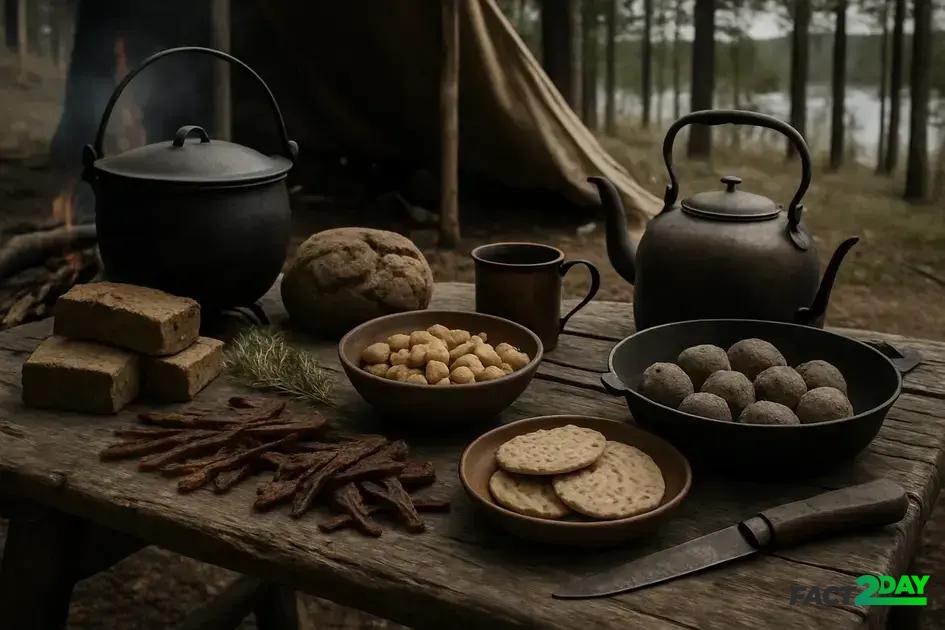
Extreme Survival Cuisine uncovers the most ingenious and bizarre historical recipes crafted to overcome extreme hunger and survive the harshest conditions.
Imagine a courtroom where the accused is an animal rather than a human. This unusual scenario was actually common in medieval Europe, where animals faced formal legal trials.
Pigs were sometimes condemned for murder, and beetles were even excommunicated for destroying crops. These trials involved legal representation, witnesses, and appeals, showing how seriously people took them.
This strange practice reveals how people once viewed animals as moral beings capable of wrongdoing. It sheds light on the close connection between law, spirituality, and society during that time.
Though odd today, these trials remind us of how ideas about justice and personhood have changed. They invite us to think about how humans have historically understood responsibility and morality—not just for people, but for animals too.
Consider for a moment the challenge posed by Extreme Survival Cuisine: how have people throughout history crafted the most ingenious and bizarre recipes to overcome extreme hunger? Let us explore the creative and often surprising solutions devised for survival in unforgiving circumstances.
Origins of extreme survival cuisine throughout history
Extreme survival cuisine has deep roots that trace back to humanity’s earliest encounters with nature’s unforgiving challenges. As civilizations evolved, so did the ingenuity required to stay alive in the face of scarcity and harsh conditions. From prehistoric times, people relied on foraging wild plants, hunting, and using fire not only to cook but to preserve food.
Ancient societies developed methods to extend their food sources, including drying, smoking, and fermenting. These techniques allowed them to store food for leaner times, laying the groundwork for survival cuisine. During famines, sieges, or long voyages, resourcefulness became vital. Cultures worldwide crafted peculiar recipes using anything at hand — insects, tree bark, or even animal blood — showcasing humanity’s ability to adapt its diet to extreme hunger.
Notably, explorers and indigenous tribes displayed remarkable culinary creativity. They often incorporated local knowledge of edible plants and unconventional protein sources. For instance, Native Americans used pemmican — a concentrated mixture of fat and protein — to sustain long travels, while Arctic peoples relied on raw and preserved meats to withstand freezing climates.
Significance of survival cuisine history
Understanding these origins provides insight into human resilience and the cultural exchanges that shaped survival foods. It also highlights the intersection of necessity and innovation, where extreme hunger inspired some of history’s most resourceful cooking strategies. Extreme Survival Cuisine is not just about eating to survive but adapting culinary traditions to overcome nature’s toughest tests.
Unusual ingredients used in survival recipes
Survival recipes often relied on unusual ingredients that many would consider inedible today. When faced with extreme hunger, people turned to whatever was available, transforming unconventional resources into crucial nourishment. Ingredients like insects, tree bark, roots, and animal blood became staples in various cultures during harsh times.
Insects such as grasshoppers, ants, and beetles provided a high-protein alternative in many survival situations. They are abundant, easy to collect, and rich in nutrients. In some regions, indigenous peoples have long integrated insects into their diets, knowing they supply essential energy when other food sources are scarce.
Another key ingredient was tree bark, especially the inner bark or cambium layer. Stripped from certain trees, it was ground into flour or added to soups for extra calories and fiber. While not particularly tasty, it provided sustenance during times of famine. Roots and tubers from wild plants were also gathered and cooked for their carbohydrates.
Animal blood and organs were utilized completely in survival cooking to avoid waste. Blood could be used to make pudding or thickening agents, while organs supplied vital nutrients often lacking in muscle meat. Some recipes mixed these with grains or herbs to improve flavor and texture.
Why these ingredients mattered
The use of such ingredients reflects human adaptability and resourcefulness. They allowed survival in diverse environments and under extreme conditions. This creativity in sourcing food not only saved lives but developed cultural practices around sustaining nutrition under pressure. These unusual components highlight the essence of Extreme Survival Cuisine—making the impossible edible when it mattered most.
Ingenious cooking methods in dire situations
In dire situations, cooking methods had to adapt quickly to limited resources and harsh environments. People developed ingenious techniques that maximized flavor, nutrition, and food preservation using minimal tools.
One common method was pit cooking, where food was wrapped and buried underground with hot stones or embers. This slow cooking process allowed tough meats and roots to become tender without firewood or pots. It was used by many indigenous cultures worldwide for its simplicity and efficiency.
Another technique involved smoking and drying food to extend its shelf life. By hanging meats and fish near a smoky fire, survival cooks could preserve vital protein for weeks or months. This method prevented spoilage in hot or humid climates where refrigeration was impossible.
Boiling with heated stones was also popular. When pots were unavailable, stones were heated in a fire and then placed into containers of liquid to reach boiling temperatures. This method allowed cooking soups, stews, and teas using handmade bark or animal skin containers.
In extreme cold regions, eating raw or fermenting foods became common. Fermentation not only preserved food but also added beneficial probiotics, helping maintain health under stress. Some Arctic cultures used fermentation to make unique survival foods from fish or seal.
Why these methods mattered
These cooking methods demonstrate human creativity in transforming scarce ingredients into edible meals. They highlight the importance of preserving nutrients and flavor while adapting to the environment. Extreme Survival Cuisine is as much about technique as ingredient, showing how people overcame hunger with resourceful cooking.
Impact of geographical conditions on survival food
Geographical conditions had a profound effect on the types of survival food available and the methods used to prepare them. Different environments offered distinct challenges and resources, shaping extreme survival cuisine across the world.
In arid regions, water scarcity and harsh heat limited agricultural options. People relied heavily on hardy plants like cacti or desert roots, and animals adapted to the dry climate. Foods were often dried or salted to preserve moisture and nutrition for long journeys. Techniques such as sun drying and using underground storage pits were common.
Cold climates presented the opposite challenge: preserving food in freezing conditions and finding high-calorie sources to survive the cold. Indigenous peoples in the Arctic relied on raw and preserved meat from seals, fish, and caribou. They developed methods like freezing, fermenting, and drying to keep food edible in brutal winters.
Tropical areas offered abundant plants but also rapid food spoilage due to heat and humidity. Survival cooking here emphasized fermentation and smoking. Wild fruits, roots, insects, and small animals provided diverse nutrition. Cooking often adapted to quick preparation to avoid food wastage.
Adapting to the land
Extreme Survival Cuisine is a testament to human adaptability, showing how people created diets based on the land’s offerings. Understanding geography helps explain the diversity of survival foods and techniques across cultures, reflecting the interplay between environment and sustenance.
Famous historical cases of survival food ingenuity
History is filled with remarkable examples of survival food ingenuity that reveal how humans have creatively overcome extreme hunger. These cases often involve resourcefulness under pressure, turning limited supplies into life-saving meals.
One famous instance is the Siege of Leningrad during World War II. Residents endured starvation and harsh winters, resorting to eating tree bark, shoe leather, and even glue to survive. Improvised recipes used these unusual ingredients to stretch food supplies as long as possible.
Another well-known example is the story of the Andes plane crash survivors in 1972. Stranded in freezing mountains, the survivors had to use parts of the deceased as a food source to stay alive until rescue. This horrifying choice highlights the extreme measures sometimes required in survival cuisine.
The tale of Arctic explorers such as Ernest Shackleton also demonstrates ingenious survival cooking. They relied on preserved pemmican, seal meat, and fish, using minimal fuel to cook meals that provided essential calories and nourishment in the frozen environment.
Ingenuity in desperate times
These cases show how survival food ingenuity is not only about what is eaten but also about creative preparation and mental strength. Extreme Survival Cuisine reveals the lengths humans will go to endure and adapt in the face of hunger and disaster.
Nutritional challenges in extreme hunger scenarios
Extreme hunger poses serious nutritional challenges that affect both physical and mental health. In survival situations, the body requires sufficient calories, protein, vitamins, and minerals to function, but food is often scarce or lacks diversity.
One major challenge is the risk of malnutrition, which can lead to muscle loss, weakened immunity, and impaired cognitive function. Often, survival foods provide enough calories but fall short on essential nutrients like vitamins C, D, and B-complex.
Protein deficiency is common in these scenarios. Without enough protein, the body breaks down muscle tissue for energy, which reduces strength and endurance. Survival recipes sometimes included unconventional protein sources like insects or animal organs to address this need.
Another important issue is hydration. Even when food is available, lack of clean water can worsen health outcomes. Some survival cuisines incorporated watery plants or broths to help maintain hydration levels.
Strategies to combat nutritional gaps
Historical survival diets often focused on nutrient-dense foods, even if unappealing. Techniques like fermentation helped improve nutrient availability and gut health. Inclusion of fat-rich foods was also crucial, as fats provide long-lasting energy and aid in vitamin absorption.
Extreme Survival Cuisine highlights the delicate balance between calorie intake and nutritional value, reminding us that survival depends not just on eating but consuming the right nutrients to sustain life under pressure.
Cultural influences on survival cuisine recipes
Survival cuisine recipes are deeply shaped by the cultural backgrounds of the people who created them. Traditions, taboos, and available resources influence what ingredients are used and how food is prepared during times of scarcity.
Different cultures incorporate unique endemic plants, animals, and cooking practices into their survival foods. For example, indigenous tribes in the Amazon might rely heavily on insects and tropical roots, while Arctic communities use preserved meats and fish from local animals.
Religious beliefs and societal norms can also affect survival diets. Certain animals may be forbidden while others are prized for their nutritional or spiritual significance. Cooking methods often reflect ancestral techniques adapted for survival situations.
Furthermore, trade and cultural exchanges introduced new ingredients and recipes that sometimes became indispensable in survival contexts. For instance, the introduction of pemmican by Native Americans influenced explorers and settlers in North America.
Preserving identity through food
Survival cuisine not only sustains life but also preserves cultural identity under extreme conditions. The use of familiar flavors, rituals, and ingredients provides emotional comfort and a link to home, showing that Extreme Survival Cuisine is as much about culture as it is about sustenance.
Psychological aspects of eating in survival situations
Eating in survival situations goes beyond physical nourishment; it also plays a vital role in psychological well-being. The act of consuming food can provide comfort, hope, and a sense of normalcy in otherwise chaotic conditions.
Stress and anxiety often affect appetite and digestion during extreme hunger. People may struggle with the mental burden of scarcity, which can lead to food aversion or overeating when possible. Maintaining some form of routine around meals helps counter these effects.
Sharing food, even in small amounts, builds social bonds and morale. Communal eating fosters cooperation and mutual support, which are crucial for survival. Cultural food preferences and familiar flavors also offer emotional reassurance that helps reduce psychological distress.
Imagination and creativity often come into play as people adapt to limited ingredients. Experimenting with textures and flavors can distract from hardship and provide a sense of control. This ingenuity is a key aspect of Extreme Survival Cuisine.
Mind and body connection in survival eating
Understanding the psychological aspects of eating shows that survival cuisine is not only about nutrients but also about emotional resilience. Food can be a source of motivation and strength when facing adversity.
Modern adaptations of historical survival recipes
Modern adaptations of historical survival recipes take age-old techniques and ingredients and update them with contemporary knowledge and tools. These adaptations retain the essence of Extreme Survival Cuisine while improving nutrition, safety, and flavor.
One popular method is the incorporation of traditional preservation techniques like smoking, drying, and fermenting combined with modern food safety standards. This allows survival foods to last longer and retain beneficial nutrients without the risks of spoilage.
Chefs and survival experts also use modern substitutes for rare or difficult ingredients found in historical recipes. For example, insects may be replaced with protein-rich powders or sustainable plant-based alternatives. Cooking equipment like portable stoves and vacuum sealers make preparation easier and more efficient.
Recipe modifications often focus on boosting nutrient density and palatability. Adding spices, herbs, and flavor enhancers makes survival meals more appealing, which can improve morale during tough times. Nutritional supplements may be integrated into traditional dishes to meet modern dietary needs.
Blending tradition with innovation
These modern adaptations honor survival cuisine history while making it accessible and practical for today’s adventurers and emergency preparedness. They reflect how age-old wisdom continues to inspire creative solutions to extreme hunger challenges.
Lessons learned from ancient survival cuisine
Ancient survival cuisine teaches us valuable lessons about human resilience and adaptability. By examining these recipes and methods, we understand how past societies managed to sustain themselves during extreme hunger and harsh conditions.
Resourcefulness stands out as a key lesson. Ancient peoples used every edible part of plants and animals, developing unique preparation techniques to maximize nutrition and minimize waste. This mindset is crucial when modern resources are limited.
Another important lesson is the value of food preservation. Techniques such as drying, smoking, fermenting, and salting extended the shelf life of foods, allowing them to last through seasons of scarcity. These methods preserve not only food but also important nutrients.
Additionally, ancient survival cuisine underscores the importance of local knowledge. Knowing which wild plants, insects, and animals are safe and nutritious helped people avoid poisoning and starvation. This knowledge was passed down through generations, reinforcing community bonds.
Applying ancient wisdom today
Today, these lessons inspire survivalists, cooks, and nutritionists to create sustainable food solutions that honor tradition while leveraging modern science. Extreme Survival Cuisine reminds us that innovation paired with respect for nature can guide us through even the toughest challenges.
Embracing the lessons of extreme survival cuisine
Extreme survival cuisine reveals the incredible creativity and resilience of people facing hunger and harsh conditions. By learning from ancient recipes and methods, we gain insight into how innovation and deep knowledge of the environment can sustain life even in the toughest times.
These lessons remind us to value resourcefulness, preservation techniques, and cultural wisdom when approaching food scarcity challenges today. Survival cooking is more than just eating; it is a testament to human endurance and adaptability.
By blending tradition with modern approaches, we can honor this heritage while preparing for uncertain futures. Extreme survival cuisine encourages us to think differently about food, nature, and survival in a rapidly changing world.