Beauty That Kills: History’s Most Dangerous and Deadly Fashion Trends
Deadly Fashion reveals the dark side of style with history's most dangerous and deadly trends that captivated and threatened lives.
Exoplanets are planets orbiting stars beyond our solar system, discovered through methods like detecting slight dimming of starlight, revealing a vast and diverse universe filled with countless worlds awaiting exploration.
Have you ever wondered how Deadly Fashion shaped history beyond beauty? Some of the most glamorous trends were actually deadly, putting lives at risk for style. Let’s explore these fascinating yet hazardous tales together.
The toxic allure of arsenic green dresses
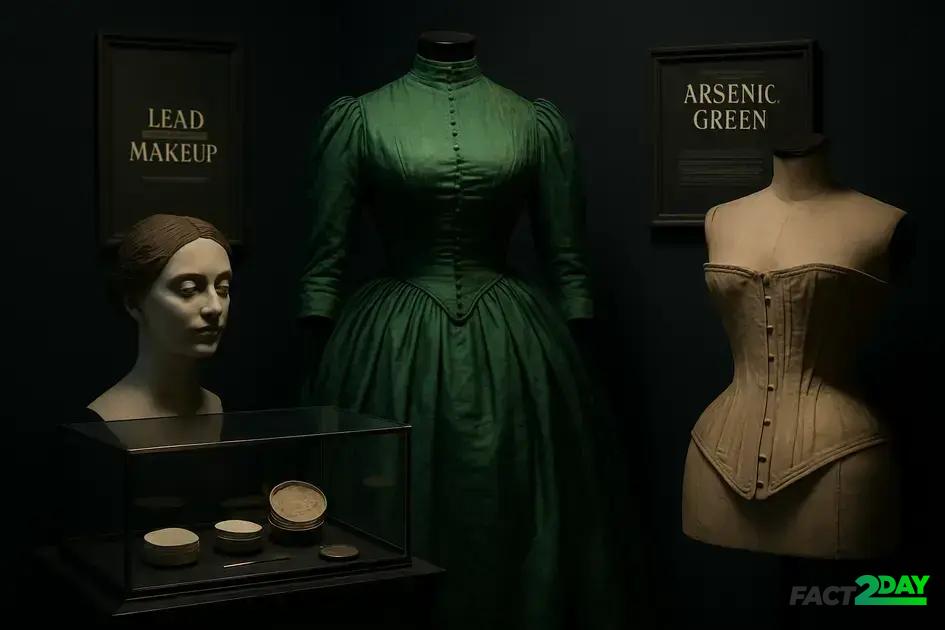
In the 19th century, arsenic green dresses became a popular fashion statement, admired for their vibrant, eerie color. However, this beauty came at a dangerous cost. The green dye used in these dresses was made from copper arsenite, a toxic compound that could cause severe health problems.
Women and dressmakers exposed to the arsenic would often suffer from symptoms like skin irritation, respiratory issues, and in severe cases, arsenic poisoning. The risk extended beyond just the wearer; the manufacturing process released poison into the environment and harmed workers.
The color was so vivid and fashionable that people sometimes ignored the dangers. Some even believed arsenic-treated fabrics kept moths away, adding a false sense of safety around these garments.
Health risks and societal impact
The use of arsenic in clothing led to tragic cases of chronic poisoning. Women developed rashes and persistent illnesses, often mistaking symptoms for other ailments. The deadly trend faced public backlash as awareness grew, eventually leading to bans on arsenic dyes in textiles.
Today, the story of arsenic green dresses reminds us of the hidden hazards that once lurked in the pursuit of fashion. It highlights how the desire for bold style sometimes overshadowed health and safety, a lesson still relevant in modern fashion choices.
Corsets and the cost of a slender waist
Corsets have been a symbol of fashionable beauty for centuries, designed to shape the waist into a slender, hourglass figure. However, wearing tight corsets came with a high price. Many women experienced discomfort, restricted breathing, and even internal organ damage due to prolonged use.
Health issues linked to corset wearing included fainting, muscle weakness, and deformed ribs. The pressure exerted by the corset could push organs like the liver and lungs out of place, causing long-term damage. Despite these risks, corsets remained popular, as societal standards prized a tiny waist.
The social pressure behind corset use
Women felt compelled to wear corsets not only to fit fashion trends but to conform to ideals of beauty and status. This fashion often limited physical activity and caused chronic pain, yet it was seen as a necessary sacrifice.
Medical professionals of the time sometimes warned about the dangers, but the desire for a slender waist often overpowered health concerns. The history of corsets reveals how beauty standards can influence harmful practices.
Lead makeup: beauty with a deadly price
Lead-based makeup was widely used in the 18th and 19th centuries to achieve a pale complexion considered fashionable at the time. Products like face powders and paints contained lead white, which gave skin a smooth, porcelain look, but this beauty came with grave health risks.
Exposure to lead caused symptoms such as skin irritation, hair loss, and severe poisoning. Chronic use led to serious problems including anemia, neurological damage, and even death. Many women unknowingly suffered from these effects while striving to maintain society’s ideal appearance.
The hidden dangers behind the glamor
Lead makeup also caused skin to become more sensitive and prone to infection. Despite warnings by some doctors, the trend persisted for decades due to limited consumer knowledge and the high social value placed on pale skin.
This hazardous obsession with lead makeup highlights the risks people have faced throughout history in pursuit of beauty, underscoring how fashion can sometimes weigh heavily on health.
The hazards of mercury in historical cosmetics
Mercury was commonly used in historical cosmetics, especially in skin lightening creams and ointments. Its ability to smooth and whiten skin made it popular, but mercury exposure posed serious health risks. Users often faced mercury poisoning without knowing the danger.
Symptoms included skin rashes, swelling, tremors, and even damage to the kidneys and nervous system. Prolonged use of mercury-containing products caused irreversible harm, yet many continued to use these cosmetics to meet beauty standards.
The impact on health and society
The allure of radiant skin drove widespread use, despite growing evidence of mercury’s toxicity. Some historical records show that entire communities suffered from mercury poisoning linked to these products.
This history serves as a cautionary tale about the harmful ingredients once embraced in the name of beauty, emphasizing the importance of safety in modern cosmetics.
Shoes that deform: the quest for elegance
Throughout history, shoes have been more than just footwear; they were a symbol of status and elegance. However, some shoe designs caused serious physical deformities in pursuit of style. For example, tight, pointed shoes in medieval Europe squeezed toes into unnatural shapes.
These shoes often led to foot pain, blisters, and permanent deformities like bunions and hammertoes. Despite the discomfort, fashionable people chose style over comfort to meet social expectations.
The physical toll of elegant footwear
In some cultures, shoes were deliberately designed small to show wealth, as it suggested the wearer did not perform manual labor. Women’s heels in the Renaissance also caused balance issues and foot injuries.
This obsession with elegant footwear reminds us how fashion sometimes comes with hidden costs, affecting health and mobility for the sake of appearance.
The risks of feathered hats and bird plucking
Feathered hats were a popular fashion accessory during the late 19th and early 20th centuries, but they came with unforeseen risks. The demand for exotic feathers led to the mass plucking and killing of birds, threatening many species with extinction.
Health risks were also present; handling and wearing feathered hats exposed wearers and milliners to feathers covered in bacteria and parasites, sometimes causing respiratory problems and infections.
The environmental and ethical impact
The large-scale bird plucking not only harmed wildlife populations but also sparked early conservation movements. Despite this, feathered hats remained a coveted status symbol, making the fashion trend hard to give up.
Today, these hats are reminders of the environmental costs hidden behind style, emphasizing the need for ethical fashion choices.
The deadly thread: flammable fabrics through history
Throughout history, flammable fabrics have caused numerous accidents and deaths, making fashion a hidden danger. Materials like cellulose nitrate and early synthetic fibers were highly combustible, often used in garments to achieve luxurious looks without awareness of the risks.
Fires caused by clothing led to severe burns and fatalities, especially when garments caught fire from candles, fireplaces, or gas lamps common in past centuries. Women’s voluminous skirts and men’s suits made from these fabrics could quickly become engulfed in flames.
Efforts to improve fabric safety
Over time, regulations and the development of fire-resistant materials reduced these dangers. However, the deadly thread of flammable fabrics serves as a stark reminder of how fashion trends sometimes overlooked safety for style.
Understanding this history helps highlight the importance of safety standards in today’s textile and fashion industries.
Exotic furs and their dangerous origins
Exotic furs have long been symbols of luxury and status, but their acquisition came with hidden dangers. Many furs were sourced from wild animals in remote regions, exposing trappers and handlers to harsh conditions and diseases.
Risks involved included infections from animal bites, exposure to harsh climates, and the spread of zoonotic diseases. People working in the fur trade often faced life-threatening hazards without modern medical care.
Environmental and ethical concerns
The demand for exotic furs also contributed to the decline of many animal populations, raising early concerns about wildlife conservation. Despite this, the trend persisted as fur remained a coveted fashion item.
Understanding the dangerous origins of exotic furs reminds us of the ethical and health issues linked to luxury fashion in history.
Heavy jewelry and its physical toll
Heavy jewelry has often been a symbol of wealth and power, but wearing large and weighty pieces came with physical challenges. For centuries, elaborate necklaces, earrings, and bracelets made from precious metals and stones caused discomfort and even long-term bodily harm.
The physical impact of heavy jewelry included strained neck muscles, headaches, and skin irritation. Earrings that pulled on earlobes could cause tearing or permanent stretching, while heavy necklaces sometimes affected posture and spinal alignment.
Balancing beauty with health
Despite these risks, people continued to wear heavy jewelry to display status and fashion sense. In some cultures, the discomfort was accepted as the price of elegance and social standing.
This history reveals how fashion choices can carry hidden costs to well-being, reminding us to consider comfort alongside style.
The perils of tight-laced Victorian clothing
Tight-laced Victorian clothing was designed to create a dramatically slim waist and an elegant silhouette. However, the practice of lacing corsets tightly caused severe health problems, including difficulty breathing, weakened muscles, and damage to internal organs.
Medical issues arising from tight-lacing included fainting spells, digestive troubles, and rib deformities. Women often endured pain and restricted movement to meet the era’s beauty standards.
Social pressure and fashion risks
Despite growing concerns from doctors, tight-lacing remained common due to intense societal pressure. The fashion ideal valued appearance over comfort or health, leading many to sacrifice their well-being.
This dangerous trend shows how Victorian fashion sometimes prioritized style at a great cost to women’s bodies.
Modern fashion risks: lessons from the past
Modern fashion continues to face risks that echo past dangers. Synthetic materials, chemical dyes, and fast fashion production can cause health and environmental problems. For example, some textiles release harmful chemicals, while rapid production often neglects worker safety.
Environmental impact includes pollution from dye factories and textile waste, harming ecosystems. Workers in some countries face unsafe conditions, showing the ongoing human cost behind fashion trends.
Lessons from history
Past deadly fashion trends teach us to prioritize safety, ethics, and sustainability in today’s industry. Consumers and designers must learn from history to avoid repeating harmful mistakes.
By understanding these risks, modern fashion can evolve into a more responsible and healthier practice for both people and the planet.
Learning from history’s deadly fashion mistakes
Fashion has always been about expressing style, but many trends came with serious risks to health and safety. Understanding the dangers of toxic dyes, tight corsets, and harmful materials helps us appreciate how far we’ve come.
By remembering the past, we can make better choices in clothing and beauty today. Prioritizing safety, comfort, and ethics ensures that style doesn’t come at the cost of well-being.
Fashion should empower, not endanger. Let’s take lessons from history to create a stylish and safe future for everyone.