Ghost Lights and Will-o’-the-Wisps: Nature’s Most Mysterious Luminous Phenomena
Explore the enchanting world of luminous phenomena, from ghost lights to will-o'-the-wisps, and uncover nature's most mysterious glowing secrets.
Imagine a courtroom filled with the usual roles: a judge overseeing proceedings, a jury listening intently, and lawyers presenting arguments. But here’s the twist—the defendant isn’t a person; it’s an animal. This strange but real practice happened in medieval Europe, where animals were put on trial.
Pigs accused of murder, beetles blamed for destroying crops, and other creatures faced formal trials. These were serious events, sometimes including legal counsel, witnesses, and even appeals. Such trials reveal how people of that era viewed justice, responsibility, and the natural world as deeply connected with religious and legal rules.
Back then, animals were seen not just as property but as moral beings who could commit wrongs and deserved a fair trial. This unusual chapter in history encourages us to think about how ideas of law and morality change over time. It also shows how humans have long struggled to set the limits of guilt and innocence—even for the most unexpected defendants.
Consider for a moment the allure of luminous phenomena—those enigmatic ghost lights and will-o’-the-wisps that flicker mysteriously in the dark. What truths and mysteries do these natural glows reveal about our world? Join me as we delve into their fascinating origins and cultural significance.
What are luminous phenomena and why do they fascinate us?
Luminous phenomena refer to natural or unexplained lights that appear in various environments, often evoking wonder and curiosity. These glowing displays can happen in marshes, forests, or even open fields at night, creating an eerie or magical atmosphere.
People have been fascinated by these lights for centuries, as they challenge our understanding of nature and spark stories, myths, and legends. The mysterious nature of these lights raises questions: Are they caused by gases, biological reactions, or something else? This uncertainty draws both scientists and thrill-seekers alike to explore and explain them.
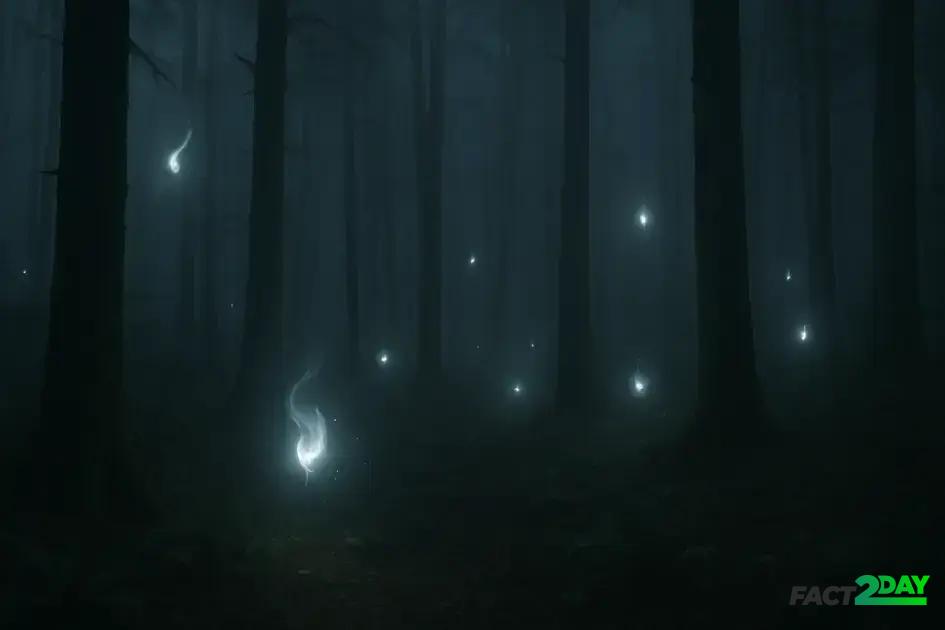
Will-o’-the-wisps and ghost lights are some of the most well-known examples, often seen as flickering flames or glowing orbs. Their unpredictable movements and elusive presence make them even more intriguing.
In many cultures, these luminous phenomena are thought to be supernatural or spiritual, while modern science seeks logical explanations through atmospheric and chemical studies. This intersection of folklore and science adds depth to their allure.
Ultimately, luminous phenomena captivate us because they represent the unknown—a visual reminder that despite all our knowledge, nature still holds secrets waiting to be uncovered.
Historical accounts of ghost lights around the world
Throughout history, reports of ghost lights have appeared in many cultures across the world. These lights are often described as flickering or floating orbs seen in remote or eerie locations, puzzling observers for generations.
In Europe, will-o’-the-wisps are frequently mentioned in folklore, especially in marshy areas of England and Ireland. These lights were once believed to lure travelers off safe paths into danger. Medieval writings and oral traditions shared stories about such mysterious glowing phenomena.
In Asia, similar lights are documented in Japanese and Chinese legends. The Japanese call them “hitodama,” spirits appearing as floating balls of fire, often regarded as souls of the dead. These cultural tales highlight the spiritual significance attributed to such lights.
North American indigenous tribes have long told stories of ghost lights that appear near burial sites or sacred grounds. For example, the Ojibwe speak of the “Manitou Light,” a mysterious flame said to protect or warn.
These accounts vary but share common features: lights appearing in darkness, often linked to spiritual or supernatural beliefs. Historical records provide valuable insights into how humans have interpreted these enigmatic luminous phenomena across time and geography.
Scientific explanations behind will-o’-the-wisps
Will-o’-the-wisps have intrigued people for centuries, but modern science offers explanations based on natural phenomena. These mysterious lights are often caused by the combustion of gases released from decaying organic matter in wetlands and marshes.
One key explanation involves the release of phosphine (PH3), methane (CH4), and diphosphane (P2H4) gases. When these gases come into contact with oxygen in the air, they can ignite spontaneously, producing faint flickering flames near the ground.
This process is usually invisible to the naked eye until the gases ignite, creating the classic blue or green glowing light associated with will-o’-the-wisps. The intensity and color of the light can vary depending on environmental factors such as temperature and humidity.
Bioluminescence also contributes to some luminous phenomena. Certain organisms, like fungi and insects, emit light through chemical reactions in their bodies. However, this light tends to be steadier and less erratic than the flickering of will-o’-the-wisps.
Another scientific perspective considers atmospheric conditions. Mist, temperature inversions, and light refraction can create optical illusions that make distant lights appear to float or flicker in seemingly impossible ways.
While science has provided many answers, the elusive nature of will-o’-the-wisps means some occurrences remain unexplained, keeping the mystery alive.
Cultural interpretations and folklore surrounding ghostly lights
Ghostly lights have deep roots in many cultures, often surrounded by rich folklore and interpretations that reflect local beliefs. These stories give meaning to natural luminous phenomena and connect them to spiritual or supernatural realms.
In European folklore, will-o’-the-wisps were believed to be mischievous spirits or fairies that led travelers astray, sometimes causing them to get lost in dangerous marshes. Such tales often served as warnings about the dangers of wandering into unknown or unsafe areas at night.
In Japanese culture, ghost lights called “hitodama” are seen as the souls of the departed. These glowing orbs are thought to appear near cemeteries or places of death, symbolizing the presence of spirits. This belief highlights the connection between luminous phenomena and the afterlife.
Native American tribes also have numerous legends involving glowing lights. Some see them as sacred signs, messengers from the spirit world, or protectors of sacred sites. These interpretations show respect for nature and the unseen forces within it.
Folklore often describes ghost lights as omens, guides, or warnings. Across cultures, the fascination with these lights reveals humanity’s effort to understand and explain the mysterious glowing phenomena in their environment.
Natural conditions that create luminous effects
Luminous effects in nature occur thanks to a mixture of physical and chemical conditions. These conditions often involve moisture, temperature, organic matter, and atmospheric elements that come together to create glowing or flickering lights.
One key factor is the presence of wetlands, marshes, or swampy areas where decaying plants release gases like methane. When these gases escape into cooler air, they may ignite spontaneously, producing faint flames that appear as ghost lights.
Humidity and temperature also play vital roles. Cool nights with high humidity help preserve the gases and create mist, which can reflect and scatter light, enhancing the glowing appearance.
Bioluminescent organisms add to these effects in some areas. Certain fungi, bacteria, and insects emit light through natural chemical reactions. Their glow is steady and often greenish, contributing to the overall luminous display in forests or damp environments.
Atmospheric conditions like fog, dust, and temperature inversions can bend and distort light, creating illusions of floating or moving lights. These natural factors combine to make luminous phenomena both fascinating and unpredictable.
Differences between ghost lights and similar phenomena
Ghost lights and similar luminous phenomena often get confused, but they have distinct characteristics. Ghost lights are typically unexplained glowing orbs or flickering lights appearing in nature, often linked to folklore and mystery.
One key difference is that ghost lights are usually transient and unpredictable, moving erratically across marshes, forests, or rural areas. In contrast, some similar phenomena like will-o’-the-wisps are specifically linked to swamp gases igniting and tend to have a bluish or greenish flicker near the ground.
Other luminous phenomena include bioluminescent organisms, such as fireflies or glowing fungi, which emit light steadily and are biological in origin. These lights do not move as unpredictably as ghost lights and often have a softer glow.
Additionally, some atmospheric effects like ball lightning or light pillars can look similar but have different causes. Ball lightning is a rare electrical phenomenon occurring during storms, while light pillars are optical illusions caused by ice crystals reflecting light vertically.
Understanding these differences helps separate myths from science and clarifies what makes ghost lights genuinely mysterious.
Famous locations known for mysterious luminous displays
Many locations around the world are famous for their mysterious luminous displays, attracting curious visitors and researchers alike. These sites often have unique environmental or cultural conditions that contribute to the appearance of ghost lights and similar phenomena.
The Marfa Lights in Texas, USA, are among the most well-known. These mysterious glowing orbs have been reported for over a century in the desert near the small town of Marfa. Despite multiple studies, their exact cause remains unexplained, fueling speculation and legend.
In Japan, the Akita Prefecture is known for mysterious fireballs called “hitodama.” These luminous orbs are said to appear near forests and rivers, deeply embedded in local folklore as spirits or souls wandering the earth.
Another famous site is the Hessdalen Valley in Norway, where strange lights have been observed for decades. The Hessdalen lights vary in color and shape, sometimes hovering or moving rapidly, making this area a hotspot for scientific study into atmospheric phenomena.
The Foxfire phenomenon, seen in the forests of the Appalachian region in the United States, involves the natural glow of certain fungi on decaying wood. This bioluminescent light has a haunting but steady glow and inspired the term “foxfire” in folklore.
Each of these places offers a glimpse into the world of luminous phenomena, mixing natural science with cultural mystery and drawing those fascinated by the glowing unknown.
The role of bioluminescence in natural glowing events
Bioluminescence is a natural process where living organisms produce light through chemical reactions within their bodies. This phenomenon plays a significant role in many natural glowing events observed in forests, oceans, and wetlands.
Many marine creatures like jellyfish, plankton, and certain fish use bioluminescence for communication, camouflage, or attracting prey. Their glowing bodies create stunning displays of light often seen in dark ocean waters, known as “sea sparkle.”
On land, bioluminescent fungi grow on decaying wood and emit a steady greenish glow. These fungi are sometimes called “foxfire” and have inspired myths and legends due to their eerie, magical light in dark forests.
Fireflies or lightning bugs, another example of bioluminescence, use flashing lights to attract mates during warm summer nights. Their synchronized blinking creates enchanting natural light shows in many parts of the world.
The chemical reaction behind bioluminescence involves luciferin molecules reacting with oxygen, catalyzed by the enzyme luciferase, which produces light without heat. This efficiency helps organisms use light without wasting energy.
Overall, bioluminescence adds a fascinating and beautiful layer to natural luminous phenomena, offering both survival advantages to organisms and wonder to human observers.
How weather and atmospheric conditions influence luminous phenomena
Weather and atmospheric conditions greatly affect how luminous phenomena appear and behave. Factors like humidity, temperature, fog, and air pressure can change both the visibility and intensity of glowing lights.
High humidity and fog can cause light to scatter, making ghost lights or will-o’-the-wisps look more diffuse and mysterious. Mist can also reflect and refract light, expanding its glow and creating illusions of movement or size changes.
Temperature inversions, where a layer of cooler air is trapped below warmer air, can trap gases near the ground. This condition can increase the chances of gases like methane igniting to form visible ghost lights.
Wind influences how these lights move. Gentle breezes can make them appear to dance or flicker erratically, while stronger winds might disperse the gases, dimming or extinguishing the lights.
Atmospheric particles like dust, smoke, or pollution can affect light clarity and color, sometimes tinting the glow greenish, bluish, or other shades.
Stars and moonlight also impact the contrast and visibility of luminous phenomena. A clear dark night offers the best backdrop to observe faint glowing lights clearly.
Modern research and technological approaches to study ghost lights
Modern research into ghost lights uses advanced technology to explore and explain these mysterious luminous phenomena scientifically. Researchers employ equipment such as infrared cameras, spectrometers, and drones to capture and analyze these elusive lights.
Infrared cameras allow scientists to observe ghost lights invisible to the naked eye, revealing heat signatures and movement patterns. These tools help detect whether the lights are caused by physical objects or gases.
Spectrometers analyze the light’s spectrum to identify its chemical composition. This helps determine if the glow results from natural gases like methane, phosphine, or bioluminescent organisms.
Drones equipped with sensors and cameras can access remote or hazardous locations where ghost lights occur, providing real-time data and close-up visuals without risking human safety.
Researchers also use environmental sensors to monitor humidity, temperature, and gas concentrations simultaneously with visual recording to correlate atmospheric conditions with light appearances.
Moreover, computer modeling and simulations recreate conditions thought to produce ghost lights, helping scientists test and refine hypotheses about their origins.
These technological advancements bring us closer to understanding ghost lights, balancing scientific inquiry with the age-old intrigue that surrounds these luminous mysteries.
Why luminous phenomena continue to captivate human imagination
Luminous phenomena captivate human imagination because they represent the mysterious and the unexplained in our natural world. Their glowing presence in the darkness sparks curiosity, wonder, and sometimes fear, as people search for meaning beyond ordinary experience.
These phenomena often appear suddenly and unpredictably, challenging our understanding and inviting us to explore the unknown. Their eerie lights carry a sense of magic and mystery that has inspired myths, legends, and artwork across cultures.
Humans are naturally drawn to stories and symbols that connect to the unseen or spiritual realms. Ghost lights and will-o’-the-wisps often symbolize this connection, reflecting themes of life, death, and the supernatural.
In addition, luminous phenomena remind us of the beauty and complexity of nature. Their delicate and sometimes fleeting glow encourages observation and appreciation of our environment.
Scientific efforts to explain these lights also fuel imagination, as each discovery raises new questions and deepens the mystery.
Ultimately, luminous phenomena continue to inspire because they sit at the crossroads of science, folklore, and human emotion, keeping the spark of wonder alive in our collective consciousness.
Exploring the mysteries of luminous phenomena
Luminous phenomena like ghost lights and will-o’-the-wisps continue to fascinate us with their mysterious glow. They remind us of the magic and wonder found in nature, bridging the gap between science and folklore.
While modern technology helps uncover the science behind these lights, the stories and emotions they inspire remain powerful. These glowing mysteries invite us to keep exploring, questioning, and appreciating the unknown.
Whether viewed from a scientific lens or as part of cultural stories, luminous phenomena enrich our understanding of the world and spark our imagination. Their enchanting presence keeps the wonder alive, drawing humans closer to nature’s hidden secrets.