Royalty in Crisis: History’s Most Bizarre and Insane Kings and Queens
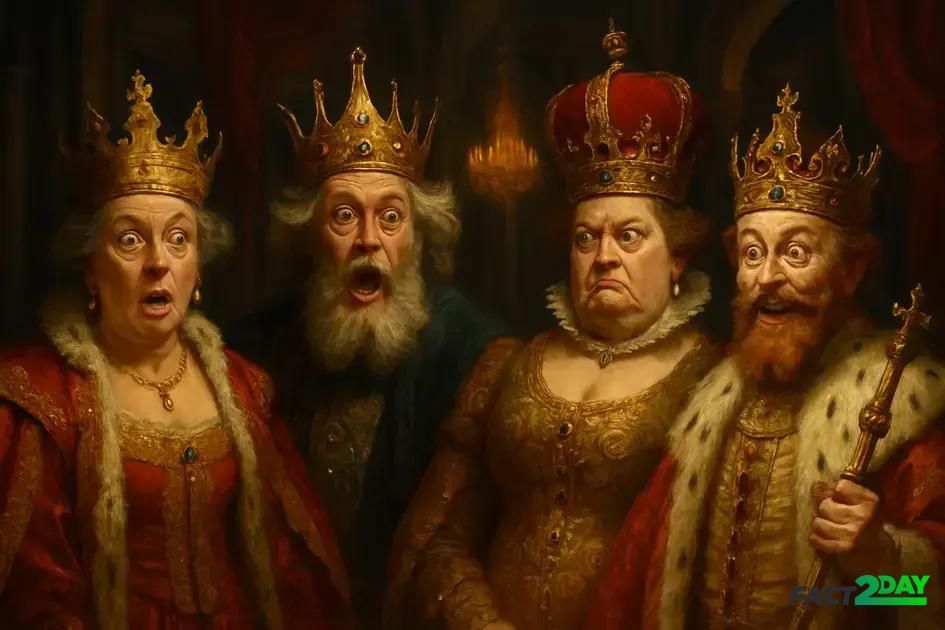
Crazy Kings Queens reveals the wildest and most insane monarchs in history. Prepare for jaw-dropping tales of royal madness and chaos!
Okay, so get this: ever stumbled across something super weird in a game that just… wasn’t supposed to be there? Well, back in the original Pokémon Red and Blue days, there was a glitch. Not just any glitch, but a legendary one: MissingNo.
You’d fish on Cinnabar Island, and suddenly, this messed-up block of pixels would pop up. It looked like static, sounded like a nightmare, and could literally break your game. Your Hall of Fame would corrupt, your graphics would go nuts – total chaos, man!
But here’s the wild part: players loved it. Why? Because if you caught this digital monstrosity, it’d duplicate items in your inventory. Suddenly, you had unlimited Rare Candies or Master Balls! It was a game-breaking bug that became a secret cheat code, an unofficial feature. Seriously, what other game turns a programming error into a fan-favorite legend? Mind. Blown.
Okay, so get this! Crazy Kings Queens isn’t just a phrase — it’s a dive into the absolute weirdest, wildest royals ever to rule. Ever wonder about the monarchs who basically broke the royal mold? This is your crash course in their insane stories.
The craziest monarchs in history
Throughout history, some monarchs have stood out not just for their power but for their wildly unpredictable behavior. The craziest monarchs often mixed eccentric habits with controversial decisions that baffled their contemporaries and historians alike. Take Ivan the Terrible of Russia, for example, who was known for his brutal outbursts and paranoia that led to ruthless purges. Another is King Ludwig II of Bavaria, who was obsessed with fairy tales and castles, often withdrawing into a fantasy world.
Unusual behaviors and eccentricities
These rulers showed eccentricities beyond the norm, such as Emperor Caligula, who reportedly made his horse a senator to mock the Roman elite. Queen Ranavalona I of Madagascar enforced brutal laws and isolated her kingdom for decades. Their behaviors often blurred the lines between madness and calculated rule.
Impact on their kingdoms
While some of these monarchs brought chaos and suffering, others left behind fascinating legacies. Their odd decisions sometimes led to instability, wars, or downfall but also to unique cultural impacts. The madness seen in their reigns teaches us how personal flaws in leadership can ripple through history.
Examining the lives of these insane rulers challenges the traditional idea of monarchy as solely dignified or glorious. It reminds us that behind the crowns were humans capable of profound creativity and alarming cruelty.
Notorious royal scandals and betrayals
History is filled with notorious royal scandals and betrayals that shocked kingdoms and changed the course of nations. One famous example is King Henry VIII of England, whose multiple marriages and break from the Catholic Church ignited religious turmoil and political upheaval. Scandals involving love affairs, power struggles, and betrayals often exposed the vulnerability behind royal power.
Scandals that rocked the throne
From secret affairs to public executions, royal scandals ranged from personal drama to political disasters. The affair between Queen Cleopatra and Julius Caesar caused major shifts in Roman politics. Similarly, the French queen Marie Antoinette faced rumors and lies that fueled public anger, eventually contributing to the French Revolution.
Betrayals within the royal family
Betrayal often came from within royal families themselves. Wars of succession and rivalries led to betrayals that included imprisonment, exile, and even assassination. The infamous case of Richard III, accused of murdering his nephews to claim the throne, highlights how dangerous family betrayals could be.
These scandals reveal the human emotions and ambitions behind royal facades. They also remind us how fragile kingdoms were when trust broke down among rulers and their closest allies.
Insane royal rituals and traditions
Many crazy kings and queens believed in bizarre rituals and traditions that today seem utterly insane. These royal customs often combined superstition, power, and spectacle to solidify their rule or intimidate enemies.
Rituals to prove royal divinity
Some monarchs performed grand ceremonies claiming divine right. Kings like Louis XIV of France used elaborate coronation rituals and public displays to convince people they ruled by God’s will. These events involved rare costumes, sacred objects, and strict protocols.
Strange traditions that amazed and confused
Other traditions included odd habits like English monarchs conducting the “Touching for the King’s Evil,” where they believed laying hands on sick people cured diseases. In India, the Mughal emperors held lavish court ceremonies with strict etiquette and symbolic gestures that outsiders found puzzling.
Survival rituals and sacrifices
Some rituals were dark and chilling. Ancient Chinese emperors had rituals involving human sacrifices to protect the realm or appease gods. Viking kings sometimes took part in brutal feasts and rites to show strength and unity.
These insane royal traditions reveal how power often mixed with mysticism and fear to maintain control. They serve as fascinating windows into how different cultures viewed leadership and order.
Kings and queens with infamous mental health struggles
Many kings and queens throughout history struggled with mental health issues that affected their reigns and personal lives. Some showed signs of depression, paranoia, or delusions, which complicated royal duties and decision-making.
Notable cases of mental illness in royalty
King George III of England is famous for his bouts of madness, now believed to be caused by a medical condition called porphyria. His illness led to periods where he was unfit to rule, causing political instability. Similarly, Queen Joanna of Castile, known as ‘Joanna the Mad’, suffered from severe mental illness that eventually confined her to a palace.
Impact on governance and legacy
These mental health struggles often created power vacuums or led to regencies, where others ruled in their stead. The unpredictability of these monarchs sometimes led to poor decisions or violent outbursts. However, their stories also highlight the human side of royalty and the stigma around mental illness in history.
Historical views and modern understanding
In earlier times, mental health was poorly understood, and afflicted monarchs faced isolation or mistreatment. Today, historians and psychologists revisit these cases to gain insight into the pressures of ruling and the importance of mental health care.
Bizarre royal punishments and executions
Royalty in the past often enforced bizarre punishments and executions that reflected the harshness and drama of their rule. These extreme measures were used to maintain power, instill fear, and punish betrayal or disobedience.
Unusual punishments for crimes
Some kings and queens practiced strange forms of punishment, like blinding, mutilation, or forcing criminals into humiliating public displays. For example, in medieval Europe, nobles guilty of treason could face gruesome executions like drawing and quartering.
Executions with shocking methods
Execution methods were often brutal and symbolic. The Tower of London was famous for imprisoning and executing those who threatened the English crown, including Anne Boleyn, who was beheaded by a skilled swordsman. In other cultures, rulers used poison or public hangings to send clear messages.
Political use of punishment
Beyond justice, punishments served political aims. Mutilation or exile could remove rivals from power without killing them. Public executions reinforced royal authority and deterred rebellion but often inspired fear and hatred among the people.
These bizarre royal punishments reveal a dark side of monarchy, where maintaining control often meant blending cruelty with spectacle.
Royal conspiracies that shook nations
Royal conspiracies have played a huge role in shaping history, often shaking entire nations to their core. These secret plots typically involved betrayal, power grabs, and political intrigue aimed at overthrowing rulers or changing the course of dynasties.
Famous plots that changed history
The Gunpowder Plot of 1605 is one of the most famous royal conspiracies. A group of English Catholics, including Guy Fawkes, attempted to blow up King James I and Parliament to restore Catholic rule. Although it failed, it left a lasting impact on British politics.
Hidden agendas within royal courts
Behind closed doors, many plots revolved around trusted advisors, family members, or nobles vying for influence. The infamous assassination of Tsar Nicholas II and his family in 1918 was partly driven by revolutionary conspiracies aiming to end the Romanov dynasty.
The effects of conspiracy on leadership
These conspiracies often led to paranoia and purges among kings and queens. Monarchs became suspicious of those closest to them, which sometimes weakened their rule. Yet, such plots also inspired dramatic stories of loyalty, courage, and betrayal that remain captivating today.
Exploring royal conspiracies reveals how fragile and dangerous the quest for power could be—a world full of secrets and sudden coups.
The weirdest royal hobbies and obsessions
Many kings and queens had weird hobbies and obsessions that often baffled their subjects and historians. These unusual interests sometimes influenced how they ruled or how they were remembered.
Uncommon pastimes of royalty
King Charles VI of France was obsessed with cleanliness and would reportedly take long baths multiple times a day. Queen Christina of Sweden loved literature and philosophy so much that she abdicated her throne to live a more intellectual life.
Animal obsessions
Some monarchs showed strong attachments to animals. King James I of England famously hated the sound of chewing and banned people from eating noisily. Emperor Caligula reportedly appointed his horse as a priest, showing his eccentric bond with animals.
Collecting and extravagance
Royal collections included strange items like rare shells, exotic plants, and peculiar artifacts. King Ludwig II of Bavaria was famous for his obsession with building extravagant castles inspired by fairy tales, reflecting his escapist tendencies.
These hobbies and obsessions humanize royalty, showing their quirky sides beyond the throne and highlighting how personal interests could shape history in unexpected ways.
Lost royal treasures and mysteries
Throughout history, many lost royal treasures and mysteries have sparked curiosity and intrigue. These treasures, often vast and priceless, were hidden, stolen, or vanished mysteriously, fueling legends and quests.
Famous lost treasures
The treasures of King Tutankhamun’s tomb in Egypt are among the most renowned, but many items were looted over centuries. The Amber Room, a dazzling chamber of amber panels gifted to the Russian Tsar, disappeared during World War II and remains missing.
Mysterious royal artifacts
Some royal artifacts vanished under strange circumstances. The French Crown Jewels were partly lost during the revolution, scattered or stolen. Other tales tell of royal diamonds that disappeared without a trace, becoming objects of rumor and treasure hunts.
Legends and searches
Stories of lost treasures inspire explorers and historians alike. From pirate maps to secret chambers beneath palaces, the hunt continues. These mysteries hint at the grandeur and peril surrounding royal wealth and remind us of history’s unsolved puzzles.
How royal madness affected history
Royal madness had a profound impact on history, often altering the fate of entire nations. When kings or queens struggled with mental health issues or eccentric behavior, decisions could become unpredictable and dangerous.
Political instability caused by madness
Mad monarchs like King Charles VI of France experienced bouts of insanity that left the throne vulnerable. Their inability to rule effectively led to power struggles, civil wars, and foreign invasions. For example, Charles’s madness contributed to the Hundred Years’ War’s prolonging and chaos in France.
Changes in succession and governance
Mental instability forced many kingdoms to appoint regents or advisers, sometimes sparking conflicts between factions vying for control. Queen Joanna of Castile’s confinement due to mental illness caused political turmoil in Spain, affecting its monarchy for decades.
Cultural and social repercussions
The eccentric behaviors of mad royals sometimes influenced art, literature, and public perception of monarchy. Their stories often became cautionary tales or sources of fascination, blending reality with legend.
Understanding how royal madness shaped history reveals the fragile balance between personal struggles and political power in shaping the world’s past.
Lessons from the craziest kings and queens
The lives of the craziest kings and queens offer valuable lessons about power, leadership, and human nature. Their reigns show how personal quirks and mental health can deeply impact history.
The dangers of unchecked power
Many insane monarchs ruled with little restraint, leading to cruelty, poor decisions, and suffering for their people. Their stories remind us that absolute power without accountability can have devastating effects.
The importance of wise counsel
Mad rulers often suffered from isolation or paranoia, distrustful of their advisors. This breakdown in communication sometimes worsened crises. It highlights the need for trusted and competent advisors in leadership.
Humanizing historical figures
These kings and queens were flawed humans, not just symbols of authority. Understanding their struggles with madness or eccentricity fosters empathy and challenges idealized views of royalty.
The lessons from these monarchs encourage us to learn from the past and recognize the complex relationship between mental health and leadership in any era.
Wrapping Up the Legacy of Crazy Kings and Queens
The stories of these wild monarchs remind us that even those with great power can face struggles and make mistakes. Their lives teach us about the dangers of unchecked authority and the need for solid support in leadership.
Understanding the human side of royalty helps us see history in a new light. By learning from their experiences, we can appreciate the complexity behind ruling and the importance of mental health and wise counsel.
Ultimately, these crazy kings and queens left marks on history that continue to fascinate and inform us today.